Glory to god mass prayer: essential guide with 7 key steps
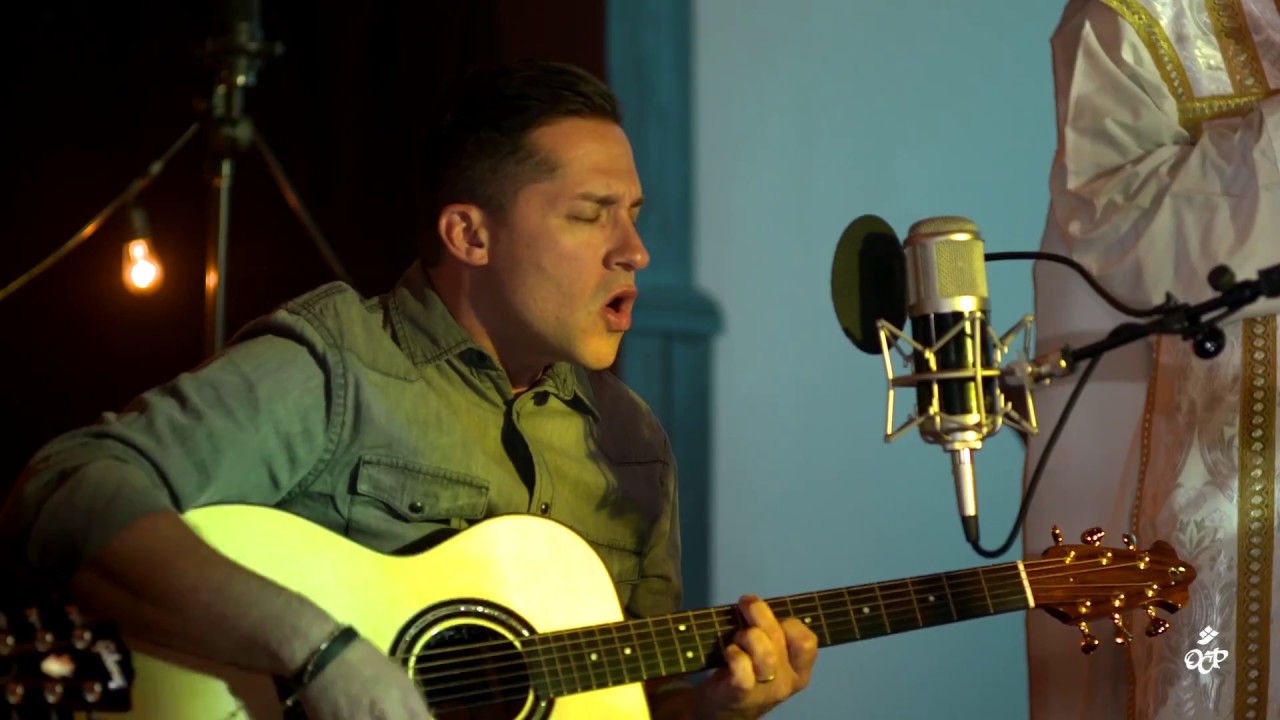
glory to god mass prayer
The phrase glory to god mass prayer usually refers to the ancient Christian hymn of praise known as the Gloria, sung or recited near the start of the Eucharistic liturgy. Whether in a cathedral with a full choir or a small parish with humble chant, the glory to god mass prayer gathers the whole assembly into a single voice of thanksgiving, setting a tone of reverence, joy and unity for the rest of the service.
This article explains what the glory to god mass prayer is, where it comes from, and how to participate meaningfully. We will explore its structure, theology, musical settings, and simple ways to engage more deeply. You will also find recommended resources, common mistakes to avoid, frequently asked questions, and a practical conclusion you can take into church next Sunday.
If you are seeking a clear guide to the glory to god mass prayer—without jargon or unnecessary complexity—you are in the right place.
What is the glory to god mass prayer?
At its heart, the glory to god mass prayer is a communal hymn of praise. Known by its Latin name Gloria in excelsis Deo (“Glory to God in the highest”), it is among the most ancient and beloved texts in Christian worship. Historically, it begins with the words proclaimed by the angels at the birth of Jesus (Luke 2:14) and then expands into a doxology—an extended act of praise to the Father, the Son, and the Holy Spirit.

In many churches, the glory to god mass prayer follows the opening rites of the service. It is not a private devotion but a public, corporate hymn: the faithful stand and either sing or recite it together. In Roman Catholic, Anglican, and some Lutheran and Methodist liturgies, it appears on Sundays (outside certain seasons) and on major feasts, signalling joy and the fullness of worship.
Because the glory to god mass prayer is sung or said by the whole assembly, it works best when everyone understands its place and purpose: it is not a warm-up or a filler; it is the congregation’s first great proclamation of praise after gathering in God’s presence.
Origins and biblical foundations
The opening line of the glory to god mass prayer comes from Scripture: “Glory to God in the highest, and on earth peace to people of good will” (Luke 2:14). Early Christians drew upon this angelic hymn and gradually added further acclamations to the Trinity, forming the fuller text we know today. Over time, the hymn entered formal liturgical use, first in the East and later in the West, becoming a hallmark of Sunday celebration.
Beyond Luke’s Gospel, the themes of the glory to god mass prayer resonate with the Psalms (which repeatedly call believers to praise) and with the letters of Saint Paul, where Christ is acclaimed as Lord and Saviour. This biblical scaffolding explains why the glory to god mass prayer feels both poetic and doctrinal: it is praise that teaches, and teaching that praises.
Where the glory to god mass prayer fits in the liturgy
In Roman Catholic liturgy, the glory to god mass prayer typically comes after the penitential act and before the Collect (the opening prayer of the day). The General Instruction of the Roman Missal (GIRM) sets out the norms for when it is used, highlighting that it is normally included on Sundays outside of Advent and Lent, and on solemnities and feasts.
In Anglican worship, the Gloria is also a familiar element of the Eucharist. Depending on local custom, it may be placed towards the beginning of the service or after Communion. The Church of England’s Common Worship provides several authorised texts and musical settings for this purpose.
In both cases, the role of the glory to god mass prayer is consistent: it is the community’s robust affirmation that God is worthy of praise for who he is and what he has done in Christ, before the readings and homily unfold the Word of God in detail.
The text and meaning of the Gloria
While translations vary, the core movements of the Gloria are recognisable across traditions. The glory to god mass prayer typically follows this arc: an opening burst of praise, a series of titles and attributes addressed to God, an emphasis on Christ’s saving work, and a concluding doxology that glorifies the Trinity. In many communities, it is sung to a familiar musical setting that helps the assembly participate confidently.
Basic structure of the glory to god mass prayer
- Opening praise to God in the highest, and a proclamation of peace on earth.
- A cascade of acclamations: “We praise you, we bless you, we adore you, we glorify you…” This rhythm draws the whole assembly into wholehearted worship.
- Christological centre: Jesus is addressed as the Only Begotten Son, the Lamb of God who takes away the sins of the world. The glory to god mass prayer makes clear that our praise is inseparable from our redemption.
- Final doxology: Praise to the Holy Spirit and the Father, concluding with “Amen,” the congregation’s signature of assent.
Because it is both Trinitarian and Christ-centred, the glory to god mass prayer helps worshippers keep the essentials in focus: God’s greatness, Christ’s mercy, and the Spirit’s presence in the Church.
How to participate well in the glory to god mass prayer
Even if you know the words by heart, it is worth asking how to pray them more intentionally. Consider these simple practices to deepen your experience of the glory to god mass prayer.
Engage your voice and body
Stand with a steady posture, hold the hymnal or follow the screen, and sing if you are able. If the setting is spoken, articulate with a calm, clear voice. The physicality of participation helps your mind and heart enter into the meaning of the glory to god mass prayer.
Focus on one line each week
The Gloria is rich. Choose a single phrase to emphasise: perhaps “we give you thanks for your great glory” or “you take away the sins of the world.” Let that phrase guide your prayer for the rest of the Mass. This simple habit prevents the glory to god mass prayer from becoming a rushed recitation.
Listen to the assembly
Because the glory to god mass prayer is communal, notice the rhythm of the congregation. Let your voice blend with others. The shared pace and volume create a unified act of worship, reminding us that the Church praises God as one body.
Music, posture, and silence
Many communities sing the glory to god mass prayer to a consistent musical setting throughout a liturgical season. Familiarity builds confidence and frees people to focus on meaning rather than mechanics. When the Gloria is sung, stand upright and sing from the heart; when it is spoken, keep a measured, calm pace.
After the hymn concludes, a moment of quiet can be helpful. This brief silence allows the words of the glory to god mass prayer to settle—a small pause before the Collect is proclaimed.
Examples and variations across traditions
In the Roman Rite, the text of the Gloria is stable, with approved translations for use in English-speaking communities. The U.S. text (often similar to that used in other English-speaking countries) can be consulted via the United States Conference of Catholic Bishops’ Order of Mass: Gloria. In Anglican liturgy, the wording may differ slightly, and in some settings the Gloria is placed after Communion. The Church of England offers authorised texts in Common Worship, including guidance on musical settings for the glory to god mass prayer.
Eastern Christian liturgies praise God with their own ancient hymns of glory, though the exact form of the Gloria as in the Western rites may not be present. Understanding these differences can enrich one’s appreciation of the breadth of Christian worship while recognising the shared impulse to offer glory to God.
Key reasons the glory to god mass prayer matters
- It restores the primacy of praise. Before asking for anything, the Church gives thanks and adores, which aligns our hearts with God’s goodness.
- It proclaims the Gospel succinctly. The glory to god mass prayer names Jesus as Lord and Saviour and acknowledges his mercy.
- It builds unity. Singing or saying the Gloria together breaks down the barrier of “performers” and “audience”; everyone participates.
- It forms faith. Repeated exposure to the rich language of the glory to god mass prayer educates the heart in sound doctrine and healthy devotion.
Common mistakes with the glory to god mass prayer
Because it is familiar, the glory to god mass prayer can slip into routine. Here are pitfalls to avoid and how to correct them:
- Rushing: If the pace is too fast, meaning is lost. Aim for a steady, unforced tempo.
- Monotone delivery: Whether singing or speaking, vary tone and emphasis to reflect the text’s movement from praise to supplication and back to praise.
- Selective participation: The glory to god mass prayer is not a solo. If the choir leads, still join wholeheartedly; if spoken, be audible and engaged.
- Missing seasonal context: In Advent and Lent, the Gloria is ordinarily omitted. Respect the Church’s rhythm so that the return of the glory to god mass prayer at Easter feels truly festive.
Practical steps for catechists and liturgy planners
If you help prepare parish worship, small steps can help the assembly enter the glory to god mass prayer with renewed attention:
- Teach the text: Offer a short catechesis before Mass or in a newsletter, explaining one section of the Gloria each week.
- Select singable settings: Choose melodies within the assembly’s comfortable range, and repeat them through a season so people learn them well.
- Balance choir and assembly: Even when a choir leads, ensure the people have the words and an invitation to join. The glory to god mass prayer should never feel like a performance apart from the congregation.
- Encourage a reflective pause after the hymn: A few seconds of quiet can deepen reception.
Personal devotion and weekday practice
Although the glory to god mass prayer is a liturgical hymn, you can allow its phrases to shape your personal prayer. For example, begin your morning prayer with “We give you thanks for your great glory,” then name concrete reasons for gratitude. Or, when seeking mercy, pray slowly: “You take away the sins of the world, have mercy on us.” While not a substitute for the liturgical Gloria, these moments help the Mass resonate throughout daily life.
If you are exploring other forms of prayer that complement the Eucharist, you may appreciate this simple guide to the how to pray the Divine Mercy Chaplet, a devotion focused on trust in Jesus’ mercy, which harmonises well with the Christ-centred praise of the glory to god mass prayer.
Historical and theological depth
Liturgically, the Gloria is among the oldest elements of the Mass, associated with early Christian worship and standardised in the West by the first millennium. Theologically, it is a compact summary of praise that attributes salvation to Christ and acknowledges the Father and the Spirit in a rich Trinitarian frame. For an overview of how the Mass developed and where the Gloria fits, consider reading Encyclopaedia Britannica’s article on the Mass, which provides historical context and structure.
The ancient character of the glory to god mass prayer explains its enduring appeal: Christians keep returning to this text because it captures in a few lines the joyful heart of worship.
Recommended external resources
- General Instruction of the Roman Missal: official norms for when the Gloria is used
- USCCB: English text of the Gloria within the Order of Mass
- Church of England Common Worship: authorised Gloria texts and guidance
- Britannica overview of the Mass: background to the Gloria’s place in worship
Related articles
Frequently asked questions about glory to god mass prayer
What exactly is the Gloria, and is it the same as the glory to god mass prayer?
The Gloria is the formal name of the hymn beginning “Glory to God in the highest.” In many English-speaking contexts, people informally refer to it as the glory to god mass prayer because it functions as a prayer of praise at Mass. So yes, these terms generally point to the same element of the liturgy.
When is the glory to god mass prayer omitted?
In the Roman Catholic tradition, it is usually omitted during Advent and Lent, which are more penitential seasons, and then restored with full joy at Christmas and Easter. Some Anglican practices vary in placement rather than omission, but the seasonal principle often remains similar. Check your local parish or diocesan guidelines for details.
Do I have to sing the glory to god mass prayer?
No one is compelled to sing, but participation is strongly encouraged. If singing is difficult, join by speaking the words quietly or following attentively. The essential point is to engage your heart and mind as the community offers praise together.
Is there a “right” musical setting?
No single setting is definitive. Each parish or congregation typically chooses settings that suit its musical resources and the assembly’s capacity. A good setting for the glory to god mass prayer is singable, doctrinally accurate, and helps the congregation pray rather than perform.
How is the glory to god mass prayer different from the Sanctus or the Creed?
The Gloria is a hymn of praise near the beginning of the liturgy. The Sanctus (“Holy, Holy, Holy”) occurs within the Eucharistic Prayer, and the Creed is a profession of faith usually after the homily. Each has a distinct role; the glory to god mass prayer specifically emphasises adoration and thanksgiving to the Trinity before the Liturgy of the Word unfolds.
Do Orthodox Christians use the Gloria?
Eastern liturgies have their own venerable hymns of praise and may not include the Gloria in the Western form. That said, the instinct to give glory to God is universal in Christian worship. For a broad overview that can enhance perspective, see this guide on differences between Orthodox and Catholic worship.
Can I pray the glory to god mass prayer at home?
You can pray any part of the liturgy privately as a devotion, including the Gloria. However, its fullest meaning emerges when sung or said in the assembly at Mass. If you wish to integrate it into personal prayer, take a line or two and reflect on it slowly, letting the language of the glory to god mass prayer shape your thanksgiving.
Conclusion on glory to god mass prayer
The Gloria is more than a familiar tune or a block of text to recite. The glory to god mass prayer stands at the gateway of the liturgy as a joyful act of corporate praise. Rooted in Scripture, steeped in tradition, and focused on Christ’s saving work, it forms our hearts to worship God as Father, Son, and Holy Spirit.
Participating well is simple: sing or speak with attention, let one phrase guide your prayer, and embrace the community’s voice as your own. Whether you encounter the glory to god mass prayer in a grand cathedral or a humble chapel, the same grace is offered: to adore God for his great glory and to confess Christ’s mercy with confidence.
As you return to Sunday worship, take a moment to prepare for the Gloria. Read the text beforehand, notice its structure, and enter the music with intention. In time, the glory to god mass prayer will cease to be routine and become instead a weekly doorway into deeper gratitude and praise.
Above all, remember that the glory to god mass prayer is a gift to be received and a response to be offered. Allow its angelic opening and Trinitarian conclusion to shape your faith, week by week, into a living hymn of thanksgiving.
