Prayer for the Sick by Padre Pio: Essential, Practical Guide – 3 Keys
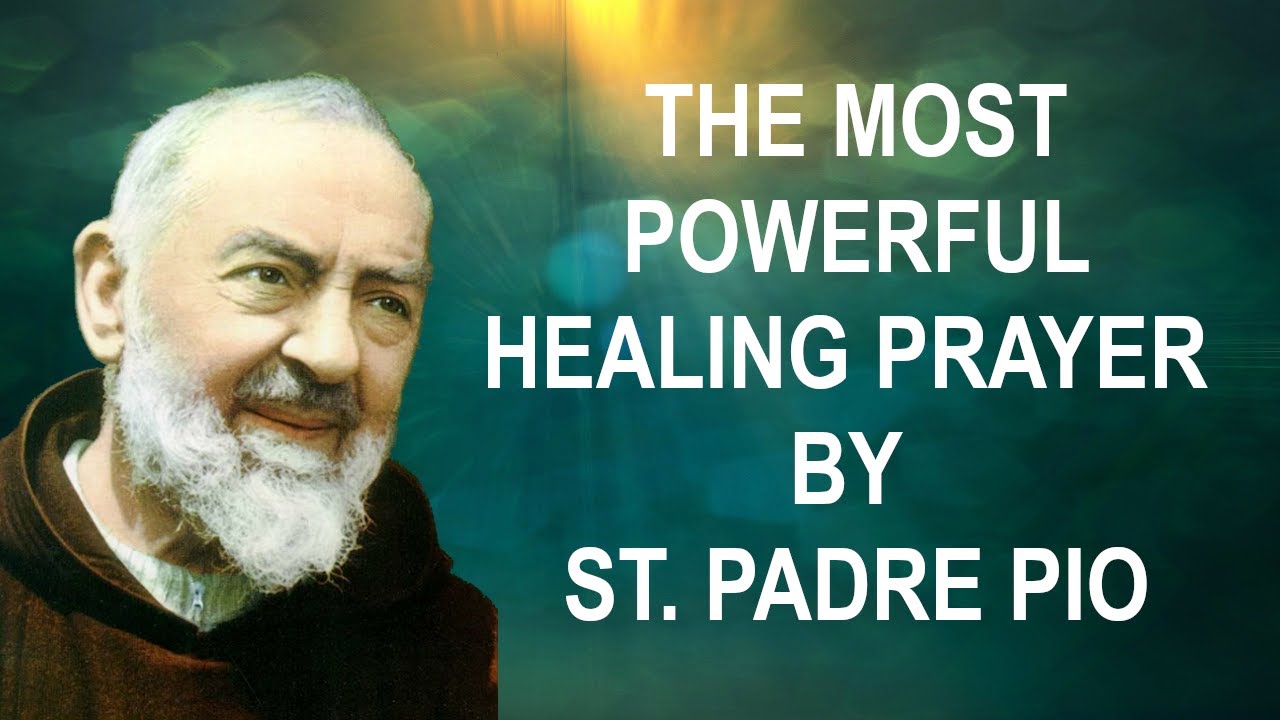
Prayer for the sick by Padre Pio: words, meaning, and how to pray
The prayer for the sick by Padre Pio is a beloved devotional way to ask Our Lord for healing and hope through the intercession of Saint Pio of Pietrelcina. Many people turn to this prayer in times of illness, pain, or anxiety, finding comfort in its simple trust in God’s mercy and its compassionate tone. In this guide, you will learn what the prayer is about, how to pray it step by step, when it is most helpful, and how to avoid common misunderstandings while supporting someone who is unwell.
Whether you are praying for yourself, a family member, or a friend, the prayer for the sick by Padre Pio can be a gentle, structured way to bring peace to a bedside, a hospital room, or a quiet corner at home. You will also find links to trustworthy sources for the traditional wording, additional Catholic prayers, and guidance on the Church’s sacramental support for the sick.
What is the prayer for the sick by Padre Pio?
Put simply, the prayer for the sick by Padre Pio is an intercessory prayer: we ask God, the Divine Physician, to bring comfort and healing to a person who is ill, and we do so while asking Saint Pio to pray with and for us. The wording you see published can vary slightly between books and websites, but the heart of the prayer is the same—trust in Christ, compassion for the person suffering, and surrender to God’s will. It is not a magic formula, but a sincere expression of faith and love.
If you prefer to pray using the traditional text, you can find a reliable version via respected Catholic sources such as the National Centre for Padre Pio and EWTN (links provided below). This article offers a clear explanation, a simple guided prayer “in the spirit of” Padre Pio, and practical tips to help you pray with confidence and sensitivity.


Core themes of the prayer
- Faith in Christ as healer: Jesus is the source of mercy, strength, and restoration.
- Intercession: We ask Saint Pio to pray with us, just as we might ask a close friend to pray.
- Compassion: We bring the person’s pain, fear, and needs honestly before God.
- Hope and trust: We ask for healing while entrusting outcomes to God’s loving will.
- Redemptive love: Illness is met with love, patience, and solidarity, not isolation.
- Closeness to the sacraments: The Church’s sacramental care—especially the Anointing of the Sick—supports the sick person and family.
Who was Padre Pio, and why do people seek his intercession?
Saint Pio of Pietrelcina (1887–1968), widely known as Padre Pio, was a Capuchin friar from southern Italy. He served for decades as a confessor and spiritual guide, encouraging people to trust in Jesus, frequent the sacraments, and pray the Rosary. Many people associate him with healing, because numerous testimonies report conversions and physical cures after prayer. While the Church recognises him as a saint and honours his intercession, it always points back to Christ as the source of every grace.
When we pray the prayer for the sick by Padre Pio, we are not replacing medical care or seeking a “shortcut.” Rather, we are asking God for help in the most human way possible—through prayer—and inviting a holy friend to stand beside us. Padre Pio himself often urged people to seek the sacraments, obey their doctors, and persevere in prayer with humility.
How to pray the prayer for the sick by Padre Pio (step by step)
You can pray alone, with the person who is ill (if they wish), or with family and friends. The following steps provide gentle structure; adapt them to your circumstances.
- Settle and invite peace: Find a calm space. Silence phones. Breathe slowly and ask for God’s peace.
- Begin with the Sign of the Cross: “In the name of the Father, and of the Son, and of the Holy Spirit. Amen.”
- State your intention: Name the person and their need. For example: “Lord Jesus, I commend N. into your healing care.”
- Read a short scripture (optional): A comforting verse can focus the heart. For example, “The Lord is near to the broken-hearted” (Psalm 34:18).
- Pray the prayer for the sick by Padre Pio: Use a trusted published text, or pray in the same spirit (a guided example follows).
- Ask Saint Pio’s intercession: “Saint Pio of Pietrelcina, pray for us.”
- Close with a familiar prayer (optional): The Our Father, Hail Mary, or a decade of the Rosary can be helpful.
- Finish with the Sign of the Cross and a moment of quiet: Offer thanks and rest in God’s presence.
A simple guided prayer “in the spirit” of Padre Pio
Use this if you do not have the traditional text to hand. It reflects the themes of the prayer for the sick by Padre Pio without claiming to reproduce a specific historic wording:
“Lord Jesus, Divine Physician, look with love upon N. Bring relief to pain, light to fear, and strength to weakness. Through the intercession of Saint Pio of Pietrelcina, draw near to N. and to all who care for them. If it be your will, grant healing of body and mind; above all, grant peace, courage, and trust in your mercy. Mary, Mother of the afflicted, keep N. under your mantle. Saint Pio, pray for us. Amen.”
Praying for yourself versus praying for someone else
- If you are ill, you might emphasise trust and surrender: “Jesus, I place my illness and worries into your hands; be my strength.”
- If praying for another, focus on compassion and encouragement: “Lord, bless N., and those who treat and support them. Surround them with your peace.”
When and where to use the prayer for the sick by Padre Pio
Because life rarely follows a tidy schedule, the prayer for the sick by Padre Pio works well in many settings:
- At a bedside at home: Create a calm moment, even if brief.
- In hospital or a clinic: Pray quietly; respect ward routines and the person’s energy levels.
- Before a medical appointment or procedure: Ask for calm and clarity, for both the patient and clinicians.
- During recovery and rehabilitation: Perseverance in prayer supports long journeys and prevents discouragement.
- As a novena: Pray the same intention daily for nine days, ideally at the same time each day.
- In a parish or small group: With permission and discretion, pray together for a parishioner who is ill.
Scripture, sacraments, and the Catholic context
For Catholics, prayer for the sick sits within a wider spiritual care that includes the sacraments. The Church’s Catechism explains the Anointing of the Sick—offered by a priest to those seriously ill or facing major surgery—as a sacrament of strengthening, peace, and courage. For a reliable summary of this teaching, see the Vatican’s Catechism section on the Anointing of the Sick: official Catechism teaching on the Anointing of the Sick. The prayer for the sick by Padre Pio harmonises with this sacramental care; it does not replace it.
Additionally, regular confession and Holy Communion can be a deep source of spiritual healing and hope. Many devotees also turn to the Rosary and the Chaplet of Divine Mercy as steady, consoling prayers alongside the prayer for the sick by Padre Pio.
Words, variations, and trustworthy sources
Because devotional prayer often spreads through personal use, holy cards, and parish leaflets, you may see slightly different versions of the prayer for the sick by Padre Pio. The essentials remain the same. For the traditional wording, consult respected Catholic publishers and centres devoted to Saint Pio. Two reliable places to start include:
- National Centre for Padre Pio (USA): biography, prayers, and resources
- EWTN collection of prayers by Saint Padre Pio
If you are supporting somebody new to prayer, you can read the text slowly, line by line, with short pauses. Over time, people often memorise a few phrases, which can be especially helpful in anxious moments when concentration is limited.
Pastoral tips for praying with the sick
- Ask permission: If the person is awake and able, gently ask whether they would like to pray now.
- Be brief: Keep the prayer short to respect energy levels.
- Mind the environment: Reduce noise and lower bright lights if possible.
- Include caregivers: Invite family or carers to join if appropriate.
- Use touch sensitively: If welcomed, a light touch on the hand or shoulder can be reassuring.
- Leave space: Silence after the prayer allows the person to rest in God’s presence.
Common mistakes to avoid
- Treating prayer as a guarantee: Prayer is relationship, not a mechanism. We ask boldly and trust humbly.
- Neglecting medical care: Prayer and medicine work together. Respect doctors’ guidance and treatment plans.
- Forgetting the sacraments: For Catholics, contact your parish for the Anointing of the Sick when appropriate.
- Overloading the person: Keep it simple; avoid lengthy or complicated devotions unless the person requests them.
- Using saints as “shortcuts”: We ask saints to pray with us; Christ remains the source of healing.
- Ignoring consent and privacy: Always ask before sharing names on public prayer lists or social media.
Deepening your devotion: prayers and readings to companion the sick
Alongside the prayer for the sick by Padre Pio, many find strength in the Divine Mercy message and prayer, the Rosary, and brief passages of Scripture. If you would like a step-by-step devotional that pairs well with praying for the sick, see this guide to the Chaplet: how to pray the Divine Mercy Chaplet. A short Bible reading can also bring comfort; for example, a reflection like reflection on Zephaniah 3:17 may remind the sick person that God is near, mighty to save, and tender in love.
For a brief and trustworthy overview of Padre Pio’s life and spirituality, you can consult a respected Catholic encyclopaedia or a shrine page. A concise introduction is available at EWTN’s biography of Saint Pio of Pietrelcina, while the Vatican website offers official teaching on prayer, sacraments, and Christian hope that frames all devotions: Vatican resources and Catechism.
Related articles
Recommended external resources
- National Centre for Padre Pio: prayers and devotional resources
- EWTN: prayers by Saint Padre Pio
- Vatican Catechism on the Anointing of the Sick
Frequently asked questions about prayer for the sick by Padre Pio
Is there an “official” wording of the prayer for the sick by Padre Pio?
Devotional prayers often circulate via holy cards and parish booklets, so wording may vary slightly. The essentials—asking Jesus for healing and peace, and seeking Saint Pio’s intercession—remain consistent. For a traditional text, refer to reputable Catholic sources such as the National Centre for Padre Pio or EWTN.
Can non-Catholics pray the prayer for the sick by Padre Pio?
Yes. Anyone may ask God for help and invite a saint’s prayers, just as one might ask a faithful friend to pray. If you prefer, you can simply address Jesus directly and add, “Saint Pio, pray for us,” as a brief intercession.
Does the prayer replace medical treatment?
No. The prayer for the sick by Padre Pio is not an alternative to medical care. It is a spiritual support that sits alongside professional treatment. Padre Pio encouraged people to make responsible use of medicine while entrusting outcomes to God.
How often should I pray it?
There is no strict rule. Many people pray daily, some begin a nine-day novena, and others pray at key moments—before appointments, during tests, or when pain flares. Consistency helps, even if each time is very brief.
What if the person I pray for is not healed?
We always ask for healing with hope, and we also trust God’s wisdom and timing. Even when a cure does not occur, prayer can bring peace, courage, reconciliation, and a sense of God’s nearness. These are genuine gifts that sustain patients and families.
Can I combine it with other devotions?
Absolutely. Many people pair the prayer for the sick by Padre Pio with the Rosary or the Divine Mercy Chaplet, or add a simple Bible verse for reflection. Keep the overall time and the person’s energy in mind.
Is there a best time of day to pray?
Pray when the person is most settled and alert. Early mornings or early evenings can be calmer, but individual routines vary—especially during hospital care. The best time is the time you will actually keep.
Conclusion on prayer for the sick by Padre Pio
The prayer for the sick by Padre Pio offers a compassionate, faith-filled way to support anyone facing illness. In a few simple lines, it turns hearts toward Jesus, seeks the intercession of a trusted saint, and places the sick person gently in God’s loving hands. It is both tender and strong—tender in its tone, strong in its confidence that no one suffers alone.
Prayed at a bedside, before a procedure, or quietly at home, the prayer for the sick by Padre Pio helps patients, families, and carers breathe, hope, and carry on. You can use the traditional wording from reputable Catholic sources or pray in the same spirit using clear and humble words of your own.
Above all, remember that prayer and medicine belong together. Seek the sacraments when appropriate, follow professional advice, and return to prayer often. In this balance, the prayer for the sick by Padre Pio becomes a steady companion—bringing comfort today and nurturing trust for whatever tomorrow may bring.
