Glory to god in the highest prayer latin: essential, practical guide
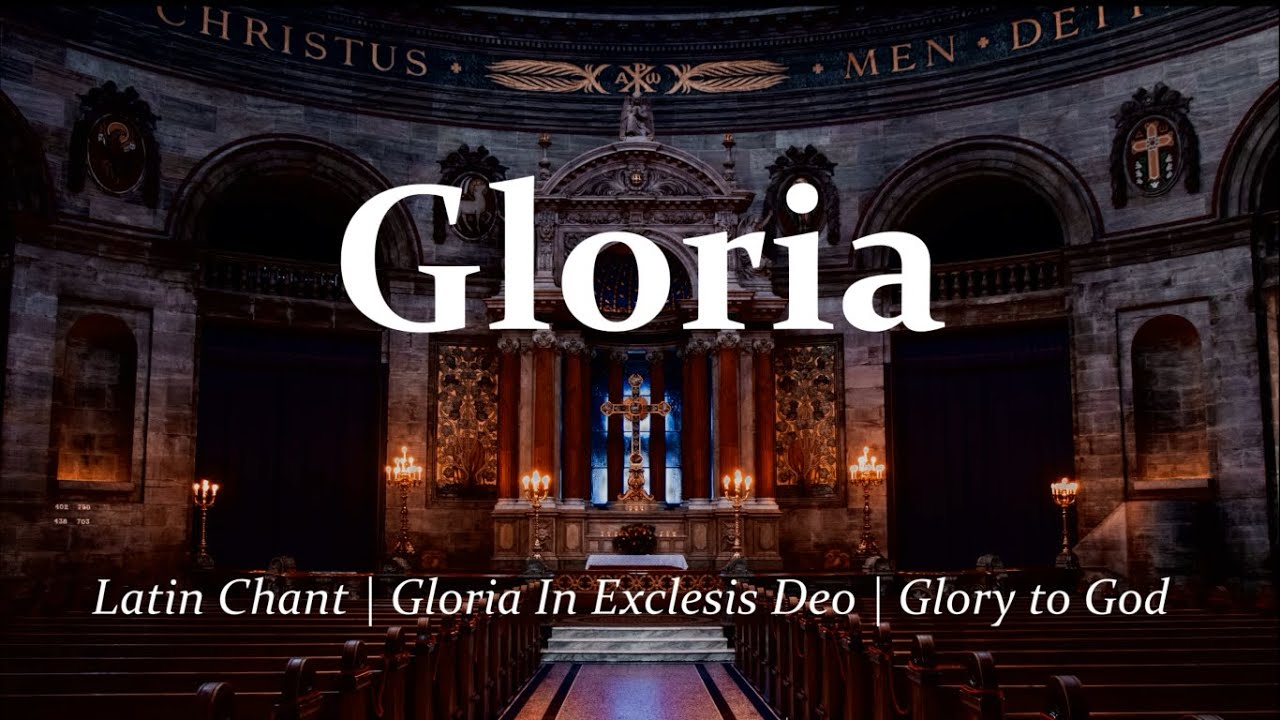
glory to god in the highest prayer latin
The phrase glory to god in the highest prayer latin refers to the ancient Christian hymn known in Latin as “Gloria in excelsis Deo.” Often called the Greater Doxology or Angelic Hymn, it is a joyful proclamation of praise that has been part of Christian worship for well over a millennium. In this guide, you will discover what the prayer is, where it comes from, how and when it is used, and practical tips for praying or singing it confidently—whether you’re at Mass, following a service online, or exploring Christian devotion at home.
Because glory to god in the highest prayer latin is both a text and a ritual moment in the liturgy, we will look at its biblical roots, its structure and meaning line by line, and the differences you might encounter across traditions and translations. You will also find links to reliable resources and answers to common questions.
What is glory to god in the highest prayer latin?
At its heart, glory to god in the highest prayer latin is the Latin title and incipit of a hymn of praise addressed to God the Father and to Jesus Christ, with a concluding doxology invoking the Holy Spirit. In the Roman Catholic Mass, it is the Gloria—usually sung or said on Sundays outside Advent and Lent, and on solemnities and feasts. The prayer begins with the words the angels proclaim in the Gospel of Luke when announcing the Saviour’s birth, and then expands into a rich, poetic acclamation of God’s greatness and mercy.
In addition to the Roman Rite, variants of the same text—originally in Greek—appear in other traditions. Anglicans use the Gloria in the Eucharist, and in the Byzantine rites a related text is sung as the “Greater Doxology” at Matins. This breadth of use reminds us that glory to god in the highest prayer latin is part of a shared Christian heritage of praise.


Biblical roots: “Gloria in excelsis Deo”
The opening line of glory to god in the highest prayer latin comes directly from Scripture. In Luke 2:14, the angelic host praises God at the Nativity: “Glory to God in the highest, and on earth peace…” The Church took this angelic hymn and, over centuries, shaped it into a fuller text of worship. Its first lines lift our eyes heavenward, while its subsequent petitions recognise our need for mercy, grounding exuberant praise in trust and humility.
Where it appears in worship
Within the Ordinary Form of the Roman Rite, the Gloria follows the Penitential Act at Mass. The General Instruction of the Roman Missal (GIRM) states that it is to be used on Sundays outside Advent and Lent, on solemnities and feasts, and on other more solemn occasions (see GIRM 53). It is typically omitted during Advent and Lent to mark these seasons’ character of expectation and penitence, though exceptions occur on major feasts that fall within them.
In Anglican liturgies, particularly Common Worship, the Gloria is usually placed after the Collect on Sundays and Festivals. You can see a standard English version in the Church of England’s texts here: Common Worship: Holy Communion (Order One) – Gloria in Excelsis.
Text of glory to god in the highest prayer latin (with a clear translation)
Below is the standard Latin text of the Gloria, followed by a clear English rendering to help you understand and pray the words with attention.
Latin text
Gloria in excelsis Deo, et in terra pax hominibus bonae voluntatis.
Laudamus te, benedicimus te, adoramus te, glorificamus te,
gratias agimus tibi propter magnam gloriam tuam,
Domine Deus, Rex caelestis, Deus Pater omnipotens.
Domine Fili unigenite, Iesu Christe,
Domine Deus, Agnus Dei, Filius Patris,
qui tollis peccata mundi, miserere nobis;
qui tollis peccata mundi, suscipe deprecationem nostram.
Qui sedes ad dexteram Patris, miserere nobis.
Quoniam tu solus Sanctus, tu solus Dominus, tu solus Altissimus,
Iesu Christe, cum Sancto Spiritu: in gloria Dei Patris. Amen.
Plain English translation
Glory to God in the highest, and on earth peace to people of good will.
We praise you, we bless you, we adore you, we glorify you,
we give you thanks for your great glory,
Lord God, heavenly King, O God, almighty Father.
Lord Jesus Christ, Only Begotten Son,
Lord God, Lamb of God, Son of the Father,
you take away the sins of the world, have mercy on us;
you take away the sins of the world, receive our prayer.
You are seated at the right hand of the Father, have mercy on us.
For you alone are the Holy One, you alone are the Lord, you alone are the Most High,
Jesus Christ, with the Holy Spirit, in the glory of God the Father. Amen.
Whether you pray in Latin or English, the structure is the same: a burst of glory to god in the highest prayer latin, followed by praise and titles of the Father and the Son, petitions for mercy, and a closing doxology naming the Holy Spirit.
What the lines mean: a simple guide
“Gloria in excelsis Deo”
This is the heart of glory to god in the highest prayer latin. It proclaims that God’s splendour is supreme, beyond earthly limits (“in excelsis”—in the highest). It immediately pairs worship of God with a wish for peace among people of good will, echoing the angelic message of reconciliation and goodwill.
Praise in many verbs
“We praise, bless, adore, glorify, and give thanks…” The sequence intensifies our response to God’s majesty. In glory to god in the highest prayer latin, these verbs help us slow down and savour the act of worship: it is not only admiration, but gratitude; not only reverence, but joyful proclamation.
Christ’s titles
Calling Jesus “Only Begotten Son,” “Lamb of God,” and “Son of the Father” situates him squarely in the heart of Christian faith. The reference to the Lamb of God anticipates the Eucharist, where Christ is recognised as the one who takes away the sins of the world. In the flow of glory to god in the highest prayer latin, this is where praise moves into trustful petition.
Petitions for mercy
“Have mercy on us,” “receive our prayer.” These pleas acknowledge our dependence on divine compassion. Glory to god in the highest prayer latin is not triumphalistic; it blends the heights of praise with the honesty of human need.
The doxology
“For you alone are the Holy One… with the Holy Spirit, in the glory of God the Father.” The ending is Trinitarian, affirming the uniqueness of Christ and the shared divine glory with the Spirit and the Father. This climax is why the Gloria is sometimes called the Greater Doxology.
How to pray or sing glory to god in the highest prayer latin
You do not need to be a Latin expert to join in. Here is a straightforward approach.
- Know when it is used: on most Sundays outside Advent and Lent, and on solemnities and feasts. If you’re unsure, check your parish bulletin or missal.
- Begin with focus: listen for the introductory words from the cantor or priest, then respond or sing with the congregation.
- Pray the meaning: whether in Latin or English, pay attention to each title of God, each petition for mercy. Let the words teach you how to praise.
- Use a reliable text: a missal, an official app, or a parish sheet. For a standard English text, see the USCCB’s Order of Mass: Gloria.
- Practise at home: reading glory to god in the highest prayer latin quietly once or twice outside of Mass can make it easier to participate fully on Sunday.
Pronunciation tips (ecclesiastical Latin)
- Gloria: GLO-ree-ah.
- In excelsis: roughly “een ek-SHEL-sees” (the “c” before “e” sounds like “ch” in church; the “x” is “ks”).
- Deo: DAY-oh.
- Caelestis: cheh-LES-tees (ae often sounds like “eh”).
- Miserere nobis: mee-zeh-REH-reh NO-bees.
Do not worry about getting everything perfect. When praying glory to god in the highest prayer latin, clarity and reverence matter more than precision. Over time, your confidence will grow.
Occasions and variations
As noted above, the Gloria typically appears on Sundays outside Advent and Lent, and on solemnities and feasts. The GIRM is the best reference for when to include or omit glory to god in the highest prayer latin in the Roman Rite. Some parishes sing a simple chant; others use a composed setting by a contemporary or classical musician. In English-speaking contexts, translations approved by the bishops’ conferences are used; the Latin text remains the same worldwide.
Differences also exist across traditions. If you are curious about how the Orthodox and Catholic liturgies compare in their use of hymns of praise, this overview of Orthodox vs Catholic worship differences can give you useful context.
Music and heritage: from chant to concert halls
The Gloria has inspired centuries of music. Gregorian chant versions are simple and designed for congregational singing. Polyphonic settings blossomed in the Renaissance, with composers like Palestrina and Victoria creating choral tapestries that still move listeners today. In the classical period, the Gloria became a showcase movement in Mass settings: think of Vivaldi’s “Gloria” RV 589, or the majestic Glorias within Mozart’s and Haydn’s Masses. Even when performed in a concert hall, these settings keep a living link with glory to god in the highest prayer latin as worship, not merely art.
Common mistakes with glory to god in the highest prayer latin
- Confusing it with the “Gloria Patri.” The short “Glory be to the Father…” is a doxology used at the end of psalms and prayers. Glory to god in the highest prayer latin is the longer hymn used at Mass.
- Assuming it is only for Christmas. Although its opening recalls the angels of Christmas night, the Church prays it throughout much of the year.
- Overlooking the petitions. It is not just praise; it contains earnest pleas for mercy and for our prayer to be received.
- Skipping it during Advent and Lent without exceptions. In fact, it is used on solemnities and certain feasts within those seasons (for example, the Immaculate Conception in Advent or the Annunciation in Lent).
- Thinking you must understand every Latin word. Understanding helps, but participation and intention are primary. Consider learning the key phrases of glory to god in the highest prayer latin gradually.
A simple way to learn glory to god in the highest prayer latin
Try this brief routine over a week:
- Day 1–2: Read the Latin aloud once a day, without pressure, just to get the flow.
- Day 3–4: Read the English alongside the Latin to pair sound with meaning.
- Day 5–6: Focus on the opening and closing lines; these are the anchors of glory to god in the highest prayer latin.
- Day 7: Listen to a simple chant version and sing along quietly.
If you enjoy structured devotions, you might also explore other well-loved prayers such as the Chaplet of Divine Mercy; here is a step-by-step guide to how to pray the Divine Mercy Chaplet, which pairs well with daily praise.
Praying with heart and head
Because glory to god in the highest prayer latin combines theology and worship, it can enrich both mind and soul. You might study its biblical references, reflect on its titles for Christ, or meditate on its petitions for mercy. Equally, you can simply enter into the singing with attentiveness and let the Church’s prayer carry you. Both approaches are good, and they reinforce one another.
Recommended external resources
- General Instruction of the Roman Missal (official norms, including when the Gloria is used)
- USCCB: Order of Mass – Gloria (authorised English text and context)
- Church of England – Common Worship: Gloria in Excelsis (Anglican usage and wording)
- Wikipedia: Gloria in excelsis Deo (history, musical settings, and variants)
Frequently asked questions about glory to god in the highest prayer latin
Is the Gloria always said at Sunday Mass?
No. In the Roman Rite, the Gloria is omitted on the Sundays of Advent and Lent. It is, however, said or sung on solemnities and feasts, and on certain special occasions even within those seasons. Outside Advent and Lent, it is normal on Sundays.
What does “people of good will” mean?
The phrase echoes Luke 2:14, expressing a wish for peace among those disposed to receive God’s saving work. It is a universal, hopeful expression, not a narrow label; glory to god in the highest prayer latin couples God’s glory with the desire for earthly peace rooted in goodwill.
Is there only one correct English translation?
Different Church bodies approve specific translations for use in liturgy. The meaning remains the same, but wording can differ slightly between Roman Catholic, Anglican, and other authorised texts. The Latin original of glory to god in the highest prayer latin serves as the stable reference point.
