Easter scriptures: essential, definitive guide with 12 key verses
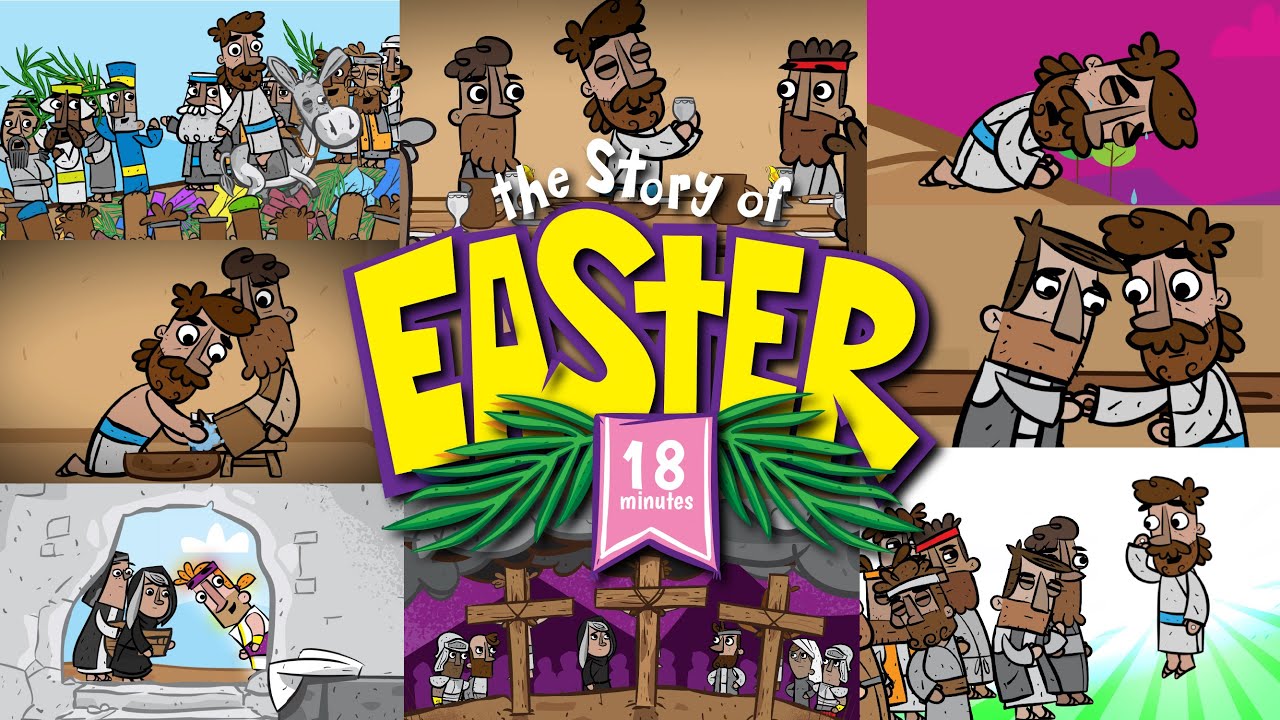
easter scriptures: meaning, context, and how to use them
For many Christians, easter scriptures are the heart of their faith story: passages that describe the suffering, death, and resurrection of Jesus, together with the Old Testament texts that anticipate and explain those events. Whether you are preparing for Holy Week, seeking verses for worship or study, or simply curious about the Bible’s narrative of hope, easter scriptures offer a clear path through the central claims of Christianity. In this guide, we explain what easter scriptures are, why they matter, how to read them thoughtfully, and which key passages can help you reflect more deeply.
We will walk through the biblical storyline, highlight essential readings for each day of Holy Week, and share practical tips for prayerful reading. Along the way, we’ll also address common misunderstandings, point to helpful resources, and suggest ways families, small groups, and churches can apply easter scriptures today.
What are easter scriptures?
When people speak about easter scriptures, they usually mean two linked sets of Bible texts. First are the Old Testament passages that foreshadow or explain Easter: the saving of Israel at Passover, the Suffering Servant in Isaiah, prophetic promises of a new covenant, and psalms that sound uncannily like the crucifixion. Second are the New Testament passages that recount Jesus’ Passion, death, burial, and resurrection, together with the earliest Christian reflections on what those events mean.
Put simply, easter scriptures help readers see how the Bible’s entire storyline converges in the cross and resurrection. They are used in personal devotions, small-group studies, sermons, and liturgies throughout Holy Week and Eastertide. They also serve as a lens through which many readers interpret the Christian message—love stronger than death, mercy for sinners, and hope that renews creation.
The story arc behind easter scriptures
Passover and Exodus: the pattern of rescue
Easter unfolds in the light of Passover. In Exodus 12–14, God liberates Israel from slavery through the blood of the lamb and the waters of the sea. The Gospels deliberately echo this pattern: Jesus’ Last Supper takes place during Passover, and the New Testament calls him “our Passover lamb” (1 Corinthians 5:7). Reading Exodus alongside the Passion narratives helps explain why easter scriptures often speak the language of rescue, covenant, and new beginnings.
Prophets and Psalms: the voice of suffering and hope
Several Old Testament texts are central to easter scriptures because they capture the paradox of a righteous sufferer who is vindicated by God. Isaiah 52:13–53:12 portrays the Suffering Servant who bears the sins of many. Psalms such as Psalm 22 (“My God, my God, why have you forsaken me?”) and Psalm 118 (“The stone the builders rejected has become the cornerstone”) surface repeatedly in Gospel quotations and allusions. Zechariah 12:10 (“They will look on me, the one they have pierced”) and Jonah’s three days in the fish form further patterns that the New Testament picks up in its telling of the cross and empty tomb.
The Gospel narratives: one story in four portraits
At the centre of easter scriptures are the Passion and resurrection accounts in Matthew 26–28, Mark 14–16, Luke 22–24, and John 18–20. Each Gospel contributes unique details—John emphasises the Passover timing and the “I am” identity of Jesus, Luke highlights the Emmaus road and Scripture-fulfilment, Matthew underlines royal fulfilment notes, and Mark’s stark ending pushes readers to decide what they will do with the news. Reading all four together prevents a one-dimensional view and shows how richly the first witnesses remembered the events.
The early Church’s reflection: meaning and mission
Beyond the Gospels, easter scriptures include texts where the apostles explain why Easter changes everything. 1 Corinthians 15 lays out eyewitness testimony and insists that the resurrection is the non-negotiable foundation of Christian faith. Romans 5–6 describes how believers share in Jesus’ death and resurrection life. 1 Peter 1 speaks of a “living hope” through the resurrection, and Hebrews presents Jesus as the perfect high priest who opens a new and living way into God’s presence.
Essential easter scriptures for Holy Week
To follow the journey from triumphal entry to empty tomb, consider these readings. Think of them as a curated path through easter scriptures, suitable for daily prayer or group study.
- Palm Sunday: Zechariah 9:9; Psalm 118:19–29; Matthew 21:1–11 (or Mark 11:1–11; Luke 19:28–40). The King arrives humble, fulfilling prophecy.
- Monday in Holy Week: Isaiah 42:1–9 (first Servant Song); Psalm 36; Mark 11:12–19. Justice, worship, and the cleansing of the temple.
- Tuesday in Holy Week: Isaiah 49:1–7 (second Servant Song); Psalm 71; Mark 12:1–12. The rejected stone becomes the cornerstone.
- Wednesday in Holy Week: Isaiah 50:4–9 (third Servant Song); Psalm 70; Matthew 26:1–16. Betrayal and costly devotion.
- Maundy Thursday: Exodus 12:1–14; Psalm 116; 1 Corinthians 11:23–26; John 13:1–17, 31–35. Passover, the new commandment, and the Lord’s Supper.
- Good Friday: Isaiah 52:13–53:12; Psalm 22; John 18–19 (or Matthew 26–27; Mark 14–15; Luke 22–23). The Passion narrative in full.
- Holy Saturday: Genesis 1; Psalm 31; Matthew 27:57–66. Waiting in mystery; God’s rest and the sealed tomb.
- Easter Sunday: Psalm 118:14–24; John 20:1–18 (or Matthew 28; Mark 16; Luke 24); 1 Corinthians 15:1–11. The empty tomb and the risen Lord.
These selections interweave Old and New Testaments so that easter scriptures tell one coherent story: God’s faithful love brings life out of death and calls people into a renewed covenant.
How to read easter scriptures with depth
Approaching easter scriptures well does not require specialist training. A few grounded habits can help you grasp the texts and be shaped by them.
- Read slowly, twice. The first pass gathers the story; the second notices detail—repeated words, Old Testament quotations, shifts in tone.
- Use a reliable translation. Versions such as NIV, NRSV (or NIVUK/NRSVUK) offer clarity and accuracy in British English.
- Let Scripture interpret Scripture. When a passage quotes the Old Testament, go back and read the original context. This is vital for easter scriptures, where cross-references abound.
- Compare the Gospels. Parallel the accounts to see emphasis and nuance. Differences are usually complementary, not contradictory.
- Pray as you read. Many find it helpful to turn a verse into a short prayer: “Lord, help me trust in your steadfast love” (Psalm 13:5).
- Apply one small action. After each reading, decide on a simple step—encouraging someone, seeking reconciliation, or practicing generosity.
Seven-day reading plan using easter scriptures
If you have one week to focus on easter scriptures, this plan balances breadth with manageable daily sections:
- Day 1: Psalm 118; Zechariah 9:9–12; Matthew 21:1–17.
- Day 2: Exodus 12:1–14; John 13:1–17, 34–35.
- Day 3: Isaiah 52:13–53:12; Mark 14:32–72.
- Day 4: Psalm 22; Luke 23:1–49.
- Day 5: Matthew 27:57–66; Romans 6:1–11.
- Day 6: John 20:1–18; 1 Corinthians 15:1–11.
- Day 7: Luke 24:13–35; 1 Peter 1:3–9.
Consider keeping a brief journal—two or three sentences—recording what you learn about God’s character and any practical response you will make. This gentle routine keeps easter scriptures from feeling overwhelming while preserving their breadth.
Common mistakes when approaching easter scriptures
- Reading the New Testament in isolation. Easter is unintelligible without Passover, prophecy, and the psalms. Keep the Old Testament within reach.
- Flattening the four Gospels into one. Each Gospel contributes a voice to the choir. Hearing them together increases clarity.
- Skipping the “Saturday silence”. The day between cross and resurrection matters. It addresses grief, waiting, and trust.
- Treating the resurrection as metaphor only. The earliest witnesses stress a real, bodily resurrection (1 Corinthians 15). That claim has ethical, spiritual, and hope-filled consequences.
- Overlooking the communal dimension. easter scriptures are meant for worshipping communities as well as personal devotion; engage both.
Applying easter scriptures today
The power of easter scriptures is not merely informational; they form character and community. Consider a few practical pathways:
- Personal devotion: Read a short passage morning and evening through Holy Week. Use a psalm to voice your prayer.
- Small groups: Hold a simple “Scripture and soup” evening during Holy Week. Read a chapter aloud, pause for silence, and share one insight each.
- Family moments: Choose one Easter verse to memorise together (for example, Luke 24:6, “He is not here; he has risen”).
- Worship planning: Build services around a pair of texts—a prophecy and its fulfilment—to let easter scriptures explain themselves.
- Everyday witness: Allow the hope of the resurrection to shape kindness, patience, and courage in daily tasks.
Comparing traditions: how churches use easter scriptures
Across the Christian world, traditions handle the same core texts with different accents. Western churches (Roman Catholic, Anglican, many Protestant communities) often follow the Revised Common Lectionary through Holy Week, while Eastern Orthodox churches chant extensive readings and hymns (troparia) that weave scripture with theological poetry. Both point to the same centre: easter scriptures that proclaim Christ crucified and risen, and call worshippers into renewed life. If you are exploring historical and cultural questions around the season, this overview of the history behind Easter customs offers context for common claims and misconceptions.
Because Easter emerges from the Jewish Passover matrix, people sometimes ask how these seasons relate in practice. For background on contemporary practice and interfaith understanding, you might find this article on do Jewish people celebrate Easter? helpful as you read easter scriptures that connect Exodus themes with the Gospel accounts.
Key themes that unite easter scriptures
God’s covenant faithfulness
From Exodus to the empty tomb, God keeps promises. easter scriptures insist that the God who saves Israel is the God who raises Jesus.
Substitution and solidarity
Texts like Isaiah 53 and the Last Supper narratives hold together two truths: Jesus stands in our place and stands with us. The cross is both representation and participation.
Victory through apparent defeat
Psalm 22, the Passion narratives, and 1 Corinthians 15 all agree: the path to life runs through self-giving love. The resurrection vindicates that way of life for the Church and the world.
New creation and living hope
Genesis echoes resound on Easter morning: early, on the first day, in a garden. easter scriptures invite readers to see the risen Jesus as the dawn of new creation and to live as people of hope.
Study tips: bringing easter scriptures to life in groups
- Start with story summaries. Invite participants to retell a passage briefly before discussing details. This ensures shared understanding.
- Use contrasts and parallels. Compare Peter’s denial with his restoration (Luke 22:54–62; John 21:15–19) to highlight grace.
- Add a short psalm. Pair a Gospel reading with a psalm of trust (for example, Psalm 16) and ask what both say together.
- Close with prayerful silence. After reading, keep two minutes of quiet. Many discover the text “lands” more deeply.
Recommended external resources
For further reading and study helps rooted in the Church and classic scholarship, these resources complement your engagement with easter scriptures:
- Church of England resources for Holy Week and Easter – lectionary readings, prayers, and practical worship materials.
- 1 Corinthians 15 in the NIVUK on Bible Gateway – the classic New Testament exposition of the resurrection.
- Encyclopaedia Britannica overview of Easter – concise historical and cultural background to the feast.
- Catechism of the Catholic Church on the Resurrection of Christ – doctrinal summary and biblical references.
Frequently asked questions about easter scriptures
Which Bible book should I start with if I’m new to easter scriptures?
Begin with one Gospel—Luke is a good choice for first-time readers because of its clarity and attention to Scripture fulfilment. After reading Luke 22–24, add Psalm 22 and Isaiah 53 to see how the Old Testament frames the cross and resurrection. Then read 1 Corinthians 15 for the earliest Christian summary of the Easter message.
Why do the resurrection accounts differ in detail?
Each Gospel writer emphasises different eyewitness perspectives and theological points, much like four journalists covering the same event from distinct angles. The differences add texture without altering the core claims: the tomb was empty, Jesus appeared to his followers, and the Church’s mission began. Reading all four accounts strengthens confidence in the testimony rather than undermining it.
How can I use easter scriptures in daily prayer?
Try a simple pattern: read a short passage, note one phrase that stands out, turn it into a sentence of prayer, and carry it with you through the day. For example, after reading John 20:1–18, you might pray, “Risen Lord, call me by name and send me to share your peace.” Repeating the prayer anchors the truth in daily life.
Are there specific psalms traditionally linked with Easter?
Yes. Psalm 22 (suffering and trust), Psalm 16 (confidence in God not abandoning the faithful one to the grave), and Psalm 118 (the rejected stone becoming the cornerstone; “This is the day the Lord has made”) are closely tied to easter scriptures and appear in liturgies across traditions.
How do Old Testament prophecies relate to the Easter story?
They supply the framework of promise and fulfilment. Prophets like Isaiah and Zechariah, and narratives like Exodus and Jonah, create a language of rescue, self-giving love, and new life that the Gospels identify in Jesus’ Passion and resurrection. This is why easter scriptures frequently quote or allude to these texts: they show that God’s long plan has reached its decisive moment.
Conclusion on easter scriptures
At their best, easter scriptures draw readers into the Bible’s central drama: God rescues his people through the self-giving love of Jesus and vindicates that love by raising him from the dead. From Passover patterns in Exodus to the empty tomb in the Gospels, and from the psalms to the letters of Paul and Peter, these passages speak with one voice of
