Our lady of sorrows prayer for children: essential, practical guide

our lady of sorrows prayer for children: meaning, gentle practice, and family-friendly guides
For many families, our lady of sorrows prayer for children offers a tender way to speak about pain, hope, and compassion through the loving example of Mary. This devotion helps young hearts learn that God meets us in our worries, that sorrow can be shared, and that love is stronger than fear. In this comprehensive guide, you will find simple explanations, age-appropriate prayer outlines, and practical tips for praying at home, in school, or in church groups.
Rooted in a long Marian tradition, our lady of sorrows prayer for children can be adapted for different ages and attention spans. Whether you have two minutes before bedtime or space for a short family liturgy, you will discover gentle formats that build empathy, resilience, and trust in God.
What is our lady of sorrows prayer for children?
At its heart, our lady of sorrows prayer for children is a child-friendly way to honour Mary under the title “Our Lady of Sorrows” (also known as the Mater Dolorosa). It remembers seven moments of deep pain in Mary’s life, called the Seven Sorrows or Seven Dolours, and invites us to bring our own worries to God with her. Children learn that feeling sad is human, that Jesus and Mary know our struggles, and that prayer can offer comfort and courage.
Traditionally, the Seven Sorrows include events such as Simeon’s prophecy in the Temple, the flight into Egypt, the loss of the child Jesus in Jerusalem, Mary meeting Jesus on the way to Calvary, the Crucifixion, the piercing of Jesus’ side and Mary receiving his body, and the burial of Jesus. When adapted as our lady of sorrows prayer for children, the language is simplified and the focus is on trust, kindness, and hope.
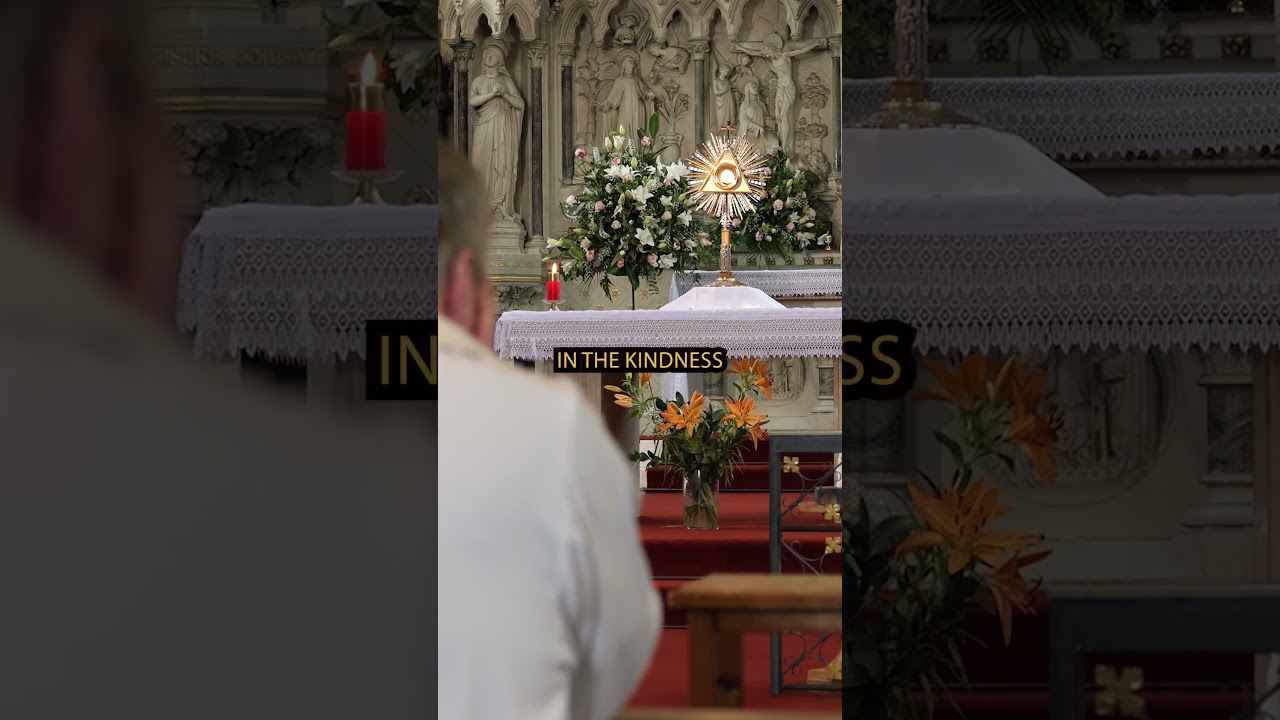

The roots: a short overview of the Seven Sorrows
- Simeon’s prophecy (Luke 2:25–35)
- The flight into Egypt (Matthew 2:13–15)
- The loss of the child Jesus for three days (Luke 2:41–50)
- Mary meets Jesus carrying the Cross (traditional)
- The Crucifixion (John 19:25–30)
- Mary receives the body of Jesus (traditional; the Pietà)
- The burial of Jesus (Luke 23:50–56)
These moments are often prayed with a dedicated chaplet, but for our lady of sorrows prayer for children, you can use a simple script, a short refrain, or age-appropriate images to keep things accessible.
Why our lady of sorrows prayer for children matters today
Children encounter worries: friendship tensions, school changes, illness in the family, or news that unsettles them. our lady of sorrows prayer for children is not about dwelling in sadness; it is about learning to name hard feelings, lean on God, and grow in compassion for others. This devotion:
- Helps young people find words for complicated emotions.
- Teaches empathy by reflecting on Mary’s care for Jesus and for us.
- Offers a calm ritual that can soothe anxiety and promote resilience.
- Connects family prayer to the wider Church’s tradition in a gentle, age-appropriate way.
Preparing to lead our lady of sorrows prayer for children
A little planning makes the experience peaceful and meaningful. You can adapt the following suggestions to your setting.
What you will need
- A quiet corner with a table, candle, or small image of Mary (optional).
- A short script or card with the prayer words.
- Optional visuals: simple drawings of the Seven Sorrows, or a single symbol such as a heart or cross.
- Calm, reassuring tone, and time for silence.
Pastoral tone and language
- Use gentle, everyday words: “sad”, “worried”, “brave”, “God is with us”.
- Stress God’s love and Mary’s comfort rather than graphic details of suffering.
- Keep the pace unhurried, with pauses to breathe and think.
When you frame the devotion in this way, our lady of sorrows prayer for children becomes a source of stability and trust, rather than something heavy or frightening.
Step-by-step guide to our lady of sorrows prayer for children
Below are three formats—very short, five-minute, and a simple Seven Sorrows outline—that you can rotate according to time and attention span.
A very short version (1–2 minutes)
- Quiet start: “Let’s take a slow breath and remember that God loves us.”
- Opening: “Mary, our Mother, you know what it feels like to be sad. Please pray for us.”
- One line for today: “Today we pray for children who are worried at school.”
- Short refrain: “Our Lady of Sorrows, pray for us.”
- Sign of the Cross or simple “Amen”.
This form is perfect for daily use. When used regularly, our lady of sorrows prayer for children can become a comforting family habit.
A five-minute version
- Light a candle (optional) and name one of Mary’s sorrows in child-friendly language: “Mary was sad when she and Joseph had to hurry to Egypt to keep Jesus safe.”
- Invite sharing: “Is there anything making you feel worried today?” Keep this optional, brief, and safe.
- Pray a short decade or simply repeat, “Our Lady of Sorrows, pray for us,” five times.
- Silent moment: “God, thank you for being with us when we are sad.”
The Seven Sorrows rosary with children (short outline)
For older children or a group with a little more time, you can introduce a simplified Seven Sorrows chaplet. Keep the descriptions brief and hopeful. After each sorrow, pray an easy refrain such as, “Mary, mother who understands sadness, pray for us.” If using this as our lady of sorrows prayer for children, shorten the number of repetitions to suit the group.
Sample texts for our lady of sorrows prayer for children
Here are examples you can print or adapt. Keep sentences short and clear.
Opening prayer (very simple)
“Mary, Our Lady of Sorrows, you loved Jesus with all your heart. You were brave when life was hard. Please help us when we feel worried or sad. Stay close to all children who are hurting today. Our Lady of Sorrows, pray for us. Amen.”
Prayer for everyday worries
“Dear God, when I don’t understand something at school, when friends feel unkind, or when I miss someone I love, please be near me. Mary, you know how that feels. Show me how to be kind and brave. Our Lady of Sorrows, pray for us. Amen.”
Intercessions for families and schools
- For children who are anxious, that they feel safe and supported. Our Lady of Sorrows, pray for us.
- For families facing illness or change, that God’s peace fills their home. Our Lady of Sorrows, pray for us.
- For teachers and carers, that they have patience and wisdom. Our Lady of Sorrows, pray for us.
- For all who feel alone, that they discover friends who listen. Our Lady of Sorrows, pray for us.
A gentle closing
“Mary, Mother of Jesus, thank you for being with us. Help us to care for one another. Keep us close to Jesus. Amen.”
These texts make our lady of sorrows prayer for children simple to lead, even if you are new to the devotion.
Age-appropriate approaches to our lady of sorrows prayer for children
Early years (ages 3–6)
- Focus on feelings and reassurance: “God loves you. Mary loves you.”
- Use one line per sorrow and one short refrain.
- Keep the session very brief (one to two minutes).
Primary (ages 7–10)
- Introduce two or three sorrows with simple sentences.
- Include a short sharing moment: “What helps you when you feel worried?”
- Add a practical act: draw a heart for someone who needs prayer.
Pre-teens (ages 11–12+)
- Offer the simplified Seven Sorrows outline with short readings.
- Invite thoughtful reflection: “How can we be present to a friend who is sad?”
- Encourage a concrete response: a note, a small act of service, or a donation jar.
Matching the format to age and personality ensures our lady of sorrows prayer for children remains peaceful and engaging.
Helping children connect the devotion to life
To deepen the practice, link prayer to small acts of love. After praying, invite children to choose one “kindness action” for the day:
- Write a cheerful note to someone lonely.
- Offer to help a sibling or classmate.
- Save a treat to share later.
- Say thank you to a teacher or carer.
These habits make the spirit of our lady of sorrows prayer for children visible in everyday choices, teaching empathy and solidarity.
Pastoral tips and common mistakes to avoid
Keep it gentle
Avoid detailed descriptions of suffering. Emphasise Mary’s courage, Jesus’ love, and God’s nearness. The point of our lady of sorrows prayer for children is compassion and hope, not fear.
Respect attention spans
End while it still feels peaceful. If the group is restless, choose the shortest format and try again another day.
Invite, never force
Some children prefer silence; others like to speak. Make sharing optional. The trust built through our lady of sorrows prayer for children grows over time.
Balance sadness with hope
Pair each sorrow with a simple promise: “God is with us”. Consider ending with something uplifting—a hymn verse, a blessing gesture, or a candle blown out together.
Fitting our lady of sorrows prayer for children into the year
The Church commemorates Our Lady of Sorrows on 15 September. You might plan a slightly longer family prayer that weekend, using two or three of the sorrows, or create a small corner with an image of Mary and a basket for children’s prayer notes. During Lent and Holy Week, a short version of our lady of sorrows prayer for children can be meaningful, linking Mary’s love to Jesus’ journey to the Cross while keeping the tone gentle and age-appropriate.
Linking with Scripture, music, and art
To enrich the devotion, use a brief Bible verse (for example, a line from the Passion narratives) and a simple refrain children can sing. Art is powerful too: invite children to draw a “hope symbol” after prayer, such as a sunrise or a heart, to remind them that sorrow is not the last word.
Recommended external resources
- Vatican News overview of the Memorial of Our Lady of Sorrows for historical context and liturgical background.
- USCCB explanation of the Seven Sorrows of the Blessed Virgin Mary with concise descriptions of each sorrow.
- Catholic Encyclopedia: The Dolours of the Blessed Virgin Mary for a deeper theological and historical treatment.
- Wikipedia: Our Lady of Sorrows for a broad overview and further references.
Related articles
Frequently asked questions about our lady of sorrows prayer for children
How often should we pray the our lady of sorrows prayer for children?
There is no strict rule. Many families use a very short version daily or weekly, and save a longer form for Fridays, Lent, or the memorial on 15 September. Start small—one to two minutes—and grow as it feels natural.
Is the our lady of sorrows prayer for children suitable for very young kids?
Yes, with careful adaptation. Keep to one sorrow at a time in very simple language, focus on God’s love, and avoid graphic details. A single line and a gentle refrain are enough for early years.
Do we need a special rosary to pray our lady of sorrows prayer for children?
No. A chaplet designed for the Seven Sorrows can help older children, but your hands, a printed card, or a simple visual aid are perfectly fine. The heart of the devotion is compassion and trust, not the equipment.
What if a child becomes upset during the devotion?
Pause and reassure them: “God loves you. You are safe here.” Offer a hug or a quiet moment. You can continue with a short refrain or end with a blessing. The goal of our lady of sorrows prayer for children is comfort, not distress.
Can we combine this devotion with other prayers?
Yes. Many families pair it with a Psalm verse or a decade of the Rosary. Others use it alongside the Divine Mercy Chaplet on Fridays. The key is to keep the total time age-appropriate and peaceful.
How do we talk about Mary’s sorrows without scaring children?
Use calm, hopeful language: “Mary felt sad when things were hard, but she trusted God.” Emphasise Mary’s courage and Jesus’ love rather than physical details. This approach keeps our lady of sorrows prayer for children gentle and nurturing.
Conclusion on our lady of sorrows prayer for children
When approached with warmth and clarity, our lady of sorrows prayer for children becomes a practical school of empathy and hope. Children learn to name their feelings, to lean on God’s love, and to look outward with kindness. The devotion’s strength is its simplicity: short words, steady rhythm, and a reassuring message that we are never alone.
Whether you use a one-minute refrain at bedtime or a short Seven Sorrows outline in a classroom or parish group, the key is a gentle tone and age-appropriate language. In this way, our lady of sorrows prayer for children honours a beautiful tradition while meeting young people exactly where they are.
As you begin or renew this practice, adapt freely. Keep what helps, set aside what overwhelms, and let compassion guide every step. In that spirit, our lady of sorrows prayer for children can become a daily anchor—quiet, steady, and full of hope.
