Creamy pasta recipes: essential, complete guide with 12 easy recipes
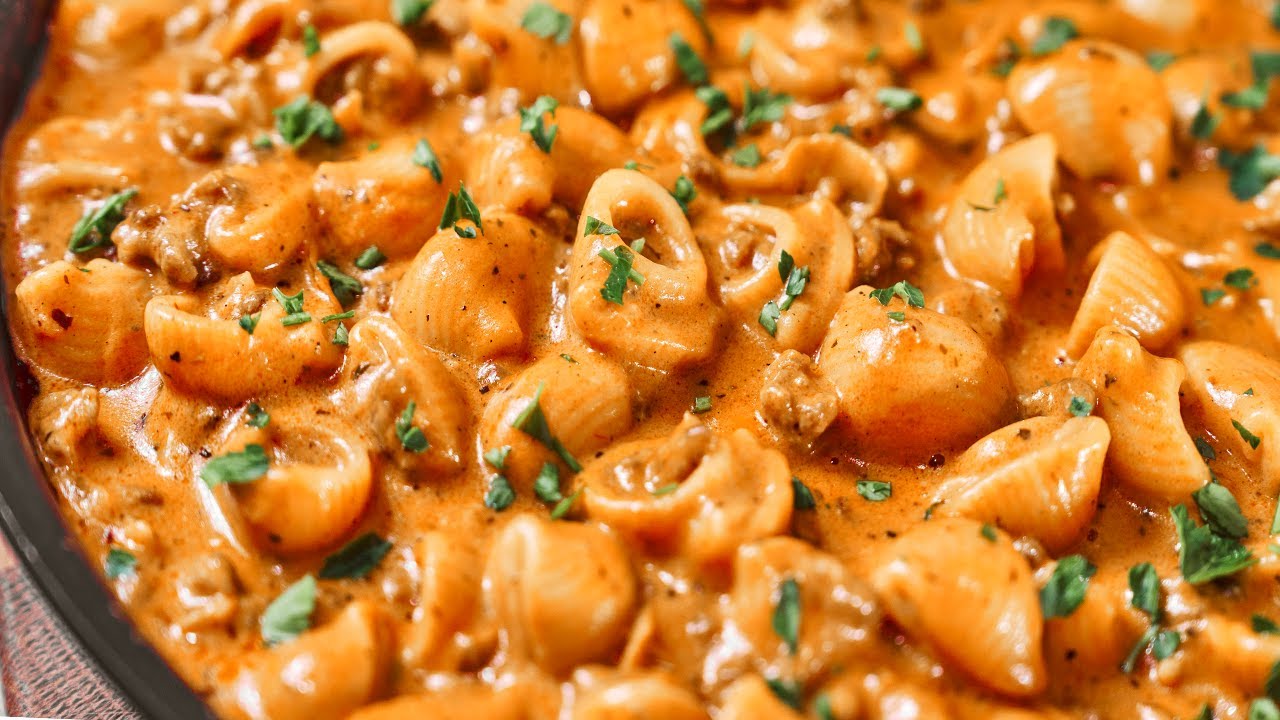
creamy pasta recipes: the ultimate guide
If you’re craving comfort in a bowl, few dishes deliver like creamy pasta recipes. Silky sauces clinging to perfectly cooked strands or shapes of pasta are timeless, versatile, and easier to master than you might think. Whether you prefer a classic Alfredo, a lighter yoghurt-based swirl, or a dairy-free alternative, this guide explains the techniques, ingredients, and tips that make creamy pasta reliable and delicious every time.
In the sections below you’ll learn what makes creamy pasta recipes work, how to create a glossy emulsion, how to choose and balance ingredients, and how to avoid common pitfalls such as split sauces or stodgy results. You’ll also find step-by-step methods, flavour ideas, and dependable recipe formulas to help you build confidence and creativity in your own kitchen.
What creamy pasta recipes have in common
At the heart of most creamy pasta recipes is an emulsion: fat and water combined so that the sauce coats the pasta rather than gathering as a puddle in the bowl. Achieving this is about timing, temperature, and technique more than following a rigid formula. With the right approach, you can get a velvety finish whether you use double cream, crème fraîche, ricotta, egg yolks, mascarpone, olive oil, cashew cream, or even blended vegetables.
The emulsion: your silky-sauce secret
Great creamy pasta relies on emulsifying fat (butter, cream, oil, cheese) with starchy pasta water and the pasta’s surface starch. You combine them over gentle heat, tossing until they thicken and cling. Understanding emulsions helps you troubleshoot and upgrade nearly all creamy pasta recipes; for the science-minded, this overview of how droplets disperse in a stable mix is useful background: explanation of emulsions.


Choosing your “creamy” base
There’s no single way to achieve creaminess. Your options include:
- Double cream or single cream for straightforward richness and body.
- Crème fraîche or Greek yoghurt for tangy, lighter-feeling sauces (add off the heat).
- Mascarpone or ricotta for gentle sweetness and silkiness.
- Cheeses such as Parmesan, Pecorino, or cream cheese for savoury depth and thickening.
- Egg yolks (as in carbonara) for custardy gloss without heavy cream.
- Olive oil and butter, bound with pasta water, for dairy-light options.
- Plant-based swaps like cashew cream, almond cream, or oat cream for vegan cooking.
- Blended vegetables (cauliflower, butternut squash, roast peppers) for creamy texture and extra veg.
Going cream-free (and still creamy)
Some of the most beloved creamy pasta recipes don’t actually use cream. Carbonara, for instance, relies on egg yolks, cheese, and pasta water to create a sauce that’s glossy rather than gloopy. Vegan options use soaked cashews or silken tofu for a similar texture. Puréed vegetables make excellent light sauces that still satisfy those comfort cravings.
Essential kit and store-cupboard staples
You don’t need specialist equipment for creamy pasta recipes, but a few basics help. Use a large pot to give pasta room to move and release starch evenly, plus a wide frying pan or sauté pan to toss pasta with the sauce. A ladle for scooping pasta water, a microplane for finely grating hard cheeses, and tongs or a pasta spoon for easy tossing all make the job smoother.
- Pasta: long shapes (spaghetti, linguine, tagliatelle) for silky sauces; short shapes (penne, rigatoni, orecchiette) for chunkier creamy sauces.
- Fats: butter, olive oil.
- Dairy: double cream, crème fraîche, mascarpone, ricotta, hard cheeses.
- Flavour bases: onions, shallots, garlic, mushrooms.
- Acidity: lemon, white wine (optional), vinegar.
- Herbs and spices: parsley, basil, thyme, nutmeg, chilli flakes, black pepper.
- Pasta water: the liquid gold that makes sauces cling.
A master method for creamy pasta recipes
Follow this adaptable process to make reliable, silky results with a variety of bases and add-ins. It’s the template behind most creamy pasta recipes you’ll cook at home.
- Boil the pasta in generously salted water. Aim for water “as salty as the sea”, which seasons pasta from within.
- Build your flavour base. In a wide pan, gently sweat garlic, shallots, or spring onions in butter or olive oil. Add mushrooms, pancetta, or veg if using, and cook until lightly golden.
- Deglaze (optional). A splash of white wine adds acidity and lifts browned bits; simmer briefly to cook off the alcohol.
- Add your creamy element. For cream-based sauces, pour in the cream; for mascarpone or ricotta, add it with a splash of pasta water. For cream-free versions (egg yolks, yoghurt, crème fraîche), you’ll fold these in off the heat at the end.
- Season thoughtfully. Add salt sparingly (cheese is salty), grind in black pepper, and grate in nutmeg or lemon zest if you like.
- Emulsify with pasta water. Transfer the pasta when just shy of al dente. Add a ladle of starchy pasta water and toss over gentle heat to create a glossy emulsion.
- Finish with cheese and/or butter. Off the heat, stir in finely grated Parmesan or Pecorino to thicken and add umami. A small knob of butter adds shine.
- Adjust consistency. Add more pasta water to loosen, or a touch more cheese to thicken. The sauce should cling, not clump.
- Brighten. A squeeze of lemon or a handful of chopped herbs wakes up the richness.
- Serve immediately. Creamy sauces thicken as they cool; plate promptly for best texture.
Note: if you’re using eggs (as in carbonara), take the pan off the heat before adding them and toss vigorously with pasta water to prevent scrambling. For classic technique and context, see history and method of carbonara.
7 dependable creamy pasta recipes to cook tonight
These formula-style ideas are flexible, friendly to substitutions, and built on the same emulsion principles. Use them as templates for your own creamy pasta recipes.
1) Classic Fettuccine Alfredo
One of the simplest creamy pasta recipes, this showcases butter, cheese, and pasta water working in harmony.
- Cook 320 g fettuccine in well-salted water.
- Meanwhile, gently melt 60 g butter in a wide pan. Add a ladle of pasta water.
- Transfer pasta to the pan; add 80–100 g finely grated Parmesan.
- Toss off the heat, adding pasta water until the sauce turns glossy and coats the strands.
- Season with black pepper and serve immediately.
Explore the roots of this dish and how it evolved in different countries: background on Fettuccine Alfredo.
2) Creamy Mushroom Tagliatelle
Earthy mushrooms and a splash of cream make this weeknight-friendly and elegant.
- Sauté sliced mushrooms in olive oil and butter with garlic and thyme until browned.
- Add a splash of white wine; simmer 1 minute.
- Pour in 150 ml double cream; warm through.
- Toss with cooked tagliatelle, pasta water, and Parmesan until glossy.
3) Lemon Ricotta Spaghetti
Light, bright, and still satisfyingly creamy.
- In a bowl, mix 250 g ricotta, zest of 1 lemon, 30 g Parmesan, and a splash of pasta water.
- Toss with hot spaghetti off the heat; loosen with more pasta water as needed.
- Finish with black pepper and basil.
4) Smoked Salmon and Pea Cream Pasta
A quick, luxurious option that feels special.
- Gently cook peas with a knob of butter and a splash of cream.
- Add chopped smoked salmon off the heat to prevent overcooking.
- Toss with hot pasta, lemon juice, dill, and pasta water for silkiness.
5) Chicken and Spinach Cream Pasta
This family favourite sits firmly among weeknight-friendly creamy pasta recipes.
- Sear sliced chicken until just cooked; set aside.
- Soften garlic and shallot in butter; add 150 ml cream and a handful of spinach.
- Return chicken; add pasta and pasta water. Toss with Parmesan.
6) Penne with Creamy Tomato Vodka Sauce
Penne alla vodka uses cream to mellow acidity and deliver a blushing, velvety sauce.
- Cook garlic and chilli flakes in olive oil; add tomato purée and passata.
- Deglaze with a splash of vodka; simmer to reduce.
- Stir in 120 ml double cream; toss with penne, pasta water, and Parmesan.
7) Vegan Cashew Alfredo
A plant-based superstar that holds its own against traditional creamy pasta recipes.
- Soak 150 g cashews in hot water 30 minutes; drain.
- Blend cashews with 250 ml water, 2 tbsp nutritional yeast, 1 tbsp lemon juice, 1 garlic clove, salt, and pepper until silky.
- Warm gently and toss with spaghetti, adding pasta water to emulsify.
Flavour upgrades and elegant variations
- Herbs and aromatics: parsley, chives, basil, dill, tarragon, thyme, rosemary, lemon zest.
- Umami boosters: anchovies (melt in oil at the start), miso paste, sun-dried tomatoes, mushroom powder.
- Textures: toasted breadcrumbs, pine nuts, walnuts, or crispy pancetta.
- Heat: chilli flakes, Calabrian chilli, black pepper bloomed in oil.
- Veg add-ins: peas, asparagus, spinach, kale, roast peppers, courgette, leeks.
- Protein: prawns, chicken, bacon, salmon, white beans, tofu “bacon”.
Keep balance in mind: rich sauces benefit from acidity (lemon, vinegar, wine) and freshness (herbs). This simple contrast keeps creamy pasta recipes lively rather than heavy.
Nutrition and balance for creamy pasta recipes
Richness is part of the appeal, but balance is key. Serve a modest portion alongside a crisp salad or extra vegetables, and consider lighter “creamy” bases such as yoghurt, ricotta, or blended veg when you want something less heavy. The NHS provides sensible guidance on fats and healthier choices that you can apply in your kitchen: NHS Live Well: Eat well.
Other simple tweaks for creamy pasta recipes:
- Use strong cheeses (Parmesan, Pecorino) sparingly for big flavour.
- Swap double cream for crème fraîche or evaporated milk for a lighter feel.
- Add fibre with wholewheat pasta or legume-based pasta.
- Boost protein with beans, chicken breast, prawns, or tofu to make smaller pasta servings satisfying.
Make-ahead, storage, and reheating
Creamy sauces are best fresh because starch and fat tighten as they cool. If you must prepare ahead, undercook the pasta slightly, keep sauce and pasta separate, and combine just before serving with hot pasta water to revive the emulsion. For leftovers, store in an airtight container in the fridge for up to two days. Reheat gently with a splash of water or milk, stirring until smooth. Vegetarian or dairy-free creamy pasta recipes reheat similarly; egg-based sauces (like carbonara) are less suitable for reheating.
Common mistakes and how to avoid them
- Split sauce: usually too much heat. Add creamy elements off the heat and toss with pasta water to stabilise.
- Blandness: under-seasoned water or skipping acidity. Salt the pasta water and finish with lemon or vinegar.
- Gloopy texture: too little pasta water or too much cheese too fast. Add water gradually and toss until glossy.
- Overcooked pasta: it keeps cooking in the sauce. Transfer when just shy of al dente.
- Greasy finish: not enough emulsion. Vigorously toss with starchy water to bind fats and liquids—as all good creamy pasta recipes require.
Recommended external resources
For technique, background, and broader context around creamy pasta recipes, these resources are helpful:
- History and technique of carbonara for understanding egg-based creaminess without cream.
- Fettuccine Alfredo background for a classic butter-and-cheese emulsion.
- What is an emulsion? for the science underpinning glossy sauces.
- NHS Live Well: Eat well for practical guidance on healthier choices and balancing richer meals.
Related articles
Frequently asked questions about creamy pasta recipes
Do I need double cream for a creamy sauce?
No. While double cream is dependable, many creamy pasta recipes use crème fraîche, ricotta, mascarpone, or even no cream at all (think carbonara’s eggs and cheese). Vegan options like cashew cream or blended cauliflower also work beautifully.
Why does my sauce separate or look oily?
Separation usually means the emulsion broke—often from high heat or insufficient starch. Lower the heat, add a little pasta water, and toss vigorously. Add cheese off the heat and in small amounts, stirring until it melts smoothly.
How much pasta water should I use?
Start with a ladle (about 60–120 ml) and adjust. The goal is a sauce that clings and glazes the pasta. Add more in small splashes, tossing until glossy. This is the cornerstone of most creamy pasta recipes.
Can I make creamy pasta ahead?
It’s best served fresh. If you must prepare ahead, keep sauce and pasta separate, undercook the pasta slightly, and bring them together with hot pasta water just before serving. Reheat gently with extra water or milk.
Is there a lighter way to enjoy creamy pasta?
Yes. Use ricotta, yoghurt, or crème fraîche instead of double cream, add vegetables for bulk, and keep portions modest. Pair with a salad and choose stronger cheeses so you can use less. These tweaks keep creamy pasta recipes satisfying without feeling heavy.
Conclusion on creamy pasta recipes
With a few simple principles—seasoned pasta water, gentle heat, and emulsification—you can master creamy pasta recipes of every kind.
