Glory to god in the highest prayer new version: essential guide
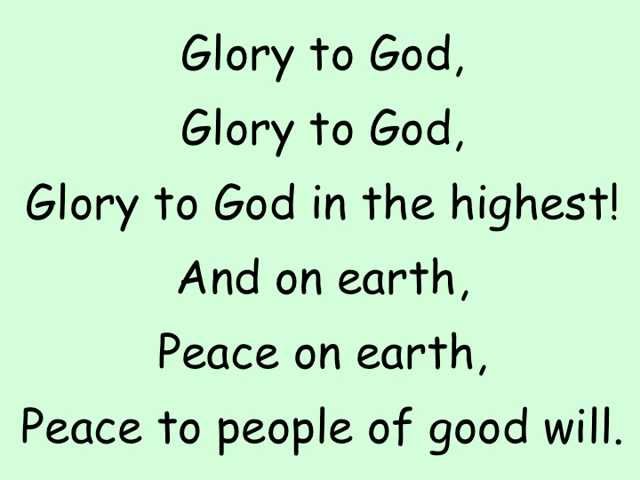
glory to god in the highest prayer new version
The phrase glory to god in the highest prayer new version points to a modern English rendering of one of Christianity’s oldest and most joyful hymns of praise: the Gloria in excelsis. Heard at Mass and in many liturgies, it begins with the angels’ words from Luke 2:14 and unfolds as a sweeping act of adoration to the Father, the Son, and the Holy Spirit. In this guide, we’ll explain what the new version is, why it matters, how to pray it with understanding, and how it differs from older translations, so you can take part with confidence and a full heart.
Whether you’re returning to church, exploring different Christian traditions, or simply want to deepen your prayer life, understanding the glory to god in the highest prayer new version can help your worship sound both informed and heartfelt. We will walk through the text, highlight the meaning behind key lines, and offer practical tips for praying or singing it well.
What is the glory to god in the highest prayer new version?
In many English-speaking churches, especially in the Roman Catholic tradition, “the new version” refers to the translation introduced with the Third Edition of the Roman Missal (implemented in English-speaking countries from 2011). The glory to god in the highest prayer new version restores several biblical and theological nuances from the Latin original (Gloria in excelsis Deo) that earlier translations sometimes paraphrased. It also employs a slightly more elevated register of English to reflect the hymn’s sacred character.
The Gloria is a hymn of praise said or sung on Sundays outside Advent and Lent, on solemnities, and at other festive celebrations. It follows the introductory rites of the Mass and precedes the Collect. The glory to god in the highest prayer new version retains the structure that developed in early Christian worship: an opening angelic proclamation of peace, a rich unfolding of praise, petitions to Christ for mercy, and a concluding doxology honouring the Trinity.
Biblical and historical roots
The first line of the Gloria quotes the angels heralding Christ’s birth: “Glory to God in the highest, and on earth peace …” You can find the scriptural root in Luke 2:14, a verse that Christians have sung and recited since the earliest centuries. For the text itself, see a reliable online Bible in British English such as Luke 2:14 (NIVUK) on Bible Gateway. The rest of the hymn grew as a doxology used in morning prayer and then in the Eucharist, becoming a hallmark of festive worship. A concise overview of the hymn’s history and variants is available at Wikipedia’s article on the Gloria in excelsis Deo.
Why a “new version”?
The 2011 English translation was guided by principles that sought greater fidelity to the Latin text and clearer biblical echoes. For example, the phrase “and on earth peace to people of good will” renders more exactly the Latin “et in terra pax hominibus bonae voluntatis,” replacing 1970s paraphrases such as “and peace to his people on earth.” The revised translation also restored a fuller cascade of verbs of praise—“we praise you, we bless you, we adore you, we glorify you”—to reflect the Latin’s deliberate rhythm. For official background on where the Gloria sits in the liturgy, see the General Instruction of the Roman Missal (GIRM) at the Vatican website: General Instruction of the Roman Missal (English translation).
When and where you’ll hear it
In the Roman Catholic Mass, the glory to god in the highest prayer new version is said or sung on Sundays outside Advent and Lent, on solemnities and feasts, and at special celebrations such as weddings and ordinations. In Anglican and Episcopal churches, the Gloria appears in services such as Eucharist and Evensong, often using either traditional language (“Glory be to God on high”) or a contemporary rendering akin to the new Catholic text. In Eastern Christian traditions, the “Great Doxology” serves a parallel function, though the words and musical style differ. For a wider view of how worship differs across traditions, this concise overview may help: differences between Orthodox and Catholic worship.
Beyond Sunday worship, the Gloria may be used in music ministries, choirs, and prayer groups—especially during the Christmas season and other festivals. Some communities chant it, others use metrical settings, and many sing through-composed musical versions to involve the whole congregation.
The text of the new version: key lines and meaning
While the Gloria is best experienced in full, these highlights from the glory to god in the highest prayer new version illustrate its flow and meaning:
- “Glory to God in the highest, and on earth peace to people of good will.” We begin by echoing the angels’ proclamation and asking that divine peace extend to humanity.
- “We praise you, we bless you, we adore you, we glorify you, we give you thanks for your great glory.” A fivefold surge of reverence—praise, blessing, adoration, glorification, thanksgiving—sets the tone.
- “Lord God, heavenly King, O God, almighty Father.” We address the Father by biblical titles, acknowledging his sovereignty and power.
- “Lord Jesus Christ, Only Begotten Son, Lord God, Lamb of God, Son of the Father.” This compact confession professes Christ’s divinity and his sacrificial role as the Lamb who takes away sin.
- “You take away the sins of the world, have mercy on us … receive our prayer.” Having praised, we now petition, trusting the Risen Christ who intercedes for us.
- “For you alone are the Holy One, you alone are the Lord, you alone are the Most High, Jesus Christ.” The hymn culminates in an exclusive confession of Christ’s lordship.
- “With the Holy Spirit, in the glory of God the Father. Amen.” A Trinitarian seal brings the hymn to a close.
If you wish to compare the current text with older versions, the United States Conference of Catholic Bishops provides a clear presentation in the Order of Mass: Order of Mass: Gloria (USCCB). Even if you attend church in the UK, this page shows the same universal English text adopted in 2011.
How to pray or sing the glory to god in the highest prayer new version
Praying the Gloria is not only about getting the words right; it’s about entering into the prayer’s movement—from awe to praise, then to humble petition, then to a confident doxology. These tips can help:
- Listen first. If the hymn is sung, let the opening bars set the tone. Many parishes use a recurring refrain to help the congregation join in.
- Pray with your posture. Stand upright, breathe deeply, and project your voice. The bodily stance of praise helps your heart respond.
- Emphasise the verbs of worship. As you say the sequence—“we praise, we bless, we adore, we glorify, we give thanks”—allow each to register. You’re offering a full-spectrum response to God’s greatness.
- Pause internally during the petitions. When you reach “you take away the sins of the world,” consciously place your life before the Lord and ask for mercy.
- End with conviction. The final Trinitarian lines are a confession of faith. Speak them clearly, ending with a wholehearted “Amen.”
If you are new to singing in church, start by joining the refrain or the repeated phrases. Over time, you’ll learn the rest simply by participating each week. Choir directors often choose settings that are both reverent and singable, precisely to help the whole congregation take part in the glory to god in the highest prayer new version.
Theology in brief: what we profess
Praise as our first response
The Gloria reminds us that praise is the natural response to God’s initiative. God acts; we respond. The hymn puts praise first, then thanks, before any petition appears.
Christ at the centre
Calling Jesus the “Only Begotten Son” and “Lamb of God” connects the hymn to core Christian beliefs: the Incarnation, the Trinity, and redemption through Christ’s death and resurrection. The glory to god in the highest prayer new version deliberately restores these biblical titles, deepening the Christ-centred focus.
Mercy and intercession
The triple plea—“have mercy on us … receive our prayer … have mercy on us”—comes after we have adored the Father and named who Jesus is. That order teaches us: confident petition flows from right praise.
Trinitarian conclusion
The Gloria closes by naming the Holy Spirit and the Father, glorified together with Christ. This is the heart of Christian worship: we glorify the Father, through the Son, in the Holy Spirit.
What changed and why in the glory to god in the highest prayer new version
Compared with earlier English versions from the 1970s, several changes stand out:
- “Peace to people of good will” replaces “peace to his people on earth,” echoing more closely the Greek and Latin sources of Luke 2:14.
- A fuller sequence of praise—“we praise you, we bless you, we adore you, we glorify you”—replaces abbreviated paraphrases.
- “Only Begotten Son” replaces “only Son,” highlighting a biblical-theological nuance (see John 1:14, 18).
- “Most High” and other formal titles return to reinforce a sacral tone befitting prayer addressed to God.
These changes aim to recover scriptural echoes and a more formal register without making the text inaccessible. If you want a wider context for how the Church sets out the parts of the Mass, the Vatican’s General Instruction of the Roman Missal is a helpful, authoritative reference.
Common mistakes to avoid with the glory to god in the highest prayer new version
- Merging old and new lines. If you learned an older paraphrase, rehearse the updated phrases so you don’t drift between versions.
- Rushing the verbs of praise. The line of verbs is meant to unfold; let each word land.
- Using the Gloria in penitential seasons. In Advent and Lent, the Gloria is usually omitted on Sundays. Check your parish or tradition’s custom.
- Turning a hymn of praise into a plea for things. The Gloria does include petitions for mercy, but its heart is adoration and thanksgiving.
- Overcomplicating musical settings. If you lead music, choose settings that the assembly can sing after one or two hearings.
Short versions and children’s catechesis
You may encounter simplified paraphrases in children’s services or school assemblies. These can be useful introductions, but they are not substitutes for the liturgical text used at Mass. Even with children, introducing the cadence and key lines of the glory to god in the highest prayer new version helps them grow into the Church’s common prayer.
Using the Gloria at home: personal and family prayer ideas
Although the Gloria belongs especially to liturgical worship, you can still pray it privately. Here are a few ideas:
- Morning praise. Use the Gloria after reading Luke 2:8–20 to anchor your day in worship.
- Family prayer. Teach the refrain and add a simple melody; children often remember sung words more easily.
- Pair with devotions. After the Rosary or another devotion, conclude with the glory to god in the highest prayer new version to re-centre on praise.
- Balance with mercy-focused prayers. For a complementary devotion that intercedes for the world, see this guide to the Divine Mercy Chaplet prayer.
Musical settings and participation
Parishes often choose a setting that matches the season—bright and festive in Eastertide, more subdued in Ordinary Time. If you struggle to follow, try focusing on phrases repeated by the assembly. Over time, you may come to know two or three familiar settings of the glory to god in the highest prayer new version, which makes participation easier whenever you visit other churches.
Choir leaders can support the assembly by announcing if a different setting will be used, printing a refrain in the order of service, or rehearsing the melody before Mass. The aim is always the same: to help the whole congregation make the Gloria its own prayer of praise.
How to introduce the new version to a parish
For parish teams or volunteers helping others adapt to the glory to god in the highest prayer new version, a simple plan works best:
- Explain the “why”. Share in two minutes the reasons for the translation and the biblical echoes restored.
