Prayer for the Sick Elderly: Essential Guide with 7 Effective Prayers
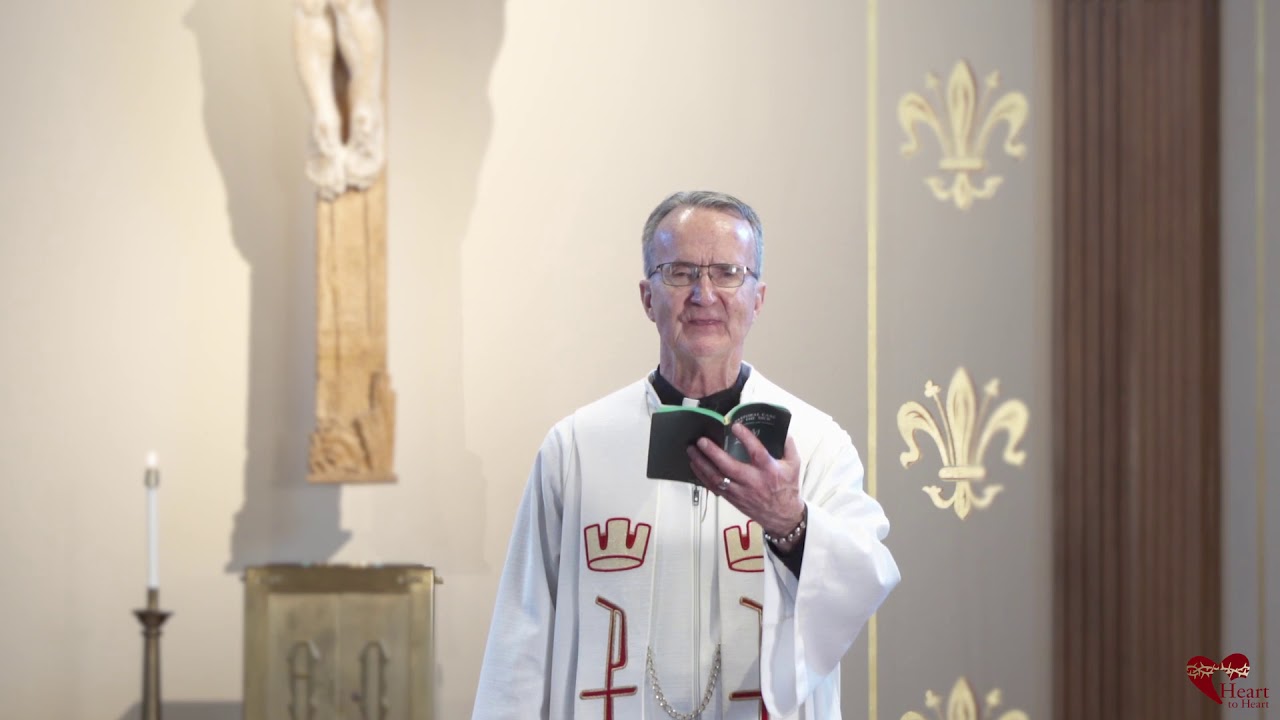
Prayer for the sick elderly: meaning, examples and gentle guidance
For families, carers and church communities, prayer for the sick elderly can be both a comfort and a practical way to show love. It offers words when we cannot find our own, hope when days feel heavy, and a calm presence that supports body, mind and spirit. Whether you are new to faith, returning after time away, or simply looking for gentle words to share at a bedside, this guide provides clear explanations, examples, and pastoral tips you can use today.
Although there is no single “right” way to pray, there are thoughtful patterns and simple steps that make prayer for the sick elderly more natural and more helpful. You will find short prayers you can read aloud, ideas for creating a peaceful space, and advice for situations such as memory loss or end-of-life care. You will also find links to trustworthy resources and guidance from respected churches and health organisations.
What is prayer for the sick elderly?
At its heart, prayer for the sick elderly is a compassionate conversation with God on behalf of an older person who is unwell, in pain, or nearing the end of life. It can be as short as a few quiet words or as structured as a familiar liturgy. The aim is not to force outcomes but to rest in God’s presence, ask for mercy and healing, and offer companionship through uncertainty.
For many older people, prayer draws on a lifetime of faith. Familiar words and rhythms soothe the mind, even when memory fades. For others, prayer may be new yet still deeply welcome. In either case, prayer for the sick elderly offers dignity, respect and peace, recognising that each person is more than their diagnosis and remains valued and loved.


Why this form of prayer matters in later life and illness
The later years can bring loss: of independence, of friends, of confidence, even of language. During illness, pain can cloud thinking and fear can rise. Prayer helps to steady the heart. It validates the person’s story, acknowledges their feelings and places them within a larger hope. When pain relief and clinical care are already in place, prayer for the sick elderly adds a layer of spiritual and emotional care that many families treasure.
Alongside professional support (for example, guidance from the NHS on end-of-life planning and comfort), prayer can soften anxiety, affirm meaning, and enhance connection. For helpful medical context, see the NHS overview of end of life care, which you can integrate with your spiritual support.
How to offer prayer for the sick elderly
Prepare a gentle space
- Check the person’s wishes first. Ask if they would like a prayer now, later, or not at all.
- Reduce noise. Lower the volume on televisions or radios and switch off harsh lights if possible.
- Bring simple comforts: a glass of water, a blanket, a photo, or a small cross or rosary if appropriate to the person’s tradition.
- Invite those present to pause for a few breaths. Silence can be part of prayer for the sick elderly.
Follow a simple structure
You do not need to memorise long texts. A straightforward pattern keeps everyone at ease:
- Greeting and consent: “Hello, may I pray with you for a moment?”
- Short gratitude: “Thank you, Lord, for the gift of [Name] and for this day.”
- Petition: specific requests for comfort, courage, pain relief, or sleep.
- Scripture or a trusted phrase: a line repeated slowly.
- Blessing: ask for peace for the person and any carers or family present.
- Closing: “Amen,” or another suitable closing in line with the person’s faith.
Short sample prayers you can use
- For comfort: “God of compassion, hold [Name] in your gentle care. Ease pain, calm fear, and fill this room with your peace. Amen.”
- For sleep: “Loving Lord, grant [Name] deep rest tonight. Quiet every worry and surround them with your presence. Amen.”
- For courage: “Faithful God, strengthen [Name] for this day. Give courage for each step and hope that does not fade. Amen.”
- For families and carers: “Merciful God, bless those who care for [Name]. Renew their strength, give patience and kindness, and keep them in good health. Amen.”
- When memory fades: “Lord, even when words slip away, your love remains. Hold [Name] close and let them feel safe and known. Amen.”
- When nearing the end of life: “God of mercy, be near to [Name]. Give gentle passage, release from pain, forgiveness, and everlasting light. Amen.”
Scripture and familiar phrases
Short verses often work best. Many find comfort in the reassurance of Zephaniah: “The Lord your God is with you, He is mighty to save.” For a brief reflection on this promise, see our reflection on Zephaniah 3:17. The Psalms, the Lord’s Prayer, and simple litanies can also support prayer for the sick elderly, especially when energy is low.
For set prayers in accessible language, the Church of England offers a helpful collection of prayers for illness and healing: prayers for the sick and those who care for them. If you are from a Catholic background, you may appreciate the steady rhythm of the Divine Mercy devotion; you can follow a clear guide here: how to pray the Divine Mercy Chaplet.
Specific intentions when offering prayer for the sick elderly
To keep prayer for the sick elderly personal and meaningful, name the concerns that are actually present. You might include:
- Pain relief and comfort: ask for wise medical care and gentle rest.
- Anxiety and fear: pray for deep calm, assurance and freedom from panic.
- Loneliness: invite a sense of God’s nearness and companionship from others.
- Confusion or dementia: emphasise security, familiar love, and God’s unchanging presence.
- Sleep and appetite: ask for restored rhythms that nourish body and mind.
- Relationships: seek patience, forgiveness and tender words among family and friends.
- Carers: ask for strength, respite, and practical support.
- Meaning and gratitude: give thanks for memories, achievements and the person’s unique gifts.
- Preparing for death: pray for peace, reconciliation, and trust in God’s mercy.
Working with different traditions and sensitivities
Prayer for the sick elderly should be shaped by the person’s beliefs. Some will welcome a formal prayer; others prefer quiet presence. With Christians, you may include a short Bible verse or the Lord’s Prayer. With those from other faiths, ask which words bring comfort and, if appropriate, invite them to lead. Where beliefs are mixed in families, agree a gentle approach: a moment of silence, followed by a simple blessing that respects everyone present.
In some traditions, the sacrament of Anointing of the Sick is important. Where desired, contact a priest or minister. For a Catholic explanation of this sacrament’s meaning and purpose, see the Catechism on the Anointing of the Sick.
Supporting body, mind and spirit together
Prayer is not a substitute for medical care; it complements it. Keep loved ones informed, encourage regular reviews with the GP, and seek palliative support when appropriate. Practical help—meals, transport, listening, and advocacy—embodies the care you voice in prayer. For reliable guidance on services and entitlements, organisations such as Age UK’s end-of-life information offer clear, up-to-date advice useful alongside prayer for the sick elderly.
Older people living with life-limiting illness, and their families, may also benefit from specialist palliative charities, which can work hand in hand with prayer and pastoral care to bring comfort and clarity during a difficult time. Marie Curie’s overview of support is a good starting point: practical and emotional support for terminal illness.
Common mistakes to avoid when leading a prayer for the sick elderly
- Talking too long: keep prayers short, especially if the person tires easily.
- Making promises you cannot keep: pray with hope, not guarantees.
- Ignoring the person’s wishes: always ask permission and be ready to pause or stop.
- Using complex language: choose familiar words and slow pacing. Prayer for the sick elderly works best when simple.
- Overcrowding the room: limit visitors; create calm.
- Rushing: begin with a pause, end with a soft “Amen,” and allow quiet after.
- Forgetting carers: include the needs of those who provide daily support.
Step-by-step guides you can follow
At the bedside
- Introduce yourself and ask permission: “Would a short prayer be welcome?”
- Hold a hand if invited; otherwise sit within view.
- Name the person and today’s needs: comfort, rest, courage.
- Use one short verse or phrase repeated slowly.
- Close with a blessing for the person and any staff or carers nearby.
By phone or video
- Check the best time to call to avoid fatigue.
- Begin with gentle conversation; then offer a brief prayer.
- Keep it under two minutes. End with reassurance and a follow-up time.
In a small group
- Explain the plan: two or three brief prayers with silence between.
- Invite participants to add one sentence each if they wish.
- Conclude with a familiar communal prayer to unify the group.
Writing your own prayer for the sick elderly
Personal words often mean the most. A simple template can help:
“Loving God, thank you for [Name]. You know their needs today: [name two or three]. Give them [comfort/courage/rest]. Be close to [family/carers]. Surround this room with your peace. Amen.”
You can adapt it with a meaningful memory, a favourite hymn line, or a cherished place: “as steady as the sea at Whitby” or “as warm as your Sunday kitchen”. This makes prayer for the sick elderly specific, loving and real.
Examples of short thematic prayers
Prayer when pain is severe
“God of mercy, ease [Name]’s pain. Guide doctors and nurses; grant wise treatment and deep rest. When pain returns, give strength to endure and hope for relief. Amen.”
Prayer for peace of mind
“God of peace, quieten every anxious thought. Let [Name] feel safe, protected and held. Keep fear far away and bring calm to this moment. Amen.”
Prayer of gratitude at day’s end
“Gracious God, thank you for this day. For kindness received and small joys remembered. Watch over [Name] tonight and bring a bright morning. Amen.”
Prayer for reconciliation
“Lord of mercy, where there has been hurt or distance, bring healing. Help us speak with kindness, forgive freely, and cherish each other. Amen.”
Linking prayer with Christian memory and devotion
Many older Christians have prayed well-known devotions for decades. If appropriate, you might use one decade of the rosary, the Lord’s Prayer, or quiet repetitions of “Jesus, mercy”. For a calm, rhythmic devotion that highlights trust in divine compassion, see this clear guide to praying the Divine Mercy Chaplet. Repeating a brief scripture—such as the promise in Zephaniah 3:17—can centre prayer for the sick elderly when words are few.
Recommended external resources
- Church of England prayers for the sick and carers – simple, dignified texts suitable at home or in hospital.
- NHS: End of life care – practical medical guidance to combine with pastoral and spiritual support.
- Catechism of the Catholic Church: Anointing of the Sick – background on the sacrament and its consolations.
- Age UK: End of life information – clear advice for families navigating decisions and services.
Related articles
Frequently asked questions about prayer for the sick elderly
How long should a bedside prayer be?
Short is best—often 20 to 60 seconds. Illness can make concentration and breathing difficult. Pause between sentences and keep your voice gentle. If the person wishes, you can pray again later. Prayer for the sick elderly works well in brief, regular moments.
What if the person seems unsure about faith?
Ask what would feel helpful. You can offer a moment of silence, a blessing such as “May you know peace,” or a single line like “You are loved.” Respect is key. Prayer for the sick elderly should never be pressured or used to argue about beliefs.
Can we pray over the phone?
Yes. Keep it short and clear, and choose a quiet time. Begin with “May I pray with you now?” and conclude by checking how the person feels. For many who are isolated, phone or video can make prayer for the sick elderly accessible and reassuring.
Which scriptures are good when memory is failing?
Short, familiar lines work well: “The Lord is my shepherd,” “Be still and know,” or “Do not be afraid.” Repeat slowly. Pair with gentle touch if welcomed. Scripture can anchor prayer for the sick elderly when other words are difficult.
Is it appropriate to ask for healing?
Yes, but hold healing together with comfort, courage and peace. Pray for wise treatment and relief from pain, and entrust outcomes to God’s mercy. Honest prayer for the sick elderly honours both hope and the reality of illness.
How can we include carers in prayer?
Name them. Ask for renewed strength, patience, and good rest. Thank God for their dedication. Prayer for the sick elderly is complete when it embraces those who provide daily care.
Conclusion on prayer for the sick elderly
Prayer for the sick elderly is a tender, practical gift. It requires no special equipment or expert status—only attention, respect and love. With a few simple steps, you can create a peaceful moment, speak honest requests, and leave space for quiet. The result is often felt immediately: calm breathing, eased worry, a sense that no one is facing illness alone.
Whether you use a brief Bible verse, a familiar devotion, or your own words, keep the person’s needs at the centre. Combine spiritual care with good medical support and practical help. In this way, prayer for the sick elderly becomes part of a whole pattern of care that honours the dignity, story and faith of the one you love.
As you accompany an older person through illness or frailty, return to these simple patterns whenever you need them. A short, sincere prayer for the sick elderly—spoken with kindness—can restore peace, kindle hope and remind everyone present that love remains stronger than fear.
