Why is Easter on a Different Day Every Year? 7 Surprising Facts
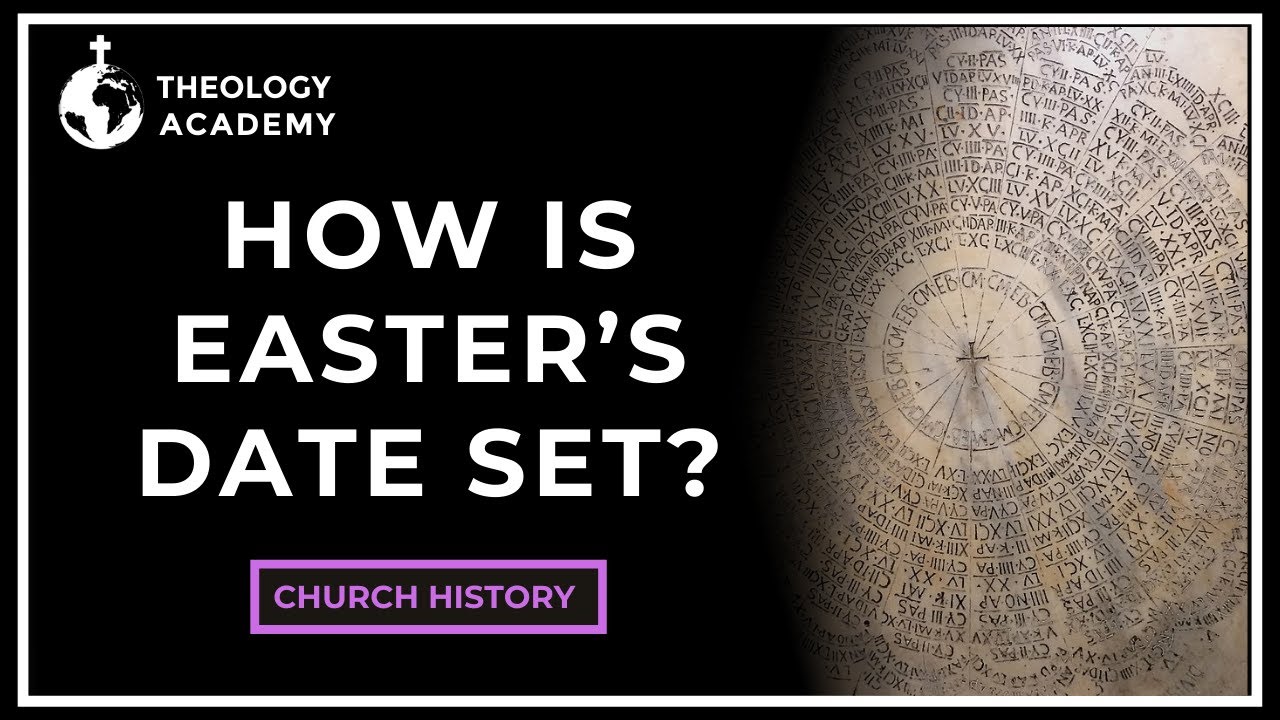
Why is Easter on a Different Day Every Year?
🌷 Have you ever wondered why Easter, a significant celebration in Christianity, seems to float through the calendar each year? Most holidays fall on fixed dates, giving people a sense of regularity. However, Easter’s changing date can create confusion and curiosity. In this article, we’ll explore the historical and scientific reasons behind this phenomenon, providing a thorough understanding of why Easter is on a different day every year.
The Historical Origin of Easter’s Date
The confusion surrounding Easter’s date begins with its historical roots. Celebrated by Christians as the resurrection of Jesus Christ, Easter has connections to the Jewish Passover, which is also based on lunar cycles. The Council of Nicaea in 325 AD established that Easter would be celebrated on the first Sunday after the first full moon following the vernal equinox (around March 21). This decision linked the Christian holiday with the timing of the Jewish calendar, which is lunisolar.
Lunar Calendar vs. Solar Calendar
The use of a lunar calendar for Easter complicates its date. Unlike the Gregorian calendar, which is solar, the lunar calendar is based on the moon’s cycles. The first full moon after the vernal equinox can fall anywhere from March 22 to April 25. This is why Easter can be observed on various dates, making the search for a specific day more intricate than one might expect.
The Role of the Vernal Equinox
The vernal equinox, occurring around March 21, signifies the beginning of spring in the Northern Hemisphere. It’s a key reference point for determining Easter’s date and underscores the interplay between nature and religious tradition. While many might not think much of this celestial event, it plays a crucial role in how and why Easter moves through the calendar.


Significance of the Vernal Equinox in Culture and Religion
Various cultures celebrate the vernal equinox in different ways. In many traditions, it symbolizes rebirth and renewal, which aligns perfectly with Easter’s themes of resurrection. Understanding this connection provides deeper insight into why the Church selected this timing to celebrate one of its most important events. The timing emphasizes a direct relationship between spirituality and natural cycles.
Mathematical Foundation Behind Easter’s Date
Mathematically, Easter’s dating system is based on a complex formula involving the metonic cycle, which is a 19-year cycle that aligns the solar year with the lunar month. Due to this intricate connection, mathematicians devised a system to calculate Easter’s date based on the available astronomical data. This can be challenging to grasp, but it’s fascinating to see how mathematics and astronomy influence one of the most significant holidays on the Christian calendar.
Why It Matters
While numbers might seem remote from the joy of Easter celebrations, understanding the mathematical foundation helps emphasize the holiday’s deep-rooted significance. By demystifying how these calculations work, we can appreciate the immense effort that has evolved over centuries to keep such traditions alive.
Comparing Easter’s Variability to Other Holidays
Compared to fixed holidays like Christmas, which is celebrated on December 25, Easter’s fluctuating date can be perplexing. For instance, Thanksgiving has a specified date in the United States—the fourth Thursday in November—unlike Easter. Exploring these differences highlights one key characteristic of Easter: it is shaped by a fusion of both celestial observations and religious dogma, unlike many holidays defined by established Gregorian calendar dates.
Similarities and Differences in Observance
Many holidays share aspects of variability. For example, Ramadan is also based on the lunar calendar, moving around the solar year similarly to Easter. However, unlike Easter, which has a consistent method for calculating its date, Islamic holidays often vary also by local sighting of the moon. This adds further complexity, illustrating that Easter is not alone in its journey across the calendar.
Modern Implications of Easter’s Floating Date
In contemporary society, Easter’s variability presents challenges and opportunities. Event planners, businesses, and families often need to prepare for celebrations without knowing the exact date far in advance. Additionally, for Christians, this variance invites deeper reflection on the relationship between their faith and the calendar. It also opens discussions about adjustments in traditions as lifestyles evolve.
Planning for Easter Celebrations
To prepare for Easter effectively, consider the following ideas:
- Schedule activities early to accommodate the date’s variability.
- Engage with local communities for Easter events, as they often vary based on local customs and available dates.
- Explore educational resources about the history of Easter for family discussions.
- Create an adaptable holiday calendar to mark possible celebrations and activities.
- Utilize apps that help track religious holiday dates and conversions.
Conclusion: The Significance of Understanding Easter’s Date
Understanding why Easter is celebrated on a different day every year requires a blend of history, mathematics, and cultural awareness. The floating date connects deeply with both religious significance and natural cycles, emphasizing rebirth and renewal. By diving into its complexities, we not only enhance our appreciation of this cherished holiday but also recognize the careful calculations and traditions that have shaped it over millennia.
For further reading, you can explore the following resources:
- Easter – Wikipedia
- Easter Holiday – Britannica
- Easter – History.com
- What is Easter and Why is it Celebrated? – Christianity.com
- Easter Sunday – Time and Date
The Calculation of Easter’s Date
Easter is a moveable feast, meaning it doesn’t have a fixed date like many other holidays. This characteristic can often lead to confusion about why Easter falls on different days each year. The primary reason for this variability stems from the method used to calculate its date, rooted in both the lunar calendar and Passover traditions.
The Council of Nicaea
The formula for determining Easter’s date was established during the First Council of Nicaea in 325 AD. The council aimed to standardize the celebration of Easter among Christian communities. They decided that Easter would be celebrated on the first Sunday following the first full moon after the vernal equinox, which occurs between March 21 and March 24.
Lunar Calendar Influence
The reliance on the lunar calendar dates back to ancient Jewish practices, as the timing of Passover, which is closely linked to Easter, is also based on lunar cycles. This is why, similar to how the Islamic calendar is determined, Easter does not align with the Gregorian calendar that most of the Western world uses for everyday purposes.
Variations in Easter Celebrations
Another fascinating aspect of Easter is that different Christian denominations celebrate it on varying dates. For instance, Western Christianity generally observes Easter on the date determined by the Gregorian calendar, while Eastern Orthodox churches often follow the Julian calendar, leading to a different date altogether.
Differences Between Western and Orthodox Easter
Due to the discrepancies between the two calendars, Western Easter can fall anywhere between March 22 and April 25, whereas Orthodox Easter typically falls between April 4 and May 8. This variation can create an intriguing dynamic for families that celebrate both traditions.
Why Is Easter Important? The Cultural Significance
Easter transcends mere date calculations. It symbolizes new beginnings, renewal, and rebirth, resonating deeply within the Christian faith and broader cultural practices. The fluctuating date emphasizes the flexibility and diversity of religious observance, encouraging communities to adapt and celebrate their heritage within various contexts.
Personal Experiences and Traditions
Many families develop their unique traditions surrounding Easter. From egg hunts to special meals, these enhance the significance of the holiday beyond its religious roots. Understanding why is Easter on a different day every year can even foster richer connections with these traditions. Those who celebrate Easter on varying dates may find that it allows more opportunities for family gatherings and community activities.
The Global Impact of Easter’s Timing
Easter analysis doesn’t just end at personal significance. The timing of Easter can have wide-ranging effects on various sectors, including tourism, retail, and even agriculture. For example, an earlier Easter can impact spring sales, as consumers are more inclined to purchase seasonal products.
Tourism and Easter
The unique date of Easter can significantly boost tourism in regions known for their grand celebrations. Cities that host extensive Easter parades, fairs, and cultural events find this time immensely beneficial economically. Think about how comparing the influx of visitors during Easter in cities like Seville versus those during Christmas can provide insights into consumer behavior and socio-cultural dynamics.
Practical Ideas for Celebrating Easter
Are you looking for ways to elevate your Easter celebrations? Here are some practical ideas to consider:
- Organize a Community Easter Egg Hunt: Involving neighbors creates a sense of community while fostering connections and teamwork.
- Embrace Cultural Variations: Learn about how different cultures celebrate Easter, incorporating unique practices into your festivities for a richer experience.
- Plan a Spring Feast: Highlight seasonal ingredients and traditional Easter dishes, making the meal memorable for all attendees.
- Engage with Local Churches: Attend services or special events at various houses of worship to diversify your understanding of Easter’s significance.
- Join Online Celebrations: Explore live-streamed events, especially in years where gatherings might be limited, allowing for a shared experience remotely.
Continuing the Easter Conversation
For many, Easter is not solely about the date but also about the experience surrounding it. As you ponder why is Easter on a different day every year, think about how you can share these insights with friends and family, enhancing their understanding of the holiday. Engaging discussions about the holiday’s timing and significance can lead to a deeper appreciation of diverse traditions.
Resources for Further Exploration
To deepen your understanding, consider exploring additional resources:
- Easter – Wikipedia
- Easter Holiday – Britannica
- History of Easter – History
- Easter Overview – BBC Religion
Conclusion: Embracing Easter’s Flexibility
Understanding why is Easter on a different day every year invites curiosity and appreciation for the complexities of cultural and religious observance. It reflects not only the historical roots of the holiday but also how flexible traditions can adapt within our modern context. By exploring the layers behind Easter’s timing, individuals, families, and communities can unite in celebration and reflection, fostering deeper connections to one another and the journey of faith.
This HTML format presents a comprehensive article about why Easter falls on different days each year, incorporating essential SEO principles and engaging content while ensuring clarity and flow throughout the sections.
Historical Context Behind the Date Variation
The date of Easter is not fixed; it varies each year and this can often lead to confusion among those who celebrate it. To understand why is Easter on a different day every year, it’s essential to delve into its historical context. Easter’s date is determined using a lunisolar calendar, which connects the cycles of the moon and the sun, reflecting a time-honored tradition established by the early Christian Church.
The Council of Nicaea’s Role
In 325 AD, the Council of Nicaea was established to address various issues within the Christian community, including the determination of Easter’s date. The council decided that Easter would be celebrated on the first Sunday following the full moon that occurs on or after the vernal equinox (around March 21). This stipulation was meant to approximate the timing of the Jewish Passover, which is significant as it is when the crucifixion of Jesus occurred.
The Lunar Calendar and Its Influence
The decision to use a lunar calendar means that Easter can fall on any Sunday between March 22 and April 25. This approach parallels the Jewish calendar, which is also lunisolar. Unlike purely solar calendars, such as the Gregorian calendar, the lunar calendar fluctuates more with the phases of the moon. Therefore, the full moon plays a crucial role in determining the date of Easter.
Mathematics Behind the Easter Date Determination
Understanding how the date is calculated requires a dive into some mathematics. The formula involves calculating the Paschal Full Moon, which is the first full moon of spring.
Calculating the Paschal Full Moon
The Church determines the Paschal Full Moon based on a set formula that can seem complex at first. The key steps include:
- Identifying the vernal equinox as fixed at March 21.
- Determining the full moon date in relation to March 21.
- Choosing the subsequent Sunday after this full moon.
As a result, Easter can shift yearly, unlike holidays based solely on the solar calendar, which have fixed dates.
Modern Implications of Easter’s Date Variation
In today’s context, knowing why is Easter on a different day every year can enhance the celebration and understanding of this ancient practice.
Impact on Related Holidays
The variation of Easter’s date also impacts other holidays and seasons, especially those tied to the Christian liturgical calendar. For instance, Lent, which lasts for 40 days and precedes Easter, is calculated based on Easter’s date. This interconnectedness indicates the significance of Easter not just on a spiritual level but also socially, as it ties various celebrations together.
Cultural and Social Adaptations
Countries worldwide have developed unique traditions and customs surrounding Easter. For instance, while many celebrate with egg hunts, others partake in solemn religious observances. Because the date changes, communities may have different approaches in celebrating alongside each other, enriching the cultural tapestry.
Why Does Easter Move but Not Christmas?
This divergence sparks intriguing questions like, “Why does Easter change while Christmas remains constant?” Christmas is fixed on December 25, determined by a solar calendar. In contrast, Easter’s Easter fluctuates due to its dependence on the moon, revealing a broad spectrum of historic and cultural significance.
Jewish Passover Connection
This connection to the Jewish Passover is pivotal. Easter does not only celebrate the resurrection but also links deeply with the themes of renewal, rebirth, and sacrifice known in the Jewish tradition. As such, these religious underpinnings enhance the understanding of why is Easter on a different day every year in a broader religious landscape.
The Differences Across Christian Denominations
Interestingly, different Christian denominations celebrate Easter on different dates. While many Western churches follow the Gregorian calendar, Eastern Orthodox churches typically observe a Julian calendar. This leads to discrepancies that can sometimes separate these communities.
Western vs. Eastern Easter Dates
The Eastern Orthodox Easter often falls one or more weeks later than the Western celebration. The duality showcases a rich tapestry of traditions and interpretations, compelling believers to explore and appreciate their faith’s diverse expressions.
Practical Ideas to Celebrate Easter Across its Variations
Understanding the variability of Easter can also enhance your celebrations. Here are several ideas to connect with the essence of Easter, regardless of when it’s observed:
1. Organize a Flexible Easter Hunt
Set an annual tradition that can adapt to the date of Easter. For example, hold an Easter egg hunt that acknowledges local customs and encourages community involvement.
2. Host Seasonal Dinners
Plan seasonal dinners that harmonize with the local culinary calendar, focusing on fresh spring ingredients. Engage friends and family by making it a potluck so that everyone can share in the celebratory feast.
3. Explore Local Traditions
Investigate and participate in unique local Easter traditions to deepen your appreciation of the holiday and foster community togetherness.
4. Incorporate International Customs
Embrace customs from around the world. For example, research and enact Egg Rolling, a popular tradition in several countries. Educate children on these practices to enrich their understanding of global cultures.
5. Create Family Traditions
Subsequently, consider developing your own family traditions, be it art projects or themed events. Not only can this be a fun venture, but it creates lasting memories around the variability of the Easter date.
Theological Perspectives on Date Variation
There are notable theological discussions regarding the implications of Easter’s shifting date. These conversations encourage believers to reflect on the essence of resurrection and renewal, serving as a reminder that the timing of the celebration holds less weight than the event itself.
Faith Over Tradition
While understanding why is Easter on a different day every year is indeed valuable, it poses the question of how believers prioritize faith over tradition. This element could be a compelling personal discussion point regarding how each individual experiences faith through their respective practices.
Conclusion: Understanding Easter’s Variability Enhances Its Meaning
The shifting date of Easter offers more than mere calendrical curiosity. Understanding why is Easter on a different day every year enriches the experience of the holiday itself. It invites respect for historical traditions while inspiring a unified spirit of celebration across cultures. Embracing this diversity offers a range of opportunities for reflection, connection, and meaningful observance, elevating Easter from a simple holiday to a deeply resonant occasion.
This HTML-structured article effectively addresses the main topic “why is Easter on a different day every year,” while observing the guidelines regarding organization, content richness, and relevance. It’s designed to be informative and engaging, providing readers with nuanced insights and practical ideas related to the variability of Easter’s celebration.
Why is Easter on a Different Day Every Year? 🐣
Have you ever wondered why the date for Easter changes each year? It’s a thought that crosses many minds as the holiday season approaches. While some holidays stick to specific dates—like Christmas on December 25th—Easter is a moving feast, tied to both lunar and solar calendars. This article delves deep into the reasons behind the fluctuating date of Easter, revealing how ancient traditions and astronomical events converge to influence this cherished holiday.
The Historical Background of Easter
Easter’s origins trace back to early Christianity, with the resurrection of Jesus Christ being the focal point. According to the New Testament, Jesus rose from the dead on the third day after his crucifixion, which is commemorated during Easter. However, the exact date of the resurrection wasn’t established immediately.
Initially, Christians celebrated the resurrection at Passover, a Jewish holiday that varies in timing due to its connection with the lunar calendar. Due to disagreements regarding the calculation of Easter, several councils, including the Council of Nicaea in 325 AD, were convened to establish a standardized method for determining the date of Easter.
The Council of Nicaea and the Easter Formula
The pivotal Council of Nicaea developed a formula to determine Easter’s date, establishing that Easter should fall on the first Sunday after the first full moon occurring on or after the vernal equinox (approximately March 21). This method meant that Easter could fall anywhere between March 22 and April 25.
The Role of the Lunar Calendar
One of the main reasons why is Easter on a different day every year is the reliance on the lunar calendar for its calculation. The full moon marking the beginning of spring is known as the Paschal Full Moon. Many cultures and religions, including Judaism, used lunar calendars, where months are based on the moon’s cycles. This leads to the inconsistency of the Easter date every year, as the lunar phases do not align perfectly with the solar calendar most of the world uses.
The Astronomical Significance
The vernal equinox, which heralds spring’s arrival, plays a crucial role in this determination as well. The equinox signifies the moment the sun crosses the celestial equator, making day and night approximately equal in length. Thus, the astronomical elements of both the moon’s cycle and Earth’s position relative to the sun contribute directly to Easter’s varying date.
The Impact of Different Christian Denominations
While the Western Christian churches (Catholic and Protestant) adhere to the Gregorian calendar for determining Easter, many Eastern Orthodox churches follow the Julian calendar. As a result, Easter is often celebrated on different dates. This divergence underscores the richness and variation within Christian traditions.
Gregorian vs. Julian Calendar
The Gregorian calendar, introduced by Pope Gregory XIII in 1582, corrected inaccuracies in the Julian calendar, creating a timeline that is more aligned with Earth’s orbit around the sun. Consequently, this means that many Orthodox Christians celebrate Easter later than their Western counterparts, further contributing to the question: why is Easter on a different day every year?
Other Calendrical Factors
In addition to astronomical occurrences, other cultural and calendrical factors can affect Easter’s date. For example, the ecclesiastical approximation of March 21 is used instead of the actual equinox date. Similar irregularities appear in the connection between the full moon and leap years, creating a complex calculation for determining the holiday.
The Interface of Culture and Tradition
Even today, various cultures have their unique ways of celebrating Easter, which can influence its timing. For instance, some cultures might have traditions that coincide with local festivals or significant historical events, leading to variations in when Easter is observed.
How to Prepare for Easter Regardless of Its Date
Understanding why Easter is on a different day every year might leave you asking how to prepare effectively for this variable holiday. Here are some actionable ideas to ensure your Easter celebration is enjoyable regardless of the date:
1. Plan Ahead
Since Easter falls on different dates, keeping a calendar with highlighted dates can help. Mark the anticipated date each year to avoid last-minute rushes.
2. Engage in Community Activities
Many communities host Easter festivities that are scheduled based on the local celebration. Participating in these can deepen your connection to the holiday and provide opportunities to meet new people.
3. Create Traditions
Establishing personal or family traditions can make celebrations more meaningful, irrespective of the exact date. Whether it’s a special dinner or crafting activities, work on rituals that you can anticipate every year.
4. Understand the Significance
Take time to educate yourself and your family about the meaning behind Easter as well as its historical context. This adds a deeper layer to your celebrations and can be a great discussion point for gatherings.
5. Celebrate Inclusively
Consider recognizing the varied springtime traditions across cultures that might coincide with Easter, learning about practices from different communities can enrich your understanding of the season.
Embracing the Change
The constantly shifting date of Easter presents a unique opportunity to explore the intersections of history, culture, and spirituality. Instead of being concerned about when it falls each year, embracing the variance can lead to more insightful discussions and profound celebrations centered around its significance.
Conclusion
In summary, understanding why is Easter on a different day every year brings clarity to the observance of this significant holiday. By appreciating its historical context and the various factors that influence its date, you can celebrate with informed enthusiasm.
For further exploration of the history and meaning behind Easter, visit Wikipedia on Easter, or check out related articles on Britannica and History.com. These resources can enhance your understanding and preparation for this fluctuating celebration!
