Curse of Ham: 7 Shocking Secrets You Must Know Now
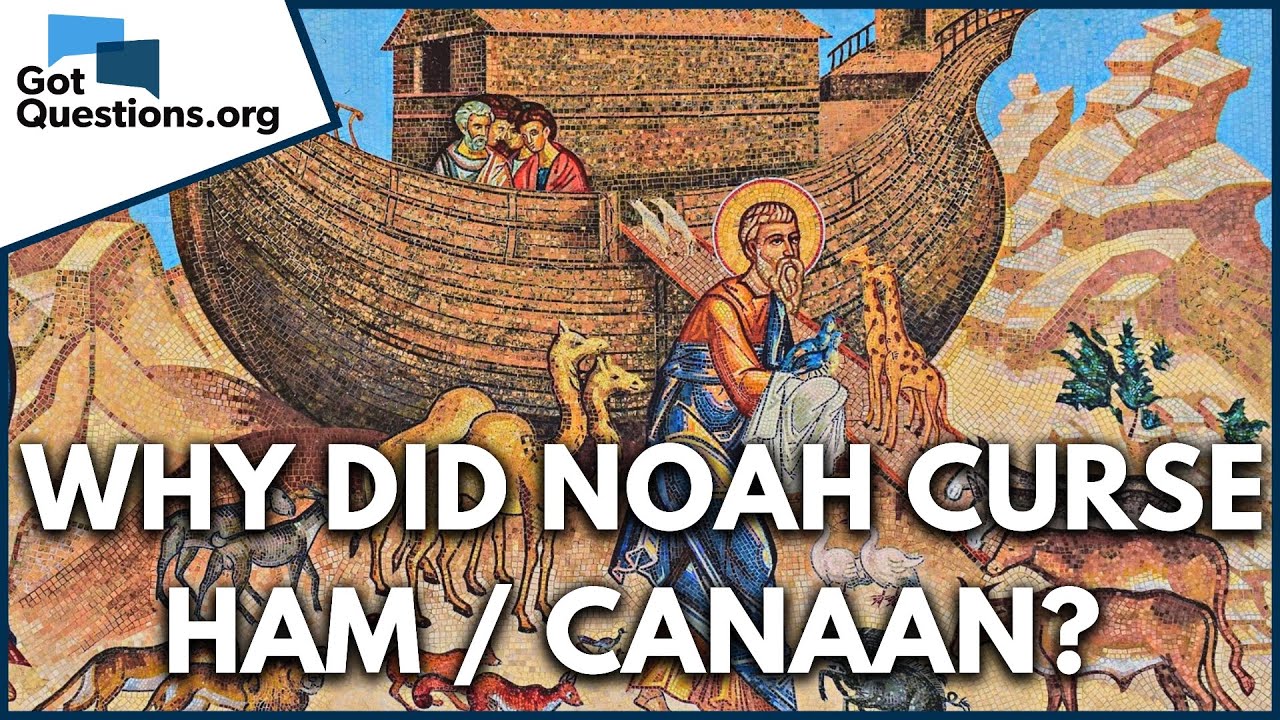
Curse of Ham: Origins and Interpretations
Have you ever encountered a phrase that sparks curiosity and debate among scholars and theologians alike? The Curse of Ham is one such phrase, steeped in history and fraught with varying interpretations. It originates from the biblical account in the Book of Genesis, wherein Ham, one of Noah’s sons, is said to have seen the nakedness of his father. This act leads to a profound curse that has echoed through time, prompting a multitude of interpretations. But why does this story hold such significance?
The curse is notably recounted in Genesis 9:20-27, and its implications have been far-reaching in understanding race, morality, and societal norms. Understanding this narrative provides valuable insights not only into ancient cultural practices but also into the role it plays in contemporary discussions surrounding ethics and behavior.
Theological Implications of the Curse
As we delve deeper into the Curse of Ham, let’s explore the theological implications it holds. Historically, this curse has been interpreted to justify various social hierarchies, particularly against certain ethnic groups. Some interpretations suggest that Ham was punished for an act that was misunderstood and mischaracterized.
Contrary to popular beliefs, many theologians argue that the curse was not directed at Ham himself, but rather at Ham’s son, Canaan. This association has sparked debate about the ethics surrounding interpretations of scripture and how they can shape cultural understanding.


Interestingly, scholars point out that the narrative can tell us more about the perceptions of morality and justice in ancient times than it does about Ham’s actual wrongdoing. This perspective invites a reconsideration of how biblical texts can be interpreted through various historical and cultural lenses.
Modern Interpretations and Misuse
Fast forward to modern times, the legacy of the Curse of Ham has been unfortunately co-opted to justify racism and discrimination. Notably, proponents of racial theories in the 19th century misused this biblical account to legitimize the enslavement and oppression of certain peoples, primarily those of African descent. This misuse underpins significant social injustices and has contributed to systemic racism.
However, contemporary theologians emphasize that this interpretation undermines the core Christian values of love and equality. They argue for a critical examination of the text and the importance of understanding its historical context, encouraging discussions aimed at healing and reconciliation rather than perpetuating division.
Curse of Ham in Cultural Context
The Curse of Ham transcends its biblical origins to infiltrate various aspects of culture, art, and literature. It plays a role in shaping narratives surrounding race and society, influencing everything from literature to art and political movements. This story’s portrayal in different cultures can either mirror historical interpretations or act as a tool for critique.
For instance, in literary works, authors often reference this curse to examine themes of guilt, shame, and familial relationships. By creating dialogues around the implications of Ham’s actions, these works enable a deeper understanding of human behavior and motivations.
Comparative Analysis: The Curse of Ham and Other Biblical Narratives
When looking at the Curse of Ham, it is intriguing to compare it to other biblical narratives that also explore themes of sin and punishment. For instance, the tale of Adam and Eve reflects the consequences of disobedience, which parallels the repercussions faced by Ham. Both stories highlight human imperfection and the subsequent divine judgment.
However, what distinguishes the Curse of Ham is its societal implications; whereas the fall largely concerns personal sin, Ham’s narrative has been utilized as a justification for broader societal issues—such as racism and inequality. This raises an important question: how can we ensure that interpretations of biblical texts serve to unite rather than divide?
Practical and Actionable Ideas: Engaging with the Curse of Ham
The discussion around the Curse of Ham invites reflection and critical engagement. Here are a few actionable ideas to delve deeper into the topic:
- Participate in Study Groups: Join or organize a study group focusing on the interpretations of the Curse of Ham. This can foster discussions around its implications in contemporary society.
- Engage in Creative Writing: Use the narrative as inspiration for creative writing—be it poetry or short stories—that reinterpret the curse in a modern context, exploring themes of redemption and healing.
- Artistic Expression: Create art that reflects or critiques the legacy of the Curse of Ham. This can serve as a powerful medium to express emotions surrounding the narrative and its impact.
- Workshops and Seminars: Attend or host workshops that explore the historical and cultural contexts of biblical stories, emphasizing how interpretations have changed over time.
- Interfaith Dialogues: Initiate or join interfaith discussions about the curse and related themes of morality, justice, and community to foster understanding and collaboration across different beliefs.
The Contemporary Impact of the Curse of Ham
Today, the Curse of Ham continues to provoke thought on societal structures and human rights. It serves as a reminder to critically assess how historical narratives can shape present realities. The curse has the power to challenge us; urging individuals and communities to reflect upon their beliefs and their origins.
In doing so, we can embrace interpretations that promote inclusivity and justice. The story offers a platform to discuss important societal issues, advocating for an examination that focuses on healing rather than division. So, how does understanding the Curse of Ham invite dialogue on justice, equality, and morality in today’s world?
Conclusion: A Call for Reflection and Growth
Reflecting on the Curse of Ham, we uncover layers of meaning that challenge us to rethink notions of morality, justice, and interpretation. It is an opportunity to understand the rich tapestry of human experience through a critical lens, fostering discussions that lead to social healing. By exploring the intersection of this biblical narrative with contemporary issues, we can pave the way for a more equitable future.
As we navigate the complexities of its implications, we must approach the Curse of Ham with a commitment to understanding, respect, and the pursuit of justice for all. What you discover along this journey may surprise you and inspire transformative conversations for generations to come.
Legacy and Cultural Influence of the Curse of Ham
Unveiling the Curse of Ham: Effects and Interpretations
🔍 Have you ever wondered about the origins of certain cultural phrases and their significance? The Curse of Ham is one such concept that has intrigued scholars, theologians, and laypeople alike. From its roots in Biblical narratives to its repercussions in modern interpretations, this article delves into the nuances surrounding the Curse of Ham, revealing the layers of meaning it holds across various cultures.
Understanding the Curse of Ham
The Curse of Ham originates from a story in the Book of Genesis, where Noah, after the Great Flood, becomes intoxicated and lies naked in his tent. Ham, one of his sons, witnesses his father’s state and later informs his brothers, Shem and Japheth, who cover Noah. Noah, upon waking, curses Ham’s son, Canaan, rather than Ham himself. This narrative raises complex questions about implications of shame, obedience, and punishment.
Historical Context
This tale has been interpreted in various ways throughout history. Many early scholars believed it justified the subjugation of African peoples, particularly during the transatlantic slave trade. The misconception that the Curse of Ham condemned Ham’s descendants, often mistakenly attributed to African nations, bolstered racial stereotypes and discrimination (you can learn more about this on Wikipedia).
Cultural Interpretations
In different cultural contexts, the Curse of Ham is interpreted through divergent lenses. While some religious perspectives view it purely as a moral lesson about family loyalty and consequence for actions, others highlight its sociopolitical implications. Crucially, these interpretations influence societal views on race and ethics even today.
Comparative Perspectives: The Curse of Ham in Different Cultures
Unlike other narratives that may focus on individual sinning or divine punishment (for example, the story of Adam and Eve), the Curse of Ham extends into themes of community and familial honor. This makes it distinctive. Here, we can analyze how it compares to other significant narratives:
- The Fall of Man: Both stories emphasize disobedience but differ in their consequences. The Fall primarily impacts Adam and Eve and humanity, while the Curse of Ham chains familial relationships.
- The Binding of Isaac: This narrative focuses on faith and obedience tested by God, in stark contrast to the consequences handed down in the Curse of Ham.
By examining these narratives, we can derive a richer understanding of humanity’s moral fabric and societal actions that echo through generations.
Applications of the Curse of Ham in Modern Society
The repercussions of the Curse of Ham extend beyond theological discussion; they manifest in various societal issues, particularly in perspectives regarding race and ethnicity. Nowadays, many scholars and activists work to deconstruct the myths stemmed from this curse, pushing for a more accurate interpretation of ancient texts.
Modern Implications
The discourse surrounding the Curse of Ham also intersects with social issues. Here are a few key areas where this narrative is actively engaged:
- Antiracism Movements: Many activists reference the Curse of Ham to dismantle pseudoscientific claims regarding race.
- Religious Discourse: Within religious communities, interpretations of the story are often debated, focusing on lessons about kinship and morality.
- Education: Modern educational curricula begin to address these narratives, promoting a nuanced approach to biblical texts and their interpretations across cultures.
Enhancing Perspectives: Using the Curse of Ham with Complementary Tools
Knowing the complexities surrounding the Curse of Ham, how can you leverage this understanding with other resources or tools? Here are actionable ideas to enhance your exploration:
- Education and Discussion Groups: Utilize resources like forums or classes focused on biblical history to discuss the Curse alongside other narratives. Compare the lessons learned from these teachings.
- Cultural Studies Workshops: Host workshops that analyze the Curse of Ham within broader cultural contexts to challenge existing stereotypes and promote understanding.
- Art Projects: Create artistic representations of the story to engage audiences emotionally and provoke thoughtful discussions around its implications.
- Literature Circles: Join or form literature circles that examine racial issues in biblical texts, encouraging members to share insights and interpretations.
- Podcasts and Media: Follow podcasts that explore the intersection of religion, race, and society for richer discussions about the Curse of Ham.
By combining these tools with your understanding of the Curse of Ham, you can promote an inclusive dialogue that fosters growth and respect among diverse perspectives.
Conclusion
The story of the Curse of Ham and its interpretations weave a complex narrative that transcends religious or cultural boundaries. Understanding its historical significance and modern implications serves as a reminder of the importance of interpreting our past with care. In a world where narratives shape perceptions, an awareness of stories like the Curse of Ham can lead to meaningful discussions and more profound societal evolution.
To further explore themes of symbolism and interpretation, consider looking into additional resources, such as historical biblical analysis or cultural literature, to enrich your understanding further.
For additional reading on the historical relevance of Biblical stories and their impact, you may find these resources helpful:
The Curse of Ham: Understanding Its Implications and Uses
🖤 The curse of ham has long intrigued scholars, theologians, and casual readers alike. Its implications stretch beyond mere biblical origins, resonating through various cultures and interpretations. Have you ever paused to consider its historical significance and how it impacts modern perspectives? In this article, we delve deeply into the intriguing narrative surrounding the curse of ham.
What is the Curse of Ham?
The curse of ham originates from the book of Genesis in the Hebrew Bible. It refers to the event where Noah, after the Flood, curses his son Ham’s descendants following an incident involving Noah’s drunkenness. The curse specifically targets Canaan, Ham’s son, implying that his descendants would become servants to the descendants of Noah’s other sons.
This narrative has given rise to various interpretations and has significantly influenced cultural, social, and racial constructs throughout history. The curse of ham has been wrongly used to justify slavery and racial discrimination, making the examination of its meanings and implications critical.
Historical Context of the Curse of Ham
For centuries, the curse has been examined through various lenses, particularly during periods of colonialism. Scholars often highlight how the curse was misused to rationalize enslavement and oppression of African people. By associating Ham and Canaan with blackness, this flawed reasoning perpetuated negative stereotypes.
However, many modern theologians urge a reconsideration of such interpretations, advocating for a return to the text and its intended meanings. Moving away from misconstrued racial implications, they argue the focus should be on family dynamics and moral lessons inherent in the narrative.
Interpreting the Curse of Ham Today
The interpretation of the curse continues to evolve as society confronts issues related to race and identity. Many contemporary readers question historical narratives that impose negative implications based on cursory readings of the Bible. This evolving interpretation invites further discourse on its relevance in today’s multicultural society.
Academic scholarship also addresses how the curse of ham affects theological perspectives, emphasizing the need for holistic interpretations that promote unity rather than division. By focusing on spiritual growth and moral instruction, we can advance beyond the misinterpretations of the past.
Comparative Analysis: Curse of Ham Versus Other Biblical Curses
When examining the curse of ham, it’s essential to regard it alongside other biblical curses, such as the curses drawn upon Adam and Eve after their disobedience. Unlike the curse of ham, which is often misapplied to justify racism, other curses primarily serve as cautions against disobedience and moral failings.
For example, God’s curse against Adam led to hardships and toil. However, this narrative focuses more on human responsibility and the consequences of sin rather than the perpetuation of racial stereotypes. The contrast here highlights how the curse of ham remains uniquely problematic in its misinterpretation.
Practical Insights: How to Approach the Curse of Ham in Discussions
Understanding the nuances of the curse of ham is key for meaningful dialogue in various environments, be it academic, religious, or social. Here are a few actionable ideas:
- Encourage Open Discussions: When discussing the curse of ham, prompt an open dialogue about its implications, pushing for a multi-faceted understanding rather than perpetuating historical constructs.
- Promote Educational Resources: Utilize texts from diverse theological perspectives that provide broad understandings of the curse, avoiding one-dimensional views.
- Utilize Comparisons: When referencing the curse of ham, compare it with other biblical accounts, fostering deeper analysis over simplistic interpretations.
- Engage with Community Activities: Organize workshops or seminars focusing on the broader implications of biblical narratives, emphasizing unity over division.
- Leverage Social Media: Create campaigns on platforms that encourage critical thinking about misinterpretations of religious texts, harnessing wider interactions to foster awareness.
The Continuing Influence of the Curse of Ham
As society grapples with past injustices and moves toward inclusivity, the discussion surrounding the curse of ham remains highly relevant. By educating ourselves on its historical misapplications and seeking a correct understanding, we can advocate for more just narratives in religion and society.
This endeavor requires mindfulness of how we interpret sacred texts and communicate those meanings in contemporary discussions and formations of identity.
Conclusion
In exploring the curse of ham, we unveil not just a biblical narrative but also its extensive social implications. By reframing discussions surrounding the curse, we can challenge outdated interpretations that persistently shadow its original context. Moving forward, we should aim to view such narratives through lenses that advocate for understanding, inclusivity, and compassion.
As we enhance our comprehension of these complex topics, the opportunity arises to foster more profound connections within our communities, transcending the historical scars that linger. The curse of ham, while a powerful narrative, should ultimately serve as a catalyst for growth and dialogue.
For further reading, you can explore:
