The prayer glory to god: a complete, essential guide in 5 steps

the prayer glory to god: meaning, history, and how to pray it
For many Christians, the quickest way to lift the heart is through the prayer glory to god. Rooted in Scripture and shaped by centuries of devotion, it is both a communal hymn and a personal doxology that centres our attention on the Father, the Son, and the Holy Spirit. In this guide, we explore what it is, where it comes from, how and when to pray it, and the common pitfalls to avoid—so you can pray it with greater confidence and understanding.
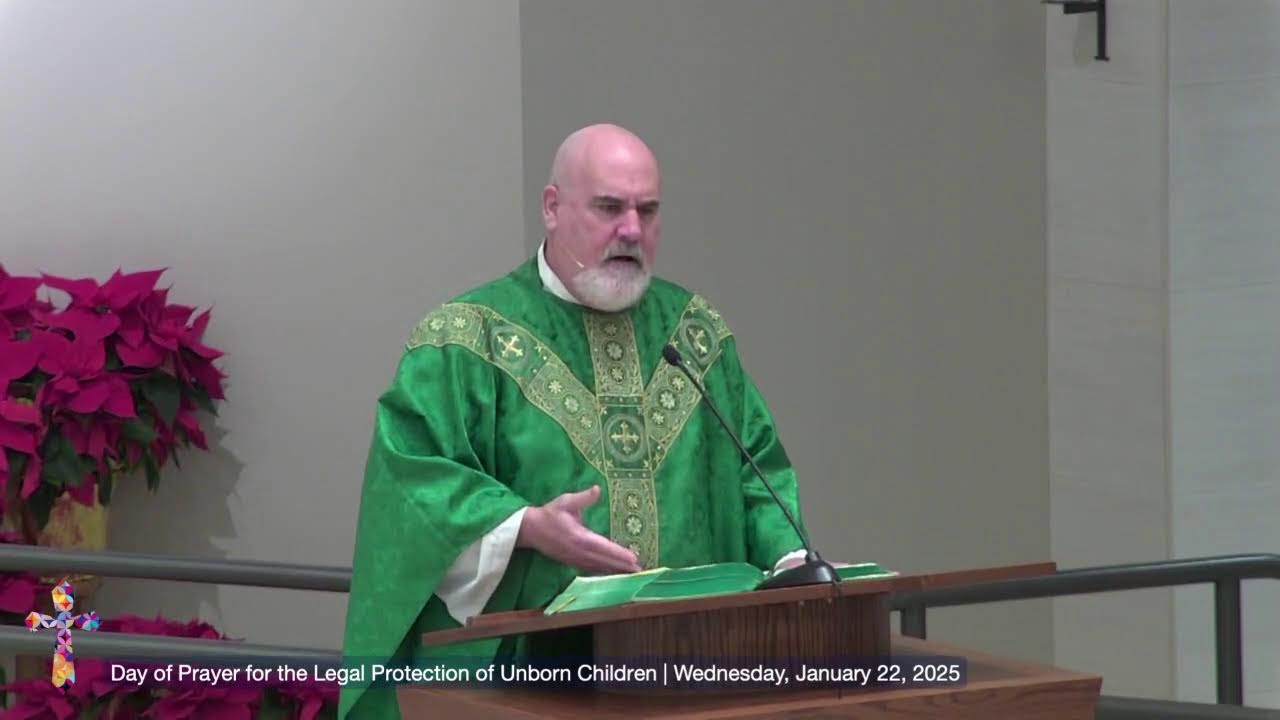
Depending on tradition and context, the prayer glory to god can refer to two closely related prayers: the longer hymn known as the “Gloria” (beginning “Glory to God in the highest”), usually sung or recited at the Eucharist, and the brief doxology commonly called the “Glory Be” (or “Gloria Patri”), a simple Trinitarian praise used widely in daily prayer. Both forms express pure praise, and both can enrich your spiritual life.
What is the prayer glory to god?
At its heart, the prayer glory to god is praise. It does not ask for anything: it simply recognises who God is and honours him. In Christian tradition, there are two primary expressions:
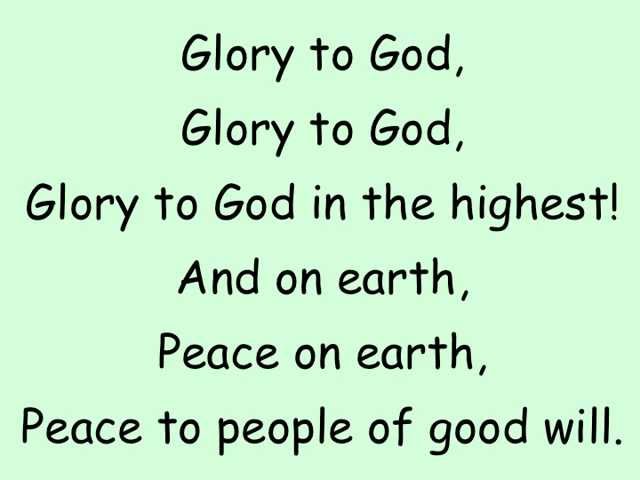
- The Gloria in excelsis Deo (“Glory to God in the highest”)—a longer hymn drawing on the angels’ song in Luke 2:14, often used in the Mass or Holy Communion on Sundays and feast days.
- The Glory Be (Gloria Patri)—a succinct doxology affirming the Trinity: “Glory be to the Father, and to the Son, and to the Holy Spirit…”. It is used throughout the day, especially with psalms and other prayers.
When people speak of the prayer glory to god in everyday conversation, they often mean the short Glory Be. In liturgical settings, however, they may well be referring to the fuller Gloria. Both belong to the language of worship and both emphasise praise rather than petition.
Why the prayer matters: praise, presence, and perspective
Prayers of praise are an essential strand of Christian prayer. The prayer glory to god helps us remember that prayer is not merely a list of needs, but a living relationship with the God who is worthy of adoration. Praise recentres our outlook, moving us from anxiety to trust, from self-focus to God-focus. Theologically, it teaches us to confess the Trinity in our ordinary speech and to let Scripture shape our words of worship.
In times of uncertainty, the prayer glory to god can offer gentle stability. It can be the opening of a morning, the closing of an evening, or the reset in a restless day. In church, it binds the congregation together in a single act of praise; in private, it can be a breath of gratitude.
How to pray the prayer glory to god step by step
Whether you are praying privately or participating in worship, the prayer glory to god can be approached simply and reverently. Consider the following steps.
1) Prepare with attention
Before you speak, settle your mind. Take a slow breath, and silently acknowledge that you are in the presence of God. Intention matters: the prayer glory to god is a gift of your attention, not just your words.
2) Choose the form (Gloria or Glory Be)
If you have a little time, and especially when praying with others, the longer Gloria is ideal. If you are on the move or praying between tasks, the Glory Be is perfect for a quick, focused expression of praise. In either case, keep your tone unhurried.
3) Pray the words clearly
For the Glory Be (a common English form), you may say:
“Glory be to the Father, and to the Son, and to the Holy Spirit; as it was in the beginning, is now, and ever shall be, world without end. Amen.”
For the Gloria (often used in church), the full text is longer, beginning:
“Glory to God in the highest, and on earth peace to people of good will. We praise you, we bless you, we adore you, we glorify you…”
If you are unsure of the wording, follow the service sheet in church or use an approved prayer book or a reliable online resource. The key is to pray the prayer glory to god with sincerity and attentiveness, not just from rote memory.
4) Let silence complete the prayer
A brief pause after finishing allows the words to sink in. You might silently add a personal line of praise or thanksgiving that flows from your own life. This helps the prayer glory to god blend praise with personal presence.
5) Make it a rhythm
Consider weaving the Glory Be into daily moments: after reading a psalm, at the end of a decade of the Rosary, or as a concluding line to other prayers. If you attend Sunday worship, join fully in the Gloria when it is included in the liturgy.
The two main texts of the prayer
The Glory Be (Gloria Patri)
Short, memorable, and deeply Trinitarian, the Glory Be is used widely in Anglican, Catholic, Orthodox, and many Protestant traditions. Because it is so concise, it can be a gateway into practising praise daily. Many Christians append it to psalms, reflecting the Church’s instinct to interpret the Psalter through the light of Christ and the Trinity.
The Gloria in excelsis Deo
Originating as an early Christian hymn, the Gloria expands the angels’ words from Luke’s Gospel into a full acclamation of God’s majesty and mercy. It names Jesus Christ as “Only Begotten Son” and “Lamb of God,” and acknowledges the Holy Spirit. In the Western liturgical year, this form of the prayer glory to god is typically omitted during Advent and Lent, returning with Easter’s joy and other feasts.
Origins and history
Historically, the longer Gloria is very ancient, with roots in the early centuries of Christian worship. It likely began as a morning hymn of praise in the East and eventually entered Western liturgy, becoming part of the Mass by the sixth century. The shorter doxology (“Glory be to the Father…”) also emerged early as a succinct confession of faith and praise, especially linked to the praying of the psalms.
Because of this history, the prayer glory to god connects believers with generations of Christians who have proclaimed God’s glory in good times and hard times alike. In every age, praise remains a sign of hope and a witness to God’s steadfastness.
When is the prayer used in worship?
In many churches, the longer Gloria is part of the Sunday Eucharist or Holy Communion, except during penitential seasons like Advent and Lent. It may be sung in a familiar setting or recited together. Meanwhile, the Glory Be is heard throughout the Church’s daily prayer, concluding psalms and canticles, and forming a refrain of praise in personal devotions. If you are new to Christian worship, listening closely and joining in the prayer glory to god is a simple way to participate actively.
Praying the prayer at home
In personal prayer, the Glory Be is especially helpful because it is so easy to remember. You might use it:
- To end a short time of Bible reading or reflection.
- As a brief prayer at the start or close of the day.
- After meals as a quick thanksgiving.
- Between tasks, as a way to re-centre your attention on God.
Some people find it beneficial to pair the words with their breath—speaking “Glory be to the Father, and to the Son” on a slow inhale, and “and to the Holy Spirit” on the exhale—so the prayer glory to god becomes embodied and calming.
Theology in a phrase: what the prayer teaches
Praise reveals doctrine. The Glory Be places the Trinity at the forefront of ordinary prayer, confessing that God is Father, Son, and Holy Spirit. The Gloria names Jesus as Lord and Saviour while proclaiming the Father’s glory and the Spirit’s presence. By praying the prayer glory to god regularly, you are gently catechised—learning sound theology through worship.
Musical settings and beauty in worship
Many congregations sing the Gloria to settings both ancient and modern. From plainchant to polyphony to contemporary congregational tunes, the melody can carry the meaning deeper into the heart. If you are musical, consider learning a simple setting; singing the prayer glory to god can make it truly memorable and joyful. Even if you are not a singer, listening attentively can enrich your participation.
Common variations in wording
Different English-speaking traditions use slightly different translations. For example, some versions of the Glory Be say “as it was in the beginning, is now, and ever shall be,” while others add or omit “world without end.” Likewise, the start of the Gloria may read “and on earth peace to people of good will” or “peace to his people on earth,” depending on translation and approval by each church body. These slight differences do not change the essence of the prayer glory to god; they reflect the pastoral and linguistic choices of various communities.
Common mistakes and how to avoid them
- Confusing the two forms: The longer Gloria is not the same as the Glory Be. If a service sheet calls for the Gloria, do not substitute the short doxology. Clarify which form of the prayer glory to god is being used.
- Reciting too quickly: Praise is not a race. Slow down and enunciate, especially in communal settings.
- Using the Gloria in penitential seasons when it is normally omitted: In many Western traditions, the Gloria is set aside during Advent and Lent. Follow the local custom of your church.
- Letting it become rote: Briefly prepare your heart before praying, even if only for a few seconds. Intention transforms repetition into devotion.
Practical tips to deepen the habit
- Pair it with Scripture: After reading a psalm or a Gospel passage, add the Glory Be. This helps you internalise both Scripture and praise.
- Use it as a bookend: Start and end prayer times with the prayer glory to god to frame your conversation with the Lord in praise.
- Teach it to children in simple language: Its brevity makes it ideal for family prayer.
- Combine it with other devotions that already include praise, such as the Rosary or set morning and evening prayers.
Links and further reading inside this site
If you are exploring prayer practices more broadly, you may appreciate this practical guide to the Divine Mercy Chaplet prayer, which shows how repeated, simple prayers can shape the heart. For context on how different traditions understand worship and prayer, see an overview of key differences between Orthodox and Catholic practice.
Recommended external resources
- Church of England Common Worship: Gloria in Excelsis within Holy Communion – official liturgical text and structure where the Gloria is commonly used on Sundays and feast days.
- Detailed background on the Gloria in excelsis Deo – history, textual variations, and musical settings.
- Overview of the Glory Be (Gloria Patri) – origins, usage across traditions, and typical wording.
- Encyclopaedia Britannica: Gloria in Excelsis – brief, reliable summary of the hymn’s development and significance.
Frequently asked questions about the prayer glory to god
Is the Gloria the same as the Glory Be?
No. The Gloria (“Glory to God in the highest…”) is a longer hymn typically used in services of Holy Communion on Sundays and major feasts, while the Glory Be (“Glory be to the Father…”) is a short doxology used throughout daily prayer. Both are forms of the prayer glory to god, but they serve slightly different purposes and contexts.
When is the Gloria omitted in church?
In many Western traditions (such as Roman Catholic and Anglican), the Gloria is normally omitted during Advent and Lent, returning for Christmas and Easter seasons and other solemnities. If you are unsure, consult your parish’s service sheets or notices.
Can I pray the Glory Be on its own?
Absolutely. The Glory Be is widely used as a stand-alone prayer. You can pray it at any time, especially as a way to punctuate your day with praise. Many people use the prayer glory to god after reading a psalm or at the end of a decade of the Rosary.
What if I don’t remember the exact wording?
Use an authorised text from your tradition if possible, or follow the wording provided in your church’s service sheets. If praying privately, speak the essence of the prayer glory to god with sincerity: confess the Trinity, offer praise, and close with a simple Amen. Over time, the exact words will become familiar.
Is it better to sing or to say the Gloria?
Either is appropriate. Many communities sing the Gloria to make the prayer more joyful and participatory. If your church recites it, speak it clearly and prayerfully. The heart of the prayer is the same.
How often should I pray it at home?
There is no fixed rule. Some people pray the Glory Be several times a day, others use it to close Bible reading or to begin and end morning and evening prayer. The best frequency is the one that helps you keep praise at the centre of your life.
Does the prayer have to be said in a group to be effective?
No. Group prayer is powerful, but individual prayer is just as real. The prayer glory to god can be a deeply personal offering of praise wherever you are—at home, on a walk, or during a quiet pause at work.
Conclusion on the prayer glory to god
Praise is the native language of faith, and the prayer glory to god helps us speak it with clarity and joy. Whether you use the longer Gloria in church or the short Glory Be throughout the day, these words lift your attention to the Father, through the Son, in the Holy Spirit—strengthening trust and renewing hope.
Historically rich and spiritually accessible, the prayer glory to god belongs in every Christian’s toolkit. Learn its words, pray them slowly, and let them shape your view of God and the world. In moments of celebration and in seasons of challenge, it offers a simple, steady path back to worship.
As you make space for the prayer glory to god, you will often find that your prayer life becomes more balanced: not only asking, but adoring; not only seeking help, but giving thanks. May this living habit of praise deepen your faith and brighten your daily walk.
