Day of prayer for the legal protection of unborn children 2026: key guide
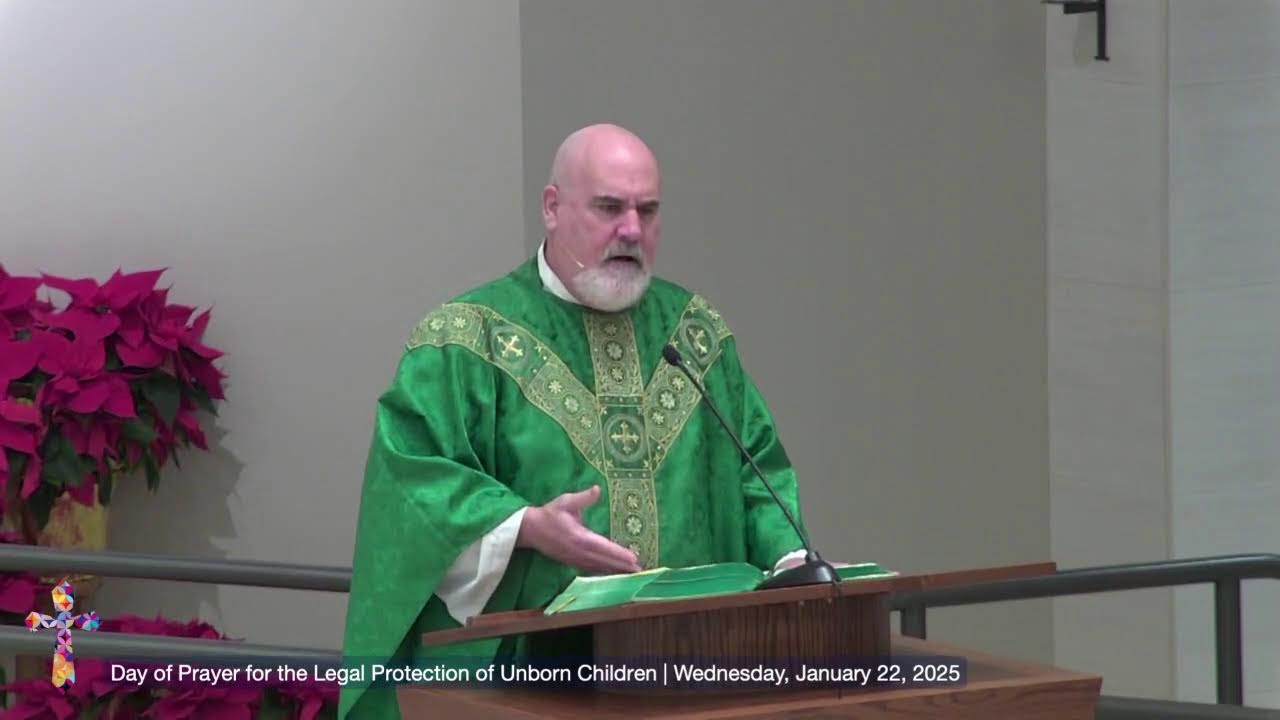
day of prayer for the legal protection of unborn children 2026
The day of prayer for the legal protection of unborn children 2026 is a dedicated moment for Christians and all people of goodwill to pause, pray, and act for the safeguarding of human life from conception. Observed annually around 22 January, it focuses attention on compassion, practical support for women and families, and the moral and legal protection of the most vulnerable. Whether you are part of a parish community, a home group, or simply seeking a way to contribute quietly at home, the day offers a gentle yet powerful framework for reflection and solidarity.
In 2026, many churches and individuals will mark this day with special services, adoration, rosary, moments of silence, and charitable outreach. While its roots are strongest in the United States, its message resonates internationally, including across the UK and Europe, where related initiatives such as “Day for Life” and other pro-life observances invite similar prayer and action. This guide explains what the day involves, how to participate, and how to keep your approach compassionate, informed, and constructive.
What is the day of prayer for the legal protection of unborn children 2026?
The day of prayer for the legal protection of unborn children 2026 is an annual observance that encourages faith communities to pray for respect for every human life and for legal frameworks that protect unborn children and support mothers. In many places, the date is linked to 22 January, a historical legal milestone in the United States. Even after changes in the legal landscape in recent years, communities continue to pray for wise, humane laws; for a culture that honours life; and for families to receive the care they need.
At the heart of the day is the conviction that every person possesses inherent dignity. This conviction leads not only to prayer but also to practical acts of mercy—supporting pregnancy resource centres, assisting parents, offering pastoral care, and advocating for policies that uphold both mother and child. The emphasis is pastoral and compassionate rather than political or confrontational.


When is it observed in 2026, and how is it typically marked?
In 2026, many communities will observe the day of prayer for the legal protection of unborn children 2026 on or around Thursday, 22 January. Parishes may choose the closest weekday for a special liturgy, while families and individuals can make time for personal prayer at home. The observance frequently includes:
- Mass or prayer services with intercessions for mothers, families, lawmakers, healthcare professionals, and unborn children.
- Adoration of the Blessed Sacrament, moments of silence, and reflective Scripture readings.
- Rosary, litanies, and devotions such as the Divine Mercy Chaplet.
- Fasting or simple acts of self-denial offered for the protection of life and the healing of those affected by abortion.
- Charitable collections for maternity homes, shelters, or family support charities.
Those wishing to deepen their devotional practice may find it helpful to learn or revisit particular prayers. For example, you can explore a step-by-step guide on how to pray the Divine Mercy Chaplet and incorporate it into your observance.
Why the day still matters in 2026
The day of prayer for the legal protection of unborn children 2026 remains important because societal attitudes and laws concerning the beginning of life have profound effects on families and communities. Even where legal frameworks change, the need for compassion, support, and wise policymaking remains. The day invites people to pray for a culture that values life consistently—from maternal health and perinatal care to family support and ethical medicine.
In the UK and across Europe, the legal context differs from that of the United States, yet the underlying call to respect and protect life is shared by many. Churches often use this moment to highlight practical help available to women facing difficult pregnancies, encourage responsible public conversation, and promote a broader ethic of care that includes fathers, extended families, and community networks.
Basic concepts behind the day of prayer for the legal protection of unborn children 2026
Dignity of the human person
This principle recognises that human life has inherent worth and should be protected in law and nourished in society. It underpins the day’s emphasis on both prayer and action.
Solidarity and mercy
The observance stresses care for all involved—unborn children, mothers, fathers, healthcare workers, and those who have experienced abortion. Many communities offer healing ministries and pastoral support around this time.
Subsidiarity and the common good
While the day encourages advocacy for life-affirming laws, it also points to local solutions: mentoring, crisis support, and community initiatives that empower families and reduce isolation.
Practical ideas for the day of prayer for the legal protection of unborn children 2026
At home
- Set aside a quiet half-hour on 22 January for Scripture reading, reflection, or journaling. Consider passages that affirm hope and God’s care for the vulnerable.
- Pray the rosary or the Divine Mercy Chaplet for mothers and children, and for those who make decisions affecting family life.
- Offer a simple fast or abstinence as a spiritual act for the intention of protecting life and healing hearts.
In your parish or group
- Organise a Holy Hour or a prayer service with intercessions tailored to local needs.
- Invite a local charity to share practical ways to support families—such as baby banks, mentoring schemes, or housing assistance.
- Provide signposting to confidential support for anyone seeking post-abortion healing and pastoral care.
Online and in the community
- Share a thoughtful, non-confrontational post explaining what the day of prayer for the legal protection of unborn children 2026 is and how others can join in prayer or practical help.
- Donate to a charity that provides perinatal care, counselling, or material assistance.
- Volunteer time with local support services for families and new parents.
A suggested plan for 22 January 2026
- Morning: Begin with a short prayer for wisdom and compassion for leaders, healthcare professionals, and all families.
- Midday: Pray a decade of the rosary or a brief litany for the protection of life.
- Afternoon: Read a short reflection on the dignity of life; consider writing a private note of encouragement to a family or volunteer you know.
- Evening: Attend a parish service or spend time in quiet prayer at home. Offer intentions for mothers facing difficult decisions and for those who support them.
- Any time: Make a donation or pledge some volunteer hours to a local group aiding parents and children.
How churches can prepare for the day of prayer for the legal protection of unborn children 2026
Planning and communication
- Select readings and intercessions that balance truth with compassion, and ensure the tone is pastoral and hopeful.
- Publicise the schedule a few weeks in advance: Mass times, adoration, confessions, and any charitable collections.
- Coordinate with local charities to offer tangible follow-up—information tables, contact cards, or sign-ups for volunteers.
Creating a welcoming environment
- Be sensitive to those who may carry grief or complex experiences. Make clear that God’s mercy is for everyone.
- Offer quiet spaces for private prayer and ensure that resources for counselling and pastoral support are discreetly available.
Ecumenical and interfaith openness
Many Christians from different traditions share a commitment to the dignity of life. If you are collaborating with other communities, it can help to understand the differences between Orthodox and Catholic traditions, as well as what unites them—especially in prayer and works of mercy. Joint initiatives should focus on practical help and respectful dialogue.
Recommended prayers and reflections
Below are examples you can adapt for the day of prayer for the legal protection of unborn children 2026. Use them as prompts and personalise them for your context.
A short prayer for life and hope
Lord of life, look with love on every mother and child. Grant courage and support to families, wisdom to those who govern, and compassion to our communities. May we defend the vulnerable and bring your mercy to those who suffer, through Christ our Lord. Amen.
Scripture to ponder
- Psalm 139: “You knit me together in my mother’s womb.”
- Luke 1: The visitation of Mary and Elizabeth—the joy of new life recognised.
- 1 John 3: “Let us love not in word or speech, but in truth and action.”
Reflection prompts
- Where, in my community, are the needs of mothers and babies most acute?
- How can I support life not only in prayer but also through concrete service?
- What words of mercy and hope can I offer someone experiencing regret or grief?
Common mistakes to avoid on the day of prayer for the legal protection of unborn children 2026
- Adopting a combative tone: Keep communication gentle and compassionate, focusing on support and healing.
- Forgetting practical help: Pair prayer with actionable support—contacts for counselling, material aid, and mentoring.
- Overloading the day with events: One or two well-prepared moments are better than a crowded schedule.
- Neglecting follow-up: Provide clear ways to get involved after the day itself—volunteering, donations, or ongoing prayer groups.
Connecting the day to wider initiatives
While the day of prayer for the legal protection of unborn children 2026 has a particular date, its themes recur throughout the year. In the UK, the bishops promote a related initiative called Day for Life; for background, see the Catholic Bishops’ Conference of England and Wales Day for Life page. In the United States, resources and pastoral guidance are frequently updated on the USCCB pro-life resource hub. Many parishes also link prayer with action by supporting local charities and participating in peaceful, law-abiding gatherings that emphasise dignity and care for all involved.
For those interested in broader teaching, Saint John Paul II’s encyclical Evangelium Vitae reflects deeply on the value and inviolability of human life. You can read it on the Vatican website: Evangelium Vitae (Gospel of Life). In many cities, cathedrals or national shrines also host special vigils; for example, in the US there is often a large-scale vigil associated with the capital. Local diocesan websites typically provide schedules and guidance for 2026 observances.
Recommended external resources
- USCCB Pro-Life Activities – pastoral materials, prayer resources, and guidance related to the Day of Prayer.
- Day for Life (CBCEW) – UK-focused resources connecting prayer with practical action for life.
- Evangelium Vitae – an encyclical on the value and inviolability of human life.
- March for Life UK – information about UK events and educational initiatives supporting a culture of life.
Related articles
Frequently asked questions about day of prayer for the legal protection of unborn children 2026
What exactly happens on the day?
Many communities gather for Mass or prayer services, offer adoration, pray the rosary or other devotions, and support local charities. Individuals participate at home through private prayer, fasting, reading Scripture, or donating to family support initiatives.
Is the observance only for Catholics?
No. While the day is especially promoted in Catholic contexts, many Christians and people of goodwill participate. The emphasis—value of life, compassion for families, and constructive support—resonates across traditions.
How can I take part if I cannot attend church?
Set aside a short time for prayer, read a relevant Scripture passage, and consider praying a decade of the rosary or a simple litany. You can also offer a small act of fasting and donate to a charity helping families in need.
Does the day of prayer for the legal protection of unborn children 2026 involve political campaigning?
The focus is pastoral: prayer, mercy, and practical support. Some people choose to advocate for policies that protect life, but the day itself encourages respectful, non-confrontational engagement and care for everyone affected.
What about people who have experienced abortion?
They are not excluded; on the contrary, the day highlights God’s mercy and the Church’s pastoral care. Many communities provide confidential support and healing ministries, and the tone is intentionally compassionate and hopeful.
Is there a specific date for the UK?
The day is most closely tied to 22 January in the United States. In the UK, related themes are emphasised during “Day for Life” and other local observances, yet anyone can join prayerfully on 22 January 2026 in solidarity with the wider Church.
Conclusion on day of prayer for the legal protection of unborn children 2026
The day of prayer for the legal protection of unborn children 2026 offers a simple, profound invitation: to honour the dignity of life through prayer, compassion, and practical support. Whether you participate in a parish service or observe the day quietly at home, your contribution matters. Small acts—intercession, fasting, listening with empathy, or donating to family support—can make a meaningful difference.
By approaching the observance with a calm, respectful spirit, we help nurture a culture where mothers and babies are cherished, families are strengthened, and those who have experienced grief or regret encounter mercy and hope. As 22 January 2026 approaches, consider how you will mark the day of prayer for the legal protection of unborn children 2026 and how your intentions can translate into ongoing care throughout the year.
Finally, keep the momentum alive after the day itself. Continue to pray, volunteer, and support initiatives that uphold the worth of every person. In doing so, the message of the day of prayer for the legal protection of unborn children 2026 will extend far beyond a single date and become a steady habit of compassion in daily life.
