Sepulchre: an essential, complete guide to meaning, types and history
Sepulchre: history, meaning, and cultural significance
The word sepulchre conjures images of stone chambers, quiet church alcoves, and ancient rites surrounding death and remembrance. A sepulchre is, simply put, a place of burial or a structure designed to house the dead, yet it has always meant more than a practical resting place. It embodies beliefs about mortality, memory, and the afterlife, carried through architecture, ritual, and language across centuries and cultures.
Understanding what a sepulchre is—and what it has meant to different people—helps us appreciate not only historical burial customs but also the artistic, spiritual, and civic traditions that have grown up around them. From rock-cut tombs and medieval church monuments to modern memorial gardens, the sepulchre sits at the intersection of archaeology, theology, architecture, and social history.
This guide explores the essentials: what defines a sepulchre, why it matters, how to recognise different types, and what to consider when visiting or studying such places today.
What is a sepulchre?
In everyday terms, a sepulchre is a tomb—a space or structure that contains the remains of a person or people, often together with grave goods, commemorative inscriptions, or religious symbols. The term can refer to a free-standing building (like a mausoleum), a chamber cut into rock, an underground crypt, or a niche or monument within a church. In some Christian traditions, the word also refers to a ceremonial repository used during the liturgy around Good Friday and Easter.

Unlike a simple grave in the ground, a sepulchre often involves built architecture and intentional design, whether modest or grand. It may signal status, reflect communal beliefs, or embody theological ideas about death and resurrection.
How a sepulchre differs from other resting places
A burial mound, a barrow, or an earthen grave may be primarily landscape features, while a sepulchre typically emphasises structure. It is a constructed or carved place of interment that often invites visitation, contemplation, and commemoration through inscriptions, sculpture, or ritual.
Origins and etymology of the sepulchre
The English word descends from the Latin sepulcrum, meaning tomb, via Old French. Classical and Near Eastern civilisations built chambered tombs and rock-cut sanctuaries long before the term took on its medieval and modern connotations. Over time, cultural and religious practices shaped the form and function of the sepulchre, from family burial chambers to royal mausolea and parish church monuments.
The sepulchre in religion and ritual
For Christians, the Church of the Holy Sepulchre in Jerusalem is one of the most significant pilgrimage sites, marking the traditional location of the crucifixion and the tomb associated with the resurrection of Jesus. The building complex, shared by several Christian denominations, has been rebuilt and altered many times, yet it retains a potent focus for faith and identity.
Medieval Western churches often featured an Easter sepulchre, a special niche or temporary repository used during Holy Week liturgies to symbolise Christ’s burial and rising. This practice linked the drama of the liturgical year to architecture, enabling worshippers to participate bodily in the story of death and new life.
Jewish burial custom historically emphasised respect, prompt interment, and family tombs, while Islamic traditions model simplicity and equality in the grave. Across faiths, the sepulchre has served as a place of remembrance and prayer, marking the threshold between life and death and between present community and ancestors.
Types of sepulchre and how to recognise them
Sepulchres vary widely by era, region, and belief system. Learning to identify types helps you read the stories they carry.
Rock-cut sepulchres
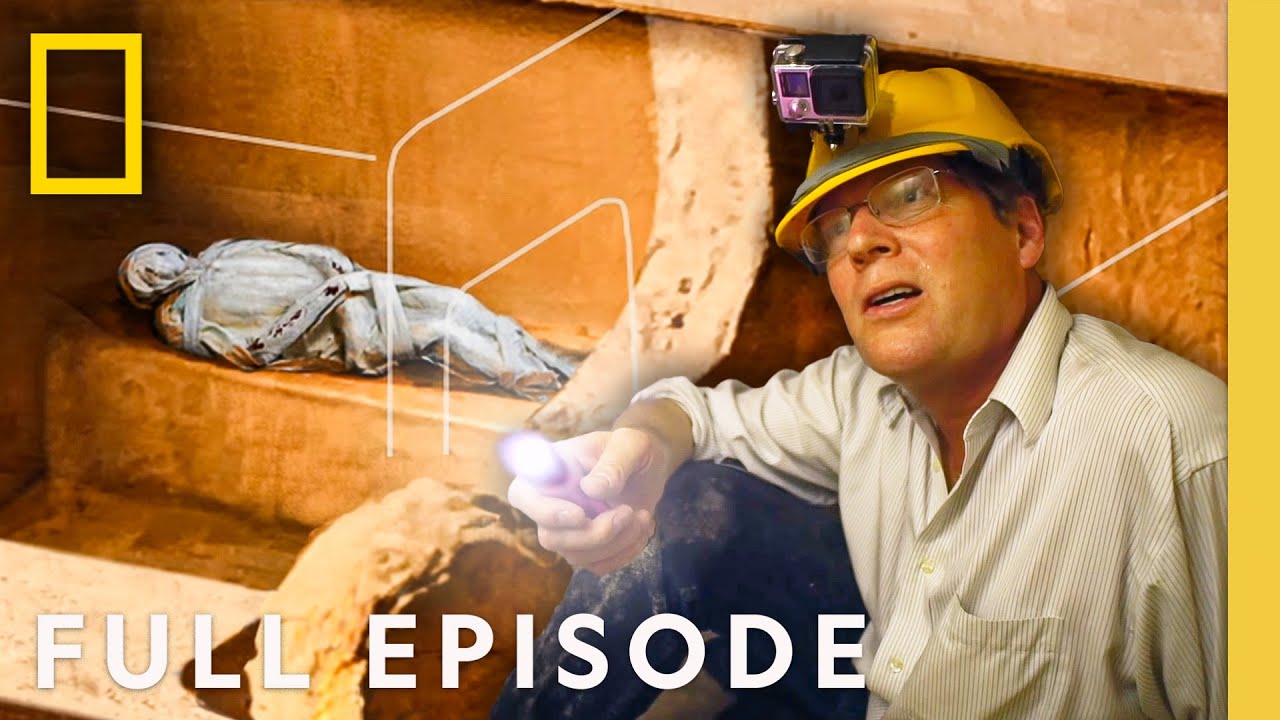
Carved into cliffs or soft stone, these chambered tombs may include niches for bodies (loculi), arched recesses (arcosolia), and sealed entrances. They often appear in the Mediterranean and Near East, where geology favours excavation into rock.
Chambered tombs and barrows
Prehistoric chambered cairns and long barrows in parts of Britain and Europe used stones and earth to create interior spaces for communal burials. While not always called a sepulchre in archaeological writing, they functioned as such—structures of interment with ritual significance.
Catacombs and ossuaries
Catacombs are subterranean networks, often associated with early Christian communities, formed by corridors and chambers used for burial and commemoration. Ossuaries store bones after initial decomposition, consolidating remains when space is limited and when religious practices allow secondary burial.
Mausolea and memorial sepulchres
A mausoleum is a grand, usually free-standing, funerary building. Mausolea can be designed for individuals or families and often carry elaborate sculpture, columns, and inscriptions. Some church monuments function as enclosed or semi-enclosed sepulchres, commemorating the dead within sacred space.
Modern garden cemeteries and columbaria
Nineteenth-century garden cemeteries introduced landscaped burial parks with picturesque monuments and family vaults. Contemporary columbaria house cremated remains in niches, extending the architectural tradition of the sepulchre to new forms of interment.
Architecture and symbols
Look for materials (ashlar stone, marble, brick), structural elements (chambers, lintels, arches), and artistic details (reliefs, carvings). Christian iconography may include crosses, the Chi-Rho, anchors, vines, or resurrection imagery. Jewish markers sometimes depict menorahs or hands (kohanim), while Islamic memorials may favour calligraphy and geometric ornament. Such symbols can indicate community, profession, status, and belief about the afterlife or commemoration within the sepulchre context.
Language, art, and literature
British English prefers “sepulchre”; American usage often spells it “sepulcher”. In the Bible and in Shakespeare, the term is metaphorically rich—consider the phrase “whited sepulchre” for outward purity concealing inner corruption. Romantic and Gothic art frequently uses tombs and night scenes to meditate on mortality, memory, and the sublime, while Victorian funerary sculpture transformed urban landscapes into open-air galleries.
Ethics, law, and conservation
Burial sites demand respect. Laws vary by country: some protect ancient monuments and churchyards; others regulate exhumation, research, and construction. Heritage professionals balance investigation with dignity, ensuring human remains are treated ethically and, where appropriate, reburied. Conservation aims to stabilise structures, manage vegetation, and mitigate pollution or vandalism, often using digital documentation to record fragile details.
Visiting a historic site: practical tips
- Check opening hours, dress codes, and photography rules; some sites are active places of worship or sensitive burial grounds.
- Hire a licensed guide when possible. Context transforms stone and inscription into story.
- Stay on marked paths, avoid touching carvings, and refrain from loud conversation. A sepulchre is often both heritage site and sacred space.
- Bring a torch for dim interiors but respect any restrictions; use non-flash settings to protect pigments and surfaces.
- Consider donating to site maintenance. Conservation is continuous and often underfunded.
Common mistakes and myths
- Assuming all tombs are alike. Location, period, and faith shape every design choice, from orientation to ornament.
- Confusing burial practice with belief. A culture may use similar structures for different theological reasons.
- Overlooking the landscape. Approaches, courtyards, and sightlines can be as revealing as the chamber itself.
- Taking inscriptions at face value. Eulogies are crafted; cross-check dates and titles against other records.
- Forgetting that people grieved here. A sepulchre is a human story before it is a stone one.
Recommended external resources
- Historical overview of the Church of the Holy Sepulchre — background, architecture, and shared custodianship in Jerusalem.
- Detailed article on the medieval Easter sepulchre — its liturgical use and surviving examples in churches.
- Encyclopaedia Britannica: Tombs and funerary art — global context for burial structures and symbolism.
- UNESCO: Old City
