Saint joseph prayer for the sick: essential practical guide, 5 steps
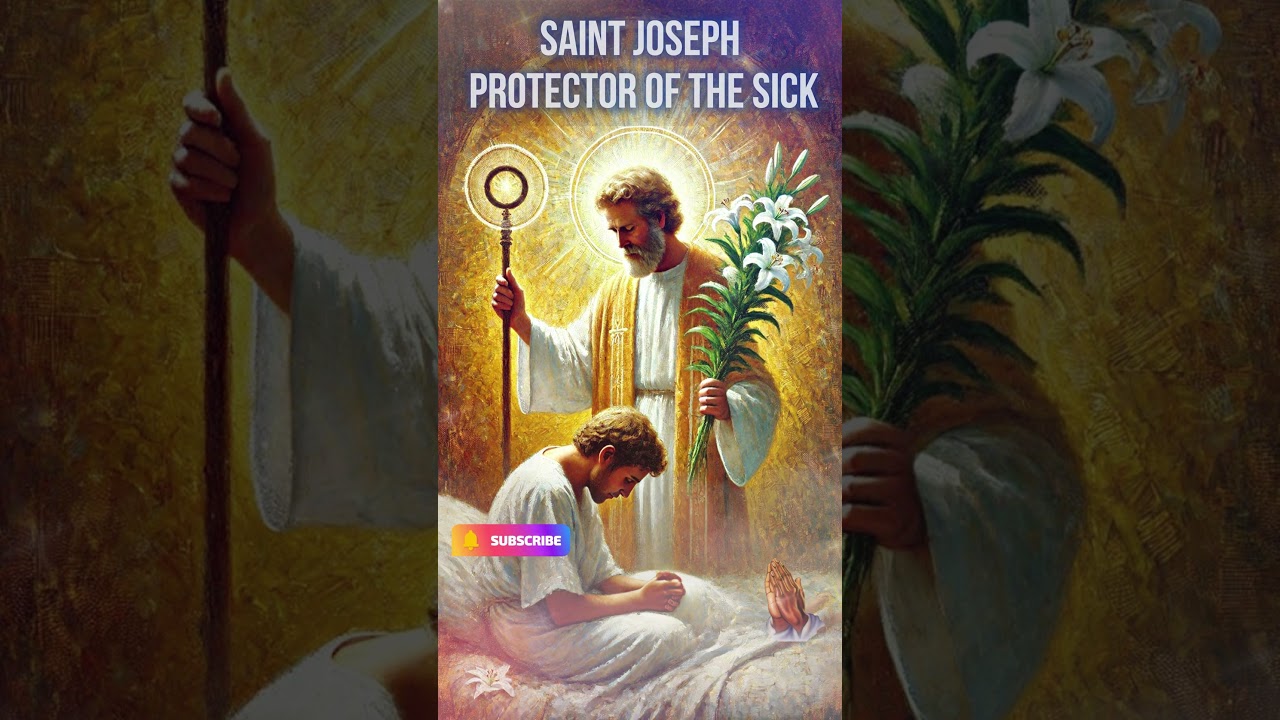
saint joseph prayer for the sick
The saint joseph prayer for the sick is a beloved Christian devotion that seeks the intercession of St Joseph – husband of Mary, foster-father of Jesus, and gentle protector of families – for healing, comfort and strength during illness. Whether you are praying for yourself, a loved one, or those under your care, this prayer offers a calm and grounded way to bring worries before God, asking St Joseph to accompany the sick with tender care.
In moments of uncertainty, the saint joseph prayer for the sick helps believers place their trust in a faithful guardian who understands human struggles. Beyond asking for physical recovery, it also embraces spiritual resilience, emotional peace, and the grace to endure. In this guide, you will learn what the devotion is, how to pray it, sample texts you can use straightaway, and practical tips to weave it into daily life alongside medical care.
What is the saint joseph prayer for the sick?
At its heart, the saint joseph prayer for the sick is an intercessory prayer: we ask St Joseph to pray with us and for us, bringing our petitions to God. Christians have turned to St Joseph for centuries as a patron of workers, families, a peaceful death, and protection in times of distress. Because illness affects body, mind and spirit, many find in St Joseph a compassionate companion who models quiet faithfulness and trust.
This devotion does not have only one fixed wording. It appears in several forms:

- Short bedside prayers for immediate needs.
- Longer prayers for family members, friends or parishioners.
- A daily novena (nine days) for sustained intercession.
- Litany-style prayers naming St Joseph’s titles and asking his help.
All these forms share a consistent intention: to ask God’s healing and peace through the prayers of St Joseph. The saint joseph prayer for the sick is not a magic formula; it is a pathway to trust, helping us remain close to God in times of vulnerability.
Who is St Joseph and why turn to him in illness?
Scripture presents St Joseph as a just, attentive and courageous man. In challenging moments – the unexpected pregnancy of Mary, the flight into Egypt, the responsibility of protecting the Holy Family – Joseph responds with quiet obedience and practical care. These qualities make him a trustworthy guide for those facing illness, uncertainty or caregiving responsibilities.
To understand his role more deeply, you may appreciate the Church’s teaching in Pope Francis’ Apostolic Letter, Patris corde (With a Father’s Heart), which reflects on St Joseph’s tender strength and protective love. For UK resources and pastoral context, you can also consult the guidance and reflections from the Catholic Bishops’ Conference of England and Wales. These sources illuminate why so many people lean on St Joseph’s intercession in times of sickness.
Origins of the saint joseph prayer for the sick
While devotion to St Joseph has ancient roots, special prayers for the sick developed as Christians recognised his role as guardian and comforter. Over time, families and communities adopted simple formulas and novenas, especially during epidemics or when caring for the frail at home. Today, the saint joseph prayer for the sick remains a living tradition, adaptable to different situations and faith backgrounds.
How to pray when someone is unwell: a simple approach
If you are new to the saint joseph prayer for the sick, the following steps can help you begin and remain consistent:
- Set your intention. Name the person and need: “I pray for James, awaiting test results,” or “I ask for pain relief for my mother.”
- Create a calm space. A quiet corner, a lit candle, or a small image of St Joseph can help focus your mind.
- Begin with gratitude. Thank God for the gift of life, medicine, carers, and small signs of hope.
- Ask St Joseph’s intercession. Use a short formula or one of the sample prayers below, or speak in your own words.
- Include Scripture. A short verse (see suggestions further below) grounds your prayer in God’s promises.
- Pray for caregivers and family. Illness touches everyone; ask for patience, rest and wisdom for those providing support.
- Close with trust. End with “Thy will be done,” recognising that healing includes peace, courage and eternal hope.
- Repeat regularly. Try morning and evening, or set a specific daily time to pray the saint joseph prayer for the sick so it becomes a steady rhythm.
Remember that attention and sincerity matter more than perfect words. If you feel overwhelmed, a single heartfelt sentence can be as powerful as a lengthy prayer.
Sample texts you can use
Below you’ll find versions of the saint joseph prayer for the sick for different needs. Use them as written, adapt them, or let them inspire your own words.
1) Short bedside prayer
A simple form of the saint joseph prayer for the sick for any moment of need:
“St Joseph, guardian of the Holy Family, stand beside the sick whom I now commend to your care. Ask the Lord to grant healing where it is His will, comfort in distress, and peace that the world cannot give. Hold us in your gentle strength and teach us to trust. Amen.”
2) Prayer for a loved one
Use this version of the saint joseph prayer for the sick when praying for a family member or close friend:
“Glorious St Joseph, loving husband of Mary and faithful father to Jesus, I bring before you [Name]. In their pain and weakness, intercede for them. Obtain for them relief from suffering, courage for each day, and wisdom for their medical team. May God’s mercy restore them in body and spirit, and may our home be kept in peace. St Joseph, protector of the afflicted, pray for us. Amen.”
3) Prayer for carers and medical teams
This prayer complements the saint joseph prayer for the sick by remembering those who give care:
“St Joseph, model of diligent work and quiet service, bless all who care for the sick: doctors, nurses, therapists, chaplains, family members and friends. Obtain for them patience, clarity of judgement, steady hands and compassionate hearts. May their efforts be guided by God’s wisdom and sustained by hope. Amen.”
4) A simple nine-day novena structure
For sustained intercession, you can pray a short novena using the saint joseph prayer for the sick. Each day, keep the same intention and add a Scripture verse:
- Day 1: “St Joseph, intercede for [Name], that God’s peace may guard their heart today.” (Philippians 4:6–7)
- Day 2: “St Joseph, strengthen [Name] in body, mind and spirit.” (Isaiah 41:10)
- Day 3: “St Joseph, pray for wise and compassionate care.” (James 1:5)
- Day 4: “St Joseph, help us to trust in God’s timing.” (Ecclesiastes 3:1)
- Day 5: “St Joseph, grant patience in waiting and perseverance in prayer.” (Romans 12:12)
- Day 6: “St Joseph, protect [Name] from fear and discouragement.” (Psalm 23:4)
- Day 7: “St Joseph, obtain consolation for family and friends.” (2 Corinthians 1:3–4)
- Day 8: “St Joseph, pray for full healing or holy peace, according to God’s will.” (Luke 22:42)
- Day 9: “St Joseph, with Mary, lead us closer to Jesus, our Healer.” (Matthew 11:28–30)
Common mistakes to avoid and helpful tips
- Rushing the words. Pause briefly at the beginning and end. A few seconds of silence can make the saint joseph prayer for the sick feel centred and sincere.
- Focusing only on physical cure. Remember to pray for courage, rest, reconciliation and spiritual consolation.
- Neglecting caregivers. Include those who provide support; they need grace and stamina too.
- Praying alone only. When appropriate, invite others to join in person or remotely; shared prayer strengthens hope.
- Forgetting gratitude. Notice small improvements and moments of kindness; thanksgiving nurtures resilience.
- Over-complicating routines. Use simple, repeatable structures so you can keep praying even on difficult days.
Integrating the saint joseph prayer for the sick with medical care
Prayer and healthcare work hand in hand. The saint joseph prayer for the sick is not a substitute for professional medical advice, diagnosis or treatment; rather, it supports the person and family while doctors and nurses do their work. Pray for accurate diagnoses, effective medications, successful procedures, and good communication among all involved. If you or your loved one are struggling emotionally or spiritually, include chaplains or counsellors as part of holistic care.
It can be helpful to coordinate short prayer times around treatment schedules. For example, pray briefly before an appointment, offer a thanksgiving after receiving results, and make a simple night prayer routine to end each day in peace.
Scripture and tradition to accompany prayer
Christian tradition encourages blending the saint joseph prayer for the sick with brief Scripture passages. Verses about God’s presence and protection can bring calm in anxious moments. You may find this reflection on Zephaniah 3:17 and God’s healing presence especially comforting: “The Lord your God is in your midst, a mighty Saviour; He will rejoice over you with gladness.” Such words remind us that we are never alone in suffering.
Other helpful passages include Psalm 23 (the Lord as shepherd), Matthew 11:28–30 (rest for the weary), and James 5:14–16 (the Church’s care for the sick). Reading a single verse slowly, and then praying to St Joseph, can provide a steady rhythm in long days.
Related devotions and when to use them
Many people combine the saint joseph prayer for the sick with other trusted devotions. For example, mercy-themed prayer can be very consoling during serious illness or end-of-life care. Learn simple steps in how to pray the Divine Mercy Chaplet and consider adding it once a day for a loved one. If you have access to a parish, contact your priest to discuss the Sacrament of the Anointing of the Sick when appropriate; this sacrament brings God’s grace in a special way to those who are seriously ill or facing surgery.
Devotions to Mary under titles such as Our Lady of Sorrows, or the Litany of St Joseph, can also be meaningful, especially when families gather to pray at home or by a hospital bed.
Internal and external links for further depth
To deepen your understanding of St Joseph’s role and how this devotion fits into Christian life, the following resources are valuable:
Read Pope Francis’ Patris corde (With a Father’s Heart) for a rich portrait of St Joseph’s virtues that inspire confidence during illness; and review resources on St Joseph from the Catholic Bishops’ Conference of England and Wales for pastoral reflections and prayers.
Recommended external resources
- Curated prayers to St Joseph (EWTN) including petitions for the sick
- Catholic Encyclopedia entry on St Joseph (New Advent) for historical and theological background
- Official Apostolic Letter Patris corde (Vatican)
- CBCEW Year of St Joseph resources and guidance (England and Wales)
Related articles
Frequently asked questions about saint joseph prayer for the sick
Is the saint joseph prayer for the sick only for Catholics?
No. While St Joseph holds a special place in Catholic tradition, many Christians of different backgrounds appreciate praying for the sick with his example in mind. Anyone who honours St Joseph’s role in the life of Jesus can respectfully use this devotion, adapting the language to their own faith practice.
How often should I say the saint joseph prayer for the sick?
Choose a pattern you can maintain. A short daily prayer morning and evening works well for many people. During acute illness or before important appointments, you might add an extra brief prayer. If you prefer structured devotion, try a nine-day novena and repeat it monthly if needed.
Can I write my own version of the prayer?
Yes. The saint joseph prayer for the sick is flexible. Begin by addressing St Joseph, state your intention honestly, ask for his intercession for healing and peace, and end with trust in God’s will. Simplicity and sincerity are more important than elaborate wording.
What if the person is not healed physically?
Christian prayer always seeks the fullness of healing, which includes spiritual consolation, reconciliation, courage, and hope – even when physical cure is not granted. The saint joseph prayer for the sick asks not only for recovery but also for God’s peace, strength and holy comfort, trusting that no prayer is wasted.
Should I pray aloud at the bedside?
If the person welcomes it, praying aloud can be deeply encouraging. Keep your words gentle and brief, especially if they are in pain or fatigued. When speech is difficult, silent prayer or simply holding a hand while praying in your heart can be equally powerful.
Can I combine this prayer with other devotions?
Absolutely. Many people pair the saint joseph prayer for the sick with short Scripture readings, the Rosary, the Litany of St Joseph, or the Divine Mercy Chaplet. Choose what fosters peace and is manageable for you and the person who is ill.
Is it appropriate to use this prayer for mental health struggles?
Yes. Pray for those facing anxiety, depression, or other mental health conditions, asking for wise care, supportive relationships and inner calm. Always combine prayer with professional help and follow medical guidance.
Conclusion on saint joseph prayer for the sick
The saint joseph prayer for the sick offers a gentle, steady pathway through the uncertainties of illness. By turning to St Joseph’s example of quiet strength and trusting care, we find a companion who helps us place our needs before God with confidence and peace. Through short daily prayers, a novena, or simple bedside petitions, this devotion supports both the person who is unwell and those who love and care for them.
Remember that the saint joseph prayer for the sick is not about perfect formulas but faithful presence: being present to God, to the sick person, and to one another. As you pray, give thanks for small mercies, ask boldly for healing, and accept the grace to persevere. In all things, may St Joseph guide you towards the love of Christ, the true healer of body and soul.
Whether you are new to prayer or renewing a long-standing devotion, let the saint joseph prayer for the sick anchor your days with hope, charity and trust. May God bless you and your loved ones with strength, comfort and a peace that endures.
