Saint Expedite: Essential Guide to 7 Key Prayers and Rituals
What is saint expedite? Origins, devotion and how to ask for help
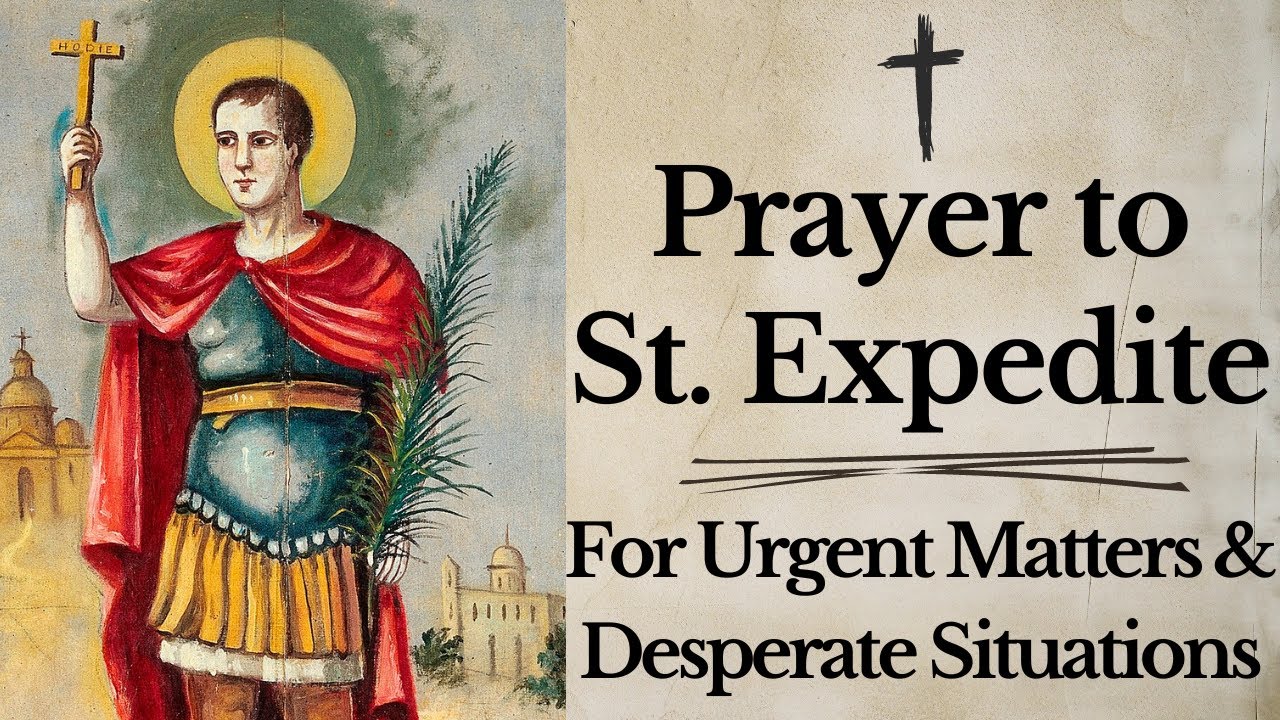
Across many parts of the world, people turn to saint expedite when time is short and decisions cannot wait. Often depicted as a Roman soldier holding a cross marked “Hodie” (Latin for “today”) and stepping on a crow crying “Cras” (“tomorrow”), saint expedite is widely regarded as a patron for urgent causes, swift solutions, and clarity in moments of delay or confusion. Whether you are curious about his story, considering a respectful devotion, or simply seeking to understand the cultural impact of this figure, this guide offers a clear and balanced introduction.
In the following sections, we explain who saint expedite is, explore his symbolism and legends, outline considerate ways to pray or make a petition, and address common questions and misconceptions. We also provide practical advice and links to trusted resources for anyone who wishes to learn more.
Who is saint expedite? Basic facts and origins
Saint Expedite is commonly associated with speed and decisive action. In some traditions he is identified with Expeditus, said to have been a Roman centurion and martyr. While documented historical information is sparse, his cult has grown steadily since the late nineteenth and early twentieth centuries, taking root particularly in places where people prize practical, results-focused devotion. Today, saint expedite is invoked by business owners, students, jobseekers, travellers, and anyone facing bureaucratic hurdles or looming deadlines.
Although the details of Expeditus’s life are debated, interest in his cult is well documented in modern times. For a concise historical overview, the Catholic Encyclopaedia discusses the legend and veneration of Expeditus; see New Advent’s entry on St. Expeditus. For a broader summary, including how the devotion spread to places like New Orleans and Brazil, consult the Wikipedia article on Saint Expeditus. These references reflect the diversity of sources people consult when learning about the saint.


Historical context and legend
In popular retellings, Expeditus converted to Christianity and refused to delay baptism, symbolised by the crow’s cry of “tomorrow” and the saint’s firm reply of “today”. This narrative resonates with those who struggle with procrastination or hesitation. Even though evidence for the earliest veneration is limited, the story’s moral—choosing the good without delay—continues to attract devotees. Some accounts place his martyrdom in the early centuries of the Church, but precise details remain uncertain, a common situation in early hagiography.
Names, variants and where he is venerated
Saint Expedite is sometimes called “St. Expeditus” or “São Expedito” (in Portuguese). He is known and honoured in communities across Latin America, parts of Europe, the Philippines, and the United States—most famously in New Orleans, where offerings of red candles and slices of pound cake are customary gratitude gifts. The devotion also appears in some Orthodox contexts; for an accessible summary from that perspective, see OrthodoxWiki’s page on Expeditus.
Iconography and symbols of saint expedite
Art and statues of saint expedite typically show a young Roman soldier in armour. He holds a small cross or banner labelled “Hodie”, while his foot pins down a crow marked “Cras”. The crow symbolises delay and excuses; the cross and the word “today” represent decisive virtue and trust. Red candles, fresh flowers (often red), and notes of thanks or petitions are commonly placed near his images. These visual elements reinforce the main message: begin what is right, and begin it now.
Other attributes you may encounter include a palm branch (martyrdom) or a small book, indicating teaching or commitment to truth. While styles differ by region, the core message is consistent and universally understood.
Why people turn to saint expedite: patronage and meanings
Many people approach saint expedite for help with tight deadlines, urgent paperwork, pressing financial concerns, or swift decision-making. Others ask for clarity when overwhelmed by options, or for courage to take the next sensible step. A key theme is timeliness: petitions often request that matters be settled fairly, wisely and promptly.
Common areas of intercession include:
- Work and livelihood: job applications, client payments, essential purchases, or time-sensitive projects.
- Study and exams: clear thinking, focus, and efficient use of study time.
- Travel and logistics: smooth arrangements and protection on the way.
- Family and home: resolving misunderstandings, urgent repairs, or transitions.
- Personal growth: overcoming procrastination and cultivating habits of prompt, thoughtful action.
Importantly, genuine devotion to saint expedite does not demand the impossible. Rather, it marries honest human effort with prayerful trust. Many devotees see his help as a nudge towards timely good sense, not a shortcut around responsibility.
How to pray to saint expedite respectfully
If you feel drawn to this devotion, consider a simple, respectful approach. You do not need elaborate rituals. Basic courtesy, sincerity, and clarity are the essentials. Below is one way to begin; adapt it according to your tradition and conscience.
A simple step-by-step devotion
- Make space and set your intention. Choose a quiet moment. If you have a small image or statue of saint expedite, place it on a clean surface with a candle (often red) and, if you like, a flower. Safety first—never leave candles unattended.
- Ground yourself. Take a few deep breaths. State aloud why you are praying. Name the situation plainly and honestly.
- Offer a short prayer. You might say: “Saint Expedite, faithful servant and speedy helper, please intercede for me in this urgent need. I ask for a fair, wise and timely resolution. Help me do my part today.”
- Be clear and concise. Explain the specific help you need—an appointment, a document approved, a debt settled, or simply courage to act without delay.
- Commit to action. Promise to take the next reasonable step yourself. For example, “Today I will send the application and make the follow-up call.” Devotion to saint expedite works hand in hand with practical effort.
- Close with gratitude. Thank him for listening. Some people add the Our Father or another short prayer in keeping with their tradition. If you are exploring wider devotional practice, you may appreciate learning how to pray the Divine Mercy Chaplet as a complementary daily devotion.
Example petitions and offerings
Petitions to saint expedite are often brief and focused. For instance: “Saint Expedite, I must secure an appointment this week; please intercede so the scheduler calls me back today. I will prepare my documents and speak politely.” Offerings after answered prayers typically involve public thanks, flowers, a candle, or—in some local traditions—a small slice of pound cake. The emphasis is on sincerity, not extravagance.
After receiving help: giving thanks
Many devotees feel it is important to thank saint expedite promptly when help arrives. You might say a short prayer of thanks, donate to charity, light a candle, or write a thank-you note near his image. Publicly acknowledging received help—without boasting—also encourages others to practise timely gratitude.
Ethics, discernment and common mistakes
As with any devotion, balance matters. Here are common pitfalls and how to avoid them:
- Attempting to “command” the sacred: Prayer is not a vending machine. Approach saint expedite with humility and respect.
- Neglecting your part: Real-world action matters. If you ask for a job, prepare your CV, practise interviews, and follow up politely.
- Using devotion to avoid responsibility: Petitions should support—never replace—ethical choices and sensible planning.
- Confusing speed with haste: The goal is a swift, fair outcome, not rashness. Ask for prudence as well as promptness.
- Forgetting to give thanks: Expressing gratitude completes the circle of petition, reception, and acknowledgement.
If you are curious about differences in belief and custom across Christian traditions—useful when considering how various communities understand saints—this overview may help: differences between Orthodox and Catholic traditions. It can provide context for the diverse ways people view the role of intercessors like saint expedite.
saint expedite around the world
The devotion to saint expedite has travelled widely. In Brazil and parts of Argentina, you may find outdoor shrines dotted with flowers and ex-votos (tokens of thanks). In the Philippines, images of the saint appear in homes and small chapels. In New Orleans, a city known for its practical piety, many people tell stories of quick, everyday help—getting paid on time, finding lost items, or receiving an unexpected phone call at just the right moment.
Despite regional differences, one thread runs through these accounts: the desire to move from intention to action. As a cultural symbol, saint expedite embodies the virtue of deciding well—and then doing the next right thing without delay.
Comparing traditions and theology
Although the legend of saint expedite is not tied to a large body of early historical evidence, the devotion illustrates how communities give meaning to moral lessons through story and symbol. Different traditions emphasise different points. Some focus on the saint’s alleged military background and martyrdom, seeing it as a call to courageous, disciplined faith. Others stress the ethical message of “Hodie”: the insistence that each day offers us a chance to choose the good now rather than later.
For readers interested in the scholarly underpinnings and varied reception of saints, there is helpful background in general reference sources. The Catholic Encyclopaedia’s discussion of St. Expeditus considers the historical complexities, while the Wikipedia overview of Saint Expeditus outlines how the devotion has been practised across time and cultures.
Practical tips for a balanced devotion
- Keep it simple: a short daily or weekly prayer, a clear intention, and a practical step you will take today.
- Write it down: record your petition, the actions you commit to, and any outcome. This helps you see patterns and avoid magical thinking.
- Set a time-limit: for instance, a nine-day novena or a seven-day candle. When the period ends, review and conclude with gratitude, whatever the result.
- Be ethical: ask for what is fair and good for all involved. Avoid requests that would harm others.
- Stay grounded: combine prayer with planning, punctuality, and well-ordered priorities—habits that align closely with the spirit of saint expedite.
Recommended external resources
- Catholic Encyclopaedia: St. Expeditus – background on the legend, name, and historical discussion.
- Wikipedia: Saint Expeditus – a broad overview of the devotion’s history, iconography, and regional practices.
- OrthodoxWiki: Expeditus – a concise summary from an Orthodox perspective.
Related articles
Frequently asked questions about saint expedite
Is there historical proof that Expeditus lived?
Firm, early historical evidence for Expeditus is limited, which is true for many ancient saints. Nevertheless, the devotion to saint expedite is real in its cultural impact and spiritual meaning. Many people value the ethical lesson of “do what is right today” regardless of the uncertainties surrounding the historical figure.
What kinds of requests are appropriate?
Requests that are fair, constructive, and time-sensitive are most fitting. People often ask for help with job matters, paperwork, exams, or other practical needs. When approaching saint expedite, be clear, honest, and prepared to do your part—send the email, make the call, or complete the form.
Do I need special items to pray to saint expedite?
No. A respectful attitude is central. Some people light a red candle or place flowers by an image of saint expedite, but these are optional. If you use candles, follow safety precautions and never leave them unattended.
How long should I pray—once, a few days, or a novena?
Choose a pattern that supports your focus. A short daily prayer for a week, a nine-day novena, or a one-time petition followed by action can all be fruitful. Consider setting a time-limit so you can review the outcome and give thanks at the end.
What should I do when my petition is answered?
Offer thanks promptly. You might light a candle, give to charity, or write a short note of gratitude. Many devotees publicly thank saint expedite in a simple, modest way.
Is it wrong to ask for quick help?
It depends on your intention. Asking for a just, timely outcome—especially when you commit to act responsibly yourself—can be a sound spiritual practice. Avoid requests that would harm others or bypass your own duties.
Conclusion on saint expedite
Saint Expedite captures a simple truth we often overlook: worthy decisions deserve timely action. Through story and symbol—“Hodie” over “Cras”—the devotion encourages us to choose the good now, not later. Whether you approach saint expedite through a brief prayer, a small act of gratitude, or by adopting better daily habits, the emphasis remains on clarity, responsibility, and care for others.
As with any spiritual practice, balance is key. Keep requests fair, focus on practical steps, and stay open to wise outcomes, even if they differ from your expectations. The example of saint expedite invites us to unite prayer with purposeful effort, fostering a life marked by promptness, prudence, and gratitude.
If you choose to explore this devotion, start simply. Ask for what is right, do what you can today, and give thanks for every bit of progress. In that spirit, the legacy attributed to saint expedite becomes not only a plea for swift help, but a daily habit of timely, thoughtful living.
