Prayers to the most holy trinity: 7 essential prayers, complete guide
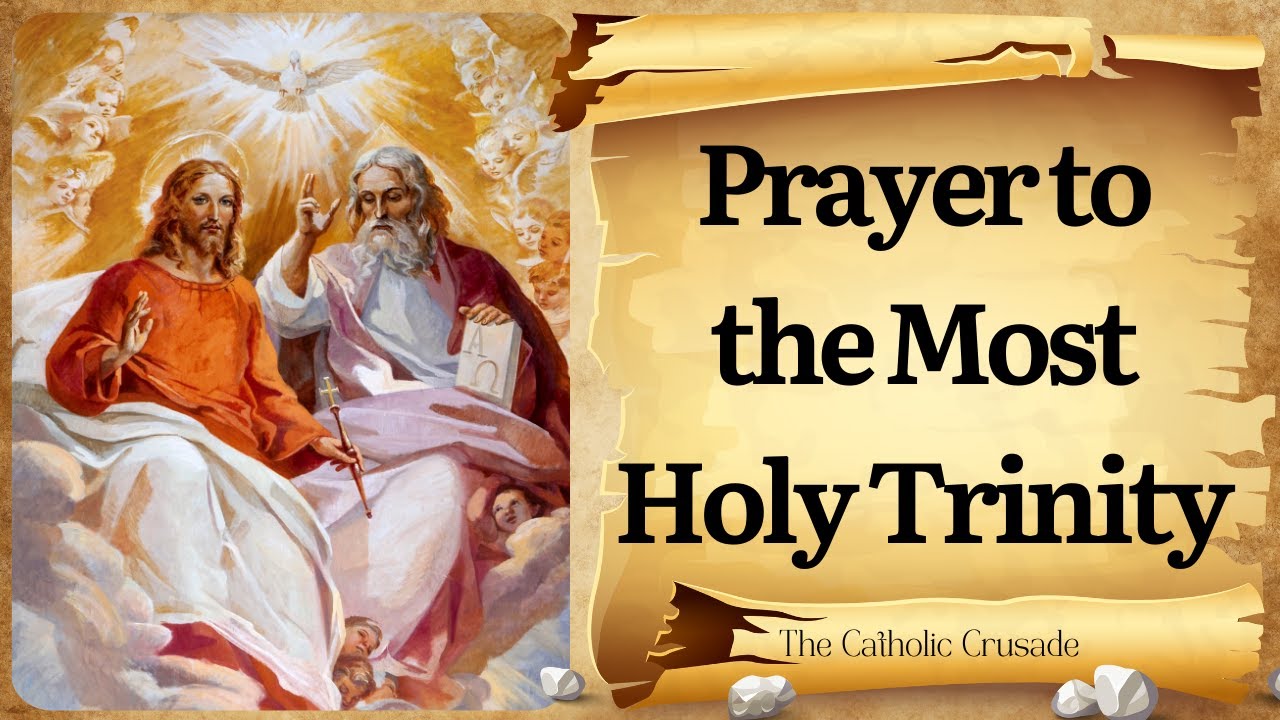
prayers to the most holy trinity
prayers to the most holy trinity are a time-tested way for Christians to adore God as Father, Son, and Holy Spirit. Whether you are new to faith or deepening a long-standing practice, these prayers offer a clear path to worship, gratitude, and guidance. In this article, we explore what prayers to the most holy trinity are, how to say them, why they matter, and how to integrate them into everyday life with confidence and peace.
At heart, prayers to the most holy trinity help us approach the mystery of one God in three Persons with humility and love. Rooted in Scripture and tradition, they give language to praise, petition, and thanksgiving that honours the Father, through the Son, in the Holy Spirit. You will find practical structures, well-known examples, original short prayers, and advice to avoid common mistakes—so you can pray with clarity rather than confusion.
What are prayers to the most holy trinity?
In everyday terms, prayers to the most holy trinity are words and intentions directed to God as a communion of love—Father, Son (Jesus Christ), and Holy Spirit. They are not simply about naming three titles; they are a way of entering into relationship with God who is both unity and diversity. Christians across traditions—Catholic, Orthodox, Anglican, and many Protestant communities—use Trinitarian prayer to honour God’s inner life and saving work: the Father as source and creator, the Son as redeemer, and the Holy Spirit as sanctifier and guide.
Because the Trinity is a profound mystery, we do not “solve” it in prayer. Instead, we let prayers to the most holy trinity shape our hearts and habits. This keeps our worship balanced, prevents us from focusing only on one Person of the Godhead, and grounds daily life in the pattern of Christian faith: to the Father, through the Son, in the Holy Spirit.
Core beliefs behind Trinitarian prayer
One God in three Persons
Christians believe there is one God in three co-equal, co-eternal Persons. This is not three gods (tritheism) nor one Person playing three roles (modalism). Rather, the three Persons—Father, Son, and Holy Spirit—are distinct yet inseparably one in nature and will. Recognising this ensures prayers to the most holy trinity are coherent and faithful to historic Christian teaching.
Biblical foundations
Trinitarian prayer flows naturally from the New Testament. Jesus commands baptism “in the name of the Father and of the Son and of the Holy Spirit” (Matthew 28:19). The apostles bless believers with a Trinitarian formula: “The grace of the Lord Jesus Christ, the love of God, and the fellowship of the Holy Spirit be with you” (2 Corinthians 13:14). When you make prayers to the most holy trinity, you are echoing this biblical pattern of faith and worship.
Doxology and worship
“Doxology” means words of praise. Classic doxologies glorify the triune God: “Glory be to the Father, and to the Son, and to the Holy Spirit.” The simple act of beginning and ending your day with such words keeps your faith centred. It also reminds us that God is both transcendent and near: the Father who loves, the Son who saves, and the Spirit who strengthens.
Why prayers to the most holy trinity matter today
It is easy to live as if God is distant. Trinitarian prayer recentres us in divine love and purpose. It balances our spiritual life—adoration of the Father, friendship with Christ, and openness to the Spirit’s guidance. In relationships, work, and decision-making, prayers to the most holy trinity prompt us to seek wisdom, patience, and courage from the God who is love-in-communion. This is not a theory; it is a practical pathway to a more grounded, peaceful, and compassionate life.
How to pray: a simple structure for daily life
Anyone can learn to pray in a Trinitarian way. You do not need technical language—only sincerity. The steps below offer a straightforward framework for prayers to the most holy trinity that you can adapt in two minutes or twenty.
A step-by-step guide
- Begin with the Sign of the Cross: “In the name of the Father, and of the Son, and of the Holy Spirit.” This sets your heart on God and opens all prayers to the most holy trinity.
- Adore the Father: Praise God for creation, provision, and faithful care. Briefly acknowledge your dependence and, if you wish, ask forgiveness.
- Come through the Son: Thank Jesus for his life, death, and resurrection. Trust that he intercedes for you and brings your prayers before the Father.
- Open to the Holy Spirit: Ask for wisdom, courage, and love. Pray for guidance in today’s tasks and for alignment with God’s will.
- Conclude with a doxology: For example, “Glory be to the Father, and to the Son, and to the Holy Spirit…” or “Through Christ our Lord. Amen.”
Keep it honest and short if needed. A heartfelt 60 seconds morning and evening will still root your day in God.
Well-known prayers to the most holy trinity
If you prefer familiar words, consider these time-honoured options used across many churches. They anchor your personal prayer in a shared, centuries-old worship.
- Sign of the Cross – “In the name of the Father, and of the Son, and of the Holy Spirit. Amen.” This simple prayer frames your day and dedicates your actions to God.
- Gloria Patri (Glory Be) – “Glory be to the Father, and to the Son, and to the Holy Spirit; as it was in the beginning, is now, and ever shall be, world without end. Amen.”
- Apostles’ or Nicene Creed – Both creeds summarise the Christian confession of the triune God. Reciting a creed occasionally can steady your faith and understanding.
- Traditional Trinity Collects – On Trinity Sunday and throughout the year, churches pray collects (short set prayers) praising God’s threefold majesty and asking for steadfast faith.
- Eastern “Trisagion” pattern – “Holy God, Holy Mighty, Holy Immortal, have mercy on us.” Although not naming the three Persons explicitly, it is a reverent Trinitarian-aligned act of worship.
Using these texts, along with your own words, keeps prayers to the most holy trinity both personal and rooted in the wider Christian family.
Original sample prayers to the Most Holy Trinity for everyday needs
Below are short, original prayers you can adapt. Feel free to add specific names, needs, or situations. These examples show how prayers to the most holy trinity can fit naturally into daily life.
1) Morning offering
Most Holy Trinity, I offer you this day: my thoughts, words, and deeds. Father, guide me; Jesus, redeem my intentions; Holy Spirit, inspire my choices. May love lead all I do. Amen.
2) For guidance at work
Father of lights, grant me wisdom; Lord Jesus, make my service honest and kind; Holy Spirit, steady my mind and help me listen well. May my work bless others and honour you. Amen.
3) For family unity
Triune God, source of all communion, bring peace to our home. Father, protect us; Son, heal our hurts; Holy Spirit, teach us patience and gentleness. Let our words build up, not tear down. Amen.
4) In illness or anxiety
Father, hold me; Jesus, be near me; Holy Spirit, strengthen me. I place my fear and pain in your care. Give me courage, skilled helpers, and enduring hope. Amen.
5) For forgiveness and reconciliation
Merciful Trinity, shine your truth and love into my heart. Father, forgive me; Jesus, teach me humility; Holy Spirit, help me take the next right step towards peace. Amen.
6) For the world
Holy Trinity, Lord of nations, bless our leaders with wisdom, our communities with justice, and our neighbours with compassion. Father, defend the vulnerable; Jesus, reconcile the divided; Holy Spirit, kindle new mercy among us. Amen.
7) Before study or creative work
Giver of gifts, open my mind to what is true and beautiful. Father, order my studies; Christ, be my teacher; Spirit, spark insight and perseverance. May learning serve love. Amen.
8) Evening prayer
Most Holy Trinity, thank you for today’s graces. Forgive what I have done poorly; bless the people I met; grant me restful sleep. Father, watch over me; Jesus, be my peace; Holy Spirit, renew my heart. Amen.
Using Scripture and tradition in prayers to the most holy trinity
Scripture-fed prayer is sturdy prayer. Consider reading a short passage before you pray—such as Matthew 28:16–20 or 2 Corinthians 13:11–14—and then offer your own words. You can also weave biblical phrases into your petitions: “Abba, Father,” “Lord Jesus, have mercy,” “Come, Holy Spirit.” Over time, this gives your heart a scriptural vocabulary, making prayers to the most holy trinity both authentic and focused.
Common mistakes and how to avoid them
- Overcomplicating theology: You do not need to master every doctrine to pray well. Keep it simple: praise the Father, come through the Son, ask the Spirit’s help.
- Neglecting one Person: If your prayer is only to Jesus or only to the Father, try to include the Spirit intentionally. Balanced prayers to the most holy trinity shape a balanced spiritual life.
- Mixing up the Persons: The Father is not the Son, and the Son is not the Spirit. Address each in their proper role while remembering they are one God.
- Praying by rote only: Memorised words are good, but engage your heart. Pause, breathe, and mean what you say.
- Skipping Scripture and community: Pair personal prayer with worship, teaching, and fellowship. It keeps your practice healthy and resilient.
- Forgetting daily life: Let your actions match your words—mercy, honesty, and generosity are part of Trinitarian worship.
Praying as a community: in church and at home
Across Christian traditions, worship is deeply Trinitarian: the readings and prayers, the creeds, and the final blessing reflect the Father, Son, and Holy Spirit. At home, families often begin meals or bedtime with the Sign of the Cross or a short doxology. In small groups, a simple liturgy—Scripture, silence, intercession, and a final “Glory be”—creates a gentle rhythm. In this way, prayers to the most holy trinity are not isolated acts but part of a living pattern shared by the wider Church.
Practical tips for consistency
- Attach prayer to existing habits: first cup of tea, commute, or bedtime.
- Keep a short list of intentions and update it weekly.
- Use one set text (e.g., the Gloria Patri) plus your own words.
- When distracted, quietly repeat a short line: “Come, Holy Spirit.”
- Review your day in God’s presence at night; thank, repent, and rest.
Small, steady steps will deepen your experience of prayers to the most holy trinity without pressure or perfectionism.
Recommended external resources
- In-depth overview of the doctrine of the Trinity (Encyclopaedia Britannica)
- Catechism of the Catholic Church on the Holy Trinity (official text)
- Common Worship resources for the Trinity season (Church of England)
- Teaching on the Holy Trinity (Greek Orthodox Archdiocese of America)
Related articles
Frequently asked questions about prayers to the most holy trinity
How often should I say prayers to the most holy trinity?
There is no fixed rule. Many people include a brief Trinitarian prayer in the morning and evening, and a short doxology during the day. A realistic plan—such as one to three minutes at set times—helps you stay consistent.
Is there a correct order when addressing the Father, Son, and Holy Spirit?
The classic pattern is to the Father, through the Son, in the Holy Spirit. That said, Christians also address Jesus and the Spirit directly. Keep your prayer balanced, respectful, and rooted in Scripture.
Can non-Catholic Christians use prayers to the most holy trinity?
Yes. Trinitarian prayer belongs to the whole Church. Anglican, Orthodox, and many Protestant traditions use creeds and doxologies that praise Father, Son, and Holy Spirit together.
Are prayers to the most holy trinity the same as the Rosary?
No. The Rosary is a Marian devotion that includes Trinitarian elements, such as the Glory Be. You can, however, frame any devotion with a Trinitarian beginning and ending.
What if I struggle with the doctrine of the Trinity?
You are not alone. Let prayer lead you into trust rather than pressure. Use simple words, rely on Scripture, and, if possible, learn within a worshipping community. Understanding deepens over time.
Are there very short forms of prayers to the most holy trinity?
Yes. Try the Sign of the Cross or the Gloria Patri. Even whispering “Father, through Jesus, in your Spirit—help me” is a meaningful Trinitarian prayer in busy
