Movies on Noah: essential, updated guide with 12 best picks
movies on noah
For many viewers, movies on noah offer a compelling blend of epic spectacle, moral reflection and timeless storytelling. Whether you come from a faith background or simply enjoy thought-provoking cinema, these films use the story of the Ark and the Flood to explore human choices, survival, justice and hope. In recent years, directors have revisited the theme with new visual techniques and fresh interpretations, prompting lively discussion about what the source texts say and how art can reimagine them for modern audiences.
As a subject, Noah lends himself naturally to the screen: a global cataclysm, a family’s perilous mission, the animal kingdom gathered two by two, and a dilemma that cuts to the heart of what it means to be human. Movies on noah focus on these big ideas while also addressing small, intimate moments—doubt, obedience, love and grief—making the story feel immediate rather than distant.
This guide sets out the essentials: the background of the narrative, the most notable titles, the themes they share, how to watch critically, and where to learn more. Along the way, we will highlight places where films diverge from scripture, and suggest respectful ways to discuss those differences after the credits roll.
Understanding movies on noah: origins and appeal
At their core, movies on noah are adaptations of one of the world’s most recognisable stories. The account appears in the Book of Genesis and is echoed in various traditions, featuring a righteous man who builds an ark, preserves life during a great flood and steps into a renewed world. Filmmakers return to the story because it provides dramatic stakes, mythic imagery and a canvas large enough for profound ethical questions.


Noah in scripture: the essentials
In the biblical narrative, Noah is chosen to build the Ark as a response to widespread violence and corruption. He gathers his family and pairs of animals, endures the deluge and later offers thanks when the waters subside. A covenant is established, often symbolised by the rainbow, promising that such a flood will not recur. Movies on noah often draw from this core arc but make creative decisions about what happens in between—how long the voyage feels, how the family copes, and what Noah himself thinks or fears.
Why the story resonates on screen
The Flood is both intimate and vast: it centres on one household yet speaks to humanity’s collective future. Directors are drawn to that scale, using visual effects to depict the storm while anchoring the drama in character. Thematically, films about Noah combine survival against all odds with questions of responsibility: to each other, to the natural world and to the sacred. For these reasons, movies on noah have reappeared across decades, each mirroring the anxieties and hopes of its time.
Notable movies on noah across decades
A range of productions—from silent-era epics to modern blockbusters and family animations—have tackled the Flood narrative. Below are representative examples that show how differently the story can be told.
Noah (2014): a modern, ambitious epic
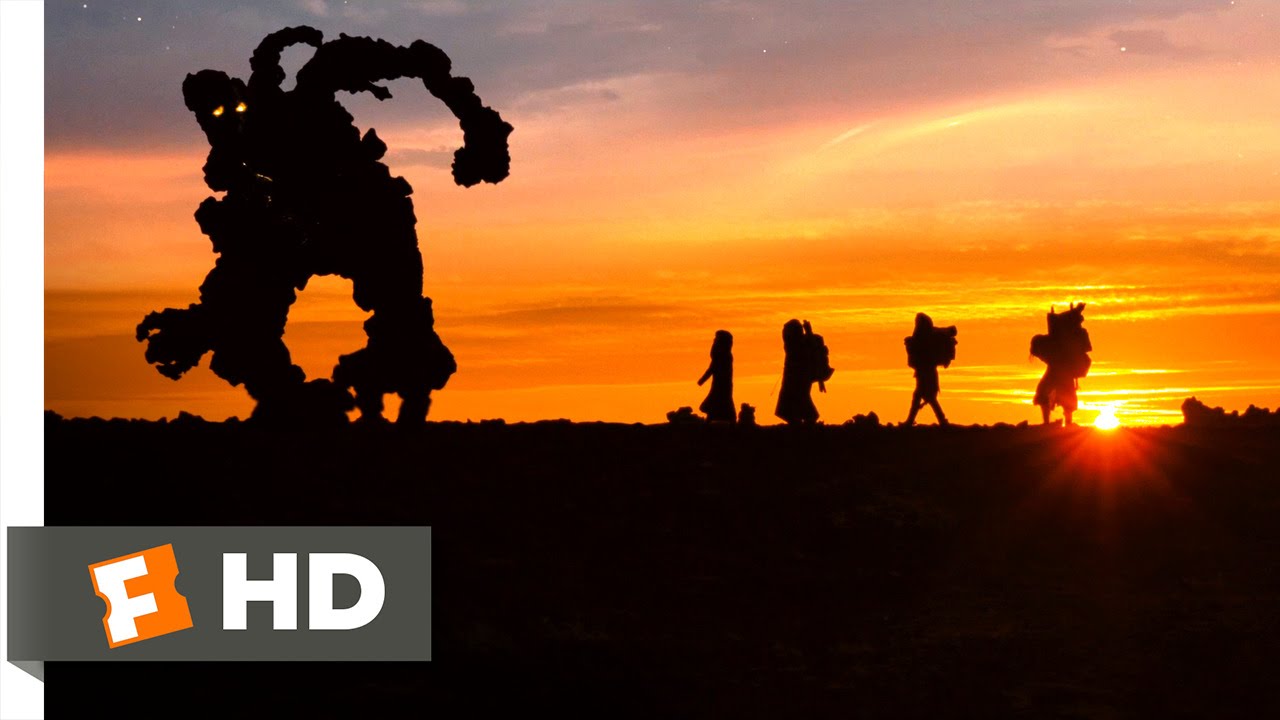
Darren Aronofsky’s Noah, starring Russell Crowe, offers a bold psychological portrait of its central figure. It commits to large-scale visuals while foregrounding Noah’s internal struggle with divine instruction and the weight of judgement. The film also introduces elements not explicit in Genesis, such as the Watchers, whose presence reflects extra-biblical traditions. As one of the most discussed movies on noah, it sparked debate about fidelity to the text, the portrayal of environmental stewardship and the depiction of mercy versus justice.
Critical reception was mixed-to-strong, with praise for performances and ambition alongside disagreements over interpretation. For a detailed overview of the production and its reception, consider the Wikipedia overview of Darren Aronofsky’s Noah (2014) and aggregated reviews on the Rotten Tomatoes page for Noah (2014).
Earlier epics and television portrayals
Long before modern CGI, filmmakers attempted the Flood on screen. The silent-era film “Noah’s Ark” (1928) juxtaposed ancient and contemporary stories, reflecting the optimism and fears of its day. Several television miniseries and telefilms have since explored the narrative with a greater focus on family dynamics and moral dilemmas, sometimes compressing or expanding events to fit episodic structure. BBC dramas and other broadcasters have produced thoughtful versions that emphasise character over spectacle, proving that movies on noah need not be purely effects-driven to be compelling.
Animated and family-friendly interpretations
Animated films and comedies have also adapted the Ark story for younger audiences or modern settings. Titles such as “Ooops! Noah Is Gone…” (also known as “Two by Two”) imagine the experience from the animals’ perspective, while family programmes and educational animations retell the core events simply. Although lighter in tone, these movies on noah still introduce themes of cooperation, courage and care for creation, making them useful conversation starters for families and classrooms.
Themes that define movies on noah
Despite their variety, many films share recurring ideas. Recognising these can help you analyse what a particular production emphasises and why.
Faith, doubt and obedience
Central to most stories is Noah’s response to a daunting call. Does he act out of unwavering confidence, or does doubt creep in as the storm approaches? Movies on noah often depict his struggle to reconcile personal love for his family with a task that feels overwhelming. This tension is fertile ground for drama because it mirrors our own choices when duty conflicts with desire.
Stewardship of the natural world
The Ark naturally highlights humanity’s relationship with animals and the environment. Many contemporary films underscore ecological responsibility, extending the narrative’s concern for preserving life into a broader ethic of care. Whether or not one views the Flood story as literal history, movies on noah commonly invite reflection on how we treat the planet and its creatures.
Justice, mercy and new beginnings
The Flood raises stark ethical questions: how does justice apply on a universal scale, and how is mercy shown afterwards? The covenant following the waters’ retreat functions in many films as a symbol of hope. By ending not simply with survival but with renewal, movies on noah can encourage audiences to reflect on second chances in their own lives.
How accurate are movies on noah?
Accuracy is a frequent talking point. While some productions closely follow the Genesis account, others incorporate legends and interpretations from later writings. Movies on noah often balance three goals: telling a gripping story, honouring the spiritual core and making sense to contemporary viewers. Inevitably, creative choices enter—sometimes helpfully clarifying characters, at other times provoking disagreement.
Scripture and artistic licence
The biblical text is relatively concise, leaving filmmakers to imagine conversations, motivations and specific logistics for building and stocking the Ark. Some introduce characters or conflicts not named in Genesis to heighten drama. Understanding this helps explain why two movies on noah, both “based on the same story”, can feel very different. When a film references traditions like the Watchers or giants, it is typically drawing on literature outside the Bible, such as texts associated with Enochic writings; for background, you might appreciate this accessible summary of the Book of Enoch.
History, archaeology and sober expectations
Beyond religious texts, interest in the Ark often turns to questions of evidence. Archaeological claims arise periodically, but consensus among historians is cautious. For a balanced overview of Noah as a figure within religious literature and culture, see the Encyclopaedia Britannica article on the biblical figure Noah. Movies on noah sometimes nod to expeditions and discoveries, yet the most robust films focus less on “proof” and more on the narrative’s ethical and spiritual resonance.
Watching movies on noah with a critical eye
Approaching these films thoughtfully can greatly enhance your viewing. You need not be a scholar to ask helpful questions about choices the filmmakers made, and how those choices affect meaning.
What to look for
- Textual fidelity: Which elements are directly from Genesis, and which are inventions? How do added scenes influence the message?
- Characterisation: Does Noah feel recognisably human—capable of compassion as well as conviction? How are other family members portrayed?
- Ethical framing: How does the film balance justice and mercy? Do the consequences feel earned and proportionate?
- Craft and tone: Consider cinematography, sound design, pacing and score. Do effects serve the story, or distract from it?
- Cultural sensitivity: Movies on noah can reflect modern concerns; assess how respectfully the film handles faith and tradition.
For families, groups and educators
If you plan a group viewing, preview content guidance: some films convey disaster and peril realistically, which may be intense for younger viewers. Before pressing play, decide on two or three questions you’d like to discuss afterwards—for example, “What does the film say about responsibility?” or “Which character’s decision was most difficult?”
For study groups, consider reading a short passage from Genesis before and after the screening to see how the film aligns with or departs from the text. In contexts where the language of “Israel” and “the nations” arises in post-Flood discussions, a brief refresher on the meaning of the term ‘Gentiles’ may be helpful for orientation, even though the Noah account predates later distinctions.
Comparing different approaches
One useful method is comparative viewing. Watch two movies on noah released in different eras and note how each reflects its cultural moment—perhaps one emphasises ecological stewardship while another centres on familial loyalty. Ask how music, colour palette and pacing shape your perception of the divine, the human and the natural world.
Recommended external resources
If you’re exploring movies on noah further, these resources provide accessible background and a range of perspectives.
- Wikipedia overview of Darren Aronofsky’s Noah (2014) – production details, themes and references.
- Rotten Tomatoes page for Noah (2014) – aggregated critical and audience responses.
- Encyclopaedia Britannica article on the biblical figure Noah – concise background on the scriptural character.
- BFI article on great biblical epics – broader context for Bible-inspired cinema.
Related articles
Frequently asked questions about movies on noah
Are movies on noah suitable for children?
It depends on the title. Some animated versions are made for families and handle peril gently. Others, particularly large-scale dramas, depict disaster and complex moral conflict that could unsettle younger viewers. Check age ratings and read a synopsis first, then decide based on your child’s sensitivity.
Which films stick closest to the biblical account?
Most productions include artistic licence, adding dialogue and scenes that the concise Genesis text does not specify. Some television versions aim for closer adherence, while big-budget features experiment more. When in doubt, read the relevant chapters in Genesis and compare to see where a film diverges.
Why do some films include giants or the Watchers?
These elements come from extra-biblical literature, not strictly from the Genesis account as read in most Bibles. Filmmakers sometimes include them for mythic texture or to explore themes of rebellion and redemption. If you encounter such motifs in movies on noah, it’s because the creators are drawing from a wider set of traditions.
How can I discuss a film respectfully with people of different beliefs?
Focus on shared themes—justice, mercy, care for others—before turning to doctrinal points. Ask open questions (“What stood out to you?”) rather than making assumptions. Acknowledge that movies on noah are interpretations, not scriptures, and that viewers will bring their own experiences to the story.
Where were these films shot, and does location matter?
Productions often film in locations that can stand in for ancient landscapes—Iceland, New Zealand, desert regions or studio-built sets. The choice affects mood and authenticity but does not by itself determine a film’s quality. Concentrate on how cinematography and design serve the narrative.
Is there a “best” order to watch them?
Try a mix: one large-scale feature, one TV drama and one family-friendly retelling. That variety shows how flexible the narrative is, and how different creative goals shape the outcome. A comparative approach can make movies on noah more rewarding, highlighting contrasts in tone and emphasis.
Conclusion on movies on noah
The enduring appeal of movies on noah rests on their ability to combine universal themes with striking imagery. From intimate portraits of a family in crisis to sweeping visions of the deluge, these films invite us to weigh duty against compassion, justice against mercy and fear against hope. They remind us that even the grandest stories turn on recognisably human choices.
Whether you prefer faithful retellings or bold reinterpretations, approaching the material thoughtfully pays off. Ask what each film emphasises, where it imagines beyond the text and how its craft shapes your response. As you explore different movies on noah, you may find that each one reveals a new facet of an ancient tale—prompting fresh conversations about responsibility, renewal and the possibility of beginning again.
If you’re selecting a film for family or group viewing, consider tone, age guidance and discussion prompts in advance. With a little preparation, movies on noah can provide a meaningful shared experience: a chance to learn, to debate gently and to reflect on timeless questions that continue to shape our lives.
