Prayer to the Virgin Mary Orthodox: Essential Guide in 5 Steps
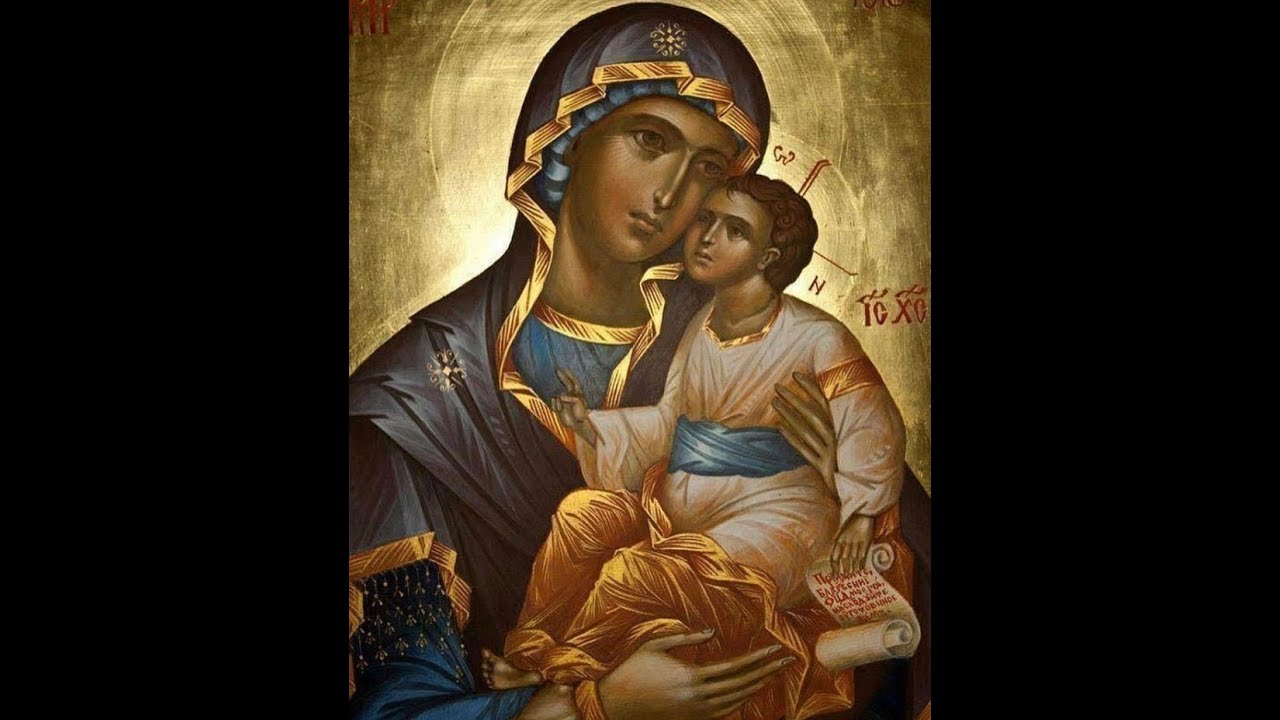
prayer to the virgin mary orthodox: meaning, texts, and how to pray
The phrase prayer to the virgin mary orthodox refers to the rich, time-tested ways Orthodox Christians turn to the Mother of God, the Theotokos, for intercession and help. Far from being an optional extra, this devotion is woven through the daily life of the Church: in services, in homes, and in the hearts of believers who ask the Mother of God to guide them to her Son. If you are curious about how Orthodox prayer to Mary works, which hymns are used, or how to get started at home, this clear, practical guide will help.
At its best, prayer to the virgin mary orthodox is Christ-centred, humble, and anchored in Scripture and the worshipping tradition. Orthodox Christians venerate (honour) Mary without worshipping her, asking her to pray with them and for them, as the foremost among the saints and the first witness to the Incarnation.
What is prayer to the virgin mary orthodox in the Orthodox Church?
In Orthodox Christianity, prayer to the Virgin—addressing the Theotokos, or “God-bearer”—is a way of seeking the intercession of the Mother of God. When we speak of prayer to the virgin mary orthodox, we are describing biblical and historic Christian devotion: Mary proclaims “All generations will call me blessed” (Luke 1:48), and the Church has done precisely that for two millennia.
Key to understanding prayer to the virgin mary orthodox is the distinction between veneration and worship. Worship (latreia) is due to God alone—Father, Son, and Holy Spirit. Veneration (proskynesis) is the honour given to saints, and above all to the Theotokos, because of her unique role in salvation history. When Orthodox believers ask Mary to “save us,” the phrase means “deliver us, help us” through her intercession with Christ, who alone is Saviour.

Because Mary is the living icon of obedience and love for Christ, her prayers are seen as powerful. In Orthodox liturgy, hymns to the Theotokos appear frequently, especially at Vespers, Matins (Orthros), the Divine Liturgy, and Compline. The faithful also turn to her in private prayer at home, in moments of joy and need.
Core prayers and hymns to the Theotokos
While there is no single, rigid formula for prayer to the virgin mary orthodox, some classic hymns and prayers recur in services and personal devotion. These include ancient texts whose beauty and theology have nurtured Christians for centuries.
The Akathist Hymn
The Akathist Hymn is a lengthy, poetic tribute to the Mother of God. Traditionally offered on the five Fridays of Great Lent (especially the fifth Friday), it praises God for the Incarnation and honours Mary as the ladder by which God descended. “Akathist” means “not seated”—the faithful stand throughout. It is particularly beloved for meditation and gratitude. Many parishes pray parts of the Akathist outside Lent as well, making it a cornerstone of prayer to the virgin mary orthodox.
The Paraklesis (Supplicatory Canon)
The Paraklesis, or Supplicatory Canon to the Theotokos, is a service of intercession and comfort, often prayed daily during the Dormition Fast (1–14 August) and whenever the faithful need consolation. It includes petitions for the sick, the troubled, and the bereaved. This service epitomises the heart of prayer to the virgin mary orthodox: trusting, compassionate, and focused on God’s mercy through Mary’s prayers.
Beneath Thy Compassion
“Beneath Thy compassion we take refuge, O Theotokos…” is among the earliest Marian prayers, known from Christian Egypt by the third century. Simple and direct, it is a beautiful daily prayer in times of danger or fear. Many Orthodox Christians memorise it for use at any time.
Troparia and the “Theotokion”
Throughout the services, short hymns (troparia) honour the Theotokos. One common text begins “Rejoice, O Virgin Theotokos, Mary full of grace,” a compact confession of Christ’s incarnation and a request for her intercession. A “Theotokion” is a hymn to the Mother of God appended to other hymns; these appear constantly in Orthodox worship, ensuring that prayer to the virgin mary orthodox remains a steady, gentle rhythm in Church life.
How to practise prayer to the virgin mary orthodox at home and in church
The spirit of prayer matters more than length or eloquence. The following steps can help you practise prayer to the virgin mary orthodox in a grounded, reverent way.
- Create a prayer corner: Place an icon of Christ and the Theotokos, with a candle or lamp. Keep a prayer book and, if you use one, a prayer rope.
- Begin with God: Open with the Sign of the Cross, the Trisagion (“Holy God, Holy Mighty, Holy Immortal…”), and the Lord’s Prayer. Orthodoxy always begins with God because Mary leads us to her Son.
- Use a short hymn: A troparion to the Theotokos, or “Beneath Thy Compassion,” prepares the heart. This is a concise form of prayer to the virgin mary orthodox suitable for busy days.
- Offer your intention: Speak simply—ask for protection, wisdom, health, or peace. Pray for others by name.
- Read a psalm: Psalms 50/51 (repentance) or 90/91 (protection) complement Marian petitions with biblical prayer.
- Close with thanksgiving: Thank God for Mary’s example and intercession; end with the Sign of the Cross.
In church, you will encounter structured services like Vespers, the Divine Liturgy, and special services such as the Paraklesis. Participate as best you can—stand when the congregation stands, follow the chant, and join in refrains and litanies. Even if you are new, being present is already a profound way to live prayer to the virgin mary orthodox.
When to use prayer to the virgin mary orthodox through the year
Orthodox devotion to the Theotokos follows a yearly rhythm. Knowing these moments can help you deepen prayer to the virgin mary orthodox with the Church’s seasons.
- Annunciation (25 March): Celebrates the Incarnation. Marian hymns here are profoundly Christ-focused.
- Nativity of the Theotokos (8 September): Marks Mary’s birth, a feast of hope and new beginnings.
- Entrance of the Theotokos into the Temple (21 November): Commemorates her dedication to God.
- Dormition (15 August): The “falling asleep” of Mary, celebrated after a two-week fast with frequent Paraklesis services.
- Protection of the Theotokos (1 October, in many traditions): A feast of Mary’s sheltering care (Pokrov).
- Great Lent: The Akathist Hymn is chanted across several Fridays, culminating on the fifth Friday.
Beyond feasts, many people turn to prayer to the virgin mary orthodox at life milestones: before travel, during pregnancy, when children start school, prior to medical procedures, or when grieving. You might also incorporate a short Marian hymn into your morning and evening prayers all year round.
Theology in brief: veneration, Scripture, and Christ at the centre
Prayer to Mary in the Orthodox Church rests on Scripture and the early councils. The title Theotokos (God-bearer) was affirmed at the Council of Ephesus (AD 431), safeguarding the truth that the One born of Mary is truly God and truly human. Luke’s Gospel records the Archangel’s greeting and Mary’s blessedness; at Cana (John 2), her intercession prompts Christ’s first public sign. In this light, prayer to the virgin mary orthodox is not a detour from Christ but a trusted way of approaching him with the Church’s first and greatest intercessor.
Orthodox believers are careful to maintain the difference between worship and veneration. Worship is directed to God alone, while honouring Mary reflects God’s work in her and his promise to exalt the humble. This balance keeps prayer to the virgin mary orthodox healthy and theologically sound.
Cultural expressions across the Orthodox world
Orthodoxy is global, and Marian devotion takes many artistic and musical forms. In Greek traditions, the Akathist is especially prominent during Lent; in Slavic churches, icons such as the “Kazanskaya,” “Hodegetria,” and “Eleusa” (Virgin of Tenderness) are beloved. Arabic-speaking Orthodox often sing hymns to the “Yoldath Aloho” (Mother of God). Though melodies and icon styles vary, the heart of prayer to the virgin mary orthodox remains constant: honouring the Mother of God so that we might love her Son more deeply.
Prayers for particular needs
It helps to have a few short texts at hand. These examples capture the tone and theology of prayer to the virgin mary orthodox—humble, Christ-focused, and trusting in the Theotokos’ intercession.
- For protection: “Most holy Theotokos, shelter me under your veil. Intercede with your Son, our Lord Jesus Christ, to guard me this day from harm and grant me peace.”
- For the sick: “O Virgin Theotokos, who carried the Physician of souls and bodies, pray for N., that Christ may grant healing, strength, and hope.”
- For children: “Holy Mother of God, guide my children in faith and wisdom. Ask your Son to keep them safe and make them lovers of truth.”
- In anxiety: “Beneath your compassion, we take refuge, O Theotokos. Do not overlook my petitions, but deliver me from distress, for you alone are blessed.”
You can include these in morning or evening prayer, or before important tasks. When emotions run high, even a single sentence—“Most holy Theotokos, save us”—can be a whole-hearted prayer to the virgin mary orthodox.
Common mistakes to avoid (and gentle corrections)
- Thinking Mary replaces Christ: She never does. In prayer to the virgin mary orthodox, Mary intercedes; Christ alone saves and forgives.
- Praying mechanically: Quantity is not the goal. Better to pray one stanza of the Akathist slowly than to rush through many pages.
- Ignoring Scripture: Marian devotion flourishes when nourished by the Psalms and Gospels. Read Luke 1 regularly as part of your practice.
- Expecting instant results: Intercessory prayer is not a switch. Be patient, keep praying, and join prayer with acts of charity and confession.
- Neglecting parish life: Private devotion should harmonise with the Church’s services. The best school of prayer to the virgin mary orthodox is the liturgy itself.
Practical tips for beginners
- Start small: Add one Marian hymn to your evening prayers three times a week.
- Use an icon: Let the icon guide your attention; pray as if you stand before the living Mother of God, not an abstract idea.
- Keep a prayer journal: Note intentions and thanksgivings. Over time, you will see how prayer to the virgin mary orthodox deepens your faith.
- Learn a service: During August, attend a Paraklesis. During Lent, stand for the Akathist. Participation teaches by doing.
Understanding differences and common ground
Christians sometimes compare Orthodox Marian devotion with that of other traditions. For instance, the Orthodox Church celebrates the Dormition (her falling asleep) and refrains from defining some doctrines later articulated in the West; yet the love and honour shown to Mary are profound in both East and West. If you wish to place prayer to the virgin mary orthodox within the wider Christian family, it helps to study the underlying theology, liturgy, and language used in each tradition.
Recommended external resources
- Overview of the title “Theotokos” and its history for context on why Mary is called the Mother of God.
- Detailed background on the Akathist Hymn, including its structure and use in Lent.
- Explanation of the Paraklesis (Supplicatory Canon) to understand how intercessory prayer is offered.
- Orthodox Church in America: The Orthodox Faith – Worship for accessible articles on services, hymns, and prayer in Orthodox life.
Related articles
Frequently asked questions about prayer to the virgin mary orthodox
Is praying to Mary the same as worship?
No. In the Orthodox Church, worship is given to God alone. Prayer to the virgin mary orthodox is a request for the Theotokos to intercede with her Son on our behalf. The honour shown to Mary reflects God’s work in
