Earliest prayer to the Virgin Mary: 5 key facts, essential guide

earliest prayer to the virgin mary
The earliest prayer to the virgin mary is a short, beautiful invocation that has been treasured for well over 1,700 years. Known in Latin as “Sub tuum praesidium” and often translated as “Beneath Thy Protection”, it reveals how the first generations of Christians turned to Mary, the mother of Jesus, asking for her intercession and help in times of danger. This article explains what the prayer is, why it matters, how it developed, and how you can pray it today.
Understanding the earliest prayer to the virgin mary can enrich anyone’s appreciation of early Christian history, offer insight into how Christians have honoured the mother of Christ, and provide a simple, time-tested way to pray in daily life. Whether you are exploring faith, deepening your devotion, or simply curious about history, this guide offers a clear and friendly introduction.
What is the earliest prayer to the virgin mary?
When people speak about the earliest prayer to the virgin mary, they almost always mean the ancient text “Sub tuum praesidium”. The prayer survives on a small piece of Greek papyrus, commonly dated to the third century. It is striking for two reasons. First, it calls Mary Theotokos—“God-bearer” or “Mother of God”—a title that affirms who Jesus is. Secondly, it shows that early Christians asked Mary to intercede for them, especially in times of trial and danger.
While there are many popular forms of prayer to the Virgin Mary today—like the Rosary or the Memorare—this brief text is widely regarded as the oldest Marian prayer we possess in written form. In later centuries it found a home in Eastern and Western liturgies, and it is still used today in churches, homes, and personal prayer.

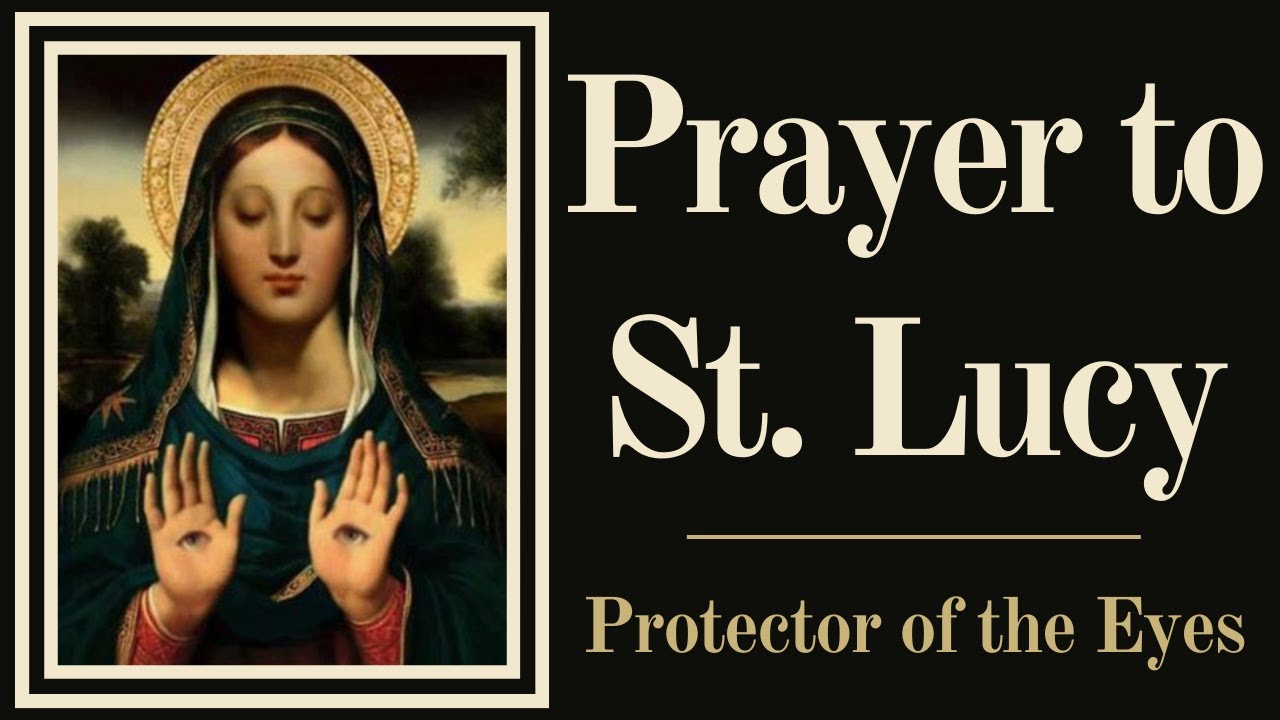
History behind the earliest prayer to the virgin mary
The papyrus evidence
The oldest surviving copy of the prayer appears on a fragment known as Papyrus Rylands 470. Scholars have studied its language and handwriting to suggest a date, with many placing it in the 200s AD. This is significant because it shows devotion to Mary as intercessor far earlier than many people realise. For a concise overview, see the entry on the papyrus and the prayer itself in trusted reference sources such as Papyrus Rylands 470 and Sub tuum praesidium.
Dating and what it tells us
Debates about exact dating are common in ancient texts. However, even a conservative view places the prayer well before the fifth century. That matters: it means Christians were addressing Mary as Theotokos before the Council of Ephesus (AD 431) formally affirmed the title. In other words, the theology expressed in the earliest prayer to the virgin mary was already alive in everyday belief and worship long before it was defined in councils.
The title Theotokos and early Christian faith
Calling Mary Theotokos is a way of safeguarding a truth about Jesus: he is one person, truly God and truly man. Early Christians used language about Mary to protect sound teaching about Christ. The earliest prayer to the virgin mary therefore is not simply sentimental: it is a compact expression of who Jesus is and how the faithful approached his mother for help.
Text and translations of the earliest prayer to the virgin mary
The text appears in Greek and later in Latin. Because the original fragment is ancient, different translations vary slightly. A common English version reads along these lines:
“We fly to your protection, O Holy Mother of God; do not despise our petitions in our necessities, but deliver us always from all dangers, O glorious and blessed Virgin.”
Another widely used form says: “Beneath your protection we take refuge, O Theotokos; do not ignore our prayers in adversity, but rescue us from danger, only pure and blessed one.” You can compare recognised versions via Britannica’s overview of Mary and this devotional presentation on EWTN’s page for Sub tuum praesidium.
Whichever wording you use, the heart of the prayer stays the same: seeking Mary’s motherly protection and asking her to present our needs to God. This is why the earliest prayer to the virgin mary continues to resonate across cultures and eras.
Why the earliest prayer to the virgin mary matters
- It is a historical witness: The prayer anchors Marian devotion in the earliest centuries of Christianity.
- It is pastorally simple: Its few lines are easy to memorise and use in daily life.
- It is theologically rich: The title Theotokos safeguards belief in Christ’s divinity and humanity.
- It is ecumenically informative: Understanding such texts helps in conversations between different Christian traditions.
How Christians use the earliest prayer to the virgin mary today
In Catholic devotion
Many Catholics pray Sub tuum praesidium at the close of night prayers, during times of distress, or in the month of May, traditionally dedicated to Mary. It is also used in schools, families, and parish groups as a concise prayer to conclude meetings or to respond to news events and crises. While it is brief, it pairs well with other devotions, such as the Rosary or chaplets, and is valued for its time-tested language of trust and refuge.
In Orthodox and Eastern traditions
In the Byzantine tradition, the prayer appears in services and private devotion. Veneration of Mary as Theotokos is central in the East, and the earliest prayer to the virgin mary sits naturally alongside hymns like the Akathist and other Marian texts. For a wider orientation to historic differences and common ground, see this overview of Orthodox vs Catholic, which helps place the prayer within broader Christian practice.
In Anglican and Protestant contexts
Some Anglicans use the prayer privately or in Anglo-Catholic settings, especially where historic liturgy is appreciated. Among Protestants more generally, approaches vary. Even where direct invocation of saints is not practised, the earliest prayer to the virgin mary can be studied as a window into early Christian belief and devotion to Christ.
Key themes inside the earliest prayer to the virgin mary
Seeking refuge
“We fly to your protection” evokes shelter, almost like running to a safe place during a storm. The earliest Christian communities faced persecution, war, and disease. The earliest prayer to the virgin mary captures this urgency and places it in the context of faith.
Intercession, not worship
Christians who use this prayer are not worshipping Mary. They are asking her to intercede—to pray for them—because she is close to Christ. This mirrors asking a friend to pray for you, with the added confidence that Mary, as the mother of Jesus, uniquely points believers towards her Son.
Deliverance from danger
The prayer specifically mentions deliverance from peril. Historically that could have meant persecution or plague. Today, many pray it for protection from anxiety, violence, accidents, or spiritual struggle. The earliest prayer to the virgin mary is short enough to remember in moments of worry and pressure.
A simple way to pray the earliest prayer to the virgin mary
You can pray Sub tuum praesidium on its own or as part of a daily routine. Consider these straightforward steps:
- Find a quiet moment and recall that you are in God’s presence.
- Address Mary with the words of the prayer, slowly and attentively.
- Add your own brief petitions: name the person or situation you are praying for.
- Conclude by entrusting everything to Christ, perhaps with the Sign of the Cross or the Lord’s Prayer.
Many people pray the earliest prayer to the virgin mary at the end of the day, before travelling, when facing exams or medical appointments, or during emergencies. Others weave it into longer devotions. You may also combine it with other time-honoured prayers like a chaplet; for example, see this clear guide to the Divine Mercy Chaplet prayer for a structured devotion focused on God’s mercy.
Practical tips for learning and sharing the earliest prayer to the virgin mary
- Print or save a trusted version on your phone and keep it to hand.
- Memorise it by praying it aloud once or twice daily for a week.
- Teach it to children or friends as a short, comforting prayer for difficult moments.
- Use it to close meetings, Bible studies, or small groups when appropriate.
- Pair it with a Scripture verse about trust or protection (for instance, Psalms or Isaiah).
Common misunderstandings about the earliest prayer to the virgin mary
“Isn’t this prayer unbiblical?”
While the wording is not in the Bible, the practice of asking others to pray for us is. The Church also honours Mary because she bore Christ and said “yes” to God. The earliest prayer to the virgin mary belongs to the stream of Christian tradition that affirms who Jesus is and values intercessory prayer.
“Does this replace praying to God?”
No. The earliest prayer to the virgin mary is a way of asking for Mary’s help to bring our needs to Christ. It complements, not replaces, direct prayer to God. In Christian belief, all authentic prayer ultimately leads us to the Trinity.
“Is this only for Catholics or Orthodox?”
The prayer’s origins lie in the undivided Church. While different Christians will approach it differently, anyone studying early Christianity will find it a valuable historical and devotional text. The earliest prayer to the virgin mary is part of the shared heritage of the first centuries.
How the earliest prayer to the virgin mary has shaped Christian culture
Beyond personal devotion, Sub tuum praesidium has influenced hymnody, art, and liturgy. Icons and paintings often depict Mary extending her mantle over people seeking shelter—a visual echo of “Beneath your protection”. The prayer has been sung in monasteries, whispered in homes during wartime, and recited at bedsides in hospitals. All of this shows how a short text can become a thread binding together everyday faith across centuries.
Recommended external resources
- Overview of Sub tuum praesidium, the earliest Marian prayer – history, text, and usage.
- Background on Papyrus Rylands 470 – the ancient manuscript fragment that preserves the prayer.
- Britannica: Mary, mother of Jesus – context on Mary’s role in Christianity.
- EWTN: Sub tuum praesidium – the prayer text with devotional guidance.
Related articles
Frequently asked questions about earliest prayer to the virgin mary
What does “Sub tuum praesidium” mean?
It is Latin for “Beneath your protection”. The phrase is the traditional title of the earliest prayer to the virgin mary, which asks Mary, the Mother of God, to shelter and assist us in times of need.
How old is the earliest prayer to the virgin mary?
Scholars commonly date the surviving Greek papyrus to the third century. Even allowing for debate, it is very early—well before the fifth-century councils that articulated Marian titles in formal theology.
Why is Mary called Theotokos in this prayer?
Theotokos means “God-bearer” or “Mother of God”. Using the title protects the truth that Jesus is truly God and truly man. The earliest prayer to the virgin mary shows that this language was already familiar in Christian devotion before it was formally defined.
How can I include the earliest prayer to the virgin mary in my day?
Say it each evening, before travel, or whenever you feel anxious. You can pray it alone or with others, or add it to the end of other devotions. Because it is short, it is easy to memorise and use spontaneously.
Is this prayer only for certain denominations?
The prayer is part of the shared heritage of early Christianity. Catholics and Orthodox use it widely, some Anglicans do too, and many other Christians study it for historical and theological insight.
Isn’t asking Mary for help the same as worship?
No. Worship is due to God alone. The earliest prayer to the virgin mary asks Mary to intercede, just as we ask friends to pray for us. It is a request for prayer, not an act of adoration.
Where can I read trustworthy versions of the prayer?
Good places to start include reputable reference pages and established Christian organisations, such as the resources listed above. These provide the Greek, Latin, and English texts alongside historical background.
Conclusion on earliest prayer to the virgin mary
Short, ancient, and deeply meaningful, the earliest prayer to the virgin mary—Sub tuum praesidium—offers a glimpse into the faith of the first Christians and a practical way to pray today. Its appeal lies in its simplicity: asking the Mother of God for protection and help, while keeping our focus on Christ.
Historically, the prayer affirms what Christians believe about Jesus and shows that Mary’s intercession has been cherished from the beginning. Spiritually, it serves as a compact refuge in moments of fear or uncertainty. Whether used in a quiet corner at home, in a church service, or on a busy commute, the earliest prayer to the virgin mary remains a steady companion.
If you wish to begin, choose one trustworthy translation and pray it slowly each day. In doing so, you join a long line of believers who have found comfort and courage “beneath [her] protection”. The earliest prayer to the virgin mary is not just a historical artefact; it is living prayer for modern hearts.
