Prayer to pur lady of sorrows: essential, practical guide in 7 steps
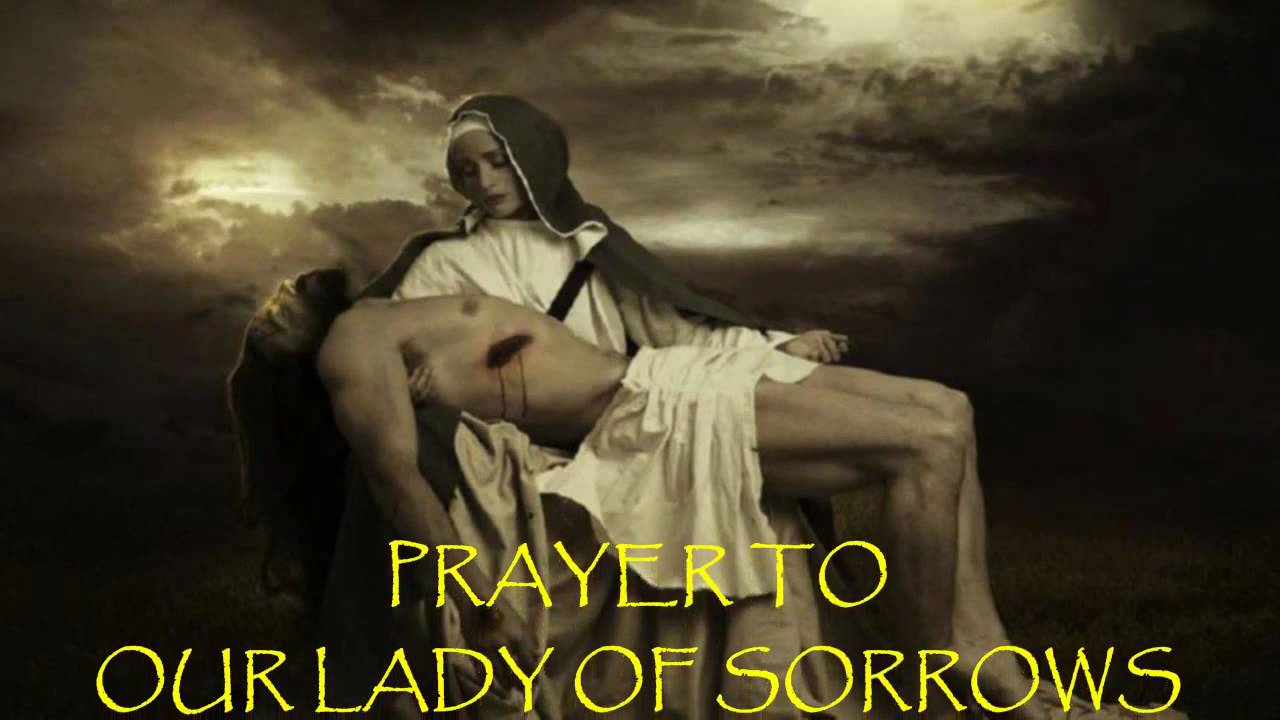
prayer to pur lady of sorrows
A prayer to pur lady of sorrows is a simple, heartfelt way to bring your pain, worries, and hopes to Mary, the mother of Jesus, who knows suffering intimately. Because she stood at the foot of the cross, believers turn to her for compassion, courage, and comfort. Whether you are carrying grief, interceding for someone in distress, or seeking to deepen your spiritual life, a well-grounded prayer to pur lady of sorrows can offer peace and perspective.
This devotion is not about dwelling on sadness, but about discovering Christ’s love in the midst of life’s trials. In the sections that follow, you will find the background to the devotion, practical ways to pray, a simple template, guidance on the Seven Sorrows Chaplet, and answers to common questions—so you can pray with clarity and confidence.
What is the prayer to pur lady of sorrows?
At its heart, a prayer to pur lady of sorrows asks Mary—often honoured under the title Mater Dolorosa, “Sorrowful Mother”—to pray for us as we face suffering and uncertainty. It is both a personal plea and a school of compassion: by reflecting on her seven “dolours” (sorrows), we learn to unite our hurts with Christ’s saving love and to stand with others in their pain.
Origins and meaning of the devotion
The devotion to Our Lady of Sorrows has deep roots in Scripture and Christian tradition. It honours Mary’s participation in the mystery of the Cross and her steadfast faith across a lifetime of trials. The prayer to pur lady of sorrows flows from these biblical moments and from centuries of prayer in the Church.

The Seven Sorrows in Scripture
- Simeon’s prophecy in the Temple, foretelling a sword that would pierce her soul (Luke 2:34–35).
- The flight into Egypt to protect the Child Jesus (Matthew 2:13–15).
- The loss of the twelve-year-old Jesus in Jerusalem (Luke 2:41–50).
- Mary’s meeting with Jesus on the way to Calvary (traditional devotion, cf. Luke 23:27–31).
- Standing by the Cross of Jesus (John 19:25–27).
- Receiving the body of Jesus, taken down from the Cross (the Pietà; cf. John 19:38–40).
- The burial of Jesus (Luke 23:50–56; John 19:40–42).
These seven scenes trace a path of trust through confusion, danger, loss, and the starkness of death. The prayer to pur lady of sorrows shapes our own response to hardship by holding Mary’s faith before our eyes as a living example.
If you would like a concise historical overview of the title and its development, the Our Lady of Sorrows article on Wikipedia gives a helpful summary. For a pastoral presentation of the Seven Sorrows and their scriptural basis, the USCCB resource on the Seven Sorrows offers short reflections well suited to personal prayer.
Feast days, art and music
The principal feast of Our Lady of Sorrows is kept on 15 September, the day after the Feast of the Exaltation of the Holy Cross. Over the centuries, Christian art and music have amplified the devotion: think of Michelangelo’s Pietà, or the haunting Stabat Mater hymn, which meditates on Mary at the foot of the Cross. When you make a prayer to pur lady of sorrows, images and music can help focus your heart and steady your attention.
When and why to say a prayer to pur lady of sorrows
You can pray at any time, but a prayer to pur lady of sorrows often feels especially apt:
- In times of grief, bereavement, or anticipatory loss.
- When supporting someone who is suffering and you don’t know what to say.
- During Lent, Holy Week, and on Fridays, which recall the Passion of Christ.
- On 15 September, the feast of Our Lady of Sorrows, or during a novena leading up to it.
- When grappling with anxiety, illness, or uncertainty about the future.
A prayer to pur lady of sorrows does not replace professional care. If you are facing serious grief, trauma, or mental health challenges, prayer can accompany counselling and medical support; it is a complement, not a substitute.
Many also use this prayer as an act of solidarity during global tragedies. Entrusting the world’s wounds to God through Mary’s intercession can strengthen hope and inspire practical charity.
How to pray: a step-by-step guide to a prayer to pur lady of sorrows
You don’t need special objects to begin. Here is a simple approach you can adapt:
- Choose a quiet place. Light a candle or place an image of the Pietà if helpful.
- Set an intention. Name the person, situation, or burden you are bringing.
- Begin with an invocation. For example: “Mother of Sorrows, be near me in this hour.”
- Read a short scripture. John 19:25–27 or Luke 2:34–35 work well.
- Speak from the heart. Make your prayer to pur lady of sorrows in your own words, keeping it honest and unforced.
- Close with trust. A simple “Pray for us, Holy Mother of God, that we may be made worthy of the promises of Christ,” or an Our Father, Hail Mary, and Glory Be.
- Rest in silence for a minute or two before returning to your day.
As you grow more familiar with the devotion, you may add the Seven Sorrows Chaplet or a short novena. The key is consistency and sincerity; a short, regular prayer to pur lady of sorrows often bears more fruit than occasional, very long prayers.
A simple template prayer you can use
You can use this as a starting point and personalise it as needed:
“O Mary, Our Lady of Sorrows, you stood by the Cross with steadfast love. You know the wounds of the heart and the weight of unanswered questions. Hold me in your mantle today. Bring my fears, my grief, and my hopes to your Son, Jesus. Teach me to trust when I cannot see, to love when it is costly, and to hope against hope. Mother, be near to all who suffer, especially N. May your intercession lead us to the healing and peace of Christ. Amen.”
Feel free to adapt this for particular needs—bereavement, illness, family strain, or the need for forgiveness. If you prefer to pray or share resources in Spanish, you may appreciate this guide: Lady of Sorrows en español.
The Chaplet (Rosary) of the Seven Sorrows
The Seven Sorrows Chaplet is a structured way to meditate on Mary’s sorrows. It uses a set of beads in groups of seven, though you can also follow along with an ordinary rosary by counting on your fingers. This chaplet sits beautifully alongside a personal prayer to pur lady of sorrows, giving you a rhythm for reflection.
Basic outline:
- Begin with the Sign of the Cross.
- Pray an Act of Contrition, asking for the grace to learn from Mary’s sorrowing love.
- Announce the First Sorrow, reflect briefly, then pray seven Hail Marys.
- Repeat for each of the seven sorrows.
- Conclude with three Hail Marys in honour of Mary’s tears, and a closing prayer.
For a step-by-step guide, including the specific meditations, the EWTN overview of the Seven Sorrows Chaplet is easy to follow. Historical background and variations are discussed in the Catholic Encyclopedia entry on Our Lady of Sorrows.
If you already pray the Divine Mercy, you might find it helpful to pair that devotion with this one on different days: see a practical how-to here, the Divine Mercy Chaplet prayer.
Other traditional texts connected with a prayer to pur lady of sorrows
In addition to spontaneous prayer, many find nourishment in traditional texts:
- Stabat Mater: a classic hymn reflecting on Mary at Calvary. You can read, listen, or pray a few verses slowly.
- Litany of Our Lady of Sorrows: a series of short invocations asking for Mary’s intercession.
- Novena to Our Lady of Sorrows: nine days of prayer leading up to 15 September or any time of pressing need.
These prayers sit alongside your personal prayer to pur lady of sorrows; you do not need to pray them all at once. Choose one form that fits your day and let it shape your heart gently.
Practical tips for making your prayer to pur lady of sorrows meaningful
- Keep it concrete. Name your intention plainly. “Help me forgive my brother,” or “Be close to N in hospital.”
- Use Scripture. A few verses can anchor your prayer when emotions are strong.
- Pray with your body. Sit upright, hold a crucifix, or rest your hand on your heart to stay centred.
- Journal a line or two. Note what surfaced as you prayed; patterns will emerge over time.
- Connect prayer with action. After your prayer to pur lady of sorrows, make one small act of mercy—call someone lonely, donate, or volunteer.
- Mark key dates. Fridays, the month of September, and your loved one’s anniversary can become gentle reminders to pray.
- Lean on community. Ask a friend to join you in a short novena when burdens feel heavy.
Common mistakes to avoid with any prayer to pur lady of sorrows
- Treating prayer as a transaction. This devotion is about relationship, not superstition.
- Dwelling only on sorrow. The Cross leads to Resurrection; allow hope to have the final word.
- Forgetting Jesus. Mary always points to her Son; let your prayer to pur lady of sorrows lead you to Christ.
- Going too fast. Lingering briefly on a single sorrow can be more fruitful than rushing through all seven.
- Praying in isolation. Invite others to intercede with you when possible.
Recommended external resources
For further reading and practical helps, these trusted resources provide context, prayers, and step-by-step guidance.
- Overview of Our Lady of Sorrows: history, iconography, and feast
- USCCB reflections on the Seven Sorrows with scriptural references
- How to pray the Chaplet of the Seven Sorrows (EWTN)
- Catholic Encyclopedia: Our Lady of Sorrows (historical notes)
Related articles
Frequently asked questions about prayer to pur lady of sorrows
Is a prayer to Our Lady of Sorrows the same as the Seven Sorrows Chaplet?
Not exactly. A personal prayer can be spontaneous and brief; the Chaplet is a structured series of meditations and Hail Marys focused on the seven sorrows. Many people use both: a short
