Prayer to Our Lady of Perpetual Help: Essential Guide & 5 Steps
prayer to our lady of perpetual help
The prayer to our lady of perpetual help is a beloved Catholic devotion that turns to Mary, the Mother of Jesus, for guidance, comfort and steadfast support in daily life. Whether you are facing a personal challenge, praying for a loved one, or simply seeking a deeper relationship with God, this prayer offers a gentle, time-tested way to ask for help and to grow in trust. In this guide, you will find the meaning behind the devotion, practical steps for praying at home or in church, sample texts you can use, common mistakes to avoid, and resources to explore.
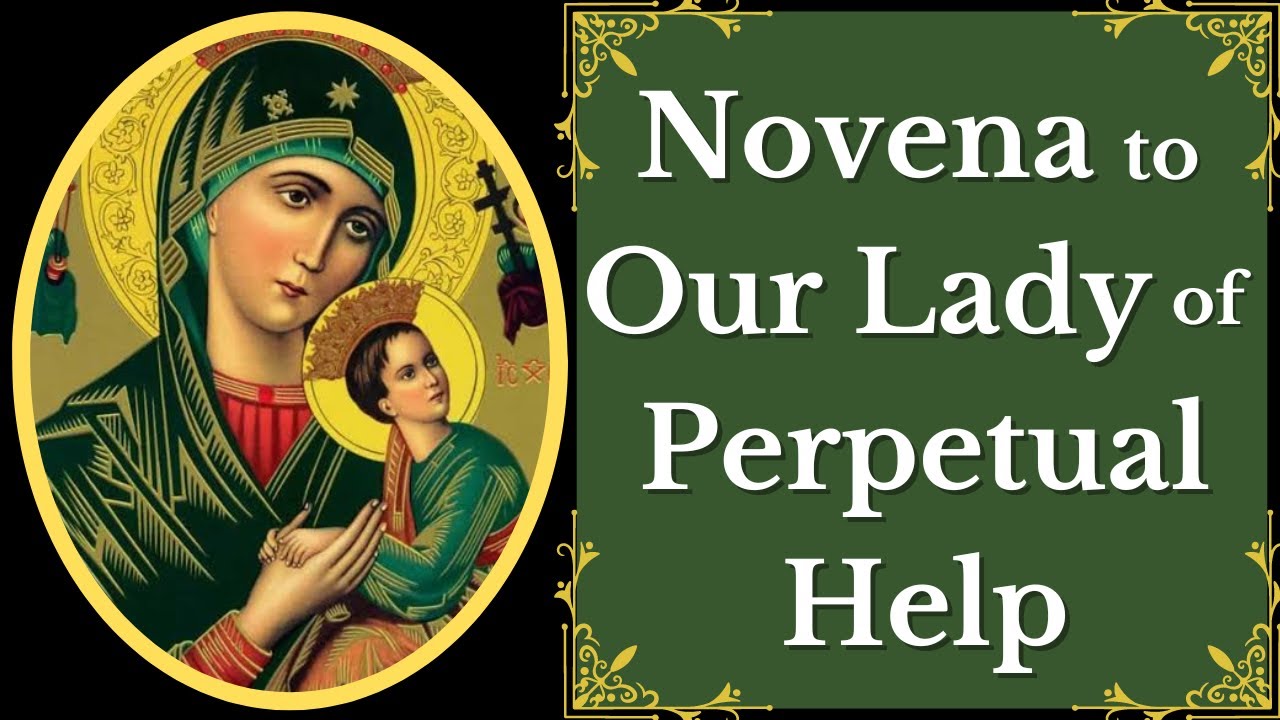
Centred on the famous icon of Our Mother of Perpetual Help, the tradition invites us to contemplate Mary who points us towards Christ and never ceases to intercede for us. The prayer to our lady of perpetual help is not a formula for instant solutions, but a rich and simple path to hope, patience and consolation, especially in troubled times.
What is the prayer to our lady of perpetual help?
At its heart, the prayer to our lady of perpetual help is a petition asking Mary’s motherly intercession. Catholics believe that Mary, as Mother of the Lord and mother to all believers, prays for us and accompanies us to her Son. The title “Perpetual Help” expresses her constant concern and care. When people speak of this devotion, they may be referring to a brief personal prayer, the well-known Novena to Our Mother of Perpetual Help, or public devotions held weekly in many parishes around the world.
While all Christian prayer is addressed to God, intercessory prayer asks the saints—especially Mary—to pray with us and for us. In this sense, the prayer to our lady of perpetual help is a way of joining Mary in her unwavering focus on Jesus Christ, learning to rely on divine mercy and to remain faithful even when life is difficult.


History and meaning behind the prayer to our lady of perpetual help
The devotion centres on an ancient icon, often called the Virgin of the Passion. Tradition holds that the icon arrived in Rome from Crete in the late 15th century and was venerated for centuries. In 1866, Pope Pius IX entrusted the icon to the Redemptorists and asked them to “make her known” throughout the world. Today, it is housed in the Church of Sant’Alfonso (St Alphonsus) on the Via Merulana in Rome, and reproductions of the icon can be found in countless homes and churches.
Every detail in the icon carries meaning: Mary’s gaze is compassionate yet serious; the Child Jesus—startled by a vision of his Passion—clings to his mother, one sandal dangling, while the Archangels Michael and Gabriel hold the instruments of the Passion. The message is one of hope: suffering and fear are real, but Christ’s love is stronger, and Mary accompanies us unfailingly. When we make the prayer to our lady of perpetual help, we step into this Gospel story, asking for courage, perseverance and faith.
How to pray the prayer to our lady of perpetual help
There is no single correct way to make this prayer. You can pray quietly at home, join a parish novena, or add the devotion to your morning or evening routine. Here is a simple approach:
- Create a still space. Light a candle or sit somewhere quiet. If you have an image of Our Mother of Perpetual Help, place it nearby to focus your mind and heart.
- Begin with the Sign of the Cross and a moment of silence. Offer your intention—what you are praying for—honestly and simply.
- Read a short passage from Scripture. Many people choose a comforting verse (for example, Psalm 23, Luke 1:46–55, or Matthew 11:28–30).
- Pray a short version of the prayer to our lady of perpetual help (see examples below). Speak in your own words if you prefer.
- Sit quietly for a minute or two. Let the words settle. Ask for the grace to trust and to do what you can in practical ways.
- Conclude with an Our Father, a Hail Mary, and the Sign of the Cross.
For a deeper rhythm, you might make a nine-day novena. Many parishes host a weekly Novena to Our Mother of Perpetual Help, often with hymns, petitions and time for thanksgiving. Whether prayed privately or publicly, the essence is the same: steady trust in Christ through Mary’s intercession.
Sample texts for the prayer to our lady of perpetual help
A short daily prayer
“Mother of Perpetual Help, I place myself under your care. You know my worries and my hopes. Lead me to your Son, Jesus. Ask for me the strength to do what is right, patience in trial, and faith that does not fail. Be with me today and always. Amen.”
A prayer of trust in uncertainty
“Our Lady of Perpetual Help, calm my anxious heart. When I feel overwhelmed, help me to remember the love of Christ and the promise of God’s mercy. Hold me close, guide my choices, and pray that I may trust, hope and love in all things. Amen.”
Outline for a nine-day novena
- Day 1: Trust in God’s care
- Day 2: Courage in difficulties
- Day 3: Patience and perseverance
- Day 4: Healing of body, mind or relationships
- Day 5: Wisdom and good decisions
- Day 6: Protection for family and friends
- Day 7: Growth in faith, hope, and charity
- Day 8: Gratitude for blessings received
- Day 9: Commitment to live the Gospel
Each day, read a brief Scripture passage, say your intention, pray the prayer to our lady of perpetual help, and close with the Our Father, Hail Mary and Glory Be.
When do people turn to the prayer to our lady of perpetual help?
People pray this devotion in many situations: when awaiting medical results, facing job insecurity, navigating family tensions, seeking freedom from anxiety, or asking for safe travel. Many parents entrust their children to Mary’s care in exams, transitions or illness. Others pray for reconciliation, forgiveness or a peaceful death for a loved one. The prayer to our lady of perpetual help becomes a steady rhythm that keeps us anchored, especially when life feels unsteady.
Although the prayer is often associated with urgent needs, it is equally fruitful as a regular, quiet practice. A daily or weekly habit of turning to Mary helps the heart to stay open to grace and strengthens the will to act with compassion and prudence.
Key principles behind the prayer to our lady of perpetual help
1) Christ-centred
Mary always leads us to Jesus. The icon visually teaches this: Mary points to her Child; Christ is the centre. The prayer to our lady of perpetual help is never an end in itself but a path to deeper union with God.
2) Trust rather than control
Prayer is not a mechanism for forcing outcomes. Instead, it trains us to trust, to persevere, and to seek what is truly good. With Mary, we learn to say, “Let it be done to me according to your word.”
3) Action and responsibility
Authentic devotion inspires action. Alongside prayer, we take the next right step: making amends, seeking counsel, applying for work, seeing the doctor, or supporting a neighbour. Grace builds on honest effort.
4) Community
Many find strength by joining a parish novena or a small prayer group. The prayer to our lady of perpetual help is a shared tradition that unites believers across cultures and generations.
Practical tips to deepen your devotion
- Set a time. A five-to-ten-minute daily window after breakfast or before bed helps the practice feel natural.
- Use Scripture. Pair the prayer to our lady of perpetual help with a verse. For example: “The Lord is my shepherd” (Psalm 23) or “Be not afraid” (Matthew 14:27).
- Create reminders. Place an icon or small image where you work or rest. Let it prompt a brief prayer during the day.
- Keep a gratitude list. Noting small signs of help and progress strengthens hope and keeps the heart attentive.
- Link to the liturgical year. In May (Mary’s month) or during Advent, give the devotion a special focus.
Common mistakes to avoid with the prayer to our lady of perpetual help
- Treating it as superstition. A prayer to our lady of perpetual help is not a charm. It is a relationship of trust that leads to God.
- Rushing the moment. Slow down. One sincere minute can be better than ten distracted ones.
- Ignoring Scripture and Sacraments. Marian devotion flourishes alongside the Bible, the Eucharist and Reconciliation.
- Demanding specific outcomes. It is natural to ask for particular graces, but try to end with “not my will, but yours be done.”
- Praying alone when you need support. Join a parish novena or ask a friend to pray with you when things feel heavy.
A step-by-step model for a home novena
If your parish does not host a weekly novena, you can still pray it at home. This simple structure takes around 15 minutes and keeps the essence of the devotion.
- Sign of the Cross and opening verse (e.g., “O God, come to my assistance. O Lord, make haste to help me.”)
- Hymn or short silence.
- Scripture: a brief reading (Luke 1:46–55, the Magnificat, is a beautiful choice).
- Reflection: one line about what the reading says to you today.
- Petitions: name specific needs—for yourself, family, friends, the Church and the world.
- The prayer to our lady of perpetual help (your favourite short form).
- Thanksgiving: mention a grace received recently, however small.
- Our Father, Hail Mary, Glory Be, and the Sign of the Cross.
Bringing the prayer to our lady of perpetual help into family and parish life
In families, keep the practice simple: a small image near the dinner table, a brief petition shared aloud, or a Saturday evening novena when schedules permit. In parishes, the devotion can be linked to times of adoration, communal rosaries, or moments of pastoral support for the sick and elderly. The more gently the practice is introduced, the more naturally it will take root.
You might also connect the devotion with works of mercy. After praying the prayer to our lady of perpetual help, choose one concrete act of charity that day: a phone call to someone lonely, a meal for a neighbour, or a donation to a local charity. In this way, prayer flows into action.
Further context: Marian prayer among Christian traditions
While Catholics and many Eastern Christians lovingly practise Marian devotions, Christians differ in how they understand the saints’ intercession. It can help to explain to friends or family that the prayer to our lady of perpetual help is always directed to God, with Mary’s prayer accompanying ours. This focus on Christ is clear in the icon and in the shape of the devotion.
Recommended external resources
- Background and iconography of Our Lady of Perpetual Help for a broad overview of history and symbolism.
- Redemptorists’ history of the icon of Our Mother of Perpetual Help with details about the 1866 restoration of public devotion.
- National Shrine of Our Mother of Perpetual Help in Baclaran for novena traditions and current schedules.
- Vatican Directory on Popular Piety and the Liturgy for principles to keep popular devotions Christ-centred and balanced.
Related articles
If you appreciate structured devotions, the Divine Mercy Chaplet prayer pairs naturally with the prayer to our lady of perpetual help—both cultivate trust in God’s mercy. If you are drawn to Marian compassion in times of suffering, exploring the devotion to Our Lady of Sorrows can offer further insight and comfort.
Frequently asked questions about prayer to our lady of perpetual help
Is the prayer to our lady of perpetual help a Catholic requirement?
No. It is a popular devotion, not a requirement. Catholics are free to practise it as they find it helpful. The Church encourages devotions that lead us closer to Christ and harmonise with Scripture and the liturgy.
What is the difference between praying to Mary and worshipping God?
Catholics worship God alone. When we make the prayer to our lady of perpetual help, we ask Mary to intercede for us—much as we ask friends to pray for us. The honour given to Mary (veneration) is distinct from the worship due to God.
Can I pray the novena even if I cannot attend a church service?
Yes. You can pray at home, following a simple structure: Scripture, intention, the prayer to our lady of perpetual help, and the Lord’s Prayer. If possible, join a parish novena occasionally for communal support.
Does God always answer this prayer?
God always hears prayer, but answers may differ from what we expect. The prayer to our lady of perpetual help helps us ask confidently and remain open to God’s timing and ways.
May non-Catholics pray this devotion?
Absolutely. Many Christians find comfort in reflecting on the icon and in asking Mary’s prayers. If you are new to the practice, focus on the central truth: Mary leads us to Jesus.
How long should the prayer take each day?
Even five minutes can be fruitful. Some prefer ten to fifteen minutes with Scripture. The best practice is the one you can sustain peacefully and honestly.
Conclusion on prayer to our lady of perpetual help
The prayer to our lady of perpetual help is a steady, compassionate way to grow in trust, especially when life feels fragile. Rooted in the Gospel and symbolised in a beautiful icon, it invites us to stand with Mary before Christ and to ask for the help we need—courage, patience, healing, wisdom and peace.
Whether you pray a short daily invocation or a weekly novena, allow the devotion to be simple and sincere. Combine the prayer to our lady of perpetual help with Scripture, the Sacraments and acts of charity. In time, you will likely notice quiet transformations: a lighter heart, steadier hope, and the desire to do the next right thing.
Make space in your day, ask clearly for what you need, and rest in God’s care. Through the prayer to our lady of perpetual help, may you find strength for today and confidence for tomorrow, held by a mother’s love that always points to the saving love of Jesus.
