Pickle pizza recipe: complete, easy guide in 6 key steps
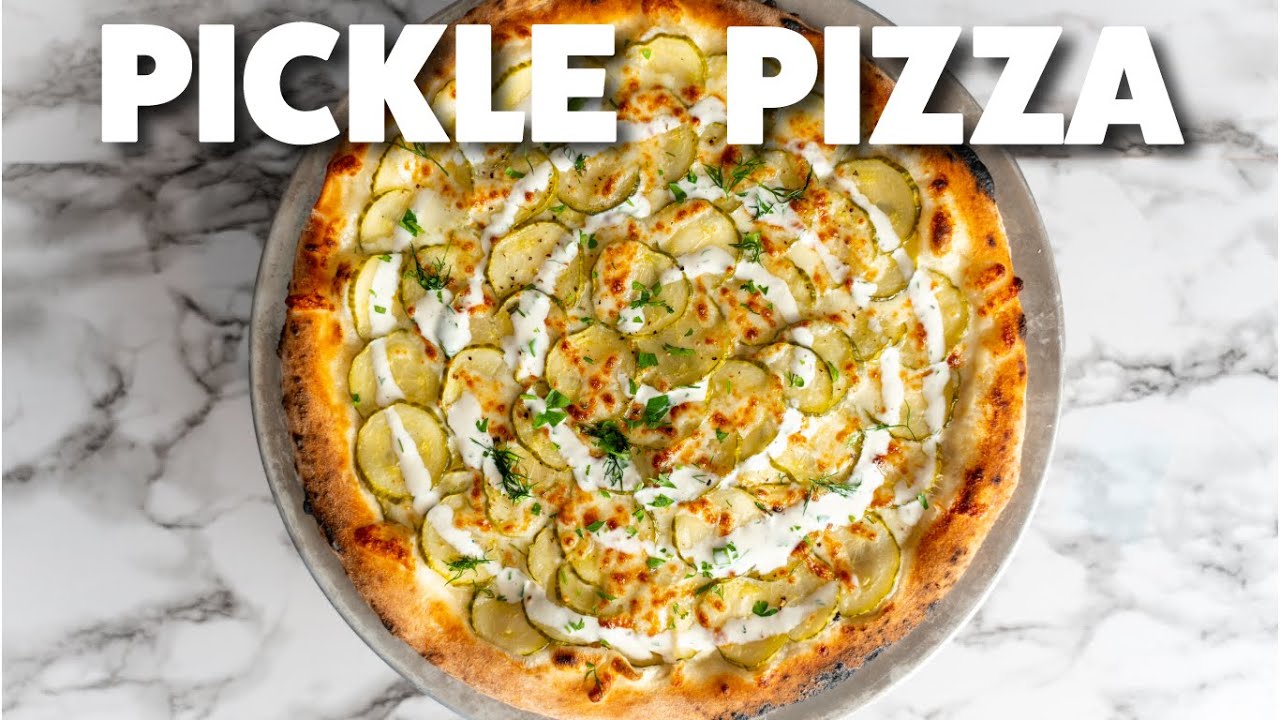
pickle pizza recipe
If you love the tang of pickles and the comfort of a freshly baked pie, this pickle pizza recipe is for you. It takes a familiar white pizza base, adds a garlicky, creamy sauce, and layers on crisp, dill-forward pickles for a vibrant, salty, tangy bite. Below, you’ll find an approachable, well-tested method, helpful variations, and practical tips to keep the base crisp, the cheese melty, and the flavour balanced.
This guide is designed for home cooks who want a straightforward pickle pizza recipe that works in a standard oven. Whether you’re using shop-bought dough or making your own, you’ll learn how to control moisture, how to bake on a tray, stone or steel, and which pickles, cheeses, and herbs make the best combination.
What is a pickle pizza recipe and why it works
At its simplest, a pickle pizza recipe is a white pizza topped with sliced pickles and herbs. Instead of tomato sauce, you use a white base—often sour cream, ranch, or a garlic cream—then add low-moisture mozzarella, and finish with dill, chives, or spring onion. The trick is balancing briny acidity with creamy richness so it tastes bright rather than harsh, and indulgent without being heavy.
The flavour equation: salty, tangy, creamy, herby
- Salty and tangy: Pickles bring acidity and salt; a splash of pickle brine in the sauce ties everything together.
- Creamy: A white base (soured cream, yoghurt, or light mayo) mellows the acidity and carries garlic and mustard.
- Herby: Fresh dill and chives add a clean, green finish that complements the brine.
- Heat: A pinch of chilli flakes or black pepper stops the pie from tasting flat.
Who will love this
Anyone who enjoys a white pizza or a loaded deli sandwich will likely enjoy pickle pizza. It’s also a crowd-pleasing talking point for parties: familiar, yet just different enough to feel exciting. If you’re new to it, start with a half-and-half bake—one side classic cheese, the other side this pickle pizza recipe—so everyone can try a slice.

Ingredients at a glance
For the best results, choose low-moisture ingredients, keep slices thin, and drain or blot wet items thoroughly. The following categories will help you mix and match.
Dough options
- Shop-bought dough: A 220–250 g dough ball per 25–30 cm pizza works well and is the quickest route.
- Homemade dough: A medium-hydration dough (around 62–65% water) is easy to shape and bakes reliably in domestic ovens.
- Ready-made bases: A decent thin crust works if you’re short on time—reduce bake time slightly.
If you’d like a reliable general dough method to pair with this pickle pizza recipe, see the BBC Good Food guide to pizza dough at this step-by-step dough recipe for a simple, repeatable baseline.
Sauce options
- Garlic white sauce: Soured cream + a little mayonnaise or Greek yoghurt, garlic, Dijon mustard, and a teaspoon of pickle brine.
- Ranch-style: A thinner, herbier base; use sparingly to avoid sogginess.
- Ricotta spread: Lightly seasoned ricotta with lemon zest; very spreadable and lower in fat.
Cheese and toppings
- Cheese: Low-moisture mozzarella for melt; a little provolone, Gruyère, or mature cheddar for depth.
- Pickles: Dill pickles (gherkins) are classic; choose firm, not mushy, and slice thin.
- Extras: Red onion slivers, cooked bacon bits, capers, jalapeños, or a light drizzle of hot honey for contrast.
- Herbs: Fresh dill and chives are ideal; parsley or spring onion also works.
Curious about the science of brining and why pickles stay crisp? The overview on pickling on Wikipedia explains the preservation process and the flavour chemistry behind that briny bite.
The definitive pickle pizza recipe (step-by-step)
The quantities below make two 30 cm pizzas. Adjust amounts by the same ratio if you want larger or smaller pies.
Ingredients
- 2 pizza dough balls (220–250 g each), or make your own (see dough method below)
- 200 g low-moisture mozzarella, grated
- 40–60 g provolone, Gruyère, or mature cheddar, grated (optional)
- 200–250 g dill pickles (gherkins), thinly sliced and well blotted dry
- 1 small red onion, very thinly sliced (optional)
- Chilli flakes or freshly ground black pepper (to taste)
- Small handful fresh dill and chives, chopped
Garlic white sauce
- 120 ml soured cream
- 40 ml mayonnaise or thick Greek yoghurt
- 2 small garlic cloves, finely grated
- 1 tsp Dijon mustard
- 1–2 tsp pickle brine (to taste)
- Fine sea salt (a pinch) and black pepper
Optional finishing
- 1–2 tsp hot honey (for drizzling)
- Extra pickle brine (a teaspoon to brush the crust edge, or a few drops over the top)
Quick homemade dough (optional)
- 500 g strong white bread flour
- 325 g warm water (65% hydration)
- 10 g fine sea salt
- 3 g instant yeast
- 15 g olive oil (optional)
Mix flour and yeast, add water, bring together; rest 10 minutes. Add salt (and oil if using), then knead 5–7 minutes until smooth. Cover and rise at room temperature 60–90 minutes until puffy. Divide into two balls, place in oiled tubs, and cold proof in the fridge for 6–24 hours. Bring to room temperature for 60 minutes before shaping.
Method
- Preheat: Place a pizza stone or steel on the top third of your oven and preheat to 250–260°C (fan 230–240°C) for at least 45 minutes. If using a baking tray, preheat the oven and lightly oil the tray.
- Mix the sauce: Stir together all sauce ingredients. Taste: it should be savoury, garlicky, and gently tangy. Adjust brine and salt cautiously—cheese and pickles add salt later.
- Prepare toppings: Thinly slice pickles and blot very dry with kitchen paper. Grate cheese and slice onion paper-thin, if using.
- Shape the dough: On a lightly floured surface, press each dough ball into a 25–30 cm round. Keep the rim a little thicker. If using a tray, place the dough on the tray; if using a stone/steel, build on a floured peel.
- Base and cheese: Spread 2–3 tablespoons of white sauce thinly over the base—see the dough through in places. Add mozzarella evenly, then a scatter of your second cheese if using.
- Toppings: Arrange the pickle slices in a single layer; avoid overlapping too much. Add red onion sparingly. Season with black pepper and a pinch of chilli flakes.
- Bake: Slide onto the stone/steel or place the tray in the oven. Bake 7–10 minutes until the crust is golden and the cheese is bubbling with lightly browned spots.
- Finish: Rest 1 minute. Sprinkle with chopped dill and chives. Optionally drizzle a touch of hot honey or brush the crust edge with a few drops of brine for aroma.
- Repeat for the second pizza, adjusting bake time based on your oven and browning preference.
Tip: If you lack a pizza stone or steel, a heavy upside-down baking tray preheated with the oven makes an excellent stand-in. For a small 20–22 cm “personal” pickle pizza, an air fryer at 200°C for 6–8 minutes can also work, provided the base fits and is well supported.
Techniques that make a difference
Managing moisture and salt
Excess moisture is the main reason a pickle pizza recipe can go soggy. Dry your pickle slices thoroughly; don’t over-sauce; and stick to low-moisture cheeses. If your pickles are particularly wet, slice them and lay them on kitchen paper for five minutes, then blot the top. You can also preheat your tray a little to encourage rapid bottom browning.
Salt adds up quickly with pickles, cheese, and briny sauce. If you’re mindful of sodium, use reduced-salt cheese, limit the brine in the sauce, and avoid extra salt in the seasoning. For general guidance on daily salt intake, the NHS has a clear overview at salt and your health: how much is too much?
Heat and baking surface
High, stable heat allows the base to set before moisture seeps in. A pizza steel absorbs and transfers heat faster than a stone, often shaving a minute off the bake and improving bottom crispness. If your oven’s top element browns too quickly, move the rack one level down, or finish the last minute lower in the oven.
Slicing and assembly order
Thin, even pickle slices ensure you get flavour in every bite without creating wet pockets. Assemble base, cheese, then pickles so the cheese buffers moisture. If you love onions, keep them very thin and limited to a light scatter; they can release water as they cook.
Variations and swaps for your pickle pizza recipe
Vegetarian and vegan
- Vegan base: Use a plant yoghurt-based sauce with nutritional yeast, garlic, and mustard. Top with a good vegan mozzarella that melts cleanly.
- Dill and lemon zest: Add zest to the sauce or sprinkle on top for a fresher finish that pops with plant cheeses.
Spicy and meaty
- Spicy: Add jalapeño slices or a dusting of Aleppo pepper. A drizzle of chilli oil before serving gives a warm glow.
- Meaty: Crisp bacon or pancetta crumbs work in tiny amounts for texture. Keep portions small to avoid overpowering the pickles.
Gluten-free and low-sodium
- Gluten-free: Choose a reliable GF base designed for high-heat baking and pre-bake it for 3–4 minutes before topping.
- Lower sodium: Rinse pickle slices under cold water and pat dry, use reduced-salt cheese, and keep brine in the sauce minimal.
Serving, pairing, and scaling
Serve your pickle pizza hot, with a crisp green salad dressed in lemon and olive oil to cut richness. For drinks, a cold lager, pilsner, or a bright Sauvignon Blanc works well with the tang and herbs. To scale for a party, prepare multiple dough balls and keep toppings prepped in separate bowls. Assemble just before baking to avoid a soggy base.
Hosting a themed pizza night? For fun labels on your menu cards, you might number your courses with classical numerals—see this quick guide to Roman numerals if you’d like a refresher. And when you write your menu or blog post about this pickle pizza recipe, varying your language keeps it lively; here are some useful synonyms for numerous if you’re drafting tasting notes and descriptions.
Storage and reheating
- Fridge: Cool completely, then store slices in an airtight container for up to 2 days. The pickles remain pleasantly crisp if fully blotted before baking.
- Reheat: Use a hot frying pan (medium-high) for 2–3 minutes, covered, or an oven at 200°C for 5–7 minutes. Avoid microwaving if you want to preserve the crust.
- Freezing: Not ideal due to the pickles’ texture after thawing. If you must, freeze the base and sauce separately, then top and bake from fresh.
Common mistakes with a pickle pizza recipe
- Over-saucing: A thin layer is best; this is a white pizza, not a pasta bake. Too much sauce slips and steams the crust.
- Wet pickles: Failing to blot pickles properly leads to puddling and a soggy centre.
- Wrong cheese: Fresh mozzarella releases water; low-moisture mozzarella is much better here.
- Low oven temperature: Not preheating thoroughly can ruin the bake. Give your oven 45 minutes if you’re using a stone or steel.
- Skipping the herbs: Fresh dill and chives transform the finish; don’t leave them out.
Recommended external resources
- BBC Good Food: Reliable pizza dough recipe for a simple, repeatable base.
- Wikipedia: Pickling overview to understand how brine and acidity work.
- NHS: Salt intake guidance to help manage sodium in briny recipes.
Related articles
Frequently asked questions about pickle pizza recipe
Which pickles are best for a pickle pizza recipe?
Dill pickles (gherkins) are classic because they’re savoury, not sweet. Choose firm, crisp spears or whole gherkins and slice them thinly. Bread-and-butter pickles are sweeter; they can work but will change the flavour balance. If using them, reduce any honey or sweetness elsewhere.
Can I use tomato sauce instead of a white base?
You can, but the acidity may double up with the pickles and feel sharp. If you do use tomato, keep it very light and add a small drizzle of olive oil or a touch of sugar to round the edges. Most people prefer a white base for this style because it cushions the brine and makes the flavours pop.
How do I stop the pizza from going soggy?
Three keys: preheat your oven properly, use a stone/steel or preheated tray, and dry your pickles thoroughly. Limit sauce to a thin layer and use low-moisture mozzarella. You can also par-bake the base for 2 minutes before topping if your oven runs cool.
What cheese works best?
Low-moisture mozzarella for the main melt, plus a small handful of a flavourful cheese like Gruyère, provolone, or mature cheddar. Avoid fresh mozzarella here; it releases too much water. If you’re dairy-free, a meltable vegan mozzarella and a little nutritional yeast in the sauce can deliver good results.
Can I make a lighter version?
Yes. Use Greek yoghurt instead of mayonnaise in the sauce, reduce cheese by a third, and add extra herbs. Rinsing pickles briefly under cold water reduces salt; blot dry before topping. Serve with a crunchy salad to make portions satisfying without extra calories.
What’s the best way to reheat leftovers?
A hot frying pan or oven is best to re-crisp the crust. Heat a dry pan over medium-high, add a slice, cover with a lid for 2 minutes; finish uncovered for 30 seconds. Or bake at 200°C for 5–7 minutes on a preheated tray.
