Prayer to mary orthodox: essential, practical guide with 7 keys
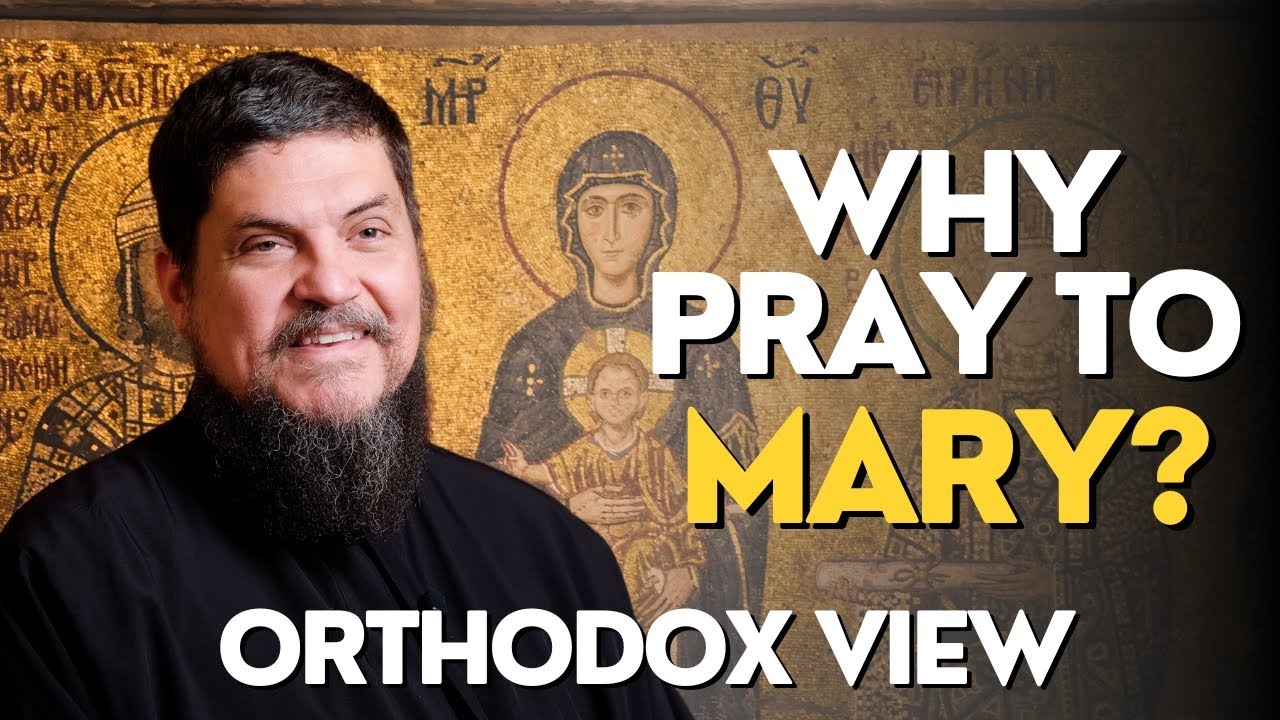
Understanding prayer to mary orthodox: a practical guide for seekers
Whether you are new to Orthodoxy or simply curious, prayer to mary orthodox is a doorway into the living tradition of honouring the Mother of God, known as the Theotokos. This devotional practice is not about worshipping Mary as a deity; rather, it is a heartfelt request for her intercession, guidance and companionship as we follow Christ. In this guide, we will explain what it is, why it matters, and how you can begin, even if you are not an expert.
Because prayer to mary orthodox is rooted in Scripture, the early Church and centuries of lived experience, it combines both reverence and warmth. Orthodox Christians ask the Theotokos to pray with them and for them, just as one might ask a trusted elder or close friend to pray in times of need. The language may be poetic and ancient, yet the meaning is straightforward: Mary points us to her Son and helps us to persevere.
In the sections below, you will find the essentials: key beliefs, forms of Marian devotion, simple steps to start at home, common mistakes to avoid, and links to carefully chosen resources for further reading. By the end, you should feel confident to approach prayer to mary orthodox with clarity and peace.
What is prayer to mary orthodox?
At its heart, prayer to mary orthodox is asking the Mother of Jesus to intercede for us before God. Orthodox theology emphasises that all genuine prayer is addressed to God; when we turn to Mary, we are engaging in intercessory prayer, a request that she join our petitions because of her unique closeness to Christ. This reflects the Orthodox understanding of the Church as a communion, where the faithful on earth and the saints in heaven all participate in prayer.

The Church calls Mary Theotokos—“God-bearer”—to affirm that the one she bore is truly the Son of God. This title is not merely devotional; it safeguards the belief in the full divinity and full humanity of Jesus. Therefore, prayer to mary orthodox follows a deeply Christ-centred pattern: to honour Mary is to affirm who Christ is and what He has done.
In practice, you will encounter both short invocations and longer services that form the backbone of Marian devotion in Orthodoxy. These include the Akathist Hymn, the Paraklesis (Supplicatory Canon), traditional greetings such as “Rejoice, O Virgin Theotokos,” and the earliest known Marian prayer, “Beneath Thy Compassion.” Each of these highlights Mary’s maternal care and prompt help in times of distress.
Biblical and theological foundations
Mary as Theotokos (God-bearer)
Orthodox Christians believe that to confess Mary as Theotokos is to confess that Christ is one divine Person with two natures, fully God and fully Man. This title, affirmed by the Council of Ephesus (AD 431), remains foundational to prayer to mary orthodox. When we ask the Theotokos to intercede, we are not placing her above God; we are acknowledging the mystery that God came to us through her “Yes,” and that she remains a powerful witness to the life of grace.
Intercession and the communion of saints
In the New Testament, Christians pray for one another and carry one another’s burdens. The Orthodox Church extends this understanding beyond earthly life to the saints who now live in God’s presence. This is the context in which prayer to mary orthodox makes sense: we are members of one Body, and the Mother of our Lord remains our mother in the faith. As the Gospel of John depicts at the Cross, Christ entrusts her to the beloved disciple, and by extension to the Church (John 19:26–27).
Biblical language of honour
Orthodoxy distinguishes between the worship due to God alone and the honour given to saints (and in a unique way to the Theotokos). The Magnificat (Luke 1:46–55) itself proclaims, “All generations will call me blessed.” Far from diverting attention from Christ, prayer to mary orthodox amplifies His saving work by celebrating its fruits in Mary’s life.
Main forms of prayer to mary orthodox
There is no single method for prayer to mary orthodox. Instead, you will find a family of complementary practices, ranging from brief, everyday invocations to richly poetic services used in parish life.
The “Rejoice, O Virgin Theotokos” greeting
A commonly used Orthodox greeting to Mary runs as follows: “Rejoice, O Virgin Theotokos, Mary full of grace, the Lord is with thee. Blessed art thou among women, and blessed is the fruit of thy womb, for thou hast borne the Saviour of our souls.” This short text, shaped by Scripture, is a simple doorway into prayer to mary orthodox for daily use.
“Beneath Thy Compassion” (Sub tuum praesidium)
One of the oldest Marian prayers is often used in Orthodox settings as well: “Under your compassion we take refuge, O Theotokos; do not despise our petitions in time of trouble, but rescue us from dangers, only pure, only blessed one.” Its brevity makes it ideal for beginners and for those moments when you need a focused plea for help.
The Akathist Hymn to the Theotokos
The Akathist (“not seated”) is a standing hymn sung in honour of the Mother of God, especially during Great Lent. It is a profound and poetic meditation on the Incarnation and Mary’s role in salvation history. Participating in the Akathist deepens one’s understanding of prayer to mary orthodox by weaving together praise, doctrine and supplication into a single tapestry of worship.
The Paraklesis (Supplicatory Canon)
Prayed particularly during August (the Dormition Fast), the Paraklesis is a service of intercession asking the Theotokos to deliver the faithful from afflictions of body and soul. Its tone is tender and consoling, reminding the faithful that Mary is “a swift protectress” in every adversity. For many, this is the most accessible and pastoral entry point into prayer to mary orthodox in a parish setting.
Icons and veneration
Orthodox prayer is embodied, and icons play a central role. When you stand before an icon of the Theotokos—whether the Hodegetria (She who shows the Way), the Eleousa (Merciful, “Virgin of Tenderness”), or the Platytera (More spacious than the heavens)—you are invited to pray with your whole person. Lighting a candle, making the sign of the Cross, and offering a short invocation are all ordinary pathways into prayer to mary orthodox.
How to begin with prayer to mary orthodox at home
If you are new to this tradition, you can start simply. Prayer to mary orthodox need not be complicated or long. What matters is sincerity, reverence and consistency.
- Choose a quiet space and, if possible, an icon of the Theotokos. A small corner with a candle can become your prayer place.
- Start with a brief moment of stillness. Make the sign of the Cross and offer a simple invocation such as, “Most holy Theotokos, intercede for me.”
- Use a short text. The “Rejoice, O Virgin Theotokos” or “Beneath Thy Compassion” are perfect starting points for prayer to mary orthodox.
- Speak to God in your own words. Ask Mary to pray with you for your needs and the needs of others. Keep your focus on Christ.
- End with thanksgiving. Acknowledge God’s mercy and entrust your day—or your night—into His care.
Over time, you may add to your routine: read a verse or two from the Gospels, learn a stanza of the Akathist, or join a parish service. The key is to allow prayer to mary orthodox to grow naturally in your life, without pressure or perfectionism.
Practical examples of prayer to mary orthodox
Below are a few short examples and patterns you can use. Adapt them to your circumstances, keeping your heart steady and your words sincere.
A morning invocation
“Most holy Theotokos, Mother of my Lord, guard my mind and heart today. Teach me to say ‘yes’ to God as you did. Pray that I may walk in humility and love, and that my words may bring peace.”
In time of anxiety
“Under your compassion we take refuge, O Theotokos; do not despise my petitions in time of trouble, but rescue me from dangers, only pure and blessed one.”
For family and friends
“O Theotokos, gentle mother, keep my family in your prayers. Bring our needs before your Son, that we may be strengthened, healed and united in His love.”
A simple pattern for beginners
- Make the sign of the Cross.
- Say “Rejoice, O Virgin Theotokos,” slowly and attentively.
- Add a short personal intention (for a person, a decision, or a difficulty).
- Conclude with “Glory to the Father, and to the Son, and to the Holy Spirit… Amen.”
You can place these examples within your own daily rhythm. Over a few weeks, you will find that prayer to mary orthodox becomes a quiet, steady support—especially when other prayers feel dry or distracted.
Common misunderstandings and mistakes
- Confusing honour with worship: In Orthodox theology, worship (latreia) is due to God alone. Honouring Mary (hyperdulia) is a special veneration that recognises her unique role in salvation history. Prayer to mary orthodox always leads to Christ.
- Treating prayer as a technique: No set of words guarantees a result. The aim is humble openness to God’s grace, with the Theotokos as our intercessor and companion.
- Neglecting Scripture and sacraments: Marian devotion should deepen your love for the Bible, the Eucharist and daily repentance. If prayer to mary orthodox does not foster growth in Christ-like love, revisit your approach.
- Overloading yourself: Start modestly. It is better to pray a short text with attention than to rush through many prayers without focus.
- Forgetting the church community: Parish services such as the Akathist and Paraklesis will enrich what you do at home. Orthodoxy is communal by nature.
Connecting the practice with wider Christian life
Prayer to mary orthodox flourishes alongside regular participation in church life: attending the Divine Liturgy, keeping the major feasts of the Theotokos (such as the Annunciation and the Dormition), and seeking counsel from a priest or experienced faithful when needed. It harmonises with other devotions too. For instance, you might explore a structured devotion like the guide to the Divine Mercy Chaplet prayer to complement your daily intercessions, even though it is more commonly associated with Western Christianity.
If you are discerning differences and similarities with other traditions, this overview of differences between Orthodox and Catholic traditions offers helpful context. Understanding both convergences and distinctions can make your journey with prayer to mary orthodox more informed and balanced.
Recommended external resources
- Orthodox Church in America: overview of the Theotokos and worship — Context on Mary’s place in Orthodox worship and doctrine.
- Greek Orthodox Archdiocese: full text of the Akathist Hymn — A standard English text used in parishes, helpful for learning the structure and poetry of the service.
- Wikipedia: Theotokos — A broad introduction to the title “Theotokos,” its history, and theological significance.
- OrthodoxWiki: Theotokos — A concise, lay-friendly summary with references to liturgy and iconography.
Related articles
Frequently asked questions about prayer to mary orthodox
Is prayer to mary orthodox the same as worship?
No. In Orthodoxy, worship is offered to God alone. Prayer to mary orthodox is a form of intercession and honour. We ask the Theotokos to pray for us, just as we might ask a friend or pastor, trusting that her closeness to Christ lends strength to our petitions.
Do I need special books or knowledge to start?
Not at all. A quiet space, an icon and one or two short texts are enough to begin. Over time, you can learn more—the Akathist, the Paraklesis, and other hymns—but prayer to mary orthodox values sincerity over complexity.
How often should I pray to the Theotokos?
Consistency matters more than frequency. Many people add a brief invocation morning and evening. Others incorporate a stanza of the Akathist weekly. Let prayer to mary orthodox fit naturally within your daily prayer, Scripture reading and parish life.
Can non-Orthodox Christians practise these prayers?
Yes, respectfully. Many non-Orthodox find the language of intercession and the focus on Christ enriching. If you are exploring, consider attending a local Orthodox service to experience prayer to mary orthodox within its liturgical setting.
What if I feel nothing during prayer?
Dryness is normal. Keep your prayers short and steady, and bring your struggles honestly to God. Prayer to mary orthodox is not about chasing feelings; it is about faithfulness and trust that the Theotokos prays with you as you persevere.
How does this relate to the Bible?
Prayer to mary orthodox is grounded in Scripture’s portrayal of Mary (especially Luke 1–2 and John 19) and in the wider biblical practice of interceding for one another. The title “Theotokos” safeguards key truths about who Christ is, which the New Testament proclaims.
Conclusion on prayer to mary orthodox
Prayer to mary orthodox is a living, practical way to draw closer to Christ with the Mother of God by your side. Far from being an optional extra, it is a time-tested path that holds together Scripture, doctrine and daily life. When you greet the Theotokos, chant the Akathist, or whisper “Beneath Thy Compassion,” you are joining countless Christians who have sought her intercession for centuries.
Begin simply: choose a short text, keep a steady rhythm, and participate in parish services when you can. As prayer to mary orthodox takes root, you will likely notice a quiet strengthening—greater patience in trials, renewed hope, and a more attentive heart for God and neighbour.
Remember that the purpose of prayer to mary orthodox is always Christ-centred. Mary leads us to her Son, the Saviour of our souls. With her prayers and the grace of God, may your journey in faith be illumined and your love made steadfast.
