Prayer saint monica: essential, complete guide with 3 key tips
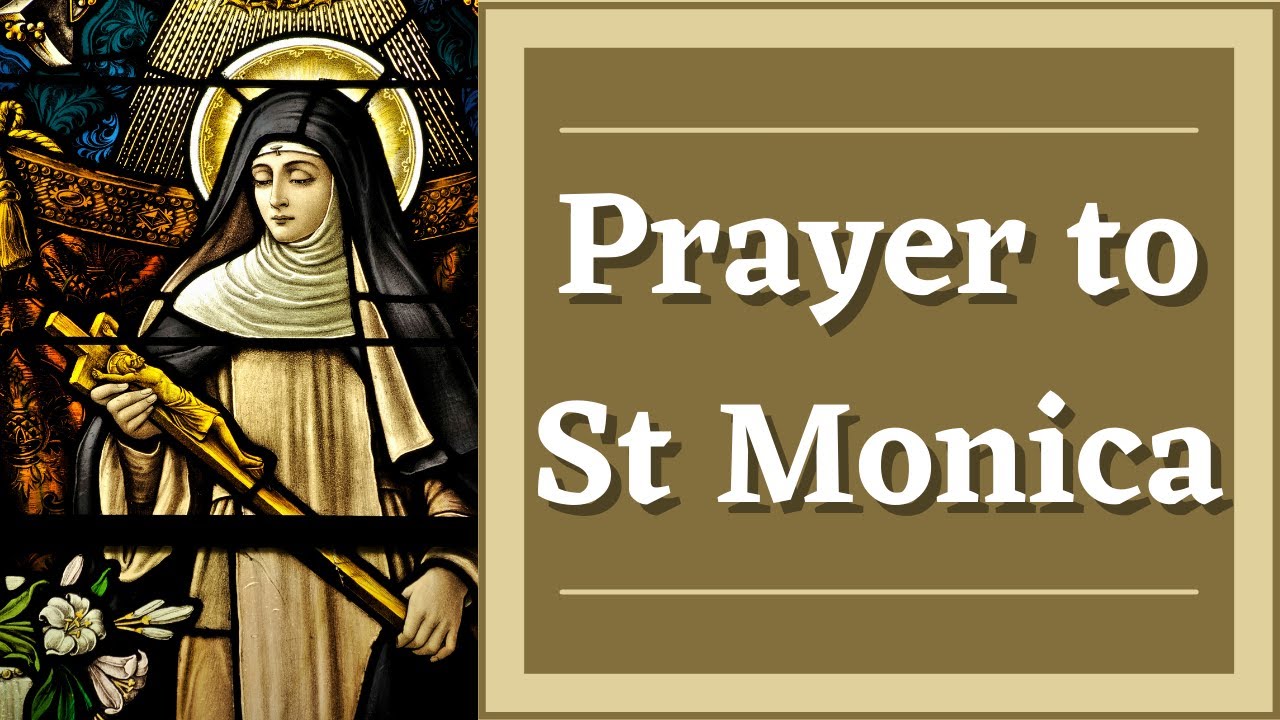
prayer saint monica
If you are seeking a calm, proven way to pray for a loved one who is struggling, far from faith, or caught in conflict, the tradition of prayer saint monica offers a compassionate path. Rooted in the life of a mother who never gave up on her son, it speaks to parents, spouses, and friends who carry deep concerns and want to place them consistently in God’s care.
Saint Monica, mother of Saint Augustine, is remembered for her constancy in prayer, her patience, and her hope. When people talk about prayer saint monica, they usually mean asking for her intercession—seeking her help to pray with us and for us—especially for family conversion, reconciliation, and perseverance. This guide explains what the devotion is, where it comes from, when it’s most helpful, and how to practise it thoughtfully in daily life.
Whether you are new to Catholic devotions or rediscovering them, you will find that prayer saint monica is straightforward, flexible, and encouraging. You can use it in a quick daily moment of prayer, commit to a nine‑day novena, or link it with other spiritual practices that sustain hope over time.
What is prayer saint monica and who was Saint Monica?
Prayer saint monica refers to prayers asking Saint Monica’s intercession. Monica of Hippo lived in the 4th century and became a Christian model of steadfast love and fidelity in prayer. For years she prayed for her son Augustine, whose dramatic conversion later shaped Christian history. Many adults relate to Monica because she knew heartache, misunderstanding, and long waiting, yet she remained faithful.
If you would like a concise background, the biography of Saint Monica on Wikipedia and the detailed entry in the Catholic Encyclopedia (New Advent) on Saint Monica outline her life, virtues, and legacy. Her feast day in the Roman Catholic calendar is 27 August, and many people begin prayer saint monica in a special way around that date.
When and why Catholics use prayer saint monica
People turn to prayer saint monica particularly when:
- Praying for sons and daughters who have left the faith or are questioning it.
- Asking for the healing of marriages and family relationships.
- Seeking hope for loved ones facing addiction, anxiety, or persistent difficulties.
- Persevering in prayer when nothing seems to change.
Saint Monica’s story encourages responsible love—prayer that is faithful, gentle, and patient. She did not force, manipulate, or despair. Instead, prayer saint monica reminds us to bring specific intentions to God, day after day, trusting that grace works steadily, even when progress is hard to see.
Different Christian traditions hold varied perspectives on saints and intercession. If you are curious about these differences, this plain‑English overview of the differences between Orthodox and Catholic traditions can help you understand how intercessory prayer fits within wider Christian practice.
How to pray: a simple prayer saint monica and a novena plan
You can pray in your own words, use a brief traditional formula, or follow a structured novena (nine days of focused prayer). The key is sincerity and consistency.
A short prayer saint monica
Here is a simple, original prayer you can use any day you wish:
“Saint Monica, faithful mother and friend, pray for me and for [name(s)]. Obtain for us patience in waiting, wisdom in speaking, and courage in loving. May God, who heard your tears and transformed your home, bring healing, conversion, and peace to our family. Through Christ our Lord. Amen.”
You can adapt this short prayer saint monica to mention particular needs, such as a child’s wellbeing, a spouse’s health, or a friend’s search for meaning.
The 9‑day novena using prayer saint monica
A novena is a focused nine‑day prayer pattern. You can begin any day, though some people start nine days before 27 August (her feast). To organise a novena with prayer saint monica:
- Choose your intention. Be specific: for example, “for healing in my marriage” or “for my daughter’s return to faith.”
- Set a time you can keep daily, even if it’s just five minutes.
- Begin with a moment of silence, a short Scripture verse (e.g., Luke 18:1 on perseverance), and then your chosen prayer to Saint Monica.
- Optional: add one decade of the Rosary or a psalm. Keep it realistic so you do not give up.
- End by thanking God for listening today, and ask for perseverance tomorrow.
If you like, keep a small journal for the nine days. Note what you prayed for, any insights that came to mind, and small signs of progress. The rhythm of a novena is not about “earning” a result; rather, the purpose of prayer saint monica in a novena is to keep love attentive and open to grace over time.
Practical tips to deepen your prayer saint monica devotion
Consider these practical ways to make the devotion sustainable and meaningful:
- Start small and steady. Five minutes a day is better than an hour you cannot repeat. Consistency strengthens prayer saint monica more than intensity.
- Speak simply. You do not need special vocabulary. God hears straightforward words and honest silence.
- Link prayer with action. While praying for reconciliation, also take a small step—write a kind message, seek counselling, or apologise where needed.
- Unite your intention with the wider Church’s prayer. If you are Catholic, consider attending Mass during your novena or offering an intention at Mass for your loved ones.
- Combine devotions wisely. Some people find it helpful to pair their novena with the guide to the Divine Mercy Chaplet, especially when praying for healing and trust.
- Place a reminder in your space. A small image, candle, or note with your intention can prompt you to pray each day.
Many find that prayer saint monica gradually reshapes their attitudes—softening frustration, strengthening patience, and opening new ideas for loving communication. You may notice that while you pray for someone else’s change, you also grow in peace and clarity yourself.
Common mistakes to avoid with prayer saint monica
- Treating prayer like a technique or guarantee. Genuine prayer is relationship, not a switch you flick for instant results. Even with prayer saint monica, outcomes may differ from your plans; trust that sincere prayer is never wasted.
- Placing all weight on yourself. While you pray for others, remember their freedom and God’s timing. Avoid taking full responsibility for someone else’s choices.
- Neglecting practical help. If your loved one faces addiction, mental health issues, or serious conflict, pair prayer with professional support, safeguarding, and community resources.
- Forgetting self‑care. Fatigue and resentment can build. Rest, speak to a trusted friend, and, if appropriate, seek spiritual direction.
- Impatience or ultimatums. Resist the urge to demand quick answers. The grace emphasised in prayer saint monica often unfolds gradually, deepening trust over time.
Examples and inspirations in real life
Saint Monica’s perseverance transformed her home over years, not weeks. Her son Augustine moved from scepticism to a profound encounter with God, later becoming a major figure in Christian thought. While not everyone’s story is dramatic, many people testify that prayer saint monica helped them remain kind during tense conversations, apologise with humility, or set healthy boundaries without giving up on love.
In practice, this might look like:
- A parent who prays a short daily prayer before texting a gentle message to an estranged adult child.
- A spouse who adds a 9‑day novena to marriage counselling, seeing prayer and therapy as complementary.
- A friend who quietly keeps vigil for someone struggling with alcohol, while also encouraging treatment and offering lifts to support meetings.
Understanding intercession: how it fits with Christian belief
Intercessory prayer is a core Christian practice: asking others to pray for us, just as we pray for them. When we ask a saint to intercede, we are simply asking a faithful Christian who is now with God to pray alongside us. From a Catholic perspective, this builds on the notion of the Church as one family in Christ—across time and space. Historical sources, such as the
