Prayer to mary the memorare: complete, practical guide with 3 keys
prayer to mary the memorare
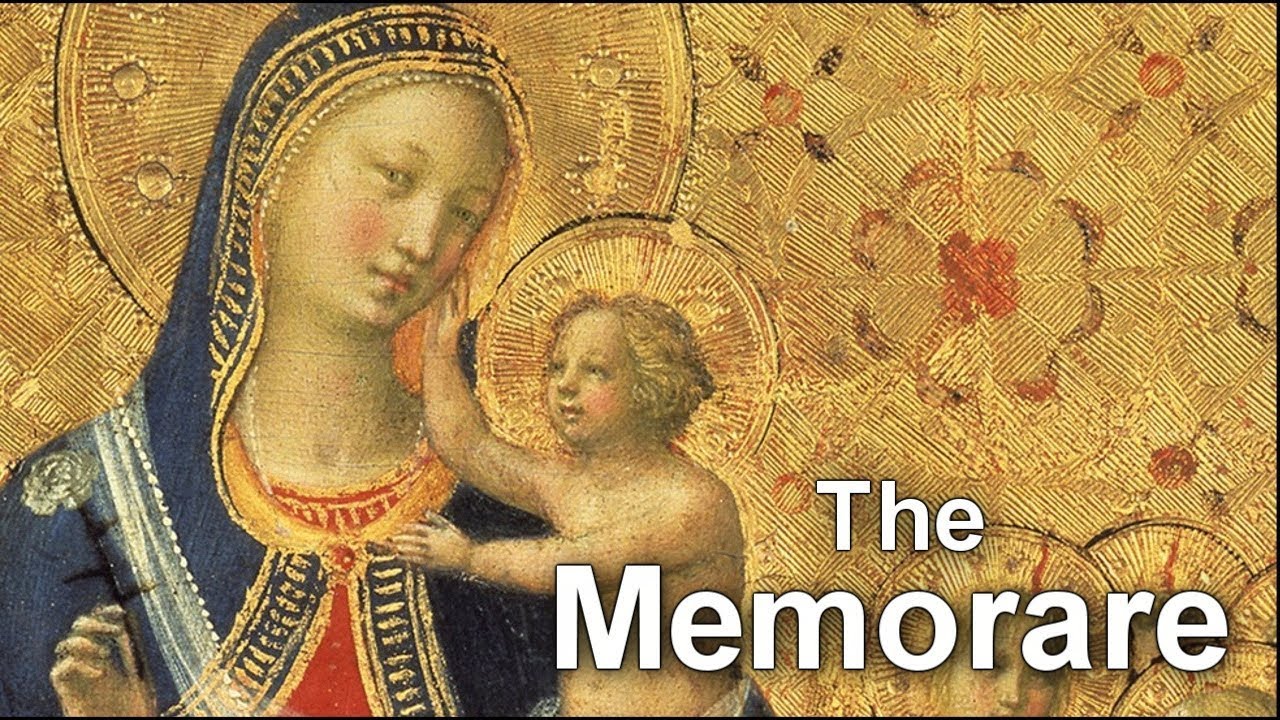
The prayer to mary the memorare is one of the most beloved and time-honoured petitions to the Blessed Virgin in Christian tradition. Short, direct, and deeply consoling, it asks Our Lady to remember our needs and to intercede for us with her Son. In this guide, you will find a clear explanation of what the Memorare is, where it comes from, how to pray it, and how to integrate it into daily life, together with practical tips, common mistakes to avoid, and answers to frequently asked questions.
Whether you are returning to prayer, discovering Marian devotion for the first time, or simply looking for a reliable prayer for difficult moments, the prayer to mary the memorare offers a tried and trusted way to ask for help with confidence and humility.
What is prayer to mary the memorare?
At its heart, the prayer to mary the memorare is a simple appeal to the Mother of Jesus, recalling that never has anyone who asked for her help been abandoned. The very word “Memorare” comes from the Latin for “remember,” capturing the prayer’s opening invitation to Our Lady: “Remember, O most gracious Virgin Mary…”
Christians use the prayer to mary the memorare when they need swift spiritual support, when a situation feels urgent or overwhelming, or when they want to entrust themselves, their loved ones, or a particular intention to Mary’s maternal care. It is not a magical formula; rather, it is an expression of faith that God listens, and that Mary, as a loving mother and disciple, prays for us and guides us towards her Son.
Origins and history of prayer to mary the memorare
Although the prayer is often associated with St Bernard of Clairvaux (12th century), modern scholarship suggests it was popularised in the 17th century by Fr Claude Bernard, who promoted it widely after experiencing extraordinary answers to prayer. For a straightforward overview of its history and text, see the Memorare article on Wikipedia, which outlines its development and attribution.
Across centuries, the prayer to mary the memorare has been cherished by saints and ordinary believers alike. It has been prayed in monasteries and family homes, in hospitals and schools, before important decisions, and in moments of fear or grief. Many Catholic resources preserve the traditional text and encourage its daily use; for example, you can read the classic English version on EWTN’s page dedicated to the Memorare.
The text and meaning of the Memorare
Here is the widely used English text:
“Remember, O most gracious Virgin Mary, that never was it known that anyone who fled to thy protection, implored thy help, or sought thy intercession, was left unaided. Inspired with this confidence, I fly unto thee, O Virgin of virgins, my Mother; to thee do I come, before thee I stand, sinful and sorrowful. O Mother of the Word Incarnate, despise not my petitions, but in thy mercy hear and answer me. Amen.”
The beauty of the prayer to mary the memorare lies in its confident humility. It recognises our weakness (“sinful and sorrowful”) yet turns immediately to Mary’s compassion and God’s mercy. The language may sound traditional (“thee” and “thy”), but the meaning remains clear and contemporary: we ask Mary to remember us, because love never forgets.
Line-by-line reflection on prayer to mary the memorare
- “Remember, O most gracious Virgin Mary…” – We begin by recalling Mary’s kindness and care, asking her affectionate attention.
- “…never was it known…” – The heart of the prayer: a testimony of trust shaped by countless experiences of help through Mary’s intercession.
- “Inspired with this confidence…” – Faith grows by remembering. We are encouraged to approach God because others have done so and found help.
- “I fly unto thee…my Mother” – A vivid image of urgency and closeness. In times of need, we run to a mother we know loves us.
- “Sinful and sorrowful” – We are honest about our condition; this is not about perfection but about reliance on mercy.
- “O Mother of the Word Incarnate…” – The prayer centres on Christ: Mary is mother precisely because the Word became flesh.
- “Despise not my petitions…” – We ask with humility and perseverance, confident that our needs matter to God.
For another accessible presentation, including a family-friendly explanation, you might appreciate Loyola Press’s page on the Memorare, which places the text alongside short reflections.
How to pray to mary the memorare
There is no complicated method. The prayer to mary the memorare can be said on its own, with a group, as part of the Rosary, or within a novena. Some people pray it daily at a set time; others turn to it spontaneously whenever a need arises. Many also write their intention on a small card and keep it near a candle or icon of Mary as a reminder to continue praying with trust.
Simple step-by-step guide
- Pause and become aware of God’s presence. Take a slow breath.
- Name your intention clearly: the person, situation, or decision you bring to prayer.
- Pray the words of the Memorare slowly and attentively.
- Remain a moment in silence, entrusting everything to Jesus through Mary.
- End with a simple act of faith: “Mary, Mother of Jesus, pray for us.”
When to use prayer to mary the memorare
- In urgent or distressing situations where you need reassurance and direction.
- Before medical appointments or difficult conversations.
- During seasons of grief, anxiety, or uncertainty.
- As a daily habit to cultivate trust and perseverance in prayer.
Many parishes and households also include the prayer to mary the memorare after the Rosary or before bedtime. Its brevity makes it easy to memorise and repeat throughout the day.
Benefits and spiritual fruits
Regularly praying the prayer to mary the memorare can help to deepen trust in God, strengthen hope under pressure, and foster a sense of not being alone. While not every petition is answered in the way we expect, Christians testify that the prayer disposes the heart to recognise God’s action—sometimes through gentle changes in circumstances, sometimes through an increase in patience, wisdom, or courage.
Because the Memorare explicitly recalls God’s mercy, it guards us against discouragement. Rather than trying to control outcomes, we learn to entrust the process to the Lord, asking Mary to accompany us as a mother who knows both the joy and the cost of faith.
Common mistakes to avoid with prayer to mary the memorare
- Treating the prayer as a charm or guarantee. The prayer to mary the memorare is an act of faith, not a mechanical ritual. Avoid superstition; God is not obliged by formulas.
- Rushing through the words. Slowing down allows the meaning to sink in and makes the prayer more personal and sincere.
- Forgetting to name a clear intention. Being specific helps you notice how God may be answering.
- Praying in isolation only. If appropriate, ask a friend or a community to pray with you; shared prayer can be very strengthening.
Variations, novenas, and blending with other devotions
Over time, the prayer to mary the memorare has inspired practices like the “Memorare novena,” in which the prayer is repeated daily over nine days, or prayed nine times in a row for urgent needs. Some also add a tenth Memorare in thanksgiving, trusting that God is already at work. These customs are popular, pastoral ways of persevering in prayer, not binding rules. The Memorare can be fruitfully combined with scriptural meditation or said before and after quiet mental prayer.
It also harmonises well with other beloved devotions. For example, if you are exploring mercy-themed prayers, see this practical guide on how to pray the Divine Mercy Chaplet, which complements the spirit of trust at the heart of the Memorare. Likewise, reflecting on Mary’s compassion at the foot of the Cross can enrich how you approach the Memorare; for an introduction, discover this overview of the devotion to Our Lady of Sorrows.
Prayer to Mary across Christian traditions
Christians hold a range of views about asking for the prayers of the saints. Within the Catholic Church, the prayer to mary the memorare is a normal expression of belief in the “communion of saints”—that in Christ, love and prayer unite the faithful across heaven and earth. The aim is always to draw closer to Jesus. Many Anglicans and some Lutherans also value Marian prayers, while other Christians prefer to pray directly to God without invoking the saints. Wherever you stand, you are welcome to read the Memorare as a model of humble trust in God’s mercy, and to adapt your practice in good conscience.
Deepening your understanding: Scripture and theology
Though not a Bible quotation, the prayer to mary the memorare echoes scriptural themes: Mary’s care for others (as at the Wedding at Cana), God’s mercy for the lowly (the Magnificat), and Christ as the Word made flesh (John 1). Praying with these passages can enrich the Memorare. Consider meditating on Luke 1:46–55 (Mary’s Magnificat) or John 2:1–11 (Cana), linking the prayer’s confidence in Mary’s intercession with her constant direction towards her Son.
For historical background on saints associated with the prayer, the Catholic Encyclopedia offers reliable articles, such as this entry on St Bernard of Clairvaux. For the text itself and a helpful summary, the United States Conference of Catholic Bishops provides a concise resource: see the USCCB Memorare prayer page.
Recommended external resources
- Memorare on Wikipedia: history, attribution, and text
- EWTN: full text of the Memorare and devotional use
- Loyola Press: the Memorare with simple explanation
- USCCB: official page for the Memorare prayer
Related articles
Frequently asked questions about prayer to mary the memorare
Is the Memorare a Catholic prayer only?
The prayer to mary the memorare is especially common in Catholic practice, but anyone who wishes to ask Mary’s prayers can use it. Many Christians outside the Catholic Church read it as a beautiful expression of trust in God’s mercy, even if they do not habitually invoke saints.
When is the best time to pray the Memorare?
You can pray it any time. Many people use the prayer to mary the memorare for urgent intentions, before medical tests, during family difficulties, or ahead of important decisions. Others include it in a daily routine—morning, lunchtime, or evening—so that trust becomes a habit.
Can I modernise the language?
Yes. The traditional “thee” and “thy” are not required. You can use a modern phrasing if it helps you pray more sincerely. What matters is the faith and attention you bring to the prayer to mary the memorare, not the style of English.
What if I do not receive the answer I hoped for?
No prayer guarantees a particular outcome. The prayer to mary the memorare shapes trust, aligns our will with God’s, and keeps us hopeful. Often the “answer” arrives as strength, patience, or a change of heart, even when circumstances remain challenging.
Is it better to pray the Memorare alone or with others?
Both are valuable. Saying the prayer to mary the memorare privately can be deeply personal; praying it with others can bring comfort and solidarity. Choose what best supports your faith in the moment, and do not hesitate to ask a friend or community to join you.
Conclusion on prayer to mary the memorare
Compact yet profound, the prayer to mary the memorare invites us to rely on Mary’s maternal care and on God’s unfailing mercy. Rooted in centuries of Christian experience, it reminds us that we are not alone, especially in moments of uncertainty or distress.
By learning the words, praying them slowly, and naming our intentions clearly, we allow the Memorare to become a steady path of hope. Whether you use it occasionally in emergencies or weave it into your daily rhythm, the prayer to mary the memorare can deepen your trust, strengthen your courage, and gently draw you closer to Christ.
If you are exploring traditional devotions or returning to prayer after some time away, consider starting with this simple, faithful practice. The prayer to mary the memorare has consoled generations; it can become a source of quiet strength for you as well.
