Prayer of mary queen of scots: essential, complete guide (5 keys)
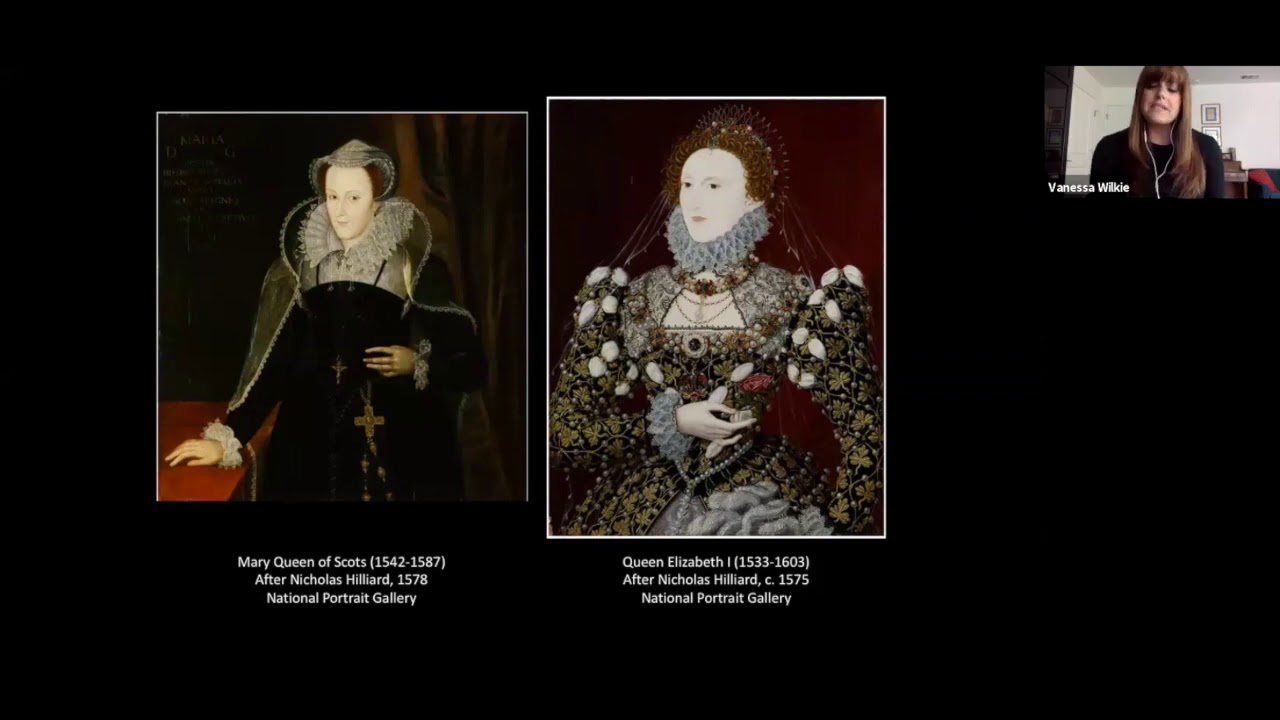
prayer of mary queen of scots: history, text, and how to pray it
The prayer of mary queen of scots is a short, intense supplication traditionally attributed to Mary, Queen of Scots during her long captivity in England. Often known by its opening words “O Domine Deus” (“O Lord God”), it is both a window into the Queen’s personal faith and a compact guide to Christian hope in times of trial. In this article, we explore what the prayer is, where it comes from, what it means line by line, and how you can pray it today with confidence and understanding.
Whether you approach it from a historical angle, as a piece of devotional heritage, or as a living prayer to strengthen your own spiritual life, the prayer of mary queen of scots offers a striking blend of trust, lament, humility and perseverance. You will also find practical steps for praying it, common mistakes to avoid, and reliable resources to learn more.
What is the prayer of mary queen of scots?
At its simplest, the prayer of mary queen of scots is a plea for deliverance and mercy addressed to Jesus, marked by a striking rhythm of trust and longing. The text has been preserved in Latin (sometimes with slight variations in spelling or punctuation across sources) and is widely circulated in English translation. Its brevity makes it easy to memorise, yet it contains a full arc of Christian devotion: hope in God, appeal to the Saviour, acknowledgement of suffering, adoration, and a final imploring for freedom.
Historically, Mary spent nearly 19 years as a prisoner after seeking refuge in England in 1568, a period that shaped many legends, poems and prayers associated with her. While the exact circumstances of composition are debated, the tradition holds that the prayer captures the resilient Catholic faith of a Queen living under extraordinary pressure.


The text of the prayer: Latin and English
Full text of the prayer of mary queen of scots (O Domine Deus)
Latin text:
O Domine Deus! speravi in Te;
O care mi Jesu! nunc libera me;
In dura catena, in misera poena, desidero Te;
Languendo, gemendo, et genuflectendo,
Adoro, imploro, ut liberes me.
Common English translation:
O Lord God, in You I have hoped;
O my dear Jesus, now set me free;
In hard chains, in wretched pain, I long for You;
Fainting, lamenting, and kneeling,
I adore and implore that You deliver me.
As with many early-modern devotions, spelling and phrasing can vary slightly. The essence remains the same: a personal cry to Christ from within suffering, anchored in adoration and hope.
Historical context: captivity, faith, and authorship
The long imprisonment of Mary, Queen of Scots (1542–1587) provides the likely backdrop to the prayer of mary queen of scots. Captivity meant political uncertainty, curtailed movement, and constant scrutiny—conditions that often intensify the inner life. In this context, a short devotional text expressing trust and yearning makes deep sense, whether penned by Mary herself or cherished by her circle.
Authorship of the prayer of mary queen of scots
Scholars note that devotional texts in the sixteenth century frequently circulated with attributions that reflected custom as much as documentary proof. While the tradition crediting Mary is longstanding, definitive manuscript evidence is sparse. The prayer’s style, however, aligns with the era’s Catholic piety and with the Queen’s well-documented devotion.
If you are studying the prayer academically, it is reasonable to treat the attribution as probable but not conclusively proven. If you are praying it devotionally, the precise authorship matters less than the integrity of its Christian message: confident hope in God under trial, humble adoration, and a plea for mercy.
Meaning and themes within the prayer
The prayer of mary queen of scots distils several classic themes of Christian spirituality. Consider these layers of meaning as you pray or reflect:
- Hope born of trust: “speravi in Te” anchors the whole prayer in confidence that God hears and acts.
- Direct appeal to Jesus: Mary’s address moves from “Lord God” to “dear Jesus”, underlining a personal relationship with Christ.
- Honest lament: “In hard chains, in wretched pain” faces suffering without denial or self-pity.
- Adoration amidst trial: Even while pleading for release, the prayer pauses to adore—worship is not cancelled by hardship.
- Embodied humility: “Fainting, lamenting, and kneeling” describes body and soul united in supplication.
Line-by-line reflection
“O Domine Deus! speravi in Te” – The prayer opens with faith, not fear. Hope is not wishful thinking, but a theological virtue grounded in God’s character.
“O care mi Jesu! nunc libera me” – The plea is immediate: “now set me free.” It suggests both external captivity and interior burdens. Freedom is a divine gift requested with reverence and urgency.
“In dura catena, in misera poena, desidero Te” – Suffering is described plainly, but the central fact is desire: in chains and pain, the soul still longs for Christ. Desire reframes suffering, orienting it towards God.
“Languendo, gemendo, et genuflectendo” – The triad invokes physical weakness, audible groaning, and bodily worship. Prayer involves the whole person; posture matters because it shapes intention.
“Adoro, imploro, ut liberes me” – Adoration before petition. The soul bows first, then begs. The order is important: worship steadies the heart before it asks for relief.
How to pray the prayer of mary queen of scots today
Because it is short, the prayer of mary queen of scots fits well into daily routines, periods of stress, or moments when longer devotions feel beyond reach. Here is a simple approach you can adapt:
- Settle your body: Sit or kneel comfortably. Take a few deep breaths to become present.
- State your intention: Name the situation or person you hold before God.
- Pray the Latin or English text slowly: Emphasise hope, adoration, and your specific plea for freedom or help.
- Pause in silence: Let a word or phrase remain with you—perhaps “speravi in Te” or “Adoro, imploro”.
- Repeat once or twice: Gentle repetition deepens prayer without strain.
- Close with gratitude: Thank God for hearing you, even if the answer is not yet clear.
If you appreciate structured devotions, you might also explore complementary practices such as the Chaplet of Divine Mercy. For a practical how-to, see this guide to the Divine Mercy Chaplet prayer, which mirrors the same trust in Christ’s mercy found in the prayer of mary queen of scots.
Using the prayer in different seasons of life
The prayer’s adaptability makes it helpful across many circumstances:
- During illness or anxiety: Use the “languendo, gemendo” line to give words to your condition, then lean into “Adoro, imploro”.
- In grief: Pray it slowly, allowing the longing of “desidero Te” to become your own.
- When interceding for others: Insert a name after “nunc libera me”—“now set [Name] free”.
- In Lent and Holy Week: Its tone suits penitential seasons, focusing on union with Christ’s suffering.
- Before difficult decisions: Begin with “speravi in Te” to ground the heart in trust rather than fear.
The prayer and wider Christian tradition
The prayer of mary queen of scots belongs within a broad, centuries-long current of Marian and Christ-centred devotion. It sits alongside prayers like the Hail Mary, the Memorare, or the Anima Christi, each of which highlights a different facet of Christian hope. While this particular text appeals directly to Jesus, it is often grouped within Marian devotion because of its royal attribution and the Queen’s Catholic identity.
Different Christian traditions relate to such texts in distinct ways. If you are exploring how devotional prayer is viewed across traditions, you may find it helpful to read an accessible overview of the differences between Orthodox and Catholic traditions, especially around the role of saints, intercession and devotional practice. This broader perspective can enrich how you approach the prayer of mary queen of scots in ecumenical settings.
Common mistakes to avoid
Devotions thrive when used wisely. Keep these pitfalls in mind as you incorporate the prayer of mary queen of scots into your life:
- Using it as a “quick fix”: Prayer is relationship, not magic. Expect growth over time, not instant results.
- Neglecting silence: Racing through the words can dull their power. Brief pauses help the heart truly speak.
- Forgetting Scripture: Pairing the prayer with a short biblical verse (for example, a psalm of trust) can deepen its meaning.
- Praying only in crisis: The text is short enough to pray daily, so it can shape you before the next trial comes.
- Assuming authorship settles everything: The spiritual value of the prayer does not depend entirely on historical proof.
Why the prayer still resonates
Four qualities give the prayer of mary queen of scots enduring relevance today:
- Honesty about suffering: It neither minimises pain nor wallows in it.
- Intimacy with Christ: The move from “Deus” to “care mi Jesu” is immediate and tender.
- Embodied spirituality: Kneeling, sighing and weariness can all be part of prayer.
- Balanced order: Adoration comes before request, aligning the will with God’s before asking.
These elements match the needs of many modern seekers who desire a prayer that names real difficulties while keeping their gaze fixed on God.
A short practice you can try this week
Choose one line of the prayer of mary queen of scots to carry with you for seven days. Write it on a small card or save it on your phone. Repeat it twice each morning and evening, and once whenever anxiety spikes. On day seven, reflect briefly on how that line shaped your thoughts and responses.
Recommended external resources
- Mary, Queen of Scots overview on Wikipedia for a balanced, sourced introduction to her life and historical context.
- O Domine Deus text at Hymnary for a reputable presentation of the Latin text and variants.
- The Oxburgh Hangings at the V&A, embroidered by Mary, Queen of Scots and Bess of Hardwick, offering insight into her piety in captivity.
- Mary, Queen of Scots in Encyclopaedia Britannica for a reliable scholarly biography.
Frequently asked questions about the prayer of mary queen of scots
Did Mary, Queen of Scots definitely write the prayer?
The attribution is traditional and longstanding but not conclusively proven by surviving manuscripts. Scholars generally view the prayer as authentically early-modern and fitting Mary’s context in captivity. Devotionally, its value does not depend entirely on authorship.
Is there only one “correct” version of the text?
No. Minor variations in Latin spelling, punctuation and phrasing appear across sources. The core sequence—hope in God, plea for freedom, admission of suffering, adoration and imploring—remains consistent. Choose a version you can pray clearly and sincerely.
Can I pray it in English, or should I use Latin?
Either is fine. If Latin helps you enter the tradition’s cadence, use it. If English opens the heart more readily, pray the translation. The essential thing is praying with faith and attention.
How often should I pray it?
There is no fixed rule. Many people use the prayer of mary queen of scots daily during difficult seasons, or as a brief mid-day prayer whenever anxiety flares. A short, focused repetition often works better than many hurried recitations.
Is this prayer used formally in the Church?
It is a devotional text rather than a liturgical one. You will not usually find it in official liturgies, but it is widely used in personal prayer and in small groups, retreats, or historical commemoration services related to Mary, Queen of Scots.
Does this prayer ask only for physical freedom?
No. Although the imagery of chains suggests literal captivity, Christians also pray it for freedom from inner burdens: fear, addiction, resentment, or spiritual dryness. Its language is elastic enough to fit many forms of “bondage”.
How does it compare with other short devotions?
Like the Memorare or the Jesus Prayer, the prayer of mary queen of scots is brief and easily memorised. Its unique emphasis is the sequence “adoro, imploro”—adoration followed by request—set explicitly within the reality of suffering.
Conclusion on prayer of mary queen of scots
In a few compact lines, the prayer of mary queen of scots unites trust, lament, adoration and petition. It speaks with the voice of a believer who knows chains and yet looks steadfastly to Christ. Whether you read it as a historical artefact from a dramatic royal life or as a living template for daily prayer, it stands as a clear, hopeful witness to the God who hears and sets free.
Prayed slowly, the prayer of mary queen of scots can become a reliable companion
