Prayer for the sick tehillim: essential guide to 7 key Psalms
Prayer for the sick tehillim: meaning, verses, and how to pray
For many people, the impulse to help a loved one who is unwell is immediate and heartfelt. One widely used Jewish response is the prayer for the sick tehillim, the practice of reciting Psalms (Tehillim in Hebrew) as a plea for healing and strength. Whether you are Jewish or not, if you have ever wondered how to pray effectively for someone’s recovery using the Psalms, this guide will walk you through the essentials with clarity and warmth.
Below you will find practical steps, the most relevant Psalms for healing, how to include names correctly, what to avoid, and how to make your prayer time meaningful. The goal is to help you approach prayer for the sick tehillim with confidence—whether at home, in synagogue, or with a small group online.
What is prayer for the sick tehillim?
At its heart, prayer for the sick tehillim means turning to the Book of Psalms as a time-tested language of hope, comfort, and petition. Tehillim is the Hebrew name for Psalms, a collection of 150 poetic prayers that express the full range of human experience: fear and courage, illness and recovery, despair and joy. Across Jewish communities, it is customary to recite specific Psalms when someone needs a refuah sheleimah (complete healing), adding the person’s Hebrew name along with their mother’s name.
While Jewish liturgy also includes the well-known synagogue blessing for the ill (Mi Sheberach), many individuals and families supplement this with personal reading of selected Psalms at home. In short, prayer for the sick tehillim brings together ancient words and present needs, creating a bridge between spiritual tradition and today’s circumstances.


Core principles behind prayer for the sick tehillim
The aim of prayer for the sick tehillim is not to “force” an outcome but to open the heart to divine compassion while affirming the dignity of the person who is unwell. Four guiding principles often shape this practice:
- Intention and sincerity: Judaism values intention (kavanah). Speak the Psalms with care, even if your Hebrew is limited or you rely on translation.
- Consistency over perfection: It is more helpful to recite a few carefully chosen Psalms regularly than to attempt long sections only once.
- Naming and personalisation: Mentioning the individual’s Hebrew name (together with the mother’s name) personalises the prayer, symbolically placing them at the centre of your petition.
- Prayer alongside action: Spiritual efforts complement, not replace, responsible medical care and emotional support.
Which Psalms are traditionally recited as prayer for the sick tehillim
Although any Psalm can be meaningful, certain ones are commonly used in prayer for the sick tehillim because of their themes of protection, deliverance, and restoration. Here are several favourites, with brief notes on why they are chosen and how you might use them.
Psalm 6
A heartfelt plea for mercy in distress. This Psalm resonates when someone is acutely ill or suffering. It acknowledges pain openly and asks God to heal, making it a strong choice early in a prayer session.
Psalm 13
Short and direct, it begins with “How long?”—a line that captures the frustration and uncertainty illness brings. It moves towards trust and hope, ideal for those feeling helpless yet determined to keep praying.
Psalm 20
Often recited for others. It includes the famous line about God answering “in the day of distress.” Its communal tone makes it well-suited to group settings and coordinated prayer for the sick tehillim.
Psalm 30
Thanksgiving after recovery—but also deeply moving during illness. Its arc from danger to deliverance affirms faith even when the outcome remains unclear.
Psalm 41
Focuses on God’s care for the ill and those who support them. It encourages kindness and empathy, reminding readers that acts of compassion are part of healing.
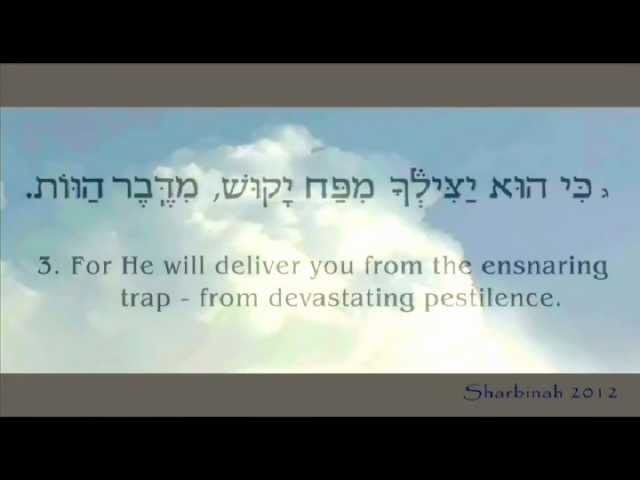
Psalm 91
Known for its poetic imagery of protection—“shelter of the Most High.” Commonly used for safety and reassurance during treatment or hospital stays.
Psalm 121
A compact prayer of trust: “I lift my eyes to the mountains—my help comes from the Lord.” Many families choose it when someone faces procedures or anxiety. It is a staple in prayer for the sick tehillim because of its steady tone and universal appeal.
Psalm 130
A call from the depths. It balances honest struggle with patience and hope, making it appropriate for long-term illness, chronic conditions, or recovery phases.
How to select and combine Psalms
You can choose one or two Psalms to repeat daily, select a small set for rotation (for example, 6, 20, 121 on weekdays; 30 and 91 on weekends), or follow a full Tehillim schedule if you have time. When using prayer for the sick tehillim, many people start with a Psalm of distress (6 or 13), continue with a request for divine help (20 or 130), and end with an affirmation of trust (121 or 91).
How to say prayer for the sick tehillim: a simple step-by-step guide
Here is a straightforward way to incorporate prayer for the sick tehillim into your day. The steps can be adapted to your time, tradition, and level of familiarity with Hebrew.
- Set aside a few minutes. Find a quiet space, silence your phone, and take a slow breath. Intention matters as much as length.
- Choose your Psalms. Two or three short Psalms are enough for a focused session.
- Mention the person’s name. If possible, use the Hebrew name plus the mother’s name—for example, “Avraham ben Sarah.” If you do not know the Hebrew names, use the names you have.
- Read slowly. If reading in English, pause at a line that moves you. If reading in Hebrew, it is fine to add an English translation for understanding.
- Add a short personal prayer. In your own words, ask for a refuah sheleimah (complete healing), strength for carers, and wisdom for medical teams.
- Close with gratitude. Acknowledge any small improvements and the courage shown by the person who is ill.
You can incorporate your prayer for the sick tehillim before or after daily routines—morning coffee, lunchtime, or bedtime. Consistency deepens the sense of connection and comfort over time.
Names, the Mi Sheberach, and including the person you are praying for
In Jewish tradition, we often pray for someone using their Hebrew name along with their mother’s name. This naming custom, used in the Mi Sheberach prayer, is believed to call down personalised compassion and mercy. If you do not know the Hebrew names, you can still pray sincerely using their regular name, explaining to God who you have in mind. Some will write the name on a card or screen and keep it visible while saying Psalms. If you are praying for more than one person, allow a brief pause to focus on each individual.
Using prayer for the sick tehillim at home, in synagogue, and online
There are many settings for meaningful use of prayer for the sick tehillim. At home, a candle or photograph can gently focus your mind. In synagogue, you might join a group reciting selected Psalms before or after services. Online, friends and family across cities can coordinate times to say Psalm 20 or Psalm 121 together, creating a shared moment of intention. Some communities maintain rolling Tehillim schedules so that different people cover different Psalms throughout the day.
Common mistakes when using prayer for the sick tehillim
Being aware of a few pitfalls can make your practice calmer and more effective:
- All-or-nothing thinking: Feeling that if you cannot recite for thirty minutes, it is not worth starting. Even three minutes of focused prayer for the sick tehillim has value.
- Rushing the words: Slow, thoughtful reading fosters connection and understanding.
- Neglecting practicality: Prayer belongs alongside medical care, emotional support, and rest. They support each other.
- Forgetting hope: Even during tough days, include at least one Psalm that emphasises trust (for example, 121).
- Overcomplicating: Choose a handful of Psalms you truly connect with rather than an overwhelming list.
Blending prayer and practical care
Spiritual practices can ease anxiety and strengthen resilience, but they do not replace clinical treatment. Be sure to follow medical advice, keep appointments, and ask questions when needed. If the person is in hospital, consider contacting chaplaincy or spiritual care services to complement your prayers with pastoral support. Using prayer for the sick tehillim alongside practical steps creates a compassionate and balanced approach.
Recommended external resources
The following resources provide reliable background, texts, and practical advice to enrich your prayer for the sick tehillim practice:
- Background on the Mi Sheberach, the Jewish prayer for the sick — clear overview of the blessing used in synagogues and at home.
- Full text of Psalms (Tehillim) in Hebrew and English — free, accessible, and well-structured for personal study.
- Encyclopaedic overview of the Book of Psalms — historical context and structure of Tehillim.
- NHS information on hospital chaplaincy and spiritual care — how pastoral support can complement care in hospital settings.
Related articles
- Meaning of Gentiles in the Bible — useful context if you are supporting someone from another background and want to understand inclusive approaches to prayer.
- Jewish perspectives on Easter — a helpful primer on differences and common questions about Jewish practice.
Frequently asked questions about prayer for the sick tehillim
Can anyone say the Psalms, or must it be a rabbi?
Anyone can recite Tehillim. You do not need to be a rabbi or to know Hebrew fluently. What matters is sincerity and focus. Many people use bilingual editions so they can read and understand at the same time.
How many Psalms should I say for someone who is ill?
There is no fixed rule. Choose one to three Psalms you find moving and repeat them consistently. Some prefer a short daily routine; others recite more on weekends or when there is a medical appointment. Consistency is more helpful than sheer length.
Is it better to say Psalms in Hebrew?
Hebrew has a special place in Jewish prayer, but meaning and intention are vital. Reading in English (or another language you understand) is valuable. Some readers alternate verses in Hebrew and English to balance connection and comprehension.
How do I include the person’s name properly?
Traditionally, we pray for “X ben/bat Y,” meaning the person’s Hebrew name followed by their mother’s Hebrew name. If you do not know them, use the names you have and clearly intend the person in your heart. This still counts, and God understands.
Which Psalm is best for emergencies?
Many turn to Psalm 121 or Psalm 20 in urgent moments because they are short and hope-filled. Psalm 91 is another strong choice for protection. In ongoing prayer for the sick tehillim, you might add Psalm 130 for depth and patience.
Should I use a specific time of day?
Use a time you can maintain. Morning can set the tone for the day; evening can help you process events. If several people are involved, agree on a daily time to create a shared rhythm of support.
What should I do if I become discouraged?
It is normal to feel tired or disheartened. Keep sessions short, choose uplifting Psalms, and include a line of gratitude for small wins. You might ask a friend to join you so you feel supported while continuing your prayers.
Conclusion on prayer for the sick tehillim
The prayer for the sick tehillim is a compassionate, practical way to hold someone in need before God using timeless words. It takes the anguish and uncertainty of illness and channels them into structured hope—one Psalm, one line, one breath at a time.
Choose a few Psalms that speak to you,
