Frozen fruit in oatmeal: 7 essential, practical tips for better oats
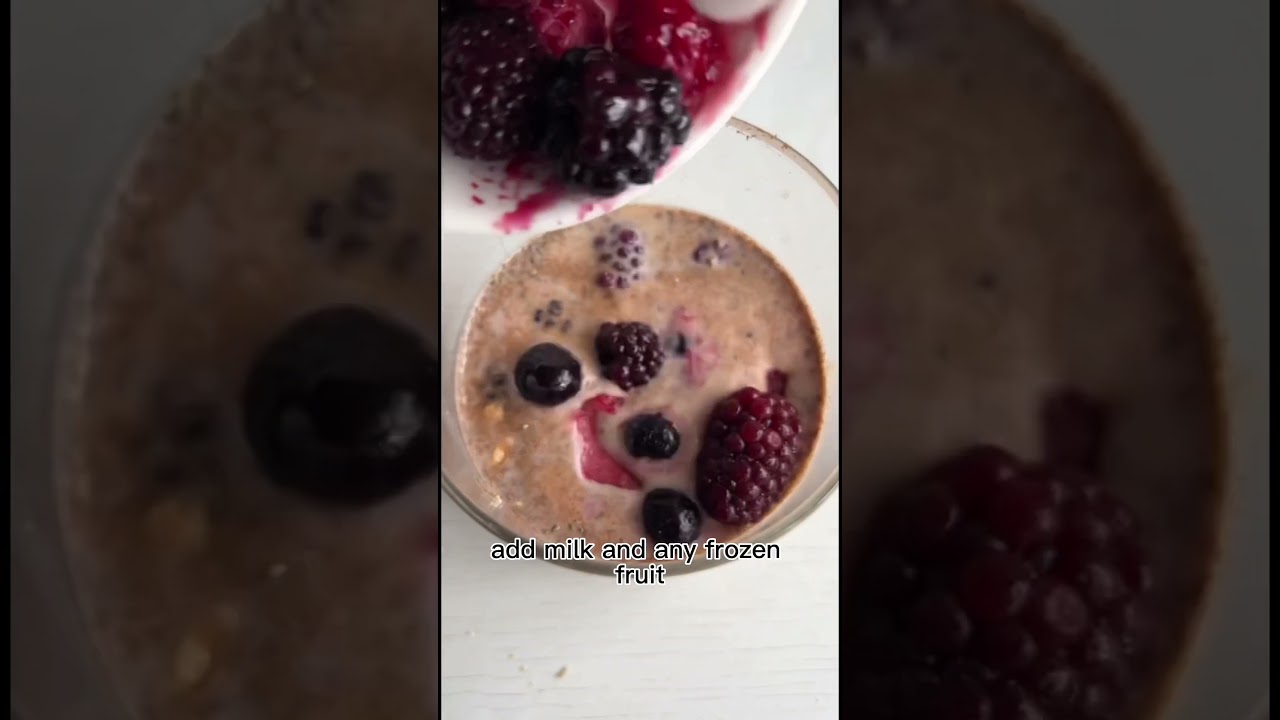
Frozen fruit in oatmeal: the complete guide to flavour, nutrition and convenience
Frozen fruit in oatmeal is one of the easiest ways to turn a simple bowl of porridge into something colourful, nourishing and genuinely exciting. Whether you like oats hot and creamy or prefer cool overnight oats, adding frozen berries, cherries, mango or peaches takes minutes, saves money, and boosts fibre and vitamins without fuss.
This guide explains exactly how to use frozen fruit in oatmeal, what to expect with taste and texture, and how to avoid common mistakes. You’ll find practical methods (microwave, hob, overnight and baked oats), tips on nutrition and food safety, and plenty of flavour ideas to keep breakfast varied all week.
What do we mean by frozen fruit in oatmeal?
In the UK, “oatmeal” often overlaps with “porridge” and simply refers to oats cooked with a liquid (usually milk or water) until creamy. Using frozen fruit in oatmeal means stirring in fruit straight from the freezer at some stage in the process—before cooking, during cooking, or after—depending on the effect you prefer. The fruit gently thaws and releases juices, creating natural sweetness and a pleasing swirl of colour.
Why choose frozen fruit? It’s picked at peak ripeness and snap-frozen, which helps preserve nutrients and flavour. It’s available year-round and is usually cheaper per portion than fresh soft fruit, with no pressure to eat it within days. That’s why frozen fruit in oatmeal has become a staple for busy mornings and budget-friendly meal prep.


Benefits of frozen fruit in oatmeal
Nutrition and fibre
Oats provide beta-glucan, a soluble fibre known for supporting normal cholesterol levels as part of a healthy diet, while fruit adds more fibre plus vitamins and beneficial plant compounds (such as anthocyanins in blueberries and cherries). Conveniently, frozen fruit counts towards your 5 A Day; the NHS confirms that frozen fruit is included just like fresh fruit, as long as nothing is added apart from fruit itself. See the NHS guidance here: what counts towards your 5 A Day.
Combining oats and fruit creates a balanced base that’s naturally satisfying. Add a protein source (like milk, soya drink, Greek-style yoghurt or nuts/seeds) and a little healthy fat (nuts, seeds or nut butter), and you’ve got a breakfast that keeps energy steady for hours.
Convenience and cost
Frozen fruit in oatmeal streamlines morning routines. You can scoop out exactly what you need, waste less, and skip washing and chopping. Bulk bags of berries or mango are typically great value, and you won’t lose half a punnet to spoilage midweek.
Taste and texture synergy
As frozen fruit thaws, it releases juices that mingle with the oats. Blueberries burst; cherries add richness; mango contributes tropical sweetness; and raspberries lend a tangy lift. You can go for jammy, cooked fruit by adding it earlier, or a cool, fresh contrast by stirring it in at the end.
A foundation for variety
Because oats are mild, they’re a brilliant canvas. Frozen fruit in oatmeal makes it easy to rotate flavours without extra shopping or complicated recipes. Simply keep two or three fruit blends in the freezer and alternate them through the week.
Choosing and preparing your fruit
Best fruits for oats
- Blueberries: hold shape well and turn oats a lovely purple.
- Raspberries and mixed berries: tangy and jammy; great with a little vanilla.
- Cherries: rich, dessert-like flavour; pair nicely with cocoa or almond extract.
- Mango: sweet and creamy; excellent in overnight oats with coconut.
- Peaches and nectarines: soft and mellow; lovely with cinnamon.
- Blackberries: robust flavour; good with lemon zest.
- Pineapple: bright and tropical; good with toasted coconut and ginger.
Check the label
Look for plain frozen fruit with no added sugar or syrups. Fruit-only blends allow you to control sweetness and keep the focus on fruit flavour.
Portion guidance
A practical breakfast portion is usually 80–150 g of fruit per person, depending on appetite and overall meal size. An 80 g portion typically counts as one of your 5 A Day. For frozen fruit in oatmeal, 100 g works well for most bowls, but adjust to taste.
Methods: how to add frozen fruit in oatmeal
There are several effective ways to use frozen fruit in oatmeal. Each method yields a slightly different texture and temperature. Choose the method that matches your routine and preferences.
Overnight oats (no-cook, make-ahead)
- In a jar or lidded container, combine 50 g rolled oats, 120–150 ml milk or plant drink, a pinch of salt, and optional 1–2 teaspoons chia seeds for extra thickness.
- Stir in 80–120 g frozen fruit. You can layer fruit at the bottom, scatter through the middle, or spoon on top. As it defrosts overnight, the fruit will release juice and softly flavour the oats.
- Refrigerate for at least 4 hours, ideally overnight.
- In the morning, stir well. Add a dollop of yoghurt, a sprinkle of nuts or seeds, and sweeten lightly if you wish (maple syrup, honey or mashed banana).
Texture tip: Using chia seeds or a spoonful of thick yoghurt helps soak up the extra juices from thawing fruit and gives a creamy, pudding-like texture. This is a particularly simple way to enjoy frozen fruit in oatmeal without cooking.
Microwave porridge (fast and flexible)
- Combine 50 g oats, 250 ml liquid, and a pinch of salt in a microwave-safe bowl.
- Microwave for 90 seconds, stir, then add 80–120 g frozen fruit.
- Microwave in 30–45 second bursts, stirring between each, until the oats are creamy and the fruit is warm and releasing juices (usually 1–2 more minutes, depending on your microwave).
- Finish with toppings like nuts, seeds, a swirl of nut butter, or a spoon of yoghurt.
Safety note: Stirring between bursts helps avoid hot and cold spots and ensures even heating when making frozen fruit in oatmeal in the microwave.
Hob/steel-cut or rolled oats (classic and creamy)
- Simmer oats gently with milk or water, stirring occasionally. For rolled oats, 5–8 minutes; for steel-cut, 20–30 minutes.
- Add frozen fruit in the last 2–4 minutes for a warm, jammy finish. Alternatively, stir the fruit in after taking the pan off the heat for a cooler contrast and brighter flavour.
- Adjust thickness with a splash more liquid if the fruit thickens the oats as it bursts.
Baked oatmeal (batch-friendly)
- Heat the oven to 180°C (160°C fan). Grease a baking dish.
- Mix 200 g oats, 500 ml milk, 2 eggs (or flax “eggs”), 1 tsp baking powder, 1 tsp cinnamon, a pinch of salt, and optional 2–3 tbsp maple syrup.
- Fold in 300–400 g frozen fruit, spread in the dish, and bake for 30–40 minutes until set and golden at the edges.
- Cool slightly, slice, and serve warm with yoghurt—or chill and reheat portions through the week.
Baked versions are perfect for meal prep and keep well in the fridge for 3–4 days. They showcase frozen fruit in oatmeal beautifully, with jammy pockets in every slice.
Warm swirl or cold toppers?
Adding fruit earlier creates a softer, jam-like texture. Adding it after cooking gives a refreshing contrast and preserves more of the fruit’s shape. There’s no right answer; try both and see which you prefer when using frozen fruit in oatmeal.
Flavour builders and nutrition boosts
Spices and citrus
- Cinnamon, nutmeg or mixed spice with apples, berries or cherries.
- Cardamom with mango or peaches for a fragrant twist.
- Ginger with pineapple or berries for warmth.
- Lemon or orange zest to brighten any bowl.
- Vanilla extract for a dessert-like feel.
Protein and healthy fats
- Yoghurt or skyr for creaminess and protein.
- Milk, soya drink, or pea-based drink instead of water to boost protein.
- Chopped nuts (almonds, walnuts, hazelnuts) for crunch and healthy fats.
- Seeds (pumpkin, sunflower, flax, chia) for fibre, minerals and omega-3 (ALA).
- Nut or seed butter for richness and staying power.
Gentle sweetness
Many fruits are sweet enough. If you want more sweetness, try a teaspoon of honey or maple syrup, a chopped date, or half a mashed ripe banana. This approach keeps the focus on fruit flavour in frozen fruit in oatmeal, and helps avoid overly sugary bowls.
Texture contrasts
Balance soft oats and fruit with crunch. Toasted nuts or seeds, coconut flakes, cacao nibs, or a small granola sprinkle provide satisfying contrast without overshadowing the fruit.
Food safety and texture tips
Keep your freezer at −18°C or below, and store fruit in airtight packaging to prevent freezer burn. Once thawed, avoid refreezing unless the fruit has been cooked into something new (like baked oats). For general advice on safe chilling, freezing and defrosting, see the Food Standards Agency’s guidance: food hygiene: chilling and freezing.
When cooking frozen fruit in oatmeal in the microwave, pause and stir to distribute heat evenly. If you prefer cooler fruit, add it at the end and allow a minute to soften—this avoids icy bites while keeping a fresh feel.
Liquid balance: Frozen fruit releases water. If you add it early, you might need slightly fewer liquids upfront, or just cook a minute longer to reach your preferred thickness. If stirring in at the end, a spoonful of chia seeds or thick yoghurt helps absorb juices.
Common mistakes with frozen fruit in oatmeal (and easy fixes)
- Adding too much liquid at the start: Remember the fruit will release juices. Use your usual ratio, then adjust at the end if needed.
- Microwaving too long without stirring: This can cause boil-overs or uneven heating. Use short bursts, stir, repeat.
- Using fruit blends with added sugar: Check labels; choose fruit-only bags so you control sweetness.
- Refreezing thawed fruit: Aim to use what you defrost. If it’s been cooked into baked oats, cool and refrigerate rather than refreezing.
- Forgetting salt: A tiny pinch makes oats taste sweeter and more rounded, especially when using frozen fruit in oatmeal.
- Skipping protein or healthy fats: Add yoghurt, milk, nuts or seeds for a balanced meal that truly satisfies.
Budget, sustainability and planning
Frozen fruit reduces waste and can lower your weekly spend, especially for berries. It also cuts down on emergency midweek shopping trips. Keep a few core favourites—blueberries for everyday versatility, a mixed berries bag for tang, and mango for a sweet hit—and rotate them for effortless variety.
Meal prep tip: Batch-cook a pot of oats, portion into containers, and add different fruits to each. Label containers clearly—some people enjoy a bit of flair by marking days with simple numerals or even Roman numerals. If you fancy that approach, here’s a concise guide to Roman numerals you can reference while labelling jars for Monday to Friday.
Writing menus for a family or a shared household? Varying your language keeps things fresh—one day “berry burst porridge”, another “cinnamon cherry bowl”. If you’re drafting descriptions and want to avoid repeating the same words, this list of useful synonyms for numerous can help when you’re describing the many toppings and mix-ins you offer.
Example combinations and easy recipes
If you’re new to using frozen fruit in oatmeal, start with these reliable pairings and tweak to your taste. They’re flexible, quick, and scale well.
Blueberry almond porridge (microwave or hob)
- Base: 50 g oats + 250 ml milk or plant drink + pinch of salt.
- Fruit: 100 g frozen blueberries, added halfway (microwave) or in the last 2–3 minutes (hob).
- Finish: 1 tsp almond butter, 1 tbsp chopped almonds, a drizzle of honey if you like.
Result: Soft, purple oats with nutty richness. A textbook example of frozen fruit in oatmeal done right.
Tropical mango and coconut overnight oats
- Base: 50 g oats + 130 ml coconut drink + 1 tbsp chia seeds + pinch of salt.
- Fruit: 120 g frozen mango cubes stirred in before chilling.
- Finish in the morning: A spoon of thick yoghurt and toasted coconut flakes.
Result: Creamy and fragrant with little bursts of mango. Add lime zest for brightness.
Cherry cacao baked oats
- Mix 200 g oats, 500 ml milk, 2 eggs (or flax eggs), 2 tbsp cocoa powder, 2–3 tbsp maple syrup, 1 tsp vanilla, pinch of salt.
- Fold in 350 g frozen cherries.
- Bake at 180°C (160°C fan) for 35–40 minutes.
Result: Dessert-like squares packed with fruit. Lovely warm with yoghurt.
Raspberry crumble porridge
- Cook oats as usual and stir in 100 g frozen raspberries near the end.
- Top with 1 tbsp toasted oats mixed with 1 tsp butter (or coconut oil) and a pinch of brown sugar, plus a few chopped nuts.
Result: A cosy, crumble-inspired bowl with tangy fruit and crunchy topping—great proof of how versatile frozen fruit in oatmeal can be.
