Prayer for the Sick Near Death: Essential, Practical Guide (7 Prayers)

Prayer for the sick near death: meaning, comfort, and guidance
When someone you love is approaching the end of life, it can be hard to find words. A prayer for the sick near death offers gentle companionship, hope, and peace when many other things feel uncertain. Whether you are a family member, a friend, or part of a care team, learning how to pray with compassion and clarity can be a source of strength for everyone involved.
This guide explains what a prayer for the sick near death is, why it matters, and how to offer or compose one with confidence. It includes practical steps, short model prayers, suggestions from Christian tradition, and thoughtful advice for mixed-faith or non-religious settings. Above all, it aims to help you honour the person who is dying and support those keeping vigil with them.
What is prayer for the sick near death?
At its heart, a prayer for the sick near death is a conversation with God offered on behalf of a person who is dying. It asks for comfort, mercy, and a sense of the divine presence. It can be spoken aloud or silently, formal or simple, and it can be shared by one person or a group. The intention is to accompany rather than to force; to bless rather than to persuade; to hold the person in love and to entrust them to God.
People turn to this kind of prayer to soothe fear, affirm dignity, and create a calm, respectful space. It can also help families express what matters most—gratitude, forgiveness, and love—when time and energy are limited.
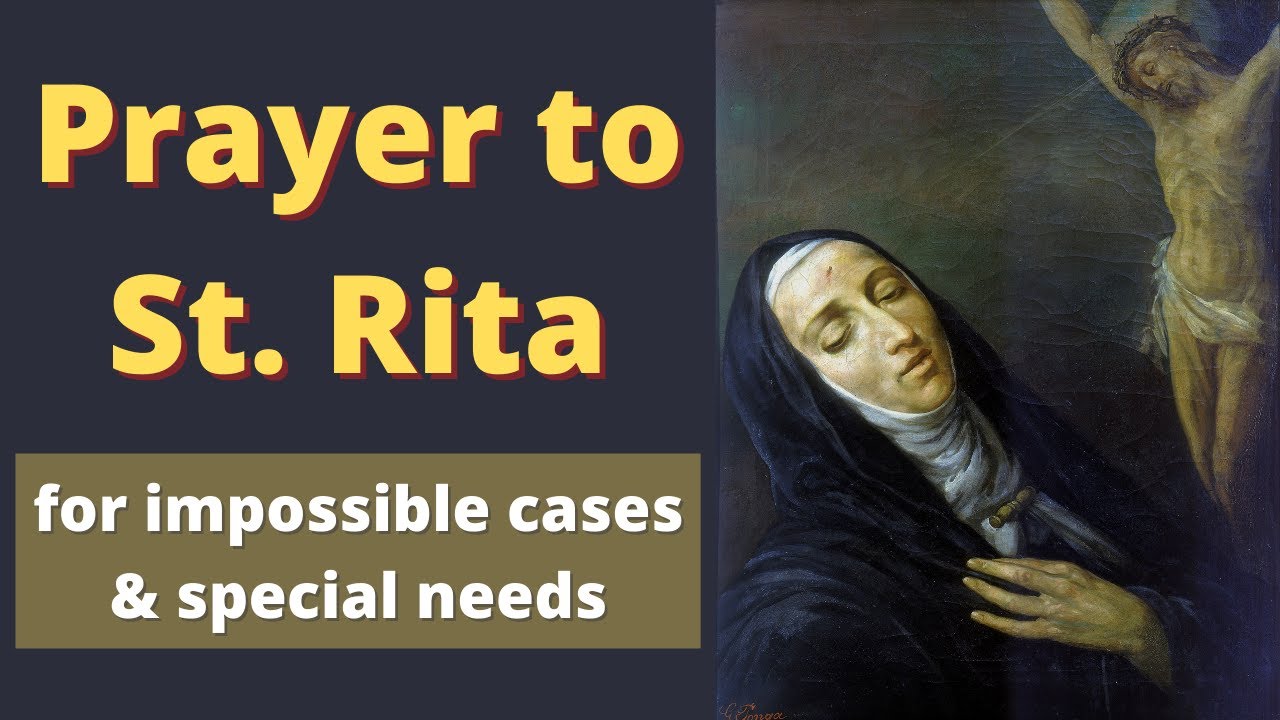

Why prayer at the end of life matters
As life draws to a close, priorities become clear. Small comforts—quiet, touch, familiar voices—mean a great deal. A considered prayer creates space for these comforts to be noticed and received. For many, it confirms that the person is not alone and that their life, with all its joys and sorrows, is held in unfailing love. A prayer for the sick near death can ease tension, reduce the sense of isolation, and remind everyone present that compassion is the central task of the moment.
Prayer also helps families. It offers a shared language when emotions are overwhelming, and it allows each person to participate according to their ability—listening, joining a refrain, or holding the hand of the one who is dying.
Basic principles for meaningful end-of-life prayer
Whether you are deeply experienced or praying at the bedside for the first time, these simple principles will help you serve the person well.
Lead with consent and respect
Ask, if possible, whether the person would like you to pray. If they are no longer able to respond, follow previously expressed wishes or consult the family. Respect boundaries—some people prefer silence, music, or readings to spoken prayer.
Be present and unhurried
Prayer is as much about presence as words. Sit comfortably, breathe slowly, and let your tone be calm. Keep your phone silenced, lower the lighting if appropriate, and focus on the person, not the clock.
Use clear, compassionate language
Short sentences and familiar phrases comfort more than complicated speech. Avoid trying to explain suffering; instead, speak of love, mercy, and peace. If you reference faith, do so gently and without pressure.
Be inclusive of different beliefs
In many families, beliefs vary. When in doubt, choose words that emphasise dignity, gratitude, and hope. If the person or family belongs to a particular tradition, you can use its prayers—otherwise, keep language welcoming to all.
Keep the person at the centre
Prayer should reflect the person’s own story—say their name, recall qualities they valued, and honour important relationships. This person-centred focus makes any prayer more authentic and healing.
How to compose or choose a prayer for the sick near death
Writing or selecting a prayer can feel daunting, but a simple structure helps. Here is a step-by-step approach to shaping a prayer for the sick near death that is warm, thoughtful, and fitting.
Step-by-step structure
- Begin with address: Use a familiar and reverent opening such as “Loving God,” “Merciful Father,” or a form that reflects the person’s faith.
- Name the person: “We hold N. before you,” or “We bring N. into your gentle care.”
- Acknowledge the moment: Recognise the nearness of death without harshness. Words like “in these final days” or “in this tender time” can be helpful.
- Ask for what is needed: Peace, freedom from pain, release from fear, forgiveness, reassurance for family, and wisdom for carers.
- Affirm love and dignity: Thank God for the person’s life and for the love shared.
- Commend and entrust: Gently place the person into God’s care. If appropriate, reference hope beyond death.
- Conclude simply: Amen, or a phrase the person would recognise, such as the closing of the Lord’s Prayer.
You can adapt this structure for a brief prayer, or expand it to include a Psalm or short reading. The aim is steady reassurance, not length.
Short model prayers you can use
These brief examples show how you might shape a prayer for the sick near death in everyday language. Adjust names and details as needed.
1) A simple entrusting prayer
“Loving God, we hold [Name] before you. Bring calm to their body, peace to their heart, and light to this room. Surround [Name] with your mercy and help us to love and support them well. We entrust [Name] to your gentle care, now and always. Amen.”
2) Prayer for family and carers
“God of compassion, be near to [Name] and to all who love them. Give wisdom to those who care, kindness in every touch, and strength when we feel weary. Let your peace rest upon this place. Amen.”
3) When death is very near
“Merciful God, hold [Name] in your tender hands. Ease every fear, forgive every wrong, and open the way to your everlasting peace. Keep watch with us and grant us calm hearts. Amen.”
4) A prayer of gratitude
“Gracious God, we thank you for the gift of [Name]—for their life, their love, and all we have shared. As they come to the end of this journey, let your comfort be deep and your presence be strong. Receive them into your love. Amen.”
Prayers from Christian tradition
If the person is Christian, traditional prayers can be profoundly comforting. Familiar words often reach beyond confusion or pain. The Lord’s Prayer is universal among Christians and can be said slowly together. Many also find Psalm 23 (“The Lord is my shepherd…”) calming. For Catholics, devotions such as the Divine Mercy Chaplet prayer are a well-loved way to commend a soul to God’s mercy. For a simple Scripture-based reassurance, the promise that “the Lord your God is with you” is beautifully expressed in Zephaniah; see this brief reflection on Zephaniah 3:17.
The Lord’s Prayer
“Our Father in heaven,
hallowed be your name,
your kingdom come,
your will be done,
on earth as in heaven.
Give us today our daily bread.
Forgive us our sins
as we forgive those who sin against us.
Lead us not into temptation
but deliver us from evil.
For the kingdom, the power,
and the glory are yours,
now and for ever. Amen.”
Psalm 23 (excerpt)
“The Lord is my shepherd; I shall not want.
He makes me lie down in green pastures;
he leads me beside still waters;
he restores my soul…
Even though I walk through the valley of the shadow of death,
I will fear no evil, for you are with me…”
A traditional commendation (adapted)
“Into your hands, O merciful Saviour, we commend your servant [Name]. Acknowledge, we humbly pray, a sheep of your own fold, a lamb of your own flock, a sinner of your own redeeming. Receive [Name] into the arms of your mercy, into the blessed rest of everlasting peace.”
Practical steps for offering prayer for the sick near death
Here are simple, concrete ways to make a prayer for the sick near death as supportive as possible.
- Prepare the space: Reduce noise, soften lighting, and gather any items that matter to the person—photos, a cross, a favourite blanket.
- Ask gently: “Would you like me to say a short prayer?” If they cannot answer, seek guidance from the family or advance wishes.
- Invite participation: Offer a phrase for others to repeat, or suggest holding hands quietly for a moment of silence.
- Choose the right length: Keep it brief unless the person clearly wants more. A minute or two often suffices.
- Speak clearly and slowly: A calm, steady voice reassures and prevents fatigue.
- Include pauses: Silence allows words to settle; it is part of the prayer rather than a break from it.
- Coordinate with care teams: Time prayers around clinical care, pain relief, or nursing tasks so that the person remains comfortable.
- Close with assurance: End with a word like “peace,” “Amen,” or a familiar blessing. Let the room stay quiet for a few breaths.
Common mistakes to avoid with prayer for the sick near death
Even with the best intentions, some approaches can add stress rather than relieve it. Avoid these frequent missteps when offering a prayer for the sick near death:
- Overlong or complicated words: Keep it simple and respectful. Length is not proof of love.
- Making promises you cannot keep: Promise presence, love, and prayer—not outcomes you cannot control.
- Using prayer to persuade: Do not push beliefs. Prayer should console, not convince.
- Speaking about the person rather than to them: Address the person by name and speak as if they can hear—many people can still perceive voices even if unresponsive.
- Ignoring family cues: Be attentive to the mood of the room. If emotions crest, pause and offer silence.
Blending spiritual, pastoral, and clinical support
Prayer sits alongside medical care and does not replace it. Good palliative care focuses on relieving pain and distress, and spiritual care supports meaning and connection. For practical guidance on care options and planning, the NHS guide to end of life care outlines services and choices across the UK. Families will also find compassionate advice from Marie Curie on preparing for the end of life, including how to support someone physically and emotionally.
If the person is Catholic and requests the Sacrament of the Anointing of the Sick, a priest can be contacted to celebrate the rite; the Catechism’s section on Anointing of the Sick explains its meaning and purpose. Anglican families may wish to draw on official prayers and commendations offered by the Church of England; see the pastoral services: prayers and resources for texts suited to the dying and the bereaved.
In all cases, let spiritual support complement clinical care: plan prayer times around pain relief, include nurses or chaplains if the person desires, and keep communication open so that the person’s comfort remains the priority.
Recommended external resources
- NHS: end of life care overview – practical information on care options, planning, and support services.
- Marie Curie: preparing for the end of life – guidance for families and carers on what to expect and how to help.
- Catechism of the Catholic Church: Anointing of the Sick – doctrinal background and pastoral context for the sacrament.
- Church of England: pastoral prayers and resources – official texts, including prayers near death and at the time of death.
Related articles
Frequently asked questions about prayer for the sick near death
What if the person is unresponsive—should I still pray aloud?
Yes, if you believe they would welcome it. Hearing can remain even when a person cannot reply, and a short, gentle prayer can be calming. Say their name, keep your voice soft, and pause often. A brief prayer for the sick near death can offer comfort without demanding effort from the person.
How long should a bedside prayer be?
Usually one to two minutes is enough. If the person seems settled, you may add a line or a short Psalm. Watch for signs of fatigue. A concise prayer for the sick near death, with space for silence, is often best.
What if the person or family is not religious?
Choose inclusive language. You might offer a moment of silence, express gratitude for the person’s life, or use words such as “May you be at peace” without any specifically religious terms. The spirit of a prayer for the sick near death is compassion; the form should respect the person’s beliefs.
Can we pray by phone or video if we cannot be there in person?
Yes. Arrange a quiet time, speak slowly, and keep it short. If someone is at the bedside, ask them to place the phone near the person’s ear. A simple prayer for the sick near death works well at a distance too.
