Prayer for the sick ministry of healing: 7 essential, practical steps
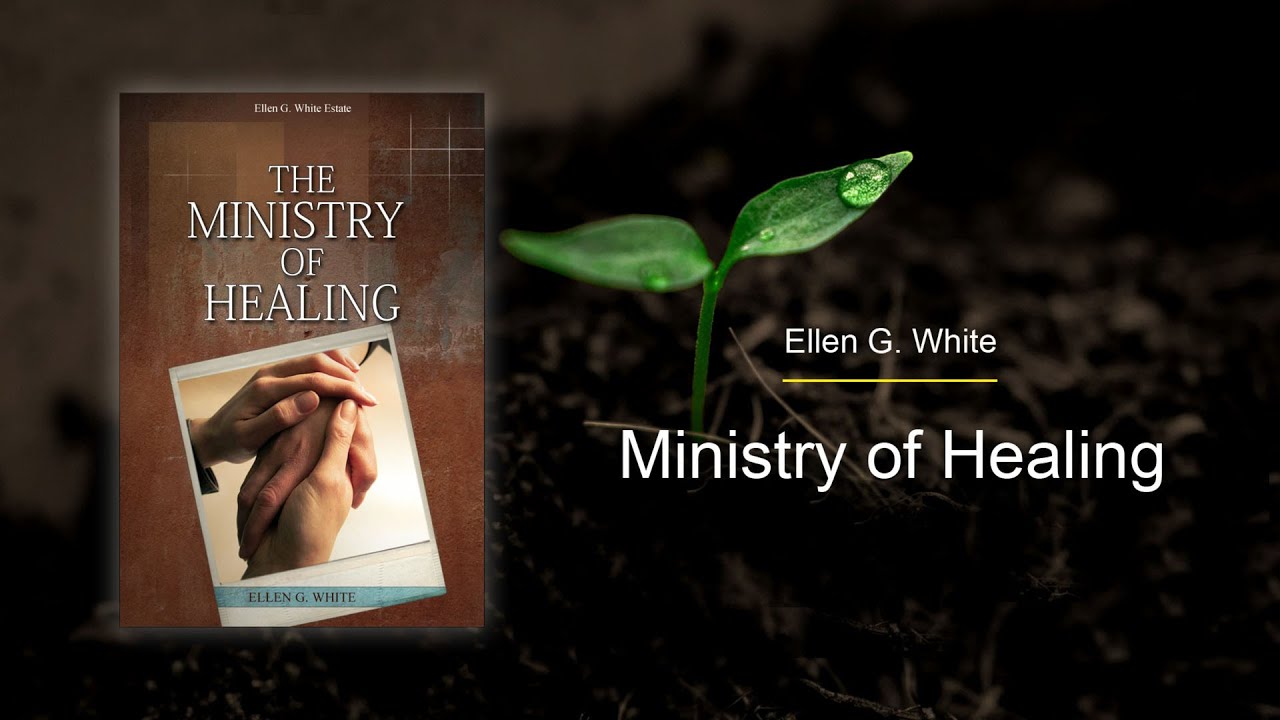
Prayer for the sick ministry of healing: a practical guide for churches and carers
Prayer for the sick ministry of healing is a compassionate, faith-filled response to human suffering. It brings together prayer, pastoral care and practical support for people who are unwell in body, mind or spirit. Whether you serve in a local church, volunteer in a hospital chaplaincy, or simply want to pray wisely for a family member, this guide offers clear principles, gentle practices and simple words to help you minister with confidence and care.
At its heart, prayer for the sick ministry of healing is about bearing one another’s burdens before God, seeking wholeness and peace in Christ, and honouring the dignity of each person. It is not a spectacle, nor a shortcut around medicine, but a ministry of presence, intercession and hope that complements clinical treatment and everyday care.
What is prayer for the sick ministry of healing?
When Christians speak of prayer for the sick ministry of healing, they typically mean a set of pastoral and liturgical practices through which a community prays for those who are ill, offering loving support and asking God to heal. This ministry may take place in Sunday services, in small groups, at bedside visits, or during dedicated times of prayer. It often includes laying on of hands, anointing with oil where this is part of the church’s tradition, and words of blessing and comfort.
Importantly, prayer for the sick ministry of healing embraces a broad understanding of healing. People may experience relief from physical symptoms, renewed courage, emotional peace, restored relationships, or a deeper sense of God’s presence. Healing can be gradual or immediate, partial or complete, and it may occur in ways we did not expect. The role of the minister or team is to pray faithfully, listen attentively and love well, leaving outcomes with God.


The biblical and pastoral foundations of prayer for the sick ministry of healing
The Scriptures offer a rich foundation for this work. Jesus’ ministry is full of encounters with the sick: he touches lepers, restores sight, lifts the paralysed and consoles the bereaved. The epistle of James urges the church to pray for the sick and to anoint them with oil in the name of the Lord. Healing prayer flows from the conviction that God is compassionate, attentive and able to save. It also reflects the belief that the Body of Christ is called to share in Christ’s healing work through prayer, presence and practical love.
Pastorally, prayer for the sick ministry of healing emphasises dignity, consent and gentleness. It honours the whole person. It recognises the role of medicine, counselling and community support, and it avoids placing blame or creating pressure. The best practice is collaborative: we pray, we accompany, and we encourage people to seek appropriate healthcare and professional help where needed.
Scripture themes for healing
Several themes recur in the Bible’s witness to healing: God’s steadfast love; the call to intercede for others; the power of blessing; and the presence of Christ with those who suffer. Many ministers find it helpful to keep a repertoire of short verses for prayer. For instance, James 5:14–16 invites the elders to pray and anoint, while the Psalms provide language for lament and trust. A balanced prayer for the sick ministry of healing weaves these themes together—petition, trust, lament and thanksgiving.
Faith, medicine and community
Healing ministry is not a substitute for healthcare. Rather, it sits alongside medical treatment and psychosocial care. Encourage those receiving prayer to continue prescribed treatment and to speak with their clinicians about any concerns. Medical professionals, counsellors and chaplains are partners in care, and prayer teams should be ready to signpost or refer. This integrated approach reflects the church’s commitment to holistic wellbeing.
How to prepare and lead a prayer for the sick ministry of healing session
A fruitful time of ministry rarely happens by accident. Preparation helps you pray with clarity, sensitivity and peace. When you plan a service or a short prayer at a bedside, consider the setting, the people present and the person’s preferences. A simple, steady framework is most helpful.
Preparing hearts and space
- Pray beforehand for wisdom, humility and love.
- Ensure privacy and quiet, whether in church or at home. Ask permission before others observe.
- Keep the physical space calm: a chair, a small table for oil (if used), tissues, water. Avoid clutter and fuss.
- Check consent for any touch. If using anointing, explain its meaning and ask if it is welcome.
A simple step-by-step pattern for ministry
- Welcome and consent: Introduce yourself, ask the person how they prefer to be addressed, and gain clear consent for prayer.
- Listening: Ask briefly what they would like prayer for. Listen carefully. Do not press for details they do not wish to share.
- Scripture and silence: Offer a short verse or a few moments of quiet to centre hearts on God.
- Prayer: Pray in plain, gentle language. Keep prayers short and focused. Use the person’s own words where possible.
- Laying on of hands/anointing: If appropriate to your tradition and consented to, place a hand lightly on a shoulder or anoint the forehead with a small cross of oil.
- Blessing and closure: End with a blessing and a simple next step—perhaps lighting a candle, noting a follow-up visit, or encouraging contact with the GP or support services.
If you are looking for a personal devotion that many find comforting alongside a prayer for the sick ministry of healing, consider the gentle rhythm of the Divine Mercy Chaplet prayer, which can be prayed alone or with a small group.
Suggested prayers and words
Try to avoid jargon and grand claims. Pray honestly and kindly. Examples:
- “Loving God, you are near to the broken-hearted. We bring N before you. Grant relief from pain, courage for today, wisdom for clinicians, and your peace that passes understanding.”
- “Lord Jesus, healer of our souls and bodies, touch N with your compassion. Where there is fear, bring calm; where there is pain, bring rest; where there is uncertainty, bring hope.”
- “Holy Spirit, come with your gentle presence. Renew N’s strength, restore their sleep, and surround them with loving care.”
To reflect on God’s tender delight even in hardship, you may find encouragement in this reflection on Zephaniah 3:17, a verse treasured in many traditions for its promise that God is mighty to save and rejoices over his people.
Safeguarding, consent and good practice
Prayer for the sick ministry of healing must always be safe, respectful and accountable. Obtain explicit consent for prayer, for any touch, and for anointing. Where children or vulnerable adults are involved, follow your church and national safeguarding policies strictly. Record significant pastoral encounters according to your organisation’s guidelines and ensure that team members have current safeguarding training.
Boundaries and referral
- Do not give medical advice unless you are a qualified clinician acting in that capacity.
- Never suggest stopping prescribed medication; instead, encourage the person to speak with their healthcare team.
- If a person shares risk of harm to self or others, follow safeguarding procedures immediately and seek appropriate help.
- Be careful with language: avoid implying that lack of healing is the person’s fault or a sign of weak faith.
Common mistakes to avoid in prayer for the sick ministry of healing
- Over-promising outcomes: It is unhelpful and potentially harmful to predict a specific result. Pray with faith while trusting God with outcomes.
- Talking too much: Keep prayers concise. Leave space for silence and for the person to speak or rest.
- Ignoring the person’s wishes: Always ask how they want to be prayed for. Respect a “not today”.
- Creating dependency: Encourage resilience, community support and professional care rather than positioning the prayer team as the sole source of help.
- Forgetting follow-up: A brief check-in a day or two later can be as healing as the initial prayer.
By avoiding these pitfalls, a prayer for the sick ministry of healing remains a blessing—tender, grounded and sustainable.
Examples and simple case scenarios
Hospital bedside visit
You are visiting someone awaiting surgery. After greeting the patient and checking consent, you ask how they would like you to pray. They express fear about anaesthesia. You read a short verse (for example, Psalm 23:4), hold a brief silence, and pray for calm, skilled clinicians, and a smooth recovery. You end with a blessing and arrange a follow-up call. This is a straightforward use of prayer for the sick ministry of healing—focused and pastoral.
Parish prayer station during Communion
During a Sunday service, a prayer station is offered at the side chapel. Two trained team members stand quietly, inviting those who wish to receive prayer. They ask for the person’s name and request, pray succinctly, and anoint with a small cross of oil upon request. Safeguarding guidelines are observed, and a coordinator debriefs the team afterwards. This integrates prayer for the sick ministry of healing into the regular worship rhythm.
Home visit for chronic illness
A person with a long-term condition requests a home visit. You bring a small team of two. After listening and praying, you also signpost a local support group and offer to connect the person with practical help in the church. Over time, you alternate prayer with companionable conversation and Scripture readings. Such continuity embodies the steady care that makes prayer for the sick ministry of healing truly holistic.
Integrating the ministry into church life
For a prayer for the sick ministry of healing to flourish, it needs wise leadership, good training and clear communication. Encourage your community to see healing prayer as part of everyday discipleship rather than an occasional special event. Normalise asking for prayer by including short intercessions for the unwell in Sunday worship and providing opportunities for private prayer afterwards.
Training a team
- Recruit people known for compassion, discretion and teachability.
- Provide training on listening skills, trauma awareness, safeguarding and prayer practices.
- Establish a simple code of conduct: confidentiality, consent, non-judgemental language, and basic referral pathways.
- Meet regularly to pray, debrief and continue learning together.
Pastoral follow-up
Follow-up is where care becomes community. Check in with those who have received prayer; celebrate small steps forward; sustain hope when progress is slow. If appropriate, suggest simple practices such as morning and evening prayer, journalling gratitude, or joining a supportive small group. The aim is to embed prayer for the sick ministry of healing in a network of belonging, not to isolate it as a standalone moment.
Language that heals: words to choose and words to avoid
- Choose: “May God’s peace guard your heart and mind”; “We are here with you”; “You are not alone.”
- Avoid: “If you had more faith…”; “God won’t heal you unless…”; “This happened because….”
Gentle, non-coercive language keeps prayer for the sick ministry of healing close to Christ’s compassion and far from pressure or shame.
Measuring fruitfulness without reducing people to outcomes
It can be tempting to measure success solely in terms of immediate physical change. A wiser approach looks for broader fruits: deeper peace, restored relationships, renewed trust in God, better sleep, adherence to treatment, or increased community support. Keep notes (confidentially) on pastoral contacts and themes to help leaders review how prayer for the sick ministry of healing is serving people over time.
Recommended external resources
- Church of England: prayers and guidance for the sick – sample prayers and pastoral guidance for use in congregations and visits.
- Catechism of the Catholic Church: Anointing of the Sick – theological and pastoral teaching on sacramental healing.
- NHS England: Chaplaincy, Spiritual and Pastoral Care – how spiritual care complements clinical treatment in health settings.
- James 5:14–16 (NRSVA) on Bible Gateway – the classic New Testament guidance for praying and anointing the sick.
Related articles
Frequently asked questions about prayer for the sick ministry of healing
Is it right to keep praying when someone does not get better?
Yes. Persevering in prayer expresses love and solidarity, not denial. Healing often unfolds over time and in different dimensions—physical, emotional, relational and spiritual. Continue to pray sensitively, support practical needs, and encourage ongoing medical care. In a well-led prayer for the sick ministry of healing, hope is steady and non-pressuring.
Should we always anoint with oil?
Anointing is a cherished practice in many traditions, rooted in James 5, but it is not mandatory in every context. Use it where appropriate to your church’s practice and only with clear consent. The centre of prayer for the sick ministry of healing is Christ’s compassionate presence, whether or not oil is used.
What if someone asks for prayer for a condition that also needs professional help?
Pray—and also signpost. Offer prayer for comfort, courage and wisdom, and encourage the person to see their GP or relevant clinician. If risk is disclosed, follow safeguarding procedures. The integrity of a prayer for the sick ministry of healing rests on collaboration with healthcare and other support services.
How do we avoid blaming people for not being healed?
Use humble, non-judgemental language and avoid implying that outcomes depend on the person’s performance. Emphasise God’s love and the community’s care. When you lead prayer for the sick ministry of healing, your words should bring grace, not pressure.
Can we pray for ourselves when we are ill?
Absolutely. Self-prayer is an act of trust. Short, simple prayers—“Lord, have mercy,” “Jesus, be my peace”—are deeply valuable. You may also invite trusted friends or a church team to pray with you. Personal prayer sits naturally within the wider prayer for the sick ministry of healing in your community.
Conclusion on prayer for the sick ministry of healing
Prayer for the sick ministry of healing is a humble, hopeful way the church walks with those who suffer. It combines attentive listening, careful words and practical kindness, trusting God to work in and through medicine, relationships and prayer. When offered with consent, safeguarding and compassion, it can bring genuine comfort, renewed courage and, at times, remarkable change.
To keep the centre strong, focus on Christ’s presence rather than dramatic outcomes. Keep language gentle, collaborate gladly with healthcare, and follow up with steady pastoral care. In doing so, your community will embody a prayer for the sick ministry of healing that is safe, faithful and deeply human.
Whether you are stepping into this ministry for the first time or strengthening a long-standing team, take small steps, stay teachable, and let love be your guide. In every season, prayer for the sick ministry of healing remains a practical expression of the gospel’s compassion—meeting people where they are, and entrusting them to the God who heals and restores.
