Prayer for the sick medjugorje: essential guide with 5 steps

Prayer for the sick Medjugorje: what it is and how to pray with confidence
For many people around the world, prayer for the sick Medjugorje is a heartfelt way of interceding for loved ones facing illness, pain, or anxiety. Rooted in the Marian spirituality fostered in the Bosnian town of Medjugorje, this form of prayer blends trust in God’s mercy, the intercession of Our Lady, the reading of Scripture, and practical works of faith such as fasting and charity. Whether you can travel to that place of pilgrimage or not, you can embrace the same spirit of prayer for the sick Medjugorje in your home, parish, or hospital bedside.
This guide explains what prayer for the sick Medjugorje involves, why it is meaningful for those who are suffering, and how to pray thoughtfully and responsibly. It offers simple steps, model words, and common-sense tips, so you can pray with a clear mind, a gentle heart, and a steady hope.
What makes prayer for the sick Medjugorje distinctive
At its heart, prayer for the sick Medjugorje is a prayer of trust. It asks God for healing—spiritual, emotional, and physical—while also saying, “Your will be done.” It places the sick person under the maternal care of the Blessed Virgin Mary, known in Medjugorje as the Queen of Peace, and it emphasises peace of heart even in the midst of trials. Pilgrims often describe a renewed ability to endure, to forgive, and to hope—fruits that are themselves signs of grace.
Many pilgrims connect their prayer for the sick Medjugorje to the parish’s daily rhythm of worship: Holy Mass, Adoration of the Blessed Sacrament, the Rosary, and a blessing for the sick during the evening prayer programme. If you are curious to see that rhythm, the official Medjugorje parish website (English) outlines the regular prayer schedule and parish news.
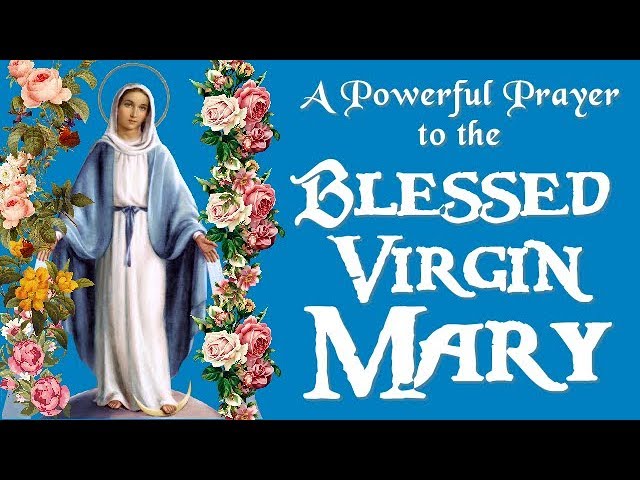

Another distinctive feature is the call to live what locals sometimes summarise as “five stones”: prayer with the heart (especially the Rosary), fasting, reading the Bible, confession, and Holy Mass. While you may not practise all five at once, this simple framework supports a deeper, steadier prayer for the sick Medjugorje over time, helping you persevere when answers seem delayed.
Core elements of prayer for the sick Medjugorje
1) Surrender to God’s will—without giving up asking
Prayer for the sick Medjugorje holds two truths together: God invites us to ask boldly for healing, and God also leads us to trust Him whatever the outcome. Surrender here does not mean passivity. It means placing the sick person completely in God’s loving hands, keeping faith that the Lord is at work in ways seen and unseen. This balance protects us from discouragement, because we are not trying to force a result; we are cooperating with grace.
2) The intercession of Our Lady
In prayer for the sick Medjugorje, many turn to Mary as mother and helper. Asking for her intercession is not a detour around Jesus; it is a way of drawing closer to Him through the one who first said “yes” to His saving plan. A simple line such as “Mary, Queen of Peace, pray for us and for the sick we carry in our hearts” keeps the prayer humble, focused, and hopeful.
3) Scripture and the Rosary
People often combine Scripture with the Rosary when offering prayer for the sick Medjugorje. A small passage (for example, a psalm of trust or a Gospel healing story) can be read before the decades. This puts the mind on God’s promises and enables the heart to pray more steadily. Short verses such as “Do not be afraid” or “Lord, if you will, you can make me clean” can be repeated gently for the person who is ill. If you wish to reflect on God’s tender care, you might also like the prophetic assurance that God is in our midst, strengthening and consoling His people—an idea explored in this reflection on God’s loving presence in Zephaniah 3:17.
4) The sacraments and the Church’s prayer for the sick
Prayer for the sick Medjugorje sits within the wider life of the Church. If the person who is ill is Catholic, encourage them to receive the Sacrament of Reconciliation and, where appropriate, the Anointing of the Sick, which is a profound prayer of the Church for strength, peace, and possible healing. For an overview of the Church’s teaching, see the Catechism section on the Sacrament of the Sick from the Holy See at the Vatican: The Anointing of the Sick in the Catechism. These gifts do not replace personal devotions; rather, they fulfil them by uniting the person to Christ and His saving work.
How to pray a simple prayer for the sick Medjugorje at home
You do not need special objects or complicated formulas. Here is a gentle, practical way to offer prayer for the sick Medjugorje for someone you love, whether you are beside them or praying from afar.
- Set a time and place. Choose a calm spot and a time you can keep regularly. Consistency builds peace and perseverance.
- Begin with silence. Take a slow breath and invite the Holy Spirit: “Come, Holy Spirit. Bring your peace and light.”
- Make the Sign of the Cross. This reminds you that prayer for the sick Medjugorje is rooted in Christ’s victory on the Cross.
- Read a short Scripture. A verse of comfort or healing prepares the heart. You could choose a psalm of trust or a healing narrative from the Gospels.
- Pray a decade of the Rosary. Offer it specifically for the person who is ill, naming them quietly before God.
- Ask for Mary’s intercession. A simple “Mary, Queen of Peace, pray for NN” is enough.
- Speak to Jesus with your own words. This is the heart of prayer for the sick Medjugorje: honest, trusting conversation.
- Conclude with gratitude. Thank God for listening and ask for grace to keep trusting day by day.
You may also add the Divine Mercy Chaplet, a devotion many pilgrims use when praying for the suffering and dying. If you are new to it, here is a clear guide to the Divine Mercy Chaplet prayer.
A short model for prayer for the sick Medjugorje
“Lord Jesus, I place N. into your merciful hands. Through the intercession of Mary, Queen of Peace, please grant healing of body, mind, and heart. Strengthen the doctors and carers, give peace to those who worry, and let your will be done in love. I offer this prayer for the sick Medjugorje in trust, knowing you are with us now and always. Amen.”
When you cannot travel: living the spirit of prayer for the sick Medjugorje
Not everyone can go on pilgrimage. The good news is that you can live the same spirit at home or in your parish. Start small with ten minutes of daily prayer for the sick Medjugorje, add a short fast (for example, from one treat on Fridays), read a few verses of Scripture each day, and attend Mass or a service when you can. If you are caring for someone, remember that acts of kindness are themselves a powerful prayer: offering a glass of water, listening patiently, or making a call to check in.
Many find it helpful to stay connected to places of prayer. Besides Medjugorje, the Shrine of Our Lady of Lourdes is widely known for intercession for the sick and for practical care of pilgrims. The sanctuary shares resources for prayer and service on its site: Our Lady of Lourdes – official sanctuary site.
Common mistakes to avoid with prayer for the sick Medjugorje
- Thinking prayer replaces medical care. Prayer for the sick Medjugorje accompanies responsible treatment. Always follow qualified medical advice.
- Chasing “results” rather than relationship. Seek the Healer before the healing; focus on God’s presence rather than constant measuring of outcomes.
- Overcomplicating the routine. Keep your practice simple and steady; a few minutes of faithful prayer each day is better than occasional marathons.
- Forgetting thanksgiving. Gratitude for small improvements—better sleep, less anxiety, a good conversation—keeps hope alive.
- Isolating yourself. Ask others to pray. Many prayer groups, parishes, and family members will gladly join your intention.
What to expect: healing, consolation, and next steps
God sometimes grants clear, remarkable improvements in health. More often, He gives quiet gifts that are no less real: courage to face treatment, relief from fear, reconciliation in a family, or a deep sense of peace. Prayer for the sick Medjugorje opens the heart to all these graces. If physical healing also comes, give thanks; if not, do not conclude that your prayer “failed.” Keep walking with God, keep loving the person who is ill, and keep welcoming the help of the community and the sacraments.
If you wish to learn more about the prayer life in Medjugorje itself—the Rosary, Adoration, and the blessing of the sick—consult the official Medjugorje parish website for schedules and updates. And if the person who is ill is Catholic and able to receive it, speak with a priest about the Anointing of the Sick; the Church’s teaching and practice are explained clearly in the Catechism’s article on the Anointing of the Sick.
Recommended external resources
- Official Medjugorje parish website (English) – prayer programme, news, and parish information.
- Catechism: The Anointing of the Sick – the Church’s teaching on prayer and the sacrament for the sick.
- Sanctuary of Our Lady of Lourdes – a global centre of prayer for the sick with practical resources.
- Catholic Encyclopedia: Anointing of the Sick – historical and theological background.
Related articles
Frequently asked questions about prayer for the sick Medjugorje
Is prayer for the sick Medjugorje an official devotion?
It is a way of praying that reflects the spirituality of Medjugorje: trust in God, intercession of Our Lady, Scripture, the Rosary, and the sacraments. While the Church has permitted pilgrimages and pastoral care for pilgrims, the alleged apparitions remain under discernment. In any case, prayer for the sick Medjugorje is compatible with the Church’s universal call to pray for the suffering and to seek the Sacrament of the Sick when appropriate.
Do I need to be Catholic to offer this kind of prayer?
No. Anyone can pray for someone who is ill. If you are not Catholic, you can still use Scripture, simple prayers to Jesus, and a respectful invocation of Mary if you wish. The essence of prayer for the sick Medjugorje is trust in God’s love and a desire for peace and healing.
What words should I use if I feel nervous or inexperienced?
Keep it simple. Speak to God as you would to a caring friend: name the person, describe their need, and ask for help. A short template is provided above, and you can adapt it. The goal of prayer for the sick Medjugorje is not impressive wording but a sincere heart.
What if I do not see any change after praying?
Do not be discouraged. Continue your prayer for the sick Medjugorje with steady trust, and look for the gentle fruits of grace—peace, courage, reconciliation. Also continue medical care and practical support. If you are able, ask your parish or friends to join you in prayer.
Is fasting necessary for this prayer?
Fasting is an optional support, not a rule. In the spirit of prayer for the sick Medjugorje, many choose a modest fast (for example, bread and water on certain days) to deepen prayer. If fasting affects your health, choose a non-food sacrifice or a charitable work instead.
How often should I pray?
Daily is ideal, even if only for a few minutes. A brief, regular prayer for the sick Medjugorje—perhaps a decade of the Rosary with a line of Scripture—helps you persevere calmly, which is often what the journey of illness requires.
Conclusion on prayer for the sick Medjugorje
Whether you are at home, at a hospital bedside, or in a quiet church, you can offer prayer for the sick Medjugorje with confidence and compassion. Stay simple and steady: read a short Scripture, pray a decade of the Rosary, ask for Mary’s help, and speak plainly to God about the person you love. Let the sacraments and the community’s support strengthen you along the way.
As you continue this path, remember that God’s first gift is His presence. The fruits of prayer for the sick Medjugorje—peace of heart, courage for treatment, reconciliation, and sometimes physical healing—often unfold quietly. Hold fast to gratitude and keep walking in hope.
If you wish, widen your practice with small acts of fasting and charity, and consider devotions such as the Divine Mercy Chaplet. Above all, entrust everything to the Lord through the loving intercession of Our Lady, Queen of Peace, and let prayer for the sick Medjugorje become a gentle rhythm of faith in your daily life.
