Prayer for the Sick Heart: Complete, Practical Guide with 5 Key Steps

Prayer for the sick heart: a gentle guide to hope and healing
When you or someone you love is facing heart illness or deep heartache, a prayer for the sick heart can become a lifeline of calm, meaning, and courage. Whether the “sickness” is physical—such as heart disease, arrhythmia, or recovery after surgery—or emotional, such as grief, betrayal, or prolonged anxiety, prayer offers a steady way to breathe, to hope, and to feel held. This guide is designed to help you shape a simple, honest, and sustaining practice of prayer for the sick heart, whatever your tradition or level of experience.
At its core, a prayer for the sick heart invites a loving Presence to meet us where we are—frightened, uncertain, exhausted, or quietly determined—and to surround us with compassion. You do not need special words. You do not need to feel “spiritual” or confident. You only need to begin, with sincerity.
Important note: prayer is a powerful support, but it is never a substitute for medical care. If you have chest pain, shortness of breath, or other emergency symptoms, call 999 immediately and follow the advice of healthcare professionals. Let prayer accompany you as you seek and follow expert treatment.
What is prayer for the sick heart?
Prayer is an honest turning of the heart towards God, the divine, or the sacred—by any name you use. A prayer for the sick heart, then, is a specific intention to hold one’s physical heart or emotional centre within that loving gaze. It can be said silently or aloud, alone or with others, formally or in your own words.

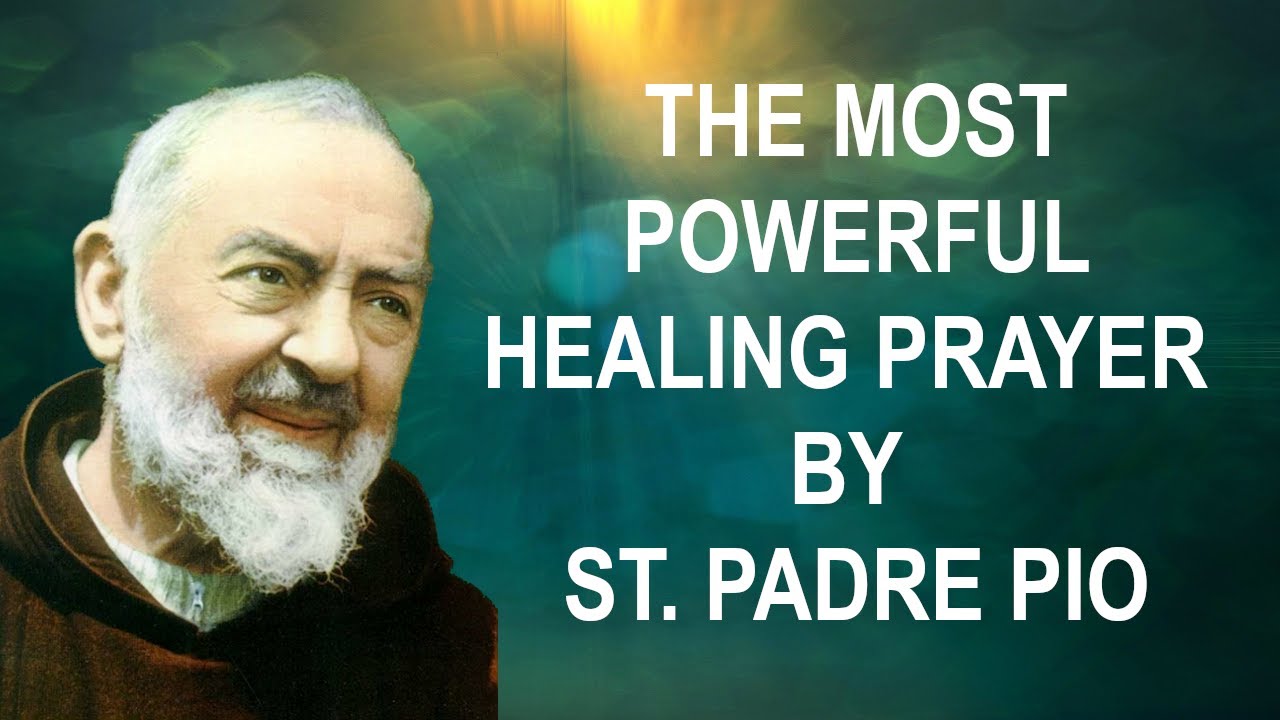
People often use a prayer for the sick heart in two overlapping situations:
- Physical challenges: such as hypertension, coronary artery disease, heart failure, post-operative recovery, or tests and procedures.
- Emotional burdens: such as bereavement, heartbreak, anxiety, or long-term stress that leaves you feeling heavy or “broken-hearted”.
Because the heart is both a vital organ and a symbol of our deepest feelings, a prayer for the sick heart meets us in body and soul. It acknowledges pain without denying it, and it lifts that pain into a wider, kinder horizon.
Why prayer for the sick heart matters
There are good reasons why so many people turn to prayer in times of illness. Spiritually, it reconnects us with trust and purpose. Practically, it calms the breath, slows racing thoughts, and helps us focus on the next wise step. In moments where fear grows louder, a prayer for the sick heart can be a steadying rhythm that reminds us we are not alone.
When spoken in community—by family, friends, or a faith group—prayer can also surround the person who is unwell with care and encouragement. Even a short, shared prayer for the sick heart can become an anchor during hospital visits, sleepless nights, or long days of recovery.
How to pray: step-by-step prayer for the sick heart
There is no single “right” way to pray. The best approach is the one you will actually use. Here is a simple structure that you can adapt to make your own prayer for the sick heart personal and sustainable:
- Arrive and breathe. Sit comfortably. Place a hand over your chest if that feels helpful. Take three slow breaths. Whisper your intention: “I bring my heart (or Name’s heart) to you.” This is already a prayer for the sick heart.
- Name what is true. Speak honestly about symptoms, fears, decisions, or feelings. You do not need to be eloquent. A sentence or two is enough: “I’m afraid of the results,” or “My heart feels tired.”
- Ask, simply and clearly. Make your request: “Bring strength to this heart,” “Guide the hands of the medical team,” “Give me peace through the night.”
- Rest in silence. Sit quietly for twenty to sixty seconds. If thoughts wander, bring them back to a gentle phrase such as, “You are with me,” or “Peace to my heart.”
- Conclude with trust. End with a brief promise or hope: “I place this day in your care,” or “Hold my heart steady,” then take another slow breath.
Many people find that a little structure helps them keep going. You might incorporate a short daily reading, use prayer beads, or pray at the same time each day. Some also draw strength from structured devotions; for example, see this Divine Mercy Chaplet prayer guide if you value rhythmic, repeated intercession.
A short prayer for the sick heart
If you want words to get started, this brief prayer for the sick heart offers a calm beginning:
“Loving God, hold my heart in your gentle care. Calm what is fearful, strengthen what is weak, and guide me to the help I need today. Bring rest to my body and peace to my mind. In your compassion, keep watch with me and all who suffer. Amen.”
A longer intercessory prayer for the sick heart
When praying for someone else, this intercessory prayer for the sick heart brings their situation into focus:
“God of comfort and healing, we entrust to you the heart of [Name]. Bless their pulse and breath; steady their rhythm; give wisdom to every clinician and carer. Ease pain, lift anxiety, and protect them in every test and procedure. Surround [Name] with hope, grant restorative rest, and keep us faithful in love and patience. May your light shine in this room, and your peace guard [Name]’s heart and mind, today and always. Amen.”
Prayer for the sick heart before surgery or tests
“Faithful God, as I face this procedure, I place my heart and my life in your hands. Fill the medical team with skill and clarity. Set a shield of peace around me. May every heartbeat be strengthened and restored. Help me to trust, to rest, and to recover. Amen.”
Prayer for caregivers supporting a sick heart
“Compassionate God, I lift to you the one I love. Give me patience, kindness, and restful sleep. Help me to listen well and to speak with gentleness. Guide us through appointments and decisions. Keep hope alive in our home, and let your peace guard our hearts. Amen.”
Scripture and sacred words that support prayer for the sick heart
Many find it helpful to weave short verses into their daily practice. You might read one quietly before or after your prayer for the sick heart. Consider these time-tested lines:
- “The Lord is close to the broken-hearted and saves those who are crushed in spirit.” (Psalm 34:18)
- “My flesh and my heart may fail, but God is the strength of my heart and my portion for ever.” (Psalm 73:26)
- “I will give you a new heart and put a new spirit in you.” (Ezekiel 36:26)
- “Come to me, all you who are weary and burdened, and I will give you rest.” (Matthew 11:28)
- “The Lord your God is with you… He will quiet you by his love.” (Zephaniah 3:17). For a short reflection, see this reflection on Zephaniah 3:17.
If you come from another tradition, choose a line of sacred poetry, a wise saying, or a mantra that speaks peace into your situation. The aim is not to “force” a result, but to create a calm, trusting space in which your prayer for the sick heart can be held.
Common mistakes and gentle corrections
- Feeling you must use perfect words. Correction: sincerity matters more than style. A simple prayer for the sick heart, spoken haltingly, is heard.
- Praying only when panic spikes. Correction: brief daily prayer builds resilience. Two minutes morning and evening can make a difference.
- Carrying it all alone. Correction: ask trusted friends, family, or a faith leader to pray with you or for you.
- Confusing prayer with self-blame. Correction: prayer is not punishment, nor proof of failure. It is a path of compassion and hope.
- Forgetting practical support. Correction: combine prayer with medical advice, healthy routines, and social support; they work together.
Blending prayer for the sick heart with practical care
Prayer and prudent action belong together. Alongside a regular prayer for the sick heart, keep appointments, take prescribed medicines, and seek advice from qualified clinicians. Notice the small, practical choices—steady sleep, gentle walks as advised, nutritious meals, listening to your body—that make room for recovery. When fear or fatigue increases, a short prayer can become the bridge that carries you back to those wise habits.
It is also wise to prepare for key moments. Before a medical consultation, pray briefly, write your questions, and bring a friend if helpful. Afterward, sit quietly and pray again, asking for clarity on next steps. If you are caring for someone else, build in little breathers and lean on your community. Prayer softens the edges of a hard day, but practical support sustains the long journey.
Emergency advice bears repeating: if you or someone near you has crushing chest pain, sudden shortness of breath, fainting, or other urgent symptoms, call 999 without delay. Let your prayer for the sick heart continue while you act swiftly to get the right care.
Keeping prayer going over time
Healing—physical or emotional—often unfolds slowly. It helps to create a gentle routine for your prayer for the sick heart. Choose a time and place you can keep most days: a chair by a window, five quiet minutes after breakfast, or a bedside prayer at night. Keep your words brief; let the habit do the heavy lifting. Over weeks and months, the steady rhythm of prayer can help settle anxiety, support wise choices, and keep hope alive.
Some people find it helpful to keep a small journal of prayers and answers: dates of tests, notes of gratitude, lines that comforted you, names of those who helped. When discouragement sets in, looking back can remind you how far you have already come.
Recommended external resources
- Church of England: Prayers for the sick and those who care for them – a selection of short prayers you can adapt.
- NHS: Coronary heart disease – symptoms, diagnosis, and treatment – trusted medical guidance for heart conditions.
- British Heart Foundation: Heart conditions A–Z – clear information on conditions, treatments, and recovery.
Frequently asked questions about prayer for the sick heart
Do I need to believe strongly for a prayer to “work”?
No. You can begin from wherever you are—curious, doubtful, or quietly hopeful. What matters is sincerity. Even a simple, hesitant prayer for the sick heart can steady your thoughts and open space for comfort and courage.
How often should I pray when dealing with a heart condition?
Choose a rhythm you can keep: brief morning and evening prayers, plus a short moment before appointments or tests. Consistent, modest practice tends to be more helpful than occasional long sessions. Let your prayer for the sick heart be regular and gentle.
What can I say if I have no words?
Use a short phrase and repeat it slowly with your breath: “Peace to my heart,” “God, be near,” or “Hold me steady.” You can also borrow the short prayers provided above, and gradually personalise them. Silence itself can be a meaningful prayer for the sick heart.
Can prayer support emotional heartbreak as well as physical illness?
Yes. Many people use prayer to navigate grief, betrayal, loneliness, or prolonged stress. In such cases, prayer for the sick heart focuses more on comfort, forgiveness, resilience, and wise next steps, while still encouraging any professional support you may need.
Is it appropriate to pray for someone who follows a different faith—or none?
With sensitivity, yes. Keep your prayer simple and respectful, perhaps saying, “I am holding you in prayer” and asking if they are comfortable with that. Your intention is to offer care, not to pressure. A gentle, inclusive prayer for the sick heart can be a profound kindness.
