Prayer for the sick for fast recovery: 7 essential, effective prayers
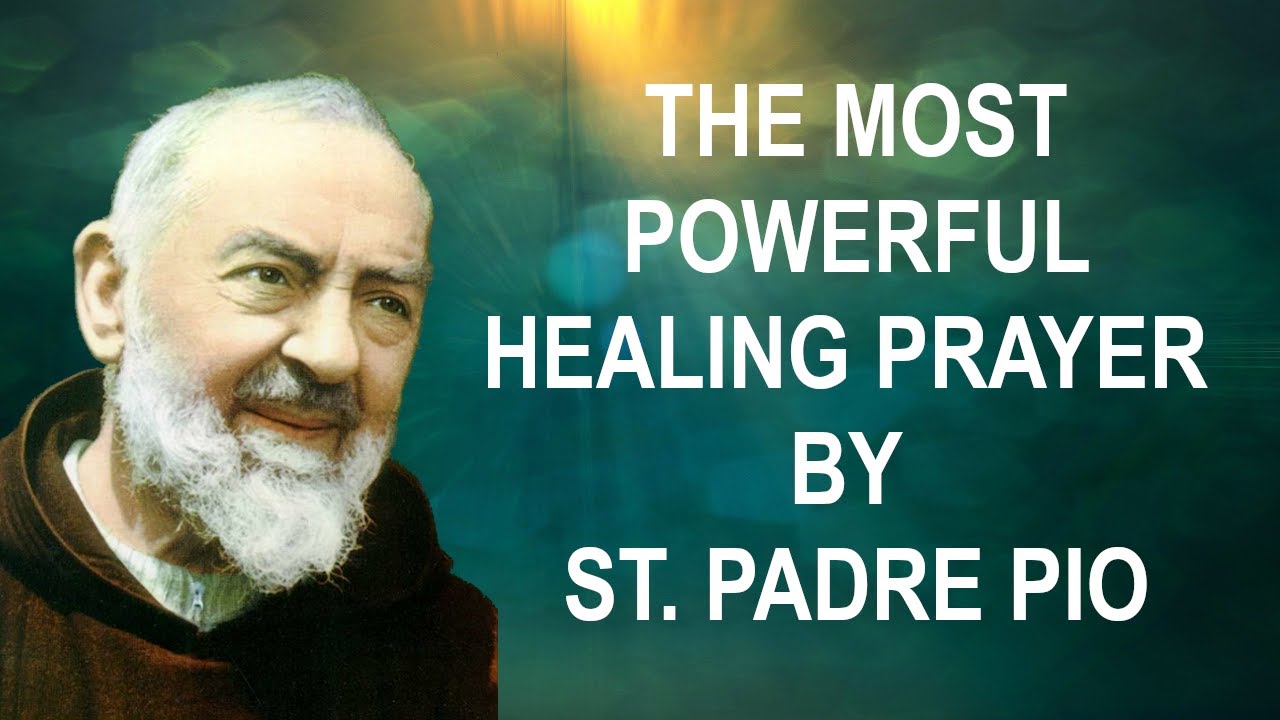
Prayer for the sick for fast recovery
When illness strikes, we often search for words and actions that can bring comfort and hope. A thoughtful prayer for the sick for fast recovery is one of the simplest, most compassionate ways to show care, whether you are the person who is unwell, a family member, a friend, or a member of a faith community. Far from being a magical formula, it is a heartfelt conversation with God that asks for healing, strength and peace on the path to restored health.
Across Christian traditions, praying for healing sits alongside good medical care and practical support. The intention is not to replace doctors or treatments, but to accompany them with spiritual encouragement and love. Done gently and respectfully, a prayer for the sick for fast recovery affirms dignity, nurtures hope and reminds us we are not alone.
In this guide, you will find clear explanations, a step-by-step approach, sample prayers you can adapt, Bible-inspired ideas and pastoral tips. Whether you are new to praying or very experienced, you can offer a prayer for the sick for fast recovery with confidence and compassion.
What is prayer for the sick for fast recovery?
At its core, prayer for the sick for fast recovery is intercession: speaking to God on behalf of someone who is ill and asking for a swift and wholesome return to health. Christians believe God cares deeply for the suffering and that prayer opens us to God’s presence, peace and power at every stage of illness and recovery.


In practice, this may mean praying privately at home, sharing quiet words by a hospital bed, or inviting a church community to support someone by name. Sometimes it includes sacraments such as the Anointing of the Sick in Catholic and other sacramental traditions, or being held in the prayers of a congregation in Anglican, Orthodox, Free Church and Independent churches. Whatever the setting, the aim is the same: to place the person in God’s care and to ask for a gracious and prompt healing.
How prayer for the sick for fast recovery supports body, mind and spirit
Christians pray in the confidence that God is compassionate and near to the broken-hearted. Offering prayer for the sick for fast recovery can help the person feel seen, valued and accompanied. It also encourages the sick person and their loved ones to entrust worries and fears to God, which may reduce anxiety and foster a sense of peace in a difficult time.
Alongside spiritual benefits, prayer can encourage healthier routines: patience with treatment, perseverance with rehabilitation, and openness to support. Even small moments of calm can help with sleep, appetite and engagement in therapy. Put simply, prayer aligns our hearts with hope, and hope energises recovery.
How to pray for the sick for fast recovery: a simple guide
You do not need special words or a perfect formula to offer a sincere prayer for the sick for fast recovery. What matters is love, respect and trust in God’s goodness. The following steps can help:
- Prepare your heart. Take a quiet breath. Ask God to guide your words. A brief silence sets a gentle tone for a prayer for the sick for fast recovery.
- Ask permission. If you are with the person, check they are comfortable with prayer. Respect their wishes fully; sensitivity is also an act of love.
- Use the person’s name. Personalising your prayer helps it feel warm and genuine.
- Be clear and kind. Thank God for the person’s life, ask for relief from pain, restoration of health and a speedy recovery, and pray for their medical team.
- Include peace and courage. Pray for calm in fear, restful sleep, patience in treatment, and hope that does not fade.
- Keep it brief if needed. Fatigue is common. A short prayer for the sick for fast recovery can be perfect by a bedside or on the phone.
- Offer ongoing support. You might agree to continue praying each day or invite others to join respectfully.
- End with trust. Close by placing the person in God’s hands, perhaps using the Lord’s Prayer if appropriate to them.
Sample prayers you can use
Short prayer for the sick for fast recovery
Lord Jesus, look with kindness on [Name]. Bring swift healing to body, mind and spirit. Bless the treatment they receive, give them restful sleep and renewed strength, and grant a prayer for the sick for fast recovery according to your loving will. Amen.
A bedside prayer for pain relief and peaceful rest
Merciful God, you are close to the broken-hearted. Ease [Name]’s pain, calm their breathing and settle their thoughts. Give wisdom to doctors and nurses, and surround this room with your peace. May each hour bring them closer to health and a speedy recovery. Amen.
Prayer when you are the patient
Lord, I am tired and anxious. I place myself in your hands. Help me cooperate with my care, take medicine wisely and rest well. Strengthen me for each step and bring me to a swift and steady recovery. I trust you, now and always. Amen.
Prayer for carers and medical teams
God of all wisdom, bless those who care for [Name]. Guide their decisions, steady their hands and encourage their hearts. Through their skill and compassion, bring wholeness and hope. Amen.
Prayer for resilience in long recovery
Faithful Lord, when healing feels slow, give [Name] patience and courage. Let progress be visible, setbacks be bearable, and hope be strong. Renew their strength like the eagle’s until recovery is complete. Amen.
Scriptures and traditions that inspire prayer for the sick for fast recovery
Many believers take comfort in scriptures that remind us of God’s nearness and care. Verses from the Psalms, the Gospels and the New Testament letters offer words for the weary and hope for the ill. Passages about Jesus’ compassion for the sick are especially encouraging when offering prayer for the sick for fast recovery. In sacramental traditions, the Anointing of the Sick and prayers over the ill person are powerful signs of Christ’s healing presence in the Church.
As you pray, you might use a line of scripture as a refrain. For example: “The Lord is near to the broken-hearted” (Psalm 34) or “Come to me, all who are weary and burdened, and I will give you rest” (Matthew 11:28). Quiet repetition can steady the mind and settle the heart.
Practical etiquette and pastoral care
Prayer should always be a gift, never a burden. Before you begin, ask whether the person would like prayer and what they would like you to pray for. Honour their boundaries, culture and tradition. If the person is not Christian, you might still offer a gentle, inclusive blessing, or simply say you are holding them in your thoughts and prayers. Authentic kindness matters more than perfect words.
If you are visiting hospital, keep prayers short, sensitive and softly spoken. Sometimes the most helpful support is silence, presence and a simple prayer for the sick for fast recovery that reassures the person they are not alone.
Common mistakes to avoid in prayer for the sick for fast recovery
Even well-meant words can miss the mark. Keep these pitfalls in mind:
- Overpromising. Avoid suggesting you know what God will do and when. Pray with faith and humility, trusting God’s wisdom and timing.
- Lengthy monologues. The ill often tire quickly. Keep a bedside prayer brief. A short prayer for the sick for fast recovery can be more loving than a long one.
- Ignoring medical care. Prayer works alongside healthcare. Encourage the person to follow medical advice and treatment plans.
- Making it about you. Focus on the person who is ill. This is their moment; let your words serve their needs.
- Using complicated language. Simple, clear words are best—especially when someone is in pain.
Integrating faith with good care
Prayer and practical support belong together. In addition to a caring prayer for the sick for fast recovery, you might offer a hot meal, a lift to an appointment or help with household tasks. These acts of mercy often become the answer to the prayer you have just prayed.
Encourage gentle routines that aid recovery—hydration, rest, movement as advised, fresh air where possible. If someone is anxious, suggest a short breathing prayer: on the in-breath, “Lord Jesus,” on the out-breath, “bring your peace.” Small rhythms like this calm the body and make space for hope.
When recovery is slow or uncertain
Not every recovery is quick. Some illnesses require weeks or months of treatment and rehabilitation. In these seasons, prayer shifts from urgency to endurance. You might pray regularly for resilience, meaningful moments each day and the grace to notice small improvements. A prayer for the sick for fast recovery can still be sincere while acknowledging the reality of a longer journey.
If the person faces chronic illness, prayers for relief from pain, wise symptom management, good relationships and joy in daily life are profoundly valuable. God’s care is not limited to outcomes; it fills each day with presence, comfort and courage.
How to involve your church or small group
Community prayer can be a deep comfort. With the person’s consent, share updates with a prayer chain or small group. You could organise a rota for practical support and set aside a moment in each gathering to pray by name. When you ask for a prayer for the sick for fast recovery in church, keep details appropriate and respect privacy.
Helping children pray for a sick loved one
Children benefit from honest, gentle language. Explain briefly that someone is ill, that doctors are helping and that God loves the person very much. Invite a child to say, “Dear God, please help [Name] feel better soon. Thank you for loving them. Amen.” Short and hopeful is best. A simple prayer for the sick for fast recovery reassures children and helps them process feelings with faith.
Blending set prayers and your own words
Some find structure helpful; others prefer spontaneous words. You can combine both: start with a familiar prayer (like the Lord’s Prayer) and then add a simple, personal request. If you want a framework, try this pattern:
- Praise: a sentence recognising God’s love and faithfulness.
- Thanksgiving: one or two reasons you are grateful for the person.
- Petition: a clear request for healing, strength and quick recovery.
- Intercession: prayer for family, carers and clinicians.
- Trust: committing the situation into God’s hands.
This pattern keeps your prayer for the sick for fast recovery focused, warm and sincere.
Recommended external resources
- Overview of the Anointing of the Sick in the Catholic tradition
- What research and tradition say about intercessory prayer
- NHS Live Well: practical guidance for recovery and wellbeing
- Church of England: prayer and worship resources
Related articles
Frequently asked questions about prayer for the sick for fast recovery
Is a short or long prayer better?
It depends on the person and the setting. In hospital or when someone is tired, keep it brief. A short, heartfelt prayer can be more loving than a lengthy one. In a home or church setting, you might pray a little longer, but always be attentive to the person’s energy and comfort.
What if I don’t know what to say?
Keep it simple. Use the person’s name, ask God for healing and peace, and entrust them to God’s care. You can adapt the sample prayers above or use a line of scripture as your foundation. God hears sincere words, however plain.
Does prayer replace medical treatment?
No. Prayer and medicine are partners, not rivals. Christians pray while also following sound medical advice. A wise prayer for the sick for fast recovery will include asking God to bless doctors, nurses and therapists, as well as the medicines and therapies they use.
Can I pray for someone who is not religious?
Yes—if they are comfortable with it. Ask permission and keep the language respectful and gentle. You might offer to “keep them in your prayers” or to “say a quiet prayer for peace and recovery.” Respect is key.
How often should I pray for someone who is ill?
There is no fixed rule. Many people find a short daily prayer helpful, perhaps morning or evening. In seasons of greater need, you might pray more frequently, but avoid overwhelming the person with constant messages. Quiet, steady faithfulness is best.
Conclusion on prayer for the sick for fast recovery
In times of illness, words can be hard to find. A thoughtful, compassionate prayer for the sick for fast recovery offers more than words; it offers presence, hope and the sense that God is near. Whether spoken at a bedside, shared over the phone, or lifted in the silence of your heart, such prayer reminds us that no one suffers alone.
As you pray, keep it simple and sincere. Combine faith with good care, encourage practical support and respect the person’s wishes at every step. Draw upon scripture, set prayers and your own words as you feel led.
Above all, trust God’s kindness. A prayer for the sick for fast recovery is never wasted; it steadies hearts, strengthens courage and invites the peace of Christ into challenging moments. May your prayers be a channel of comfort, and may those who are unwell find swift, steady healing and the deep solace of being loved.
