Coconut custard pie recipe: easy, complete guide in 7 steps
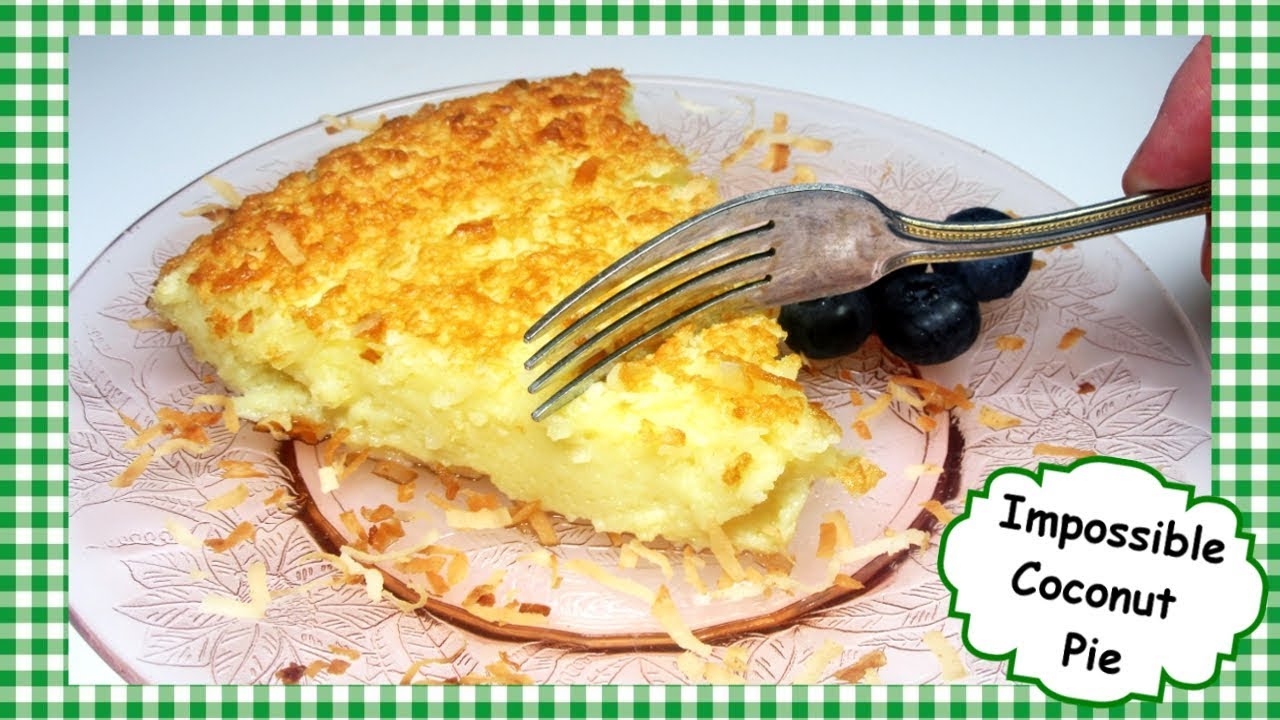
coconut custard pie recipe
If you’re searching for a coconut custard pie recipe that delivers a silky, gently set custard, a crisp pastry base and the nostalgic flavour of toasted coconut, you’re in the right place. This guide explains the essentials in clear, approachable steps so you can bake a coconut pie with confidence, whether you’re new to custard tarts or simply refining your technique.
At its heart, a coconut custard pie is a baked egg custard enriched with milk or cream and folded with coconut, set inside a single-crust pastry shell. In the UK, you might think of it as a coconut twist on a classic custard tart: softly wobbly at the centre, delicately speckled with nutmeg, and beautifully sliceable once cool. This coconut custard pie recipe prioritises smooth texture, clean flavours and dependable results you can repeat for years to come.
Why this coconut custard pie recipe works
This coconut custard pie recipe balances richness and lightness to avoid a stodgy bake. A blend of whole milk, coconut milk and a touch of double cream produces a custard that is creamy but not heavy, while lightly toasting the coconut beforehand amplifies aroma and keeps the crumb from tasting raw. The pastry is blind-baked first to keep the base crisp—vital with custard fillings—and the lower final oven temperature helps the custard set gently without curdling.
- Balanced dairy and coconut for a clean coconut flavour that’s not overly sweet.
- Blind-baked shell to prevent soggy bottoms and ensure a crisp bite.
- Measured sweetness: just enough to support the coconut and vanilla without cloying.
- Low-and-slow bake for a silky, evenly set custard with a slight wobble in the centre.
What makes a coconut custard pie different?
It’s worth distinguishing coconut custard pie from coconut cream pie. Coconut custard pie is baked as a single piece: the custard sets in the oven, and it’s ready once cooled and chilled. Coconut cream pie typically uses a pre-baked crust filled with a cooked, thickened coconut cream mixture that sets in the fridge, often topped with whipped cream. The former is egg-set; the latter is starch-set. This coconut custard pie recipe follows the baked, egg-set approach—closer to a British custard tart, but with coconut folded in for texture and depth.


Ingredients for the coconut custard pie recipe
Here is a straightforward list with UK-friendly measurements and easy substitutions. The quantities suit a 23 cm tart tin (about 9 inches) with a loose base.
For the pastry
- 1 x 320 g sheet of ready-rolled sweet shortcrust pastry (or homemade sweet shortcrust, chilled)
- 1 medium egg white (for sealing the crust), optional
For the custard filling
- 100 g desiccated coconut, lightly toasted
- 4 large eggs + 2 large egg yolks (room temperature)
- 130–150 g caster sugar (adjust to taste; 130 g for less sweet, 150 g for sweeter)
- 300 ml whole milk
- 200 ml full-fat coconut milk (shake the can well)
- 150 ml double cream
- 1 tsp vanilla extract (or the seeds of 1/2 vanilla pod)
- 1/4 tsp fine salt
- Freshly grated nutmeg for dusting (optional)
- 1 tbsp cornflour (cornstarch), optional but helpful for extra stability
Why these choices work: the combination of whole milk and double cream keeps the custard silky, while coconut milk provides signature flavour without making the filling heavy or oily. Desiccated coconut is easy to find in British shops; toasting it lightly prevents rawness and introduces a lovely nuttiness that defines this coconut custard pie recipe.
Equipment you’ll need
- 23 cm tart tin with a loose base
- Baking parchment and baking beans (or rice) for blind baking
- Medium saucepan and mixing bowl
- Balloon whisk
- Fine grater for nutmeg (optional)
- Wire rack for cooling
Step-by-step coconut custard pie recipe
1) Prepare the pastry
- Heat the oven to 190°C (170°C fan) / Gas 5. Line the tart tin with pastry, pressing into the edges. Trim excess, prick the base lightly with a fork and chill for 20–30 minutes to prevent shrinkage.
- Lay parchment over the pastry and fill with baking beans. Blind-bake for 15 minutes. Remove the beans and parchment, then bake a further 5–8 minutes until the base looks dry and sandy.
- Optional but recommended: brush the warm crust with a little beaten egg white and return to the oven for 2 minutes. This helps seal the crust so the custard doesn’t seep in.
- Lower the oven to 160°C (140°C fan) / Gas 3 for the custard bake.
2) Toast the coconut
- Spread the desiccated coconut on a tray and toast in the oven for 4–6 minutes at 160°C, stirring once, until pale golden and fragrant. Watch closely—it can darken quickly. Set aside to cool slightly.
3) Mix the custard
- Warm the milk, coconut milk and double cream together in a saucepan over low heat until just steaming. Do not boil.
- In a bowl, whisk the eggs, egg yolks, sugar, salt and cornflour (if using) just until combined. Avoid whipping in too much air.
- Gradually pour the warm dairy into the egg mixture, whisking gently. Stir in the vanilla and most of the toasted coconut, reserving a couple of tablespoons for garnish.
4) Fill and bake
- Place the tart tin on a baking tray for easy handling. Pour in the custard mixture. If you like, grate a little nutmeg over the top.
- Bake at 160°C (140°C fan) / Gas 3 for 35–45 minutes, until the edges are set and the centre still has a gentle wobble (like set jelly). If you have a thermometer, the centre should be around 74–77°C.
- If the crust browns too fast, tent the edges with foil.
5) Cool and finish
- Remove to a wire rack. The custard will continue to firm as it cools. Leave to cool to room temperature for at least 2 hours, then chill for cleaner slices.
- Before serving, sprinkle over the reserved toasted coconut for texture.
Take your time with this coconut custard pie recipe: the gentle bake and proper cooling are what create that smooth, sliceable texture.
Baker’s notes: timings, temperatures and texture
- Don’t boil the dairy: overheated milk can curdle the eggs. Warm until steaming, then combine.
- Keep the oven moderate: a steady 160°C prevents the custard from puffing and cracking.
- Wobble test: the centre should tremble when you nudge the tin, but not slosh. It will firm up as it cools.
- For a firmer set: include the 1 tbsp cornflour or add one extra yolk. For a softer set, omit the cornflour.
- Gas Mark reference: 160°C corresponds to about Gas 3.
Flavour variations and swaps
Once you’ve mastered the base coconut custard pie recipe, experiment with subtle twists. Keep the custard ratios similar so the texture stays reliable.
- Zesty coconut-lime: add the finely grated zest of 1 lime and 1 tbsp lime juice.
- Coconut and rum: add 1–2 tbsp dark rum to the custard with the vanilla.
- Coconut-almond: replace vanilla with 1/2 tsp almond extract (it’s strong; use sparingly).
- Chocolate ripple: swirl 3–4 tbsp melted dark chocolate into the custard just before baking.
- Brown sugar note: replace half the caster sugar with light soft brown sugar for a caramel hint.
Ingredient substitutions that work well: use sweetened flaked coconut (reduce sugar by 20–30 g); swap ready-rolled pastry for homemade sweet shortcrust; or try a gluten-free shortcrust base to make the pie coeliac-friendly. If you go dairy-free, use full-fat coconut milk and a barista-style plant cream; note the flavour and set will differ slightly from the classic coconut custard pie recipe.
Common mistakes and how to avoid them
Overheating the custard
Baking too hot or too long can scramble eggs, causing a grainy texture and weeping. Keep the oven at 160°C and pull the pie once the centre wobbles. This single practice saves more custards than any other.
Skipping the blind bake
Creamy fillings release steam, and an unbaked base turns soggy. Blind-baking gives the pastry a head start so it stays crisp. It’s essential in any coconut custard pie recipe worth keeping.
Over-whisking the eggs
Whisk gently to combine rather than foam. Excess air makes the custard rise and collapse, leading to cracks.
Under-seasoning
A pinch of salt sounds small, but it sharpens flavours and prevents the custard from tasting flat, especially with coconut’s natural sweetness.
Serving, storing and make-ahead
For neat slices, chill the pie for at least 2–3 hours once it reaches room temperature, then cut with a sharp, thin knife wiped clean between slices. Serve lightly chilled or at cool room temperature. A spoonful of softly whipped cream or a few fresh berries complements the sweetness of this coconut custard pie recipe.
- Storage: refrigerate, covered, for up to 3 days. Custard pies are not ideal for freezing, as the texture can turn grainy after thawing.
- Make-ahead: blind-bake the shell a day in advance and keep in an airtight tin. Mix and bake the custard on the day you plan to serve.
- Transport: chill thoroughly before travelling; the set custard travels well in a cool bag.
Nutritional and allergen pointers
This dessert contains eggs and dairy. To reduce lactose, you can replace the milk with lactose-free whole milk while keeping the double cream minimal or switching to a lactose-free cream. For dairy-free versions, use full-fat coconut milk and a suitable plant cream, and choose a dairy-free pastry. For gluten-free, select a certified gluten-free pastry or press in a biscuit-alternative crust designed for baking. Always check labels, especially on desiccated or flaked coconut, which can vary in sweetness and additives.
How this recipe fits the British baking tradition
Although coconut custard pie is well known in North America, it sits comfortably alongside British baked custard tarts, bread-and-butter puddings and other gently set, egg-based puddings. The touch of nutmeg, a crisp shortcrust shell and the softly wobbly centre echo the classics many of us grew up with, while coconut adds an inviting aroma and texture that makes the pie feel celebratory without being heavy.
If you enjoy vintage cookery books, you may sometimes meet Roman numerals in old oven settings or chapter headings; for a refresher, see this clear primer on XVI in Roman numerals. And if you keep a cooking journal or blog and want livelier wording when you describe the many variations you’ve tried, this quick guide to synonyms for “numerous” can help diversify your language.
