Prayer for the sick and lost: 7 simple, essential prayers
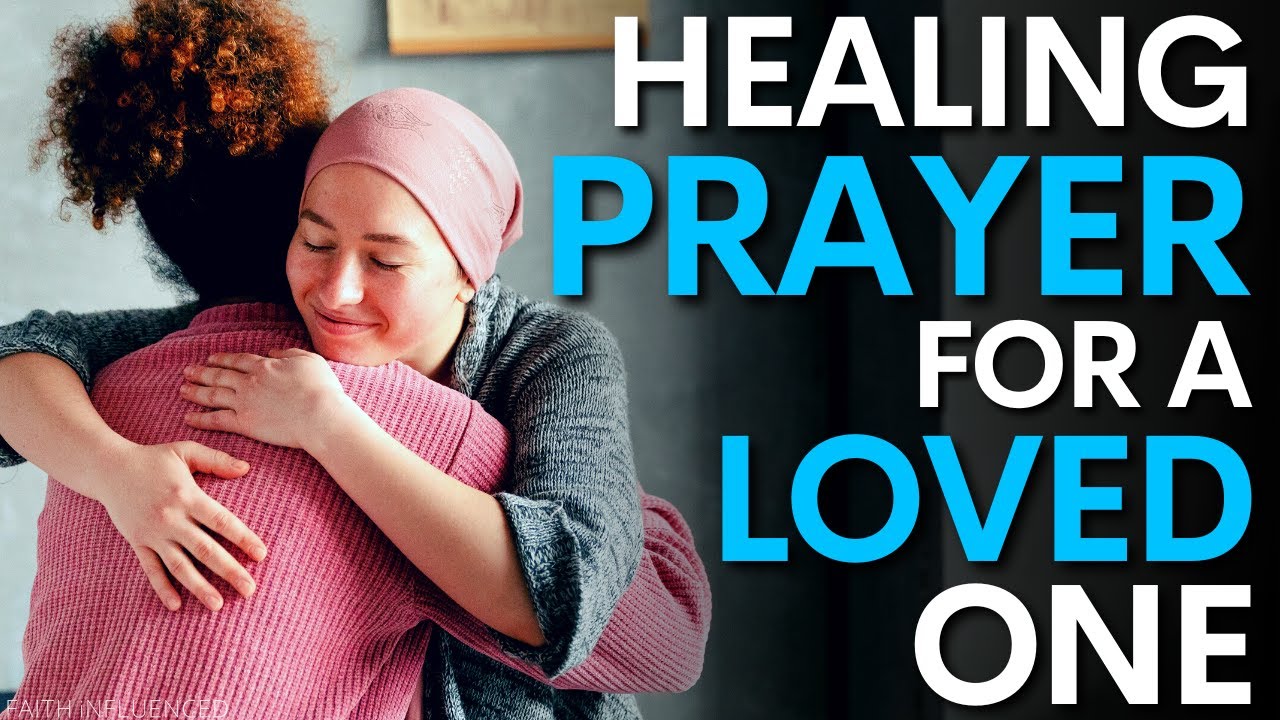
Understanding prayer for the sick and lost: meaning, practice, and hope
When life hurts and answers seem distant, many people turn to prayer for the sick and lost. This simple yet profound practice brings together compassion, faith, and community to hold those who are suffering in body, mind, or spirit — and those who feel far from hope, belonging, or God. Whether you pray regularly or are exploring faith for the first time, you can learn to offer supportive words and meaningful presence for people in need.
In this guide, we unpack what prayer for the sick and lost is, why it matters, and how to make your words of intercession honest, helpful, and humane. You will also find step-by-step guidance to craft your own prayers, short examples you can use or adapt, and thoughtful answers to common questions. Along the way, we’ll signpost reputable resources to help you accompany others with wisdom and care.
What is prayer for the sick and lost?
At its heart, prayer for the sick and lost is a compassionate conversation with God that brings people’s pain, confusion, and needs into the light of divine love. “Sick” can mean physical illness, chronic conditions, terminal diagnoses, mental health challenges, burnout, or trauma. “Lost” can describe feelings of spiritual distance, grief, addiction, loneliness, moral confusion, or a deep sense of not knowing the way forward.
Within Christian tradition, this prayer is intercessory: we lift others to God, asking for mercy, healing, guidance, and peace. It is never magic, manipulation, or a guarantee that life will go as we wish. Instead, it is a channel for hope, consolation, clarity, and often the courage to take wise practical steps. Prayer for the sick and lost can be said privately, with a friend, in family circles, or within a congregation.
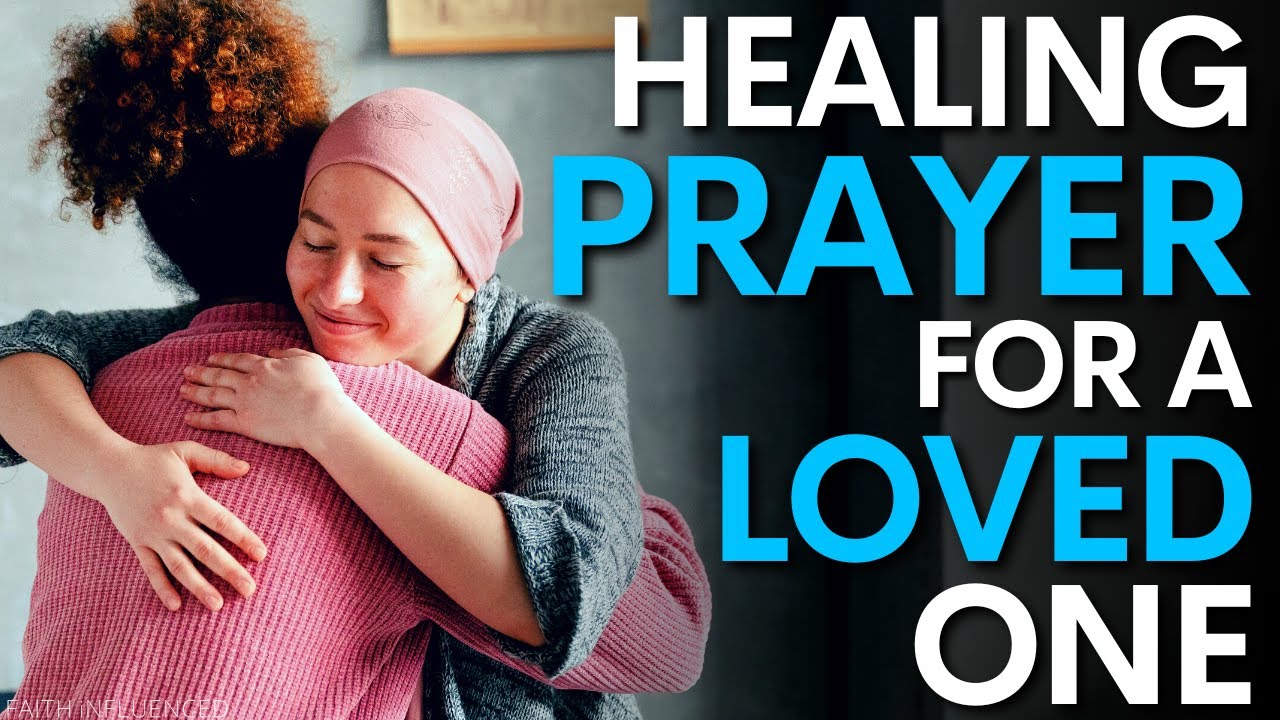

The spiritual and pastoral context
Christians believe God is present and active in healing and restoration. In the Gospels, Jesus tends to the ill and seeks out those on the margins, demonstrating compassion and truth. In that spirit, prayer for the sick and lost seeks both healing and homecoming — not only a change in symptoms but also a renewal of dignity, purpose, and connection.
Why prayer for the sick and lost matters today
We live in a time of medical advances and digital connection, yet many people still feel isolated and overwhelmed. Prayer for the sick and lost offers:
- Companionship for those who feel abandoned or anxious.
- Stillness and space for people (and carers) to breathe, grieve, and reflect.
- A language for hope that does not deny the reality of pain.
- Gentle encouragement to seek appropriate help, including clinical care and community support.
In practical terms, prayer often sits alongside good care. In hospitals across the UK, chaplaincy services support patients, families, and staff regardless of faith background. To learn more about professional support available in healthcare settings, see the NHS overview of hospital chaplaincy and spiritual care at NHS chaplaincy and spiritual care.
Core elements of an effective prayer for the sick and lost
1) Compassion and presence
Before words, offer presence. Listen. Let silence speak. Compassionate attention is already a form of prayer. When you do speak, keep it simple and sincere. Prayer for the sick and lost is most powerful when it is grounded in empathy and free from clichés.
2) Scripture and tradition
Many find strength in Scripture and timeless prayers. Short verses can anchor our hearts when emotions run high. For instance, the promise of God’s loving presence in Zephaniah can be a comfort; you may appreciate this brief reflection on Zephaniah 3:17 and its message of divine joy over us. Liturgical prayers, psalms, and classic devotions can also shape how we intercede with reverence and trust.
3) Intercession and community
Prayer for the sick and lost reminds us we are not alone. Naming a person before God connects them to a wider network of care. Consider sharing requests within a trusted circle or church, observing confidentiality. Collective intercession can ease the weight and widen the hope.
4) Language that heals, not harms
Choose words that affirm the person’s dignity. Avoid implying illness is a punishment, or that a lack of healing betrays weak faith. A good prayer for the sick and lost asks for relief, guidance, and peace, while acknowledging medical realities and prescribing no guilt.
5) Openness to God and action
Pray with humility. Ask for healing, but also for wisdom for clinicians, strength for carers, and patience for everyone involved. Sometimes the answer to prayer includes practical steps — a phone call, counselling, rest, medication, or reconciliation. Prayer and action go hand in hand.
Step-by-step: how to craft your own prayer for the sick and lost
- Begin with stillness. Breathe, become present to God, and hold the person gently in mind.
- Name the reality. In simple words, describe what is happening: symptoms, fears, confusion, or grief.
- Ask clearly. Make specific petitions: relief from pain, successful treatment, calm during tests, courage to ask for help, guidance for life decisions.
- Invoke comfort. Pray for peace that steadies anxious hearts and restores rest.
- Include others. Remember medical teams, family members, and friends who are supporting the person.
- Trust and release. Conclude with trust: “Your will be done,” or “Hold us in your love.”
- Keep it brief. Especially at bedsides, short, truthful prayers are often the most helpful.
If you appreciate structured devotions, consider the Divine Mercy Chaplet prayer. Many people find its rhythm and focus on mercy grounding when offering prayer for the sick and lost, particularly in times of uncertainty or at the end of the day.
Short examples of prayer for the sick and lost
These examples are templates you can adapt. Replace names and details as appropriate. The goal is not perfect wording but a compassionate heart.
A prayer for someone in hospital
God of tenderness, hold [Name] who is unwell. Steady their mind, ease their pain, and bless the hands that care for them. Guide the doctors and nurses; grant wisdom for decisions and rest for each night. In your kindness, bring healing and hope. Amen.
A prayer for anxiety and sleeplessness
Lord of peace, calm the racing thoughts and soften the tightness in [Name]’s chest. In the long hours of the night, be their rest. Let them feel safe and supported, and show us how to help. Amen.
A prayer for someone who feels lost
Shepherd of our souls, [Name] feels far from the path. Meet them in their confusion. Light the next step, surround them with kind companions, and renew their sense of purpose. Draw them home to your love. Amen.
A prayer for family and carers
Merciful God, strengthen those who watch and wait with [Name]. Refresh them in body and spirit. Give patience, gentleness, and moments of joy amid the strain. Remind them that their care matters deeply. Amen.
A communal prayer for the sick and lost
Faithful Lord, we place before you those who are ill in body, mind, or spirit, and all who feel lost or alone. Be their healer and guide. Give skill to clinicians, kindness to friends, and courage to each heart. May your mercy carry us all. Amen.
Common mistakes to avoid in prayer for the sick and lost
- Overpromising outcomes. Prayer is not a guarantee of a specific result. Ask boldly, trust humbly.
- Using guilt or blame. Avoid language that suggests illness is a moral failure or that unanswered prayers are someone’s fault.
- Speaking for too long. Keep prayers simple and proportionate to the person’s energy.
- Ignoring consent. Ask if the person wants prayer, and respect “no” without pressure.
- Neglecting action. Pair prayer with practical support: a meal, a lift to an appointment, or help with forms.
Scripture, sacraments, and prayer for the sick and lost
Within many traditions, prayer for the sick and lost is held alongside Scripture and sacraments. Reading a psalm, receiving Holy Communion, or being anointed can bring real comfort. To understand how the Church frames the Anointing of the Sick, you might explore the Catechism’s teaching at the Vatican website: Catechism of the Catholic Church: Anointing of the Sick. Even if your tradition differs, the underlying emphasis on mercy, presence, and hope is widely shared.
For more examples of pastoral prayers and seasonal resources, the Church of England provides many texts you can read aloud or adapt, including intercessions for health and carers. See prayers for the sick and for carers for language that is accessible and compassionate.
Supporting action alongside prayer
Prayer works best when it is paired with wise action. Encourage medical consultation, counselling, or community support where needed. If someone expresses suicidal thoughts or acute distress, seek urgent help. In the UK, you can contact the Samaritans for free, 24/7 emotional support at Samaritans. If there is immediate danger, call 999. For ongoing spiritual care in clinical settings, chaplains are available to people of any faith or none; learn more at the NHS page on hospital chaplaincy and spiritual care.
Recommended external resources
- Church of England: prayers for the sick and for carers — ready-to-use prayers for different situations.
- NHS chaplaincy and spiritual care — how to access faith and spiritual support in hospital.
- Catechism of the Catholic Church: Anointing of the Sick — official teaching on the sacrament of healing.
- Samaritans — confidential, 24/7 listening and support across the UK and ROI.
Related articles
Frequently asked questions about prayer for the sick and lost
Is prayer for the sick and lost only for religious people?
No. While prayer is rooted in faith, many who are unsure about belief still find comfort in simple prayers or quiet reflection. If you are praying with someone who is not religious, ask what language feels respectful. You can keep your words gentle and inclusive, focusing on care, hope, and peace.
What if my prayer is not answered the way I hoped?
Unanswered prayers can be painful. In Christian understanding, prayer is not a mechanism to control outcomes; it is a relationship. Continue to ask with trust, and also look for the quieter answers: courage, patience, a helpful conversation, a skilled clinician, or a sense of being held. Prayer for the sick and lost includes asking for strength to live well, whatever unfolds.
How long should a bedside prayer be?
Short is often best. A few sincere sentences can mean more than a long speech, especially when someone is tired or in pain. You can always offer to continue praying silently. If the person wants a longer time of prayer, follow their lead and energy.
Can I pray from a distance if I cannot visit?
Yes. Distance does not limit compassion. You can text a short prayer, leave a voice note, or write a card. You might also set a time each day to pause and hold the person before God. Sharing that intention can reassure them they are not forgotten.
What words should I avoid when offering prayer for the sick and lost?
Avoid suggesting that illness reflects a lack of faith or that recovery is guaranteed if one prays “correctly”. Don’t offer spiritual clichés that minimise pain. Steer clear of medical advice unless you are qualified. Keep your words humble, kind, and real.
How can I include Scripture without overwhelming someone?
Choose one short verse and read it slowly. For instance, “The Lord is close to the broken-hearted” (Psalm 34:18) or “The Lord your God is with you” (Zephaniah 3:17). You can then pray a single, quiet request. Simple is compassionate.
Is it appropriate to include forgiveness or reconciliation in these prayers?
Sometimes. If someone is troubled by conflict or regrets, you might gently include a line asking for healing of relationships and openness to forgiveness. Be sensitive, and avoid naming private details unless the person has invited you to do so.
Conclusion on prayer for the sick and lost
In every season of life, prayer for the sick and lost offers a path of compassion, honesty, and hope. It does not deny pain or promise easy fixes; rather, it brings our needs into the presence of a God who listens, loves, and guides. With simple words and a patient heart, you can support those who are ill or adrift, and help them feel seen, heard, and held.
As you practise prayer for the sick and lost, keep it human: listen first, speak simply, and pair prayer with practical care. Draw on Scripture, trusted devotions, and the strength of community. Let your intercession be a place where courage grows, peace deepens, and wise action follows.
Whether you are praying at a bedside, over the phone, or in the quiet of your room, remember that prayer for the sick and lost is an act of love. In that love — patient, steadfast, and merciful — many have found the resilience to face each day and the grace to take the next step.
