Prayer to Mary: Essential Guide with 7 Simple, Effective Steps

Prayer to Mary
Prayer to Mary is a long-standing Christian practice in which believers ask the mother of Jesus to intercede for them, help them focus on Christ, and accompany them in life’s joys and trials. For many, it is a gentle, steady way to grow closer to God by following the example of the one who first said “yes” to his plan. Whether you are new to Christian spirituality or returning to it after some time, understanding Prayer to Mary can enrich your daily life and bring fresh peace and clarity.
In this guide, you will find what Prayer to Mary is and is not, how to begin, the most common forms, and the reasons people turn to Mary in times of gratitude, need, or discernment. You will also find practical steps, sample words, and links to reliable resources.
We will explore biblical roots, early Christian history, and modern practice, so that you can approach Prayer to Mary with confidence and respect for different Christian traditions.
What is Prayer to Mary?
At its heart, Prayer to Mary is a request for intercession. Christians who pray in this way do not worship Mary as a deity; rather, they ask her to pray with and for them, much as they might ask a trusted friend to do the same. In classical Christian theology, worship (latria) belongs to God alone, while the honour shown to Mary (hyperdulia) recognises her unique role as the mother of Jesus.
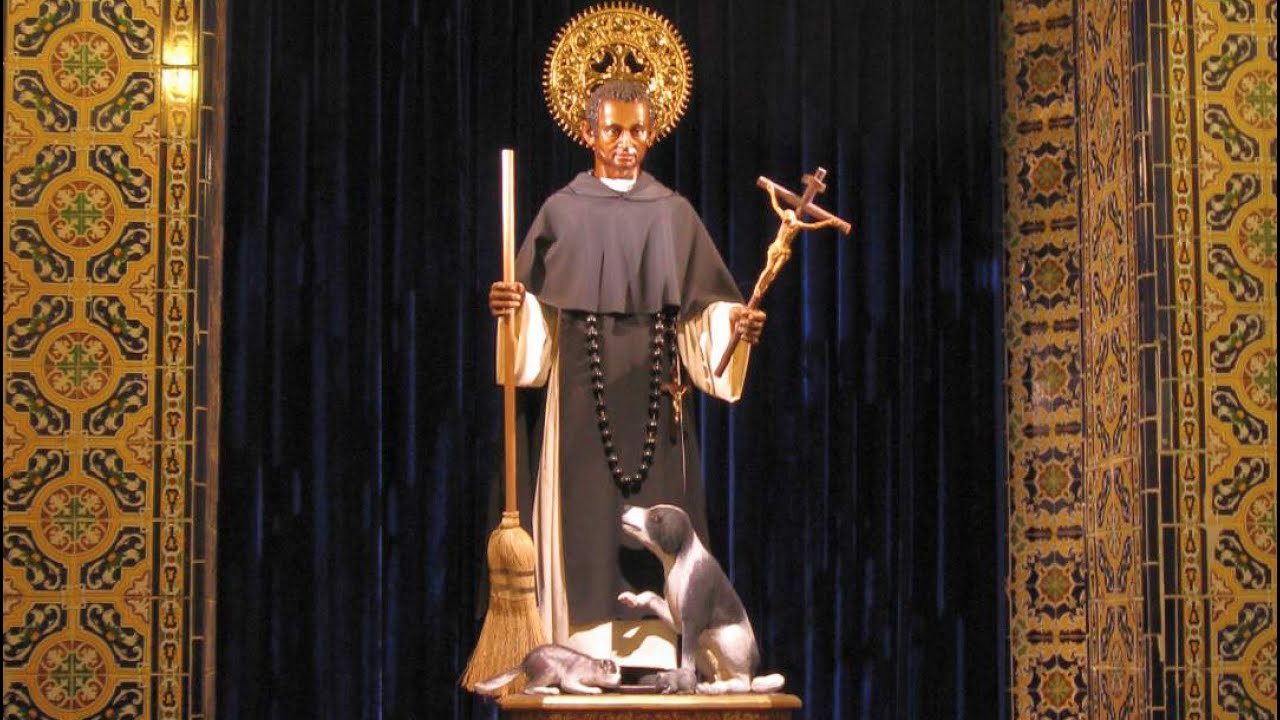

People turn to Prayer to Mary because she is seen as a compassionate mother and a faithful disciple who points consistently to Christ. Her life—especially her patience, courage, and attentiveness—offers a model of lived faith. Through this lens, Prayer to Mary becomes a Christ-centred practice: by reflecting with Mary and asking for her prayers, believers aim to follow Jesus more closely.
Biblical and historical roots of Prayer to Mary
Scriptural foundations
While the Bible does not contain a manual titled “Prayer to Mary”, its witness underlies the practice. In Luke’s Gospel, the angel greets Mary with words that become part of the Hail Mary: “Hail, full of grace, the Lord is with you” (Luke 1:28). Mary responds with the Magnificat (Luke 1:46–55), a beautiful prayer of praise and humility. Elizabeth, filled with the Holy Spirit, calls Mary “blessed” (Luke 1:42), and Mary herself says that all generations will call her blessed (Luke 1:48). These passages support a reverent, scriptural appreciation for Mary’s unique place in salvation history.
At the wedding at Cana (John 2:1–11), Mary notices a need and brings it to Jesus. Her instruction to the servants—“Do whatever he tells you”—captures the essence of Prayer to Mary today: Mary draws attention to Christ and encourages obedience to him. In John 19:26–27, Jesus entrusts Mary and the beloved disciple to one another at the cross, a gesture many Christians interpret as the gift of Mary’s spiritual motherhood to all disciples.
Early Christian devotion
From the early centuries, Christians honoured Mary under titles such as Theotokos (God-bearer), affirmed by the Council of Ephesus (AD 431). Ancient prayers, like the Sub Tuum Praesidium (“We fly to thy protection”), show that asking for Mary’s help has deep roots. Over time, local traditions and universal practices formed a diverse tapestry of Prayer to Mary across languages and cultures.
Common forms of Prayer to Mary
You will find many ways to make Prayer to Mary part of daily life. Some are brief and spontaneous; others are structured and meditative. The most familiar forms include:
The Hail Mary and the Rosary
The Hail Mary blends biblical phrases with a request for Mary’s prayer. Praying the Rosary—a meditative cycle of Our Fathers, Hail Marys, and Glory Bes—invites believers to ponder the “mysteries” of Christ’s life with Mary as a guide. Many discover that this rhythmic Prayer to Mary steadies the mind, reduces anxiety, and deepens awareness of Jesus’ teachings.
The Angelus and the Regina Caeli
The Angelus is a short devotion marking morning, noon, and evening, recalling the Incarnation and encouraging people to pause in prayer. During the Easter season, the Regina Caeli (“Queen of Heaven”) replaces it with a joyful focus on Christ’s resurrection. These brief forms keep the memory of Christ and the companionship of Mary close throughout the day and can serve as a simple Prayer to Mary when time is limited.
The Memorare, the Sub Tuum Praesidium, and the Akathist
The Memorare expresses trust in Mary’s intercession, especially in urgent circumstances. The Sub Tuum Praesidium is one of the oldest Marian prayers on record. In the Eastern Christian tradition, the Akathist Hymn is a rich, poetic celebration of Mary’s role in salvation history. Used thoughtfully, each of these can help you learn the heart of Prayer to Mary in your own words and rhythm.
How to pray: practical steps
Approaching Prayer to Mary is simplest when you keep it sincere and focused. Here is a straightforward way to begin:
- Find a quiet place. Sit comfortably and slow your breathing for a moment.
- Begin with the sign of the cross (if that is your custom) and a short invocation such as “Mary, mother of Jesus, pray for me.”
- State your intention: give thanks, seek guidance, ask help for yourself or others, or simply rest in God’s presence. Framing your intention briefly can focus Prayer to Mary and keep it purposeful.
- Use a familiar text (e.g., the Hail Mary) or speak from the heart. If your mind wanders, gently return to your intention.
- Conclude by entrusting your prayer to God: “Lord, through Mary’s prayers, draw me closer to your will.”
- Carry a word or phrase with you into the day, such as “Let it be done to me according to your word.”
If you prefer structure, consider praying a decade of the Rosary (one Our Father, ten Hail Marys, one Glory Be) while reflecting on a mystery from Jesus’ life. This compact approach offers a focused form of Prayer to Mary, even on a busy day.
Writing your own Prayer to Mary
Many people find it helpful to compose their own Prayer to Mary—short, simple, and honest. You might begin with gratitude, name your need, and end with trust. Here are two brief examples for inspiration:
- “Mary, mother and disciple, thank you for your faith. Please pray with me for patience and clarity today, and help me to do whatever Jesus asks.”
- “Holy Mary, you stood by the cross with courage. Be close to all who suffer in my family. Ask your Son to bring us healing and hope.”
A personal Prayer to Mary need not be polished. Sincerity and steady practice matter more than perfect wording.
When and why: intentions and occasions for a Prayer to Mary
People turn to a Prayer to Mary in many situations. Common intentions include:
- Discernment: asking for wisdom in work, relationships, or family decisions.
- Comfort: seeking peace in grief, anxiety, or illness.
- Gratitude: thanking God for milestones and daily blessings.
- Intercession: praying for friends, colleagues, or the wider world, especially during crises.
- Growth: asking for virtues Mary models—humility, courage, patience, and fidelity.
Some people pray at set times (morning and evening), while others pause whenever a need arises. If a regular routine helps you, set gentle reminders—perhaps at midday for the Angelus, or a few minutes before bed for a decade of the Rosary. Over time, a habit of Prayer to Mary can make your days feel anchored and purposeful.
Avoiding misunderstandings and common mistakes
Because language around devotion can be sensitive, it helps to be clear. First, Prayer to Mary is not worship; worship belongs to God alone. When Christians ask Mary to pray for them, they are seeking the support of a fellow disciple whom Scripture calls “blessed” and who consistently points to her Son. Second, avoid treating prayer as a transaction. Genuine prayer—whether to God directly or as a Prayer to Mary for intercession—is about relationship, trust, and growth in love.
Another common mistake is to rush. Allow a little stillness before and after your words. You may find that silence, too, is a valuable part of prayer. Finally, be patient. Like any habit, this form of prayer yields fruit over time rather than all at once.
Ecumenical perspectives on Mary
Christians hold a range of views about Mary and her place in prayer. Catholics and Orthodox venerate Mary with great honour and use formal devotions. Many Protestants emphasise going directly to God in Christ and may be cautious about Marian practices. Yet across many traditions, there is shared admiration for Mary’s obedience and discipleship. If you are exploring these differences, this overview of the differences between Orthodox and Catholic traditions offers useful context for understanding how Prayer to Mary is lived across the Christian family.
Complementary devotions and next steps
Prayer to Mary often sits alongside other helpful practices: meditation on Scripture, silent contemplation, and prayers that focus explicitly on God’s mercy and love. Many find that learning a structured devotion strengthens their rhythm of prayer. For instance, the guide to the Divine Mercy Chaplet can complement Marian prayer by fostering trust in Christ’s mercy.
To deepen your practice, consider keeping a simple journal of intentions and graces received. Re-reading it after a few weeks can reveal patterns, encourage gratitude, and sustain your commitment to regular prayer.
Recommended external resources
- Official Catechism teaching on Mary (Mother of Christ, Mother of the Church) – a concise summary of Marian doctrine in the Catholic Church.
- How to pray the Rosary (step-by-step guide) – a clear, practical introduction to a classic Marian devotion.
- Background on the Sub Tuum Praesidium – historical notes on one of the oldest recorded Marian prayers.
- The Akathist Hymn (Orthodox perspective) – an overview of a beloved Eastern Christian devotion honouring the Theotokos.
Related articles
Frequently asked questions about Prayer to Mary
Is praying to Mary the same as worship?
No. In Christian teaching, worship is due to God alone. When believers say a Prayer to Mary, they ask for her intercession—her prayers on their behalf—much as they might ask a friend to pray for them. The purpose is always to draw closer to Christ.
Can non-Catholics say a Prayer to Mary?
Yes. While Marian devotion is most developed in Catholic and Orthodox traditions, any Christian who respects Mary’s role in the Gospel can ask for her prayers. If you are new to the idea, start simply by reflecting on her example and asking her to pray that you may follow Jesus faithfully.
What words should I use for a simple Prayer to Mary?
You can begin with familiar texts like the Hail Mary or the Memorare, or use your own words: “Mary, mother of Jesus, please pray for me as I face this challenge. Help me to do whatever he asks.” Speak honestly and briefly; over time, your own style will emerge.
When is the best time for Prayer to Mary?
There is no single best time. Many people pause in the morning and evening, or at midday for the Angelus. Others pray a decade of the Rosary on a walk or commute. Choose a time you can keep most days, so Prayer to Mary becomes a steady habit.
Is Prayer to Mary biblical?
The practice is rooted in biblical honour for Mary (Luke 1:28, 42, 48) and in her example of pointing to Christ (John 2:5). While the Bible does not prescribe specific Marian devotions, these passages provide a scriptural basis for asking Mary to pray with and for us.
How do I keep my devotion Christ-centred?
Make your intention explicit: ask Mary to lead you to Jesus and to help you do his will. Include Scripture (e.g., a Gospel scene) as you pray, and end with praise of God. Used in this way, Prayer to Mary naturally deepens your relationship with Christ.
Conclusion on Prayer to Mary
Prayer to Mary is a simple, time-tested way to grow in faith, peace, and attentiveness to Christ. Grounded in Scripture and shaped by centuries of Christian practice, it honours Mary as a faithful disciple and loving mother while keeping God at the centre. By asking for her intercession, we look to the one who always points to Jesus and encourages us to “do whatever he tells” us.
Whether you choose the Rosary, the Angelus, the Memorare, or your own words, a steady habit of Prayer to Mary can bring focus to your days and compassion to your relationships. Start small, be sincere, and persevere.
As you continue, consider learning from trusted resources, exploring how different Christian traditions understand Mary, and pairing your devotion with Scripture and silence. In these ways, Prayer to Mary can become a gentle companion on your journey, leading you step by step towards deeper trust in God.
