Prayer for the Family: 7 Essential Keys and Practical Guide

Prayer for the Family: a practical, faith‑filled guide for everyday life
Prayer for the Family is a gentle, steady way to bring your household together before God, strengthen relationships, and build a hopeful rhythm in daily life. Whether you live alone and pray for your loved ones, share a flat with friends, are parenting babies or teens, or supporting elderly relatives, a simple habit of Prayer for the Family can deepen faith, reduce stress, and create a shared sense of purpose. This guide explains what family prayer is, why it matters, and how to make it work in the real world—without pressure, perfectionism, or needless complexity.
You will find a clear definition, practical steps, sample words you can use straight away, common pitfalls to avoid, and ways to adapt Prayer for the Family for different ages and circumstances. We will also link to trustworthy resources if you wish to explore further.
What is Prayer for the Family?
A simple definition and purpose
At heart, Prayer for the Family is the shared practice of turning to God together—offering thanks, asking for help, listening in silence, and blessing one another. It is about inviting God’s presence into ordinary routines so that love, patience, and hope grow at home. Family prayer can be as brief as a minute of gratitude at the dinner table or as structured as a Sunday evening liturgy with Scripture and intercessions. The key is not length but sincerity and regularity.
How family prayer differs from private prayer
Private prayer nurtures your personal relationship with God; Prayer for the Family nurtures relationships within the household as well. Praying aloud, even very simply, teaches children to trust God, models forgiveness, and opens honest conversations. It helps adults carry one another’s burdens and celebrate joys together. While both personal and communal prayer are valuable, the practice of praying as a family creates a shared spiritual memory that lasts for decades.
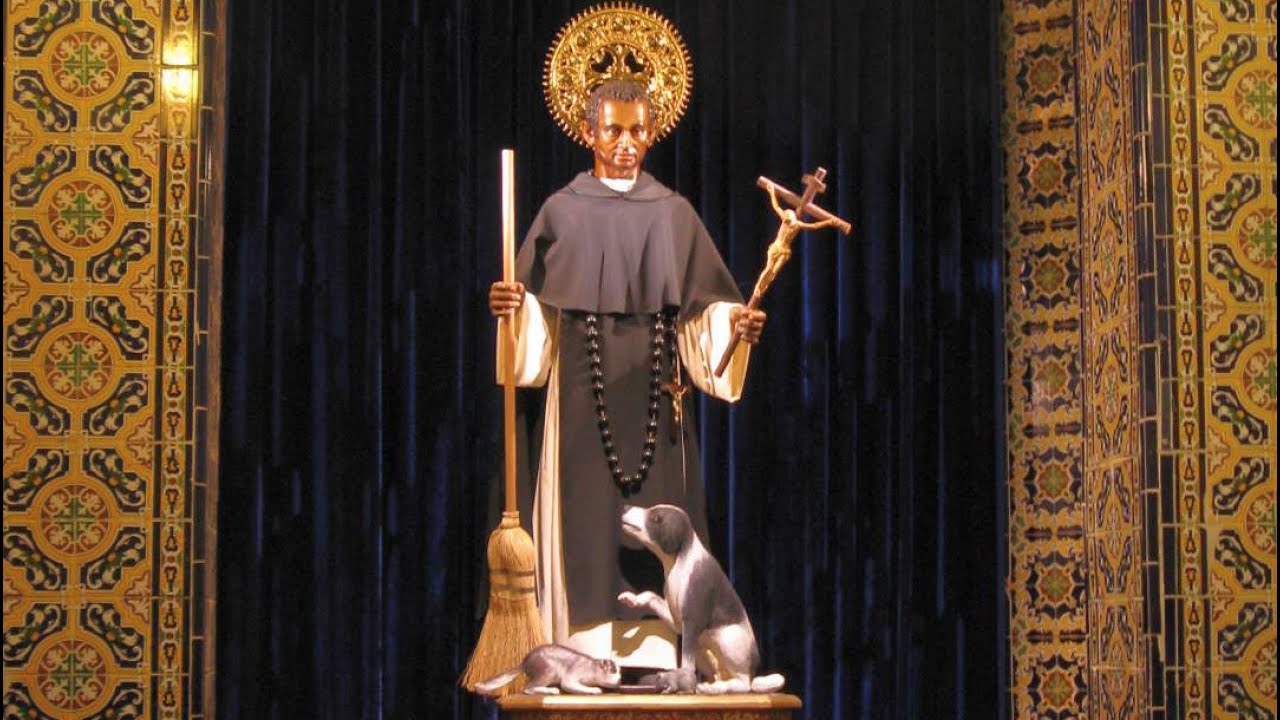

Why Prayer for the Family matters today
Spiritual benefits
Prayer for the Family helps households become what many Christians call the “domestic church”—a place where faith is lived, not only learned. Reading a short Bible verse, offering a sentence of thanks, or blessing a child before bed plants seeds of trust in God. Over time, these small habits shape a family story: we are loved, guided, and never alone.
Emotional and relational benefits
Calm, predictable rituals lower stress and help people feel safe. A short evening prayer routine can act like a daily “reset”, encouraging gentle conversation and forgiveness before sleep. Even secular research on mindfulness notes the wellbeing value of quiet, reflective practices. For a helpful overview, see the NHS overview of mindfulness and wellbeing. While Christian prayer is more than mindfulness, the benefits of stillness, gratitude, and intentional focus are complementary.
Teaching children faith naturally
Children learn by watching. When they see parents or carers pray naturally—without fuss or fear—they absorb that turning to God is normal and good. By keeping Prayer for the Family simple and age‑appropriate, you give young people a living language for faith: “Lord, thank you for today.” “Help me be kind to my friend.” “Forgive us when we argue.” These short phrases are building blocks for lifelong discipleship.
Core elements of effective Prayer for the Family
Time, place, and a gentle pattern
- Time: Choose a moment that most days will work—a pre‑school minute, grace at meals, or a five‑minute evening pause.
- Place: Gather where you already meet naturally (kitchen table, living room, bedside). Avoid moving targets.
- Pattern: Agree a simple, repeatable order. For example: quiet + Scripture + thanksgiving + intercession + blessing.
Consistency matters more than complexity. Start small, stay kind to yourselves, and let Prayer for the Family grow with your season of life.
Scripture and silence
One short Bible verse anchors prayer and nourishes faith. Keep a notecard with a handful of favourite lines. For instance, “As for me and my household, we will serve the Lord” (see Joshua 24:15 in the NIVUK translation). After the reading, include a few seconds of silence. Even very young children can learn to breathe quietly and “listen with their hearts”.
Intercession and thanksgiving
Invite each person to say one thing they’re grateful for and one person or situation they want to pray for. This keeps Prayer for the Family concrete and inclusive. If someone prefers not to speak, a simple “pass” is always fine; respect is vital.
Step‑by‑step guide to start or restart Prayer for the Family
A gentle 10‑minute routine
- Begin with quiet: Take a deep breath together. Light a candle if safe—it signals “this time is special”.
- Read a short Scripture: One verse or a short psalm line.
- Thanksgiving: Each person offers one sentence of thanks.
- Intercessions: Pray briefly for needs at school, work, health, friends, community, and the world.
- The Lord’s Prayer: Pray together, slowly.
- Blessing: A parent, partner, or child speaks a simple blessing over others.
Keep the tone relaxed. If children are restless, shorten the silence. If teens prefer to write a prayer, allow it. The point of Prayer for the Family is connection with God and each other, not performance.
Example outlines you can use
- Morning (2–3 minutes): “Lord, be with us today.” Short verse. Each person names one upcoming task and asks for help. Blessing: “May the Lord bless you and keep you today.”
- Mealtime grace (20 seconds): “For what we are about to receive, may the Lord make us truly thankful. Amen.”
- Bedtime (3–5 minutes): Quiet. Short verse. Thankful sentence from each person. The Lord’s Prayer. Blessing.
- Sunday focus (10 minutes): Add a hymn or worship song, and pray for your church and community.
Sample texts for Prayer for the Family
Short opening prayers
“Loving God, we gather as a family. Thank you for being with us. Teach us to listen, to forgive, and to love. Amen.”
“Lord Jesus, be our peace tonight. Calm our hearts and guide our thoughts. Amen.”
Intercessions you can adapt
“We pray for our home: that it may be a place of kindness and joy. We pray for our school/work: for wisdom, patience, and good friendships. We pray for those who are lonely, grieving, or ill: surround them with comfort. We pray for our leaders and our world: give justice and peace. Lord, in your mercy, hear our prayer.”
A simple family blessing
“The Lord bless you and keep you. The Lord make his face shine upon you and be gracious to you. The Lord look kindly on you and give you peace. Amen.”
Common mistakes in Prayer for the Family and how to avoid them
- Trying to do too much too soon: Start with one time slot and keep it short. Build slowly.
- Turning it into a lecture: Prayer is conversation with God, not a sermon for your loved ones.
- Forgetting to listen: Include moments of silence; God speaks in stillness as well as words.
- Being rigid: If travel or illness disrupts your routine, do the next right thing rather than “catching up”.
- Leaving out celebration: Thankfulness fuels perseverance. Celebrate small wins, birthdays, answered prayers.
Adapting Prayer for the Family for different households
Couples without children
Combine a brief evening examen (reflecting on the day), a verse of Scripture, and a shared intercession list. Rotating who leads keeps both engaged. Prayer for the Family in this season can focus on hospitality, friends, neighbours, and wider community needs.
Families with young children
Keep it playful and brief. Use simple refrains (“Thank you, Jesus,” “Be with us, Lord”). Incorporate movement: a short clap rhythm, a candle to blow out, or a simple call‑and‑response. The aim is to associate Prayer for the Family with warmth and security.
Teenagers and busy schedules
Invite teens to contribute music, readings, or issues they care about. Use a family group chat to share a weekly verse. If you can’t pray together daily, try a short Sunday evening check‑in. Respect their growing independence while gently keeping Prayer for the Family on the agenda.
Interfaith and blended families
Focus on shared values—gratitude, kindness, peace—and be explicit about mutual respect. You may agree on a moment of quiet and simple blessings with inclusive language. Where Christian prayer is part of your practice, explain kindly what you are doing and why. The spirit of Prayer for the Family is hospitality, not pressure.
Connecting Prayer for the Family with the wider Christian tradition
Many households enrich Prayer for the Family by drawing on well‑loved Scriptures and traditional devotions. For instance, the theme of God’s tender care is beautifully expressed in Zephaniah: “He will rejoice over you with singing.” A short, reflective reading like this can comfort both adults and children; you can read more in our reflection on Zephaniah 3:17.
Some families also keep a simple chaplet or rosary at hand for special times, such as Lent, anniversaries, or when praying for the sick. If you wish to learn a time‑honoured devotion centred on trust in God’s mercy, see how to pray the Divine Mercy Chaplet.
To further ground your practice, you may appreciate formal guidance on Christian prayer from different traditions. The Church of England offers accessible material for home use; see Church of England prayers and worship. For a deeper theological overview, consult the Catechism of the Catholic Church: Part Four on Christian Prayer, which outlines the essence and forms of prayer for individuals and families alike.
Helpful Scripture ideas for Prayer for the Family
- Love and patience: 1 Corinthians 13:4–7
- God’s care: Psalm 23; Matthew 6:25–34
- Jesus’ invitation to children: Mark 10:13–16
- Household commitment: Joshua 24:15
- Peace and blessing: Numbers 6:24–26; Philippians 4:6–7
How to keep Prayer for the Family going
- Make it visible: Keep a small Bible, candle, and notecard with prayer prompts in a basket.
- Share leadership: Rotate who reads or chooses the verse; children can lead too.
- Link to landmarks: Begin or end school terms, birthdays, and anniversaries with a special blessing.
- Review and refresh: Every few months, ask what’s working and what to adjust.
- Connect with church life: Bring home themes from Sunday services or small groups.
Recommended external resources
- Church of England prayers and worship – practical prayers and simple liturgies you can use at home.
- Catechism of the Catholic Church: Part Four on Christian Prayer – a thorough guide to the nature and forms of prayer.
- Joshua 24:15 (NIVUK) – a classic verse for dedicating your household to the Lord.
- NHS overview of mindfulness and wellbeing – background on the benefits of quiet routines and focused reflection.
Related articles
Frequently asked questions about Prayer for the Family
How long should Prayer for the Family be?
Short is fine. Two to five minutes most days is a good start. A slightly longer time (around 10 minutes) once a week works well for many households. The best length is the one you can sustain with goodwill.
What if my family is not used to praying aloud?
Begin with silence and a written prayer everyone can say together. Invite optional one‑sentence thanksgivings. Over time, confidence grows. No one should be forced to speak; listening prayer is still real prayer.
How can we engage young children?
Keep Prayer for the Family interactive: use simple refrains, short responses, gentle movement, or a picture Bible. Let children choose the “thank you” theme or draw a prayer. Keep it warm and brief.
What if family members have different beliefs?
Focus on shared values—gratitude, peace, compassion—and agree boundaries in advance. You can still include a short Christian prayer respectfully, explaining its meaning. Kindness and consent are key.
Is it better to pray in the morning or at night?
The best time is the time you will keep. Many families find mealtimes or bedtime easiest. Others prefer a quick morning blessing before leaving the house. Choose one slot and protect it gently.
How do we keep Prayer for the Family from becoming routine and lifeless?
Alternate formats, vary the Scripture, and involve different voices. Mark seasons (Advent, Lent, harvest) with a special focus. Most importantly, keep the heart of prayer—gratitude, honesty, and listening—alive.
Conclusion on Prayer for the Family
Prayer for the Family is not about eloquent words or perfect behaviour; it is about inviting God into everyday life and letting his presence shape your household with peace, patience, and hope. A few minutes of quiet, a short verse, simple thanksgivings, and a blessing are enough to begin—and to continue.
By choosing a regular time, keeping a gentle pattern, and involving every voice, Prayer for the Family becomes a life‑giving habit rather than a duty. It will ebb and flow with changing seasons, yet its steady rhythm can anchor your family through joy and challenge alike.
As you experiment, keep it simple, kind, and faithful. Resources from your church tradition and accessible guides can help, but the most important step is the next small one you take together. May Prayer for the Family draw you closer to God—and to one another—day by day.
