Red heifer: 7 key facts – essential, complete, updated guide
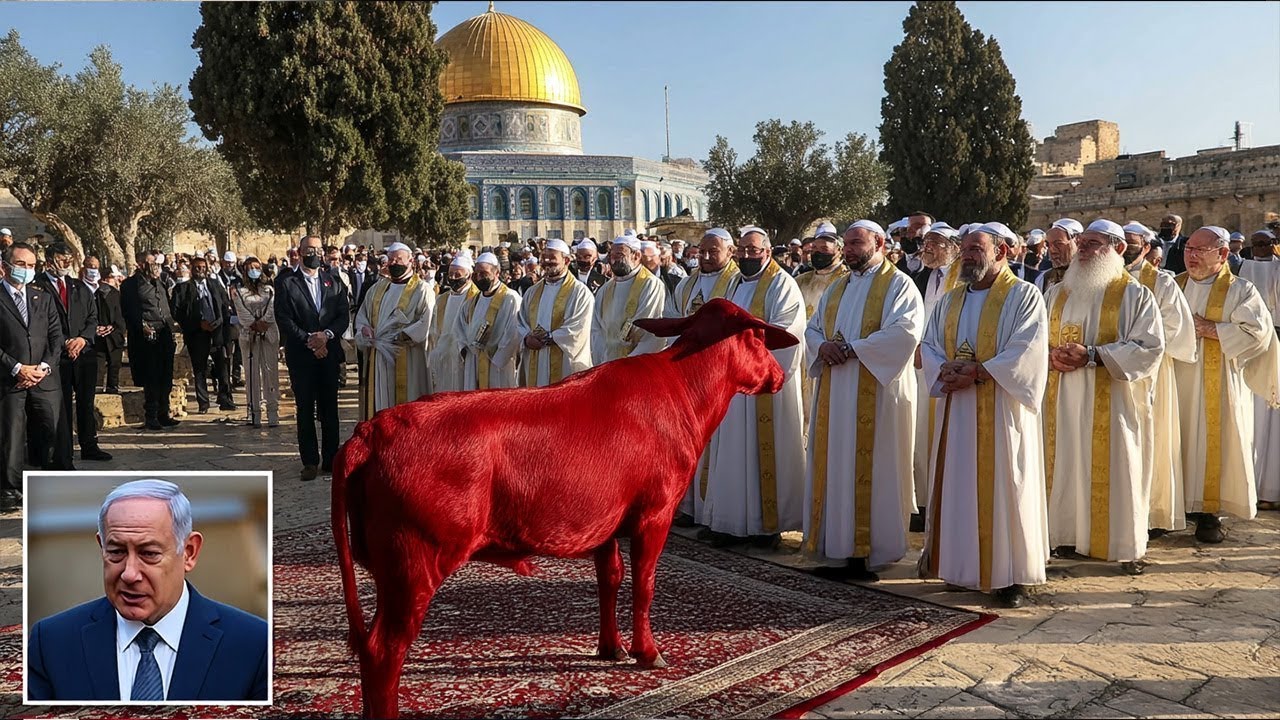
Red heifer: history, meaning and modern debates
The red heifer is one of the most intriguing and discussed elements of biblical ritual, symbolising purity, mortality, and the complex relationship between people, place and worship. Rooted in the Book of Numbers, the red heifer has fascinated scholars, faith communities and curious readers for centuries. It appears rarely in history yet often in conversation—especially when questions arise about ancient rites, the Temple in Jerusalem, and how traditions shape modern faith.
In this comprehensive guide, we will explain what a red heifer is, why it mattered in the biblical world, how its purification rite worked, and why it continues to spark interest today. We will also explore different interpretations across Jewish and Christian traditions, clarify common misconceptions, and provide balanced context for contemporary debates.
Origins and biblical text on the red heifer
The foundational description of the red heifer appears in Numbers 19, often referred to in Hebrew as the Parah Adumah. In that chapter, God instructs Moses and Aaron to have the Israelites bring a flawless red heifer, which is then slaughtered and burned, with its ashes used to prepare water for purification from contact with death. You can read the full passage in accessible translations at Numbers 19 on Sefaria (English/Hebrew), which remains the primary source for understanding the original law and its details.
Within this passage, the red heifer is not merely a sacrificial animal; it is part of a unique purification process. The rite deals specifically with a significant form of ritual impurity: contact with a human corpse. In the biblical worldview, human mortality and the holiness of worship demanded carefully defined forms of cleansing before someone could re-enter sacred space or participate in communal rites. The red heifer thus occupies a distinctive place among the laws of purity, set apart in both method and meaning.


Core requirements in the Torah
The text sets out stringent requirements for selecting and handling the red heifer. Key points include:
- The heifer must be entirely red in colour, with no (or virtually no) hairs of another shade according to later rabbinic interpretation.
- It must be without blemish and free of defects.
- It must never have been yoked, indicating it has not been used for ordinary labour.
- The slaughter and burning occur outside the camp (and later, outside the Temple precincts), underscoring the rite’s separation from regular sacrifices.
- The ash is combined with “living water” (spring or fresh water), then sprinkled on those who require purification.
These requirements convey the gravity of the rite and the care taken to prevent any compromise in the red heifer’s symbolic function. The addition of cedar wood, hyssop, and scarlet thread in the burning further marks the process as distinctive and richly layered in imagery.
The paradox of purity and impurity
A striking feature of the red heifer ritual is its paradox: those who handle and prepare the ashes become temporarily impure, even as the ashes themselves will purify others from the most serious impurity (contact with the dead). This tension has inspired centuries of commentary. Many Jewish teachings acknowledge that not every commandment can be rationalised, and that the Parah Adumah exemplifies a “statute” (chok)—a divine decree observed out of trust and obedience, even when its logic is not fully grasped.
How the red heifer ritual was performed
While details vary slightly across sources, the broad process of the red heifer rite can be summarised as follows, giving a clear view of how it was intended to function:
- A qualifying heifer of uniform red colour, without blemish and never yoked, was selected.
- The animal was taken outside the camp (or outside the city in the Temple era). The priest oversaw the slaughter while facing the sanctuary.
- Some of the blood was sprinkled toward the Holy Place, connecting this outer rite with the inner sanctity of worship.
- The entire heifer was burned, along with cedar wood, hyssop, and scarlet material. These elements, each meaningful in other purity and Passover contexts, were part of the commanded procedure.
- The ashes were carefully collected and stored in a pure place. These formed the essential ingredient for preparing the water of purification.
- When needed, a small amount of ash was mixed with water drawn from a fresh, flowing source. A clean person used hyssop to sprinkle the mixture on anyone who had become impure through contact with a corpse.
- Sprinkling occurred on the third and seventh days, followed by washing, after which the person was considered pure.
Unlike conventional sacrifices, the burning of the heifer took place outside the central worship area, and the resulting ashes were used not on altars but as part of a purification system essential to community life. This highlights the practical and pastoral aims of the rite: to restore individuals to full participation after contact with death, a universal human experience.
The red heifer in Second Temple and rabbinic tradition
Later Jewish sources discuss how rarely the rite occurred and how carefully it was managed. Rabbinic literature preserves lists of those who supervised red heifer preparations and suggests that very few were ever performed—from the time of Moses through the Second Temple period. Some traditions say nine red heifers were prepared, with a long-standing belief that a tenth might be associated with a future era of spiritual renewal. While interpretations differ, the underlying message is clear: the rite was extraordinary.
For accessible summaries of traditional teachings and their context, see the Red Heifer overview on Wikipedia and explanatory articles such as Chabad’s guide to the Red Heifer (Parah Adumah). These resources gather ancient sources and modern commentary, showing how the tradition has been transmitted and understood across centuries.
Symbolism and interpretations of the red heifer
For Jewish readers, the red heifer often symbolises obedience to divine command, humility before mystery, and the communal need to acknowledge mortality while remaining rooted in life and holiness. The use of “living water”, the prominence of hyssop, and the use of cedar and scarlet thread evoke other major biblical themes—from Passover protection to cleansing from various impurities. Together they create a tableau of renewal after loss, reintegration after separation.
In Christian theology, the red heifer is sometimes read typologically. New Testament passages such as Hebrews 9:13 reference the “ashes of a heifer” in discussions of purification. Many Christian writers therefore see the red heifer as part of a larger biblical pattern that culminates in spiritual cleansing and reconciliation with God. While interpretations vary, the red heifer commonly serves as a bridge for discussing how ancient rites illuminate later doctrines about purification, conscience, and the hope of new life.
Key themes to remember
- Mortality is confronted, not denied: the rite responds to the most significant source of ritual impurity, contact with death.
- Community cohesion matters: purification allows individuals to rejoin sacred and social life.
- Obedience in mystery: the paradox of those who prepare purity becoming impure themselves encourages humility.
- Ritual as teaching: the visual and physical elements (ash, water, hyssop) reinforce lessons about separation, restoration, and hope.
Modern interest in the red heifer
In recent decades, the red heifer has drawn renewed attention. Reports of attempts to breed or identify qualifying animals have appeared periodically, particularly due to interest in the idea of restoring biblical rituals or anticipating future religious developments. Because this touches on sensitive questions about the Temple Mount, interfaith relations, and contemporary politics, responsible discussion emphasises accuracy, legality, and respect for all communities involved.
It’s important to note that identifying a legitimate red heifer is extraordinarily difficult. Standards are exacting: the animal’s hair and skin must be red (with very few exceptions by some rulings), it must be without blemish, and it must never have been yoked. Even if a red heifer is identified, additional halachic conditions, priestly involvement, and broader religious questions would need careful consideration by recognised authorities.
Halachic debates today
Jewish legal discussions consider issues such as priestly lineage, the status of ritual purity for those who would perform the rite, and whether certain ritual prerequisites can be met in the modern era. These are not only procedural questions but also communal and theological ones. As a result, the red heifer remains more a subject of study and cautious interest than a practical project for most Jewish communities.
Animal welfare and ethical considerations
Any contemporary conversation about the red heifer should also consider animal welfare and ethical treatment. While the biblical rite comes from a different time and context, modern readers often ask how such rituals align with humane standards today. Responsible discussion recognises that faith traditions engage these questions thoughtfully, balancing reverence for scripture with ethical obligations toward living creatures.
Common misconceptions about the red heifer
- Misconception: Any red cow qualifies. Reality: A red heifer must meet very strict criteria—uniform red colour, no defects, and never used for labour. Minor variations in hair colour can disqualify it.
- Misconception: The rite was a typical sacrifice at the altar. Reality: The burning occurred outside the main worship area, and the ashes were used for purification rather than altar sacrifice.
- Misconception: The red heifer is mainly about predicting the end times. Reality: In the Torah, its primary purpose is practical and pastoral—restoring purity after contact with death.
- Misconception: Sprinkling the water of purification forgave all sins. Reality: The rite addressed a specific impurity (corpse defilement). Moral and spiritual questions in the Bible involve other sacrifices and practices.
- Misconception: Restoring the rite is straightforward. Reality: Significant halachic, communal, and ethical considerations make any modern application complex and, for most communities, theoretical.
Historical context and cultural echoes
The biblical world approached holiness and everyday life as deeply intertwined. The red heifer shows how communities ordered their lives around the sacred, making space for mourning and reintegration. While many ancient practices are no longer followed, their symbolism persists in literature, liturgy, and theological reflection. For readers exploring the Hebrew Bible or studying Second Temple Judaism, the red heifer is a window into how ancient Israel navigated life, death and hope.
For those comparing traditions, it’s helpful to remember that words like “purity” and “impurity” in the biblical context primarily refer to ritual fitness, not moral worth. That distinction prevents misunderstandings when discussing practices distant from modern lifestyles. It also aids respectful dialogue among Christians, Jews, and others, including the meaning of “Gentiles” in biblical usage, a term that frequently comes up when discussing covenant, law, and inclusion.
Similarly, people interested in how Jewish and Christian calendars and customs differ sometimes encounter questions about festivals and their origins. If you’re curious about where practices align or diverge, this overview on do Jewish people celebrate Easter offers a clear starting point and context for interfaith understanding.
Recommended external resources
- Overview of the Red Heifer: history, sources and interpretations (Wikipedia)
- Numbers 19 (Sefaria): full biblical text of the red heifer law
- Chabad: accessible guide to the Parah Adumah
- Jewish Virtual Library: background on the Red Heifer
Frequently asked questions about red heifer
What exactly is a red heifer in the Bible?
The red heifer is a unique animal specified in Numbers 19, used to create ash for water of purification from contact with a human corpse. It had to be entirely red in colour, free of blemish, and never used for labour. Its ashes were mixed with fresh water and sprinkled to restore ritual purity.
Why was contact with death such a serious issue?
In the biblical worldview, approaching God and sacred space required ritual preparation. Contact with death represented the greatest form of impurity, so the community needed a way to acknowledge mortality and restore individuals to worship and communal life. The red heifer rite answered that need.
Is the red heifer sacrifice the same as other offerings?
No. The red heifer was not presented on the altar like standard sacrifices. It was burned outside the camp (or city), and its purpose was to produce ash for purification. The rite’s location and use of ash set it apart from other offerings.
Do Jews observe the red heifer ritual today?
No. The rite has not been performed for many centuries. Some groups study it and discuss its meaning, but practical application is extremely rare and surrounded by complex halachic and communal considerations. For most communities, the red heifer is explored for its historical, theological, and symbolic value.
How do Christians interpret the red heifer?
Christians often understand the red heifer typologically—seeing in it themes of purification and conscience that are later discussed in the New Testament. Passages such as Hebrews 9:13 mention the ashes of a heifer, using the example to explain concepts of cleansing and spiritual access to God.
Is breeding a valid red heifer enough to restart the ritual?
Not by itself. Even if an animal meets the strict criteria, many other requirements would need to be addressed, including who performs the rite, where, and under what legal and religious circumstances. As a result, modern discussion tends to be cautious and exploratory rather than immediately practical.
Conclusion on red heifer
The red heifer stands at the meeting point of history, ritual, and meaning. In ancient Israel, it addressed a profound reality—human mortality—and provided a pathway back into the rhythms of worship and community. Its careful requirements and paradox of purity and impurity point to a truth that many religious traditions recognise: some sacred things are obeyed before they are fully understood.
Today, the red heifer remains a subject of curiosity and debate. Some are drawn by its potential relevance to future rites; others by its symbolism of loss, cleansing and hope. Across perspectives, it encourages thoughtful engagement with the biblical world and its enduring questions.
Whether approached through Jewish law and lore or considered through Christian typology, the red heifer invites us to reflect on life, death and renewal. By reading the original text, consulting reliable scholarship, and keeping an open, respectful mind, we can appreciate how this ancient rite still speaks with clarity and depth to modern readers.
