Prayer for children protection in arabic: 5 essential, practical duas
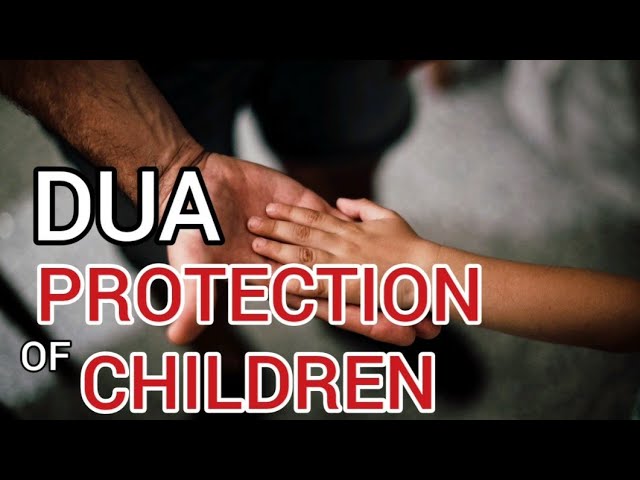
prayer for children protection in arabic
For many parents and carers, safeguarding little ones goes beyond safe routines and good habits. A heartfelt prayer for children protection in arabic can be a comforting daily practice that expresses love, care, and trust in God. In this guide, you will learn what these prayers are, how to recite them clearly, and how to make them part of your family’s life, whether you are new to Arabic supplications or simply seeking a clear, friendly reference.
This article explains essential concepts, provides step-by-step instructions, and shares common mistakes to avoid. You will also find Arabic texts, transliterations, and translations for core protective prayers (known in Islamic tradition as du‘ā’ or ruqyah), along with practical tips to help children feel calm, secure, and included.
What is prayer for children protection in arabic?
A prayer for children protection in arabic is a spoken supplication seeking God’s protection, mercy, and care for a child’s wellbeing. In Islamic tradition, these prayers often draw on verses from the Qur’an and authentic supplications taught by the Prophet Muhammad (peace be upon him). Parents frequently recite them at bedtime, before journeys, or when children feel unwell or anxious. They can be used alongside other faith practices or simply as soothing words of blessing.
While any sincere prayer may be offered in your own language, many families cherish Arabic prayers because they are the original language of the Qur’an and commonly used protective verses. The aim is not mere repetition, but mindful recitation with understanding, kindness, and consistency.


Foundations in Islamic tradition for prayer for children protection in arabic
In Islam, protective prayers for children often involve short, powerful passages from the Qur’an and well-documented prophetic supplications. Three core elements are especially common:
- Ayat al-Kursi (Qur’an 2:255) — widely recited for protection.
- Surah Al-Falaq (Qur’an 113) and Surah An-Nas (Qur’an 114) — known together as the Mu‘awwidhatayn, the “seeking refuge” chapters.
- Specific hadith-based prayers for safeguarding children, such as “I entrust you to God’s perfect words…”
These elements form a trusted basis for a prayer for children protection in arabic, used at home or when travelling. They are short, easy to learn, and suitable for regular family practice.
Step-by-step: how to perform a simple prayer for children protection in arabic
If you are just starting, keep it simple. The following routine can be recited in a calm voice at bedtime, before school, during illness, or any time you wish to bless and protect your child.
Before you begin
- Choose a quiet moment. Invite your child to sit or lie comfortably.
- Set an intention to seek God’s protection with sincerity and patience.
- If you like, place your hand gently on your child’s head or chest (with their consent) to create a sense of warmth and reassurance.
The recitation sequence
- Recite “Bismillāh” (In the name of God).
- Recite Ayat al-Kursi (Qur’an 2:255), or at minimum the first line if you are learning.
- Recite Surah Al-Falaq (Qur’an 113) and Surah An-Nas (Qur’an 114).
- Recite a short prophetic supplication for children (see the section below for Arabic text and transliteration).
- Conclude with a gentle personal prayer in your own words, such as: “O God, protect [child’s name] from harm and grant them peace.”
Even this brief sequence works as an effective prayer for children protection in arabic. If time is short, the two short chapters (Al-Falaq and An-Nas) alongside a simple child-specific supplication are an excellent starting point.
Aftercare and routine
- Make this routine a nightly habit, so it becomes familiar and comforting.
- Encourage your child to recite along as they grow; even a few words can be empowering.
- Balance prayer with practical safety: health care, safe environments, and supportive conversations.
Arabic texts and transliterations for prayer for children protection in arabic
Below are widely used selections for a prayer for children protection in arabic, including Arabic text, transliteration, and a brief translation. You do not need to memorise everything at once; you can start with one passage and build gradually.
Ayat al-Kursi (Qur’an 2:255)
Arabic:
اللَّهُ لَا إِلَٰهَ إِلَّا هُوَ الْحَيُّ الْقَيُّومُ ۚ لَا تَأْخُذُهُ سِنَةٌ وَلَا نَوْمٌ ۚ لَّهُ مَا فِي السَّمَاوَاتِ وَمَا فِي الْأَرْضِ ۗ مَن ذَا الَّذِي يَشْفَعُ عِندَهُ إِلَّا بِإِذْنِهِ ۚ يَعْلَمُ مَا بَيْنَ أَيْدِيهِمْ وَمَا خَلْفَهُمْ ۖ وَلَا يُحِيطُونَ بِشَيْءٍ مِّنْ عِلْمِهِ إِلَّا بِمَا شَاءَ ۚ وَسِعَ كُرْسِيُّهُ السَّمَاوَاتِ وَالْأَرْضَ ۖ وَلَا يَـُٔودُهُ حِفْظُهُمَا ۚ وَهُوَ الْعَلِيُّ الْعَظِيمُ
Transliteration (shortened):
Allāhu lā ilāha illā Huwa, al-Ḥayyul-Qayyūm… wa Huwa al-‘Aliyyul-‘Aẓīm.
Meaning (summary): God—there is no deity except Him, the Ever-Living, the Sustainer. Neither slumber nor sleep overtakes Him. To Him belongs all in the heavens and the earth… and He is the Most High, the Most Great.
Surah Al-Falaq (Qur’an 113)
Arabic:
قُلْ أَعُوذُ بِرَبِّ الْفَلَقِ (1) مِن شَرِّ مَا خَلَقَ (2) وَمِن شَرِّ غَاسِقٍ إِذَا وَقَبَ (3) وَمِن شَرِّ النَّفَّاثَاتِ فِي الْعُقَدِ (4) وَمِن شَرِّ حَاسِدٍ إِذَا حَسَدَ (5)
Transliteration:
Qul a‘ūdhu bi-Rabbi l-falaq, min sharri mā khalaq, wa min sharri ghāsiqin idhā waqab, wa min sharri n-naffāthāti fi l-‘uqad, wa min sharri ḥāsidin idhā ḥasad.
Meaning (summary): Say: I seek refuge in the Lord of daybreak from the evil of what He created; from the evil of darkness when it settles; from the evil of blowers upon knots; and from the evil of an envier when they envy.
Surah An-Nas (Qur’an 114)
Arabic:
قُلْ أَعُوذُ بِرَبِّ النَّاسِ (1) مَلِكِ النَّاسِ (2) إِلَٰهِ النَّاسِ (3) مِن شَرِّ الْوَسْوَاسِ الْخَنَّاسِ (4) الَّذِي يُوَسْوِسُ فِي صُدُورِ النَّاسِ (5) مِنَ الْجِنَّةِ وَالنَّاسِ (6)
Transliteration:
Qul a‘ūdhu bi-Rabbi n-nās, Maliki n-nās, Ilāhi n-nās, min sharri l-waswāsi l-khannās, alladhī yuwaswisu fī ṣudūri n-nās, mina l-jinnati wa n-nās.
Meaning (summary): Say: I seek refuge in the Lord of mankind, the Sovereign of mankind, the God of mankind, from the evil of the whisperer who withdraws, who whispers into the breasts of mankind—of jinn and mankind.
Prophetic supplication for children
Arabic:
أُعِيذُكُمَا بِكَلِمَاتِ اللَّهِ التَّامَّةِ مِنْ كُلِّ شَيْطَانٍ وَهَامَّةٍ وَمِنْ كُلِّ عَيْنٍ لَامَّةٍ
Transliteration:
U‘īdhukumā bi kalimāti llāhi t-tāmmati min kulli shayṭānin wa hāmmatin wa min kulli ‘aynin lāmmah.
Meaning (summary): I seek protection for you both in the perfect words of God from every devil and poisonous creature and from every harmful eye.
You can adapt the grammar if praying for one child: “U‘īdhuka…” (for a boy) or “U‘īdhuki…” (for a girl). This short line is an excellent centrepiece for any prayer for children protection in arabic.
Pronunciation tips and meaning
- Go slowly and focus on clarity rather than speed. Children benefit from a calm voice.
- If you are unfamiliar with Arabic sounds, emphasise vowel clarity; perfection is not required for a sincere prayer.
- Consider audio support from trusted sources to hear correct recitation and better shape your prayer for children protection in arabic.
- Explain the meaning in simple terms: “We are asking God to keep you safe, calm, and cared for.”
Common mistakes to avoid when using prayer for children protection in arabic
- Over-complication: Start with what you know; even one short verse or supplication recited regularly is powerful.
- Rushing: A hurried recitation may feel tense; choose a measured pace that relaxes your child.
- Neglecting meaning: Take a moment to summarise the core meaning so the child understands this is about love, security, and trust in God.
- Treating prayer as a replacement for care: A prayer for children protection in arabic supports, but never replaces, medical attention, safeguarding measures, and emotional support.
- Inconsistency: Children thrive on routine; choose a time you can maintain, such as bedtime or before leaving the house.
Making the practice child‑friendly and inclusive
Every family is different. To make a prayer for children protection in arabic more engaging, consider inviting your child to choose when to recite (morning, bedtime), to hold a comfort object, or to repeat a favourite phrase like “Bismillāh” or “A‘ūdhu billāh.” If you come from a multi-faith household, you might add a short blessing from your own tradition alongside the Arabic prayer to create a shared family moment. The emphasis is on tenderness, routine, and reassurance.
When and how often to recite a prayer for children protection in arabic
- Bedtime: Many families find this the easiest regular slot.
- Before travel or school: A brief recitation at the door can become a loving send-off ritual.
- During illness or anxiety: Calmly recite while comforting your child.
- Special days: Add an extra moment of prayer on birthdays or milestones.
Frequency matters less than sincerity and consistency. Even a short, daily prayer for children protection in arabic can have a profound emotional and spiritual effect.
Cultural sensitivity and interfaith perspective
Arabic protective prayers are valued by Muslim families worldwide, but their gentle sentiments—asking for safety, peace, and guidance—are universal. If you are not Muslim, you are still welcome to learn and respectfully recite these verses as expressions of care. If you prefer, you can combine an Arabic verse with your own-language prayer, balancing faith, culture, and family tradition.
Key points to remember
- A prayer for children protection in arabic can be simple: start with Al-Falaq, An-Nas, and a short child-specific supplication.
- Clarity, calmness, and consistency make a bigger difference than memorising many passages.
- Explain meanings in simple language to help your child feel safe and involved.
- Pair prayer with practical care and health advice; the two go hand in hand.
Examples of short scripts you can use
Here are a few brief scripts you can adapt. Say your child’s name where appropriate:
- “Bismillāh. I seek refuge in God for [Name] with His perfect words from harm and fear. O God, protect [Name], give them peace, and watch over them tonight.”
- “I place [Name] in Your care, O Merciful. Guard their heart and mind, keep them well, and bless our home with calm.”
- “A‘ūdhu billāhi min ash-shayṭāni r-rajīm. Qul a‘ūdhu bi-Rabbi l-falaq… Qul a‘ūdhu bi-Rabbi n-nās… O God, make [Name] safe and serene.”
Blend Arabic recitations with your own words—this is still a valid prayer for children protection in arabic, and it can feel very personal.
Internal and external links you may find helpful
If you would like a concise Catholic prayer practice that many parents appreciate for daily intercession, see this clear guide to the Divine Mercy Chaplet prayer. It can sit alongside a prayer for children protection in arabic as a complementary devotion in interfaith or multi-tradition homes.
For a biblical view on God’s protective love that can inspire your own words, explore this reflection on Zephaniah 3:17, a verse often cherished for its message of God’s presence and rejoicing over His people.
To read the Qur’anic chapters mentioned above, you can access reliable texts online: Ayat al-Kursi (Qur’an 2:255), Surah Al‑Falaq (Qur’an 113), and Surah An‑Nas (Qur’an 114). For the hadith in which the Prophet sought protection for children, see the reference on Sahih al‑Bukhari 3371. For background reading on the concept of ruqyah (recitation for healing and protection), this overview on Wikipedia: Ruqyah offers a helpful starting point.
Recommended external resources
- Ayat al‑Kursi (Qur’an 2:255) on Quran.com — full Arabic text and reliable translation.
- Surah Al‑Falaq (Qur’an 113) on Quran.com — widely used for protection.
- Surah An‑Nas (Qur’an 114) on Quran.com — companion chapter to Al‑Falaq.
- Prophetic supplication for children on Sunnah.com (Bukhari 3371) — primary source reference.
Frequently asked questions about prayer for children protection in arabic
Do I need perfect Arabic to say a prayer for children protection in arabic?
No. Sincerity matters more than perfect pronunciation. Go slowly, use transliterations, and learn gradually. Listening to recitations can help you improve over time.
Which verses are most commonly used for protection?
Ayat al-Kursi (2:255) and the last two chapters of the Qur’an—Al-Falaq (113) and An-Nas (114)—are most common. Many parents also include the short prophetic supplication for safeguarding children mentioned above.
Can I mix Arabic verses with my own-language prayer?
Yes. You may recite the Arabic verses and then add a personal prayer in your own language. The combination is still a meaningful prayer for children protection in arabic that feels personal and accessible.
How often should I make a prayer for children protection in arabic?
Choose a routine you can maintain: nightly at bedtime, before school, or when your child feels anxious. Consistency helps build calm and trust.
Is this practice only for Muslim families?
While rooted in Islamic tradition, the themes—asking God for safety and peace—are universal. People from many backgrounds respectfully use these prayers, often alongside their own faith practices.
Does prayer replace medical or professional support?
No. A prayer for children protection in arabic complements, but does not replace, medical care, safeguarding measures, and professional advice when needed.
Conclusion on prayer for children protection in arabic
A prayer for children protection in arabic is a gentle, time‑honoured way to express love, care, and faith for your child’s wellbeing. With simple verses like Ayat al-Kursi, Al-Falaq, and An-Nas—and the short prophetic supplication—you can build a steady routine that soothes and reassures.
Start small, go slowly, and focus on meaning. Blend Arabic recitations with your own words, and make the practice part of daily life. Above all, remember that prayer works alongside practical care and safety, helping your child feel secure, cherished, and supported.
Whether you use a brief bedtime routine or a more complete sequence, a sincere prayer for children protection in arabic can become a treasured family tradition that nurtures calm, confidence, and trust in God’s protection.
