Why is it called Good Friday when Jesus died? 5 surprising facts
Respuesta Rápida
The day Jesus died is called “Good Friday” because, despite the profound sorrow of the crucifixion, Christians believe it was the ultimate act of God’s love and the pivotal moment that brought about the greatest good for humanity: salvation, forgiveness of sins, and the promise of eternal life. The term “Good” is thought to derive from an older sense meaning “holy.”
Five surprising facts about the name and meaning:
- “God’s Friday”: The name may have evolved from “God’s Friday.”
- A Day of Hope: It is “good” because of the hope of the Resurrection that follows.
- Ultimate Sacrifice: Commemorates Christ’s sacrificial love for humanity.
- Atonement for Sin: Represents the moment sins were atoned for.
- Fulfillment of Prophecy: Marks the culmination of Old Testament prophecies.
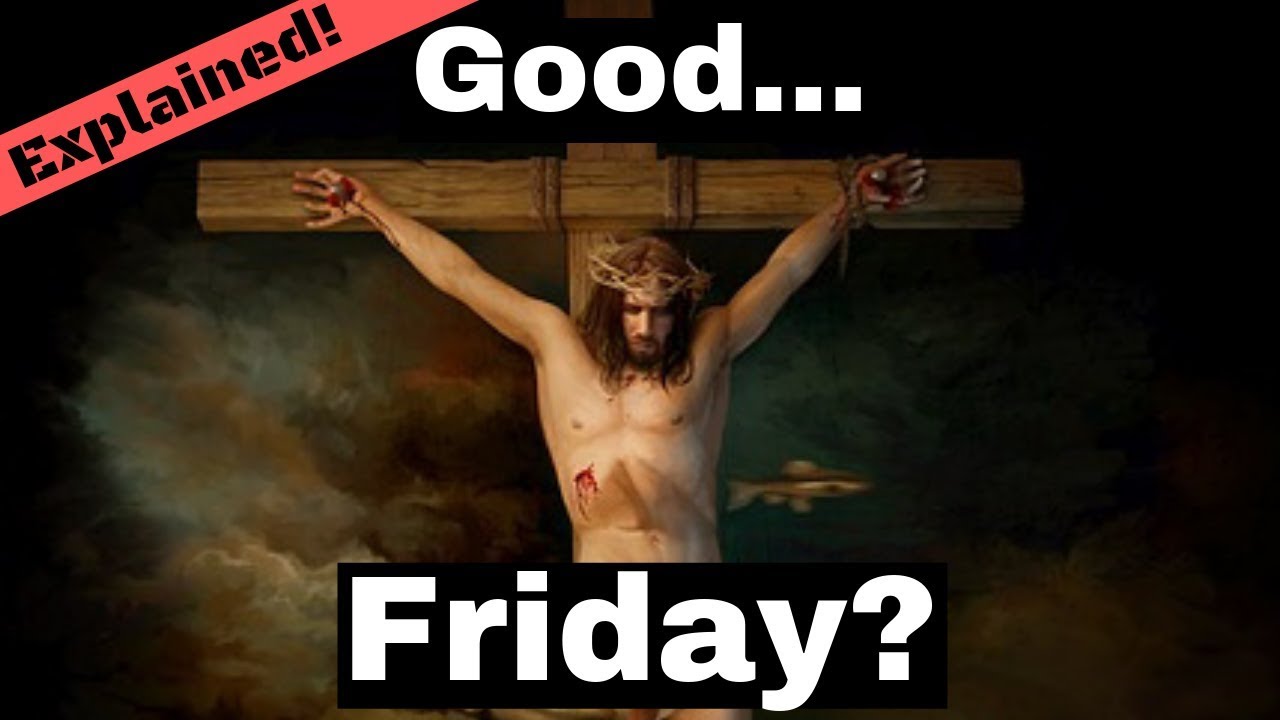
Have you ever paused to think about the name “Good Friday”? It’s a day that commemorates one of the most somber and brutal events in human history: the crucifixion and death of Jesus Christ. The name seems like a profound contradiction. How can a day filled with such suffering, injustice, and sorrow be called “good”? This intriguing question invites us to delve into the deep historical, linguistic, and theological roots of this pivotal day in the Christian faith.
Understanding why it is called Good Friday isn’t just about solving a linguistic puzzle. It’s about grasping the very heart of the Gospel message—a message of sacrificial love, ultimate hope, and the unwavering belief that God can bring the greatest good out of the deepest darkness. For us here at oracioncristiana.org, exploring such timeless truths strengthens our faith and illuminates our path. You are invited to uncover the 5 surprising facts that explain why the day Jesus died is called Good Friday.

1. The Etymological Origin: From “God’s Friday” to “Good Friday”
One of the most compelling and widely accepted theories is that the name we use today is an evolution of an older, more direct name. The term “Good Friday” is believed by many linguists and historians to be a corruption of the older term “God’s Friday,” much like “goodbye” is a contraction of “God be with ye.”
This linguistic evolution makes perfect sense:
- “God’s Friday”: This name would have directly signified that the day belonged to God, a day set apart to commemorate a sacred and divine event.
- Linguistic Shift: Over centuries, as languages evolve, pronunciations and spellings shift. It is plausible that “God’s Friday” simply morphed into the phonetically similar “Good Friday.”
- “Good” as “Holy”: Additionally, in Old English, the word “good” could also mean “holy” or “pious.” Therefore, “Good Friday” could have originally meant “Holy Friday,” a name that perfectly aligns with its sacred significance.
This origin story removes the paradox. The day isn’t “good” in the sense of being pleasant or happy; it’s “good” because it is God’s own, holy day. It’s like an ancient, sacred title that, over time, has been slightly altered, but whose original, profound meaning is still discoverable. You can find more on the etymology of the term from sources like Encyclopedia Britannica.
2. The Theological “Good”: The Ultimate Act of Redemption
Beyond its linguistic roots, the primary reason the day is considered “good” is theological, rooted in the profound outcome of Jesus’s sacrifice. For Christians, Good Friday is “good” because it is the day that Jesus Christ performed the ultimate “good” work for humanity: His sacrificial death on the cross, which brought about the atonement for sin and the redemption of the world.
This is the very heart of the Christian Gospel. Jesus’s death was not a tragic accident or a defeat; it was the fulfillment of God’s divine plan to save humanity.
- Atonement for Sin: His death is seen as the perfect sacrifice that paid the penalty for human sin, reconciling a holy God with a sinful humanity.
- Demonstration of Love: It is the supreme demonstration of God’s boundless love. As Romans 5:8 says, “But God demonstrates his own love for us in this: While we were still sinners, Christ died for us.”
- The Path to Resurrection: The suffering and death of Good Friday were the necessary prelude to the glorious victory of the Resurrection on Easter Sunday. Without the death, there could be no new life.
The day is “good” because of what it accomplished for us. It’s like a painful, life-saving surgery; the procedure itself is agonizing, but it is called “good” because it removes a fatal disease and restores health and life. The meaning of Good Friday is found in its redemptive outcome.
3. The Fulfillment of Prophecy: God’s Sovereign Plan
The events of Good Friday were not a random occurrence; they were the stunning culmination of centuries of divine prophecy. Good Friday is considered “good” because it marks the moment when Jesus Christ perfectly fulfilled numerous Old Testament prophecies concerning the suffering, death, and atoning work of the Messiah.
This fulfillment demonstrates that the crucifixion was not a tragedy that caught God by surprise, but was part of His sovereign and intricate plan, foretold long before.
- The Suffering Servant: The entire chapter of Isaiah 53 vividly describes a “suffering servant” who would be “pierced for our transgressions” and “crushed for our iniquities,” a prophecy perfectly fulfilled in Jesus.
- Psalm 22: This psalm, which Jesus quoted from the cross (“My God, my God, why have you forsaken me?”), stunningly predicts the details of the crucifixion, including the mocking, the piercing of hands and feet, and the casting of lots for His clothes.
- The Passover Lamb: Jesus’s death during the Passover festival fulfilled the symbolism of the Passover lamb, whose blood saved the Israelites from death in Egypt. Jesus is the ultimate “Lamb of God, who takes away the sin of the world” (John 1:29).
The fulfillment of these ancient prophecies is a powerful testament to the divine orchestration of events. It’s like watching a master playwright bring every piece of foreshadowing and every character arc to a perfect, dramatic conclusion. This divine authorship is a key reason the day is considered “good.”
4. A Call to a “Good” Life: The Moral Imperative
The commemoration of Good Friday is not meant to be a passive remembrance; it is an active call to transformation. Good Friday is “good” because it serves as the ultimate moral and spiritual inspiration for Christians, calling them to live a “good” life of self-sacrifice, forgiveness, and love in response to Christ’s example.
Jesus’s actions on the cross provide the ultimate blueprint for Christian ethics:
- Sacrificial Love: His willingness to die for others is the ultimate model of selfless love. “Greater love has no one than this: to lay down one’s life for one’s friends” (John 15:13).
- Radical Forgiveness: His prayer from the cross, “Father, forgive them, for they do not know what they are doing” (Luke 23:34), is a powerful call for us to forgive those who have wronged us.
- Humility and Obedience: His submission to the Father’s will, even unto death, is the ultimate example of humility and obedience.
5. The Inevitable Link to Easter: The Victory That Follows
Finally, it is impossible to understand the “goodness” of Good Friday without seeing it in the context of what comes next. Good Friday is ultimately called “Good” because it is inextricably linked to the joyous victory of Easter Sunday. The sorrow of the crucifixion is temporary and gives way to the eternal hope and triumph of the Resurrection.
The two events are two acts of the same divine drama.
- No Easter without Good Friday: The glory of the Resurrection is only possible because of the sacrifice of the crucifixion.
- Hope in the Darkness: The darkness of Good Friday is never the end of the story. It is the necessary darkness before the dawn of Easter morning.
- Life from Death: The narrative powerfully demonstrates the Christian belief that life can come from death, and hope can be born from despair.
The day is “good” because we know how the story ends. It’s like watching a suspenseful movie where the hero seems to be defeated, but you know that in the final scene, they will rise victorious. This ultimate hope of resurrection is what allows Christians to see the profound “good” in the tragic events of Good Friday. This powerful connection is a cornerstone of Christian faith. You can read more about the historical context of these events from sources like History.com.
What Does the “Good” in Good Friday Mean for You?
The question of why is it called Good Friday when Jesus died unveils a rich tapestry of linguistic history, profound theology, and deep spiritual meaning. It’s a day that is “good” because of its divine origin, its redemptive outcome, its prophetic fulfillment, its moral inspiration, and its ultimate promise of resurrection.
May this understanding deepen your appreciation for this most solemn and sacred day, and inspire you to embrace the profound hope that shines even in its darkest moments. What an incredible testament to a God who transforms the greatest tragedy into the ultimate victory!
Now, your thoughts are welcome. The comments section is open!
→ Which of these 5 surprising facts about the name “Good Friday” resonated most deeply with your understanding or surprised you the most?
→ How does understanding the “goodness” of this day in terms of its redemptive outcome impact how you approach the sorrow of the crucifixion?
→ What’s one practical way you feel inspired to live out the “goodness” of Good Friday (e.g., through an act of forgiveness or sacrifice) in your own life?
Sharing insights can encourage one another in our oracioncristiana.org community, as we reflect on the profound mystery of our faith!
