Portobello mushroom recipe: 5 simple steps and practical tips
Portobello mushroom recipe: the ultimate guide
If you’re looking for a reliable, flavour-packed portobello mushroom recipe that works on a busy weeknight and still feels special enough for guests, you’re in the right place. Below you’ll find an easy base method, clever variations, and practical tips on buying, prepping and cooking, so you can make the most of these meaty, versatile mushrooms every time.
A good portobello mushroom recipe can serve many roles: an elegant starter, a hearty vegetarian main, a burger alternative, or a side that steals the show. Because portobellos carry bold flavours without becoming heavy, they’re ideal for grilling, roasting or pan-searing, and they pair beautifully with everything from balsamic and garlic to miso, chimichurri and pesto.
What is a portobello mushroom?
Portobellos are mature cremini mushrooms (also called chestnut or baby bella), allowed to grow until their caps open wide and flat. That extra maturity concentrates flavour and gives a dense, satisfying bite that stands up to robust seasonings. You might see them spelled portobello or portabella; both are widely used.
Flavour and texture
Expect an earthy, savoury profile with gentle sweetness and a deep umami base. The texture is pleasantly firm when cooked properly—think tender yet slightly chewy, a quality that makes a portobello mushroom recipe particularly appealing to those looking for a meat-free centrepiece.


Nutrition at a glance
Portobellos are low in calories and fat, and provide fibre, B vitamins and minerals like selenium and potassium. When you base a meal around a portobello mushroom recipe, you can keep it light yet filling; add grains, beans, or dairy-free protein on the side to round things out if you’re eating plant-based.
Core portobello mushroom recipe (roasted caps)
This is the foundational portobello mushroom recipe you can use on its own or as a springboard for countless variations. It emphasises balanced seasoning, moisture control and correct timing for a juicy result without sogginess.
Ingredients (serves 2 as a main, 4 as a side)
- 4 large portobello mushrooms, stems trimmed, gills optional to scrape
- 2 tbsp extra-virgin olive oil
- 1 tbsp balsamic vinegar
- 2 garlic cloves, finely grated or minced
- 1 tsp fresh thyme leaves (or 1/2 tsp dried)
- 1/2 tsp fine sea salt, plus more to taste
- 1/4 tsp freshly ground black pepper
Method
- Preheat the oven to 200°C (fan 180°C) or Gas Mark 6. Line a tray with baking parchment for easier clean-up.
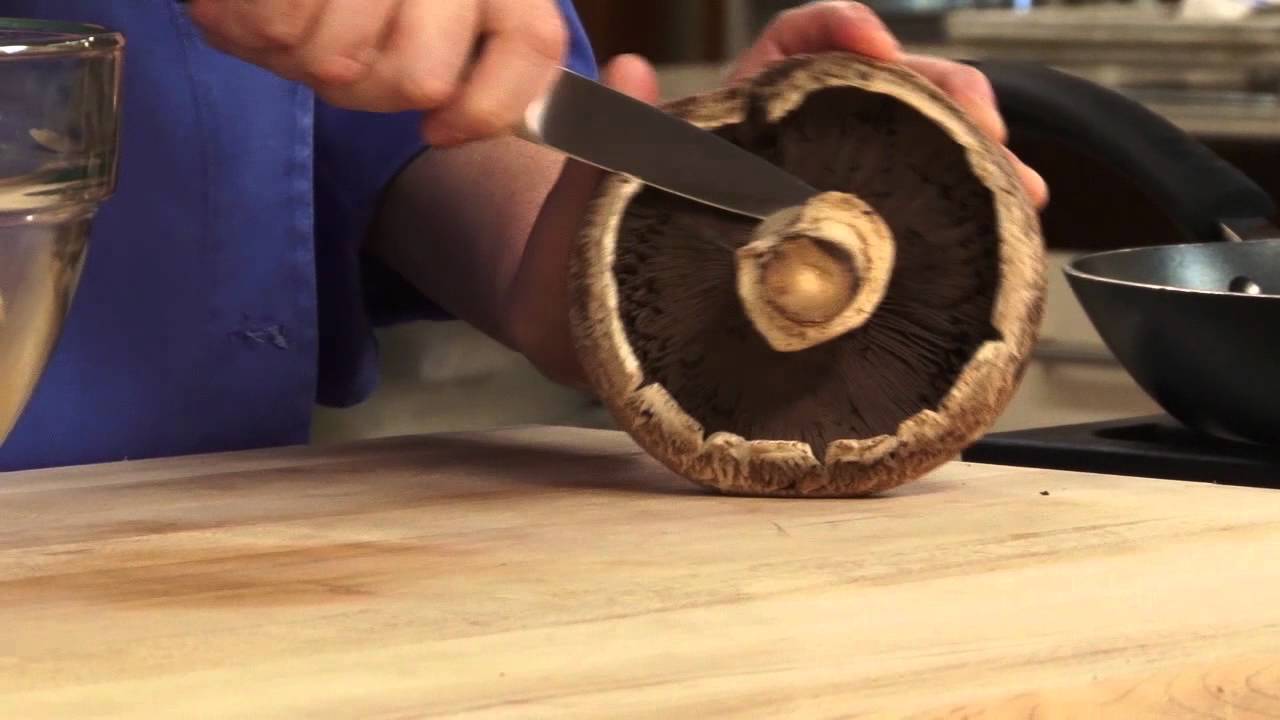
- Clean the mushrooms by brushing off debris with a soft brush or damp kitchen towel. Avoid soaking—excess water can make them steam rather than roast. If you prefer a milder flavour and neater presentation, gently scrape out the dark gills with a spoon.
- In a small bowl, whisk olive oil, balsamic, garlic, thyme, salt and pepper.
- Place mushrooms gill-side up on the tray. Brush or spoon over about two-thirds of the marinade, letting it settle into the caps.
- Roast for 10 minutes, then flip, brush the tops with the remaining marinade, and roast 6–10 minutes more. You’re aiming for tender caps that release some juices yet still hold shape.
- Taste the juices, adjust salt and acidity, and serve immediately. For extra gloss, finish with a small drizzle of olive oil or a pat of plant-based butter.
Timing and doneness
Exact timing depends on cap thickness and moisture. Start checking at 16 minutes. Perfectly cooked mushrooms should be supple and succulent without weeping liquid onto the plate. If they’re soggy, you may have overcrowded the tray or roasted too low and slow; cook them a few minutes longer, or next time increase heat slightly and space them out more.
Variations and flavour profiles for your portobello mushroom recipe
Once you’ve mastered the base, you can adapt your portobello mushroom recipe to suit any cuisine or occasion. Use the same roasting method, swapping in the flavourings below:
- Garlic-herb lemon: Add zest of 1 lemon, 1 tbsp lemon juice, 1 tsp chopped rosemary and parsley. Serve with a squeeze of fresh lemon.
- Smoky barbecue: Mix 1 tbsp barbecue sauce, 1 tsp smoked paprika, 1 tsp maple syrup and 1 tsp apple cider vinegar into the oil. Great for burgers or alongside grilled corn.
- Miso-sesame: Whisk 1 tsp white miso, 1 tsp toasted sesame oil, 1 tsp rice vinegar and 1 tsp soy sauce into 1 tbsp olive oil. Scatter spring onion and sesame seeds after roasting.
- Chimichurri: Top hot mushrooms with a spoonful of chopped parsley, oregano, garlic, chilli flakes, olive oil and red wine vinegar.
- Pesto-parmesan: Brush with 1–2 tbsp basil pesto and finish with finely grated Parmesan (or vegan alternative) in the last 2 minutes of roasting.
- Chilli-lime: Add 1 tsp chilli flakes, zest of 1 lime and a squeeze of lime juice; serve with coriander and avocado.
Portobello mushroom burger recipe
A burger-focused portobello mushroom recipe needs bold seasoning and good texture contrast. Use the base marinade, then assemble as below.
- Roast or grill 1 large cap per burger until tender and lightly caramelised.
- Toast buns; smear with aioli or vegan mayo, add crisp lettuce, tomato, red onion and pickles.
- Layer the mushroom, a slice of cheddar or plant-based cheese (melt briefly under the grill), and a spoon of barbecue sauce or salsa verde.
- Serve with sweet potato chips or a crunchy slaw for balance.
Tip: For a burger-style portobello mushroom recipe that doesn’t leak, rest the caps on kitchen paper for 1–2 minutes after cooking to catch excess juice before assembling.
Stuffed portobello mushroom recipe
This portobello mushroom recipe turns the cap into a built-in bowl. It’s handy for make-ahead dinners and can be adapted to many diets.
Spinach, ricotta and pine nut stuffing
- 4 portobello caps, brushed clean and gills scraped (optional)
- 1 tbsp olive oil, plus extra for drizzling
- 1 small onion, finely diced
- 2 garlic cloves, minced
- 150 g spinach, wilted and squeezed dry, chopped
- 200 g ricotta
- 30 g Parmesan, grated (or vegetarian hard cheese)
- 25 g pine nuts, toasted
- Salt, pepper and a pinch of nutmeg
- Heat oven to 200°C (fan 180°C) or Gas Mark 6. Sauté onion in oil until soft; add garlic for 30 seconds.
- Combine onion-garlic with spinach, ricotta, Parmesan and pine nuts; season with salt, pepper and nutmeg.
- Brush the caps with oil, season lightly, and mound in the filling. Drizzle a little oil on top.
- Bake 15–20 minutes until hot through and lightly golden. Finish with lemon zest or fresh herbs.
Vegan switch: Replace ricotta with a mix of crushed cannellini beans and dairy-free cream cheese; swap Parmesan for nutritional yeast. This variation keeps the spirit of a stuffed portobello mushroom recipe while staying fully plant-based.
Pan-seared or grilled portobello mushrooms
For speed, pan-searing delivers a beautifully browned exterior. Heat a wide frying pan over medium-high, add a thin film of olive oil, and cook caps for 3–4 minutes per side, seasoning as you go. Don’t crowd the pan—browning beats steaming. For grilling, brush with oil and cook over medium heat, 4–5 minutes per side, basting with marinade. Either method works brilliantly for a quick portobello mushroom recipe on a weeknight.
Serving ideas and sides
- Grains: Lemon couscous, herbed bulgur, wild rice or barley salad.
- Vegetables: Charred tenderstem broccoli, roasted peppers, or a crisp fennel-and-apple slaw.
- Sauces: Tahini-lemon dressing, yoghurt-garlic sauce, salsa verde, romesco or harissa yoghurt.
- Carbs: Creamy mash, polenta, toasted sourdough or flatbreads.
Pairing a portobello mushroom recipe with vibrant sides makes the meal feel more complete, particularly when serving to mixed dietary preferences.
Buying, cleaning and prep tips
- Choosing: Look for smooth, firm caps with minimal blemishes. Slight dryness at the edges is fine; avoid slimy mushrooms.
- Storage: Keep in a paper bag in the fridge and use within 3–4 days. Paper helps prevent condensation and sliminess.
- Cleaning: Brush or wipe rather than soak. If you rinse, do it quickly and pat dry thoroughly.
- Gills: Scrape if you want a milder flavour or cleaner look in a cream or white sauce. For robust recipes, keeping the gills boosts umami.
Common mistakes and how to avoid them
- Overcrowding: Mushrooms release moisture; crowding leads to steaming. Use a roomy tray or cook in batches.
- Too cool an oven: Low heat can make them soggy. Aim for 200°C (fan 180°C) or a hot grill/pan to encourage browning.
- Under-seasoning: Mushrooms love salt and acid. Taste their juices and adjust vinegar or lemon at the end.
- Skipping the rest: For burger builds, a 1–2 minute rest reduces drips and soggy buns.
- One-note flavours: Balance umami with freshness—herbs, citrus and crunch bring a portobello mushroom recipe to life.
Make-ahead, storage and reheating
Marinated caps keep well for 24 hours in the fridge; bring to room temperature before cooking. Cooked mushrooms store for up to 3 days in an airtight container. Reheat in a hot pan or 200°C oven for 5–7 minutes to revive their texture—microwaving is quick but can soften them further.
Stuffed mushrooms can be assembled a day ahead, then baked straight from the fridge, adding a couple of extra minutes to the timing. This flexibility makes a stuffed portobello mushroom recipe ideal for entertaining.
Menu planning and dietary swaps
- Gluten-free: Most marinades are naturally GF; just ensure sauces (soy, barbecue) are certified GF.
- Dairy-free/vegan: Use olive oil, miso, tahini, chimichurri or pesto made without cheese. For creaminess, try cashew cream or dairy-free yoghurt dressings.
- High-protein sides: Add quinoa, puy lentils, chickpeas or tofu. A balanced portobello mushroom recipe plus a bean salad makes a satisfying meal.
- Low-carb: Serve with leafy salads, spiralised courgettes or chargrilled vegetables.
Recommended external resources
- Background on portobello, cremini and button mushrooms (Agaricus bisporus)
- BBC Good Food guide to cooking mushrooms well
- Food Standards Agency advice on cooking food safely
- British Nutrition Foundation on vegetables and pulses
Related articles
Frequently asked questions about portobello mushroom recipe
Do I need to remove the gills?
No, it’s optional. Keeping gills deepens flavour and colour in a portobello mushroom recipe. Scrape them out if you prefer a cleaner look in white sauces or a subtler taste in delicate dishes.
How do I stop mushrooms from going soggy?
Use high heat, don’t overcrowd the tray or pan, and avoid over-marinating. Pat the mushrooms dry and give them space so moisture evaporates and browning can happen.
What’s the best oil for roasting?
Olive oil adds lovely flavour and works well up to the recommended temperatures. For grilling or very high heat, avocado or rapeseed oil also performs nicely.
Can I cook portobellos from frozen?
It’s best to cook fresh for optimum texture. If you do freeze cooked mushrooms, reheat from frozen in a hot oven so they steam less and re-crisp slightly.
Are portobellos healthy enough to be a main?
Yes. They’re low-calorie and nutrient-dense. Build your portobello mushroom recipe into a balanced plate by adding protein (beans, lentils, tofu), whole grains, and colourful vegetables.
How long should I marinate them?
15–30 minutes is plenty. Mushrooms absorb flavours quickly. Extended marinating can make them waterlogged; instead, brush during cooking for layers of flavour.
Can I use the stems?
Absolutely. Finely chop stems and sauté with the aromatics in a stuffing or add to a grain salad. They carry the same savoury flavour as the caps.
Conclusion on portobello mushroom recipe
A dependable portobello mushroom recipe balances heat, seasoning and moisture. Whether you roast, grill or pan-sear, the essentials remain the same: dry the caps well, don’t crowd the pan, season boldly and finish with a hit of freshness like lemon or herbs.
Once you’ve mastered the base method, you can pivot to a portobello mushroom burger recipe for a satisfying handheld meal, or a stuffed portobello mushroom recipe for an effortless yet elegant main. With a few pantry staples and smart pairings, these mushrooms can anchor everything from casual lunches to dinner parties.
Portobellos reward creativity. Use global flavours—miso-sesame, chimichurri, pesto, smoky barbecue—to keep your portobello mushroom recipe fresh and exciting week after week. With the tips above, you’ll get succulent results and rich, savoury depth every time.
