Egg nog ice cream recipe: essential, simple 5-step guide
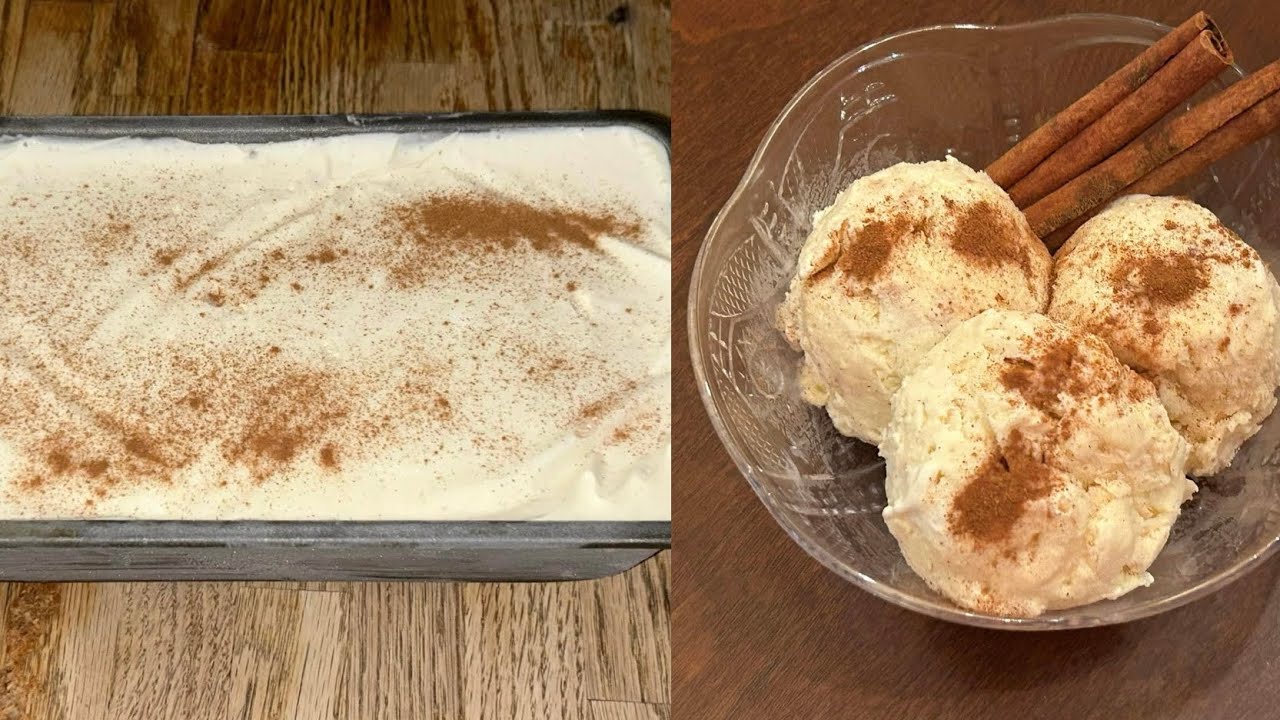
Egg nog ice cream recipe
If you love the cosy, spiced richness of traditional eggnog and the indulgent creaminess of gelato, this egg nog ice cream recipe brings the best of both worlds to your dessert table. It’s perfect for festive gatherings, a quiet evening by the tree, or any time you fancy a wintry treat. In this guide to egg nog ice cream recipe, you’ll find a clear step-by-step method (both with and without an ice-cream machine), tips for safer preparation, ideas for serving and storing, and clever variations to suit your tastes and dietary needs.
Eggnog is a classic seasonal drink made with eggs, dairy, sugar, warming spices and—optionally—a splash of alcohol. Spinning these flavours into ice cream creates a luxurious frozen custard with a silky texture and a gentle hum of nutmeg. Whether you prefer alcohol-free or a more grown-up finish, this egg nog ice cream recipe can be tailored easily to your preferences.
What makes an egg nog ice cream recipe special?
Two words: flavour and texture. A well-made egg nog ice cream recipe delivers a custard base enriched with egg yolks and double cream, balanced by milk for scoopability. Classic spices—freshly grated nutmeg and a whisper of cinnamon—evoke that unmistakable yuletide aroma. Vanilla deepens the profile, while a pinch of salt sharpens every note. If you introduce a measured amount of rum, bourbon or brandy, you’ll get a sophisticated lift and softer scoops, thanks to alcohol’s effect on freezing point.
The result is festive but versatile: serve it solo, with mince pies, over warm apple crumble, or as the centrepiece of a sundae with ginger biscuits. The best egg nog ice cream recipe is one you can repeat with confidence, adjusting sweetness, spice and alcohol to suit your guests.


Ingredients and equipment for your egg nog ice cream recipe
The list below gives you a classic churned custard base. It’s rich yet balanced, with a smooth mouthfeel and that quintessential eggnog character.
- Whole milk: 400 ml
- Double cream: 300 ml
- Egg yolks: 6 large (British Lion or pasteurised, see safety notes below)
- Caster sugar: 150 g (adjust to taste; see tips)
- Vanilla: 2 tsp extract or 1 vanilla pod (split and scraped)
- Freshly grated nutmeg: 1 to 1.5 tsp (start with 1 tsp and adjust)
- Ground cinnamon: 1/4 tsp (optional but recommended)
- Fine sea salt: a generous pinch
- Optional alcohol: 2–4 tbsp dark rum, bourbon or brandy
Equipment:
- Medium saucepan and whisk
- Heatproof bowl and fine-mesh sieve
- Instant-read thermometer (helpful but not essential)
- Ice bath setup (large bowl with ice and water)
- Ice-cream maker (for churned version) or loaf tin (for no-churn)
- Freezer-safe container with lid
Step-by-step egg nog ice cream recipe (churned, custard base)
1) Infuse the dairy
Combine the milk, half of the double cream (150 ml), vanilla, nutmeg, cinnamon and salt in a saucepan. Warm over medium heat until steaming, not boiling. Turn off the heat, cover, and let it infuse for 15–20 minutes. This gives your egg nog ice cream recipe its aromatic backbone without scorching the spices.
2) Whisk the yolks and sugar
In a heatproof bowl, whisk the egg yolks with the caster sugar until slightly paler and thickened (about 60–90 seconds by hand). This creates a stable base that will emulsify with the hot dairy.
3) Temper the eggs
Re-warm the spiced milk to just below a simmer. Slowly pour around one-third of the hot liquid into the yolk mixture, whisking constantly. This “tempers” the eggs, preventing them from scrambling. Once combined, pour everything back into the saucepan.
4) Cook the custard
Cook over low to medium-low heat, stirring constantly with a heatproof spatula in a gentle figure-of-eight. Aim for 77–82°C. The custard is ready when it coats the back of a spoon and a clean line holds when you run a finger through it. Do not let it boil. If it’s your first egg nog ice cream recipe, keep the heat conservative; patience is key to a smooth custard.
5) Strain, chill, and add remaining cream
Strain the custard through a fine sieve into a clean bowl to remove any tiny eggy bits. Stir in the remaining 150 ml cream. Nestle the bowl in an ice bath, stirring occasionally until cool. Cover and chill the base in the fridge for at least 4 hours, preferably overnight. A properly chilled base means better texture and larger, softer fat crystals when you churn—critical for a plush finish.
6) Add alcohol (optional) and churn
If using alcohol, whisk in 2–4 tablespoons just before churning. Start with 2 tablespoons; you can add more in future batches if you’d like a stronger note. Churn the custard in your ice-cream maker according to the manufacturer’s instructions, usually 18–25 minutes, until it reaches a thick, soft-serve consistency.
7) Ripen in the freezer
Transfer to a lidded container and press a piece of baking paper directly onto the surface to minimise ice crystals. Freeze for 3–4 hours before serving. This “ripening” step gives your egg nog ice cream recipe a scoopable but firm texture.
No-churn egg nog ice cream recipe (without an ice-cream maker)
No machine? You can still enjoy the flavours of this seasonal classic. A no-churn egg nog ice cream recipe relies on whipped cream and condensed milk for body and sweetness.
Ingredients (no-churn)
- Sweetened condensed milk: 397 g (one standard tin)
- Double cream: 600 ml
- Vanilla: 2 tsp extract
- Freshly grated nutmeg: 1 to 1.5 tsp
- Ground cinnamon: 1/4 tsp
- Fine sea salt: a pinch
- Optional: 2–3 tbsp rum, bourbon or brandy
Method (no-churn)
- In a large bowl, whisk the double cream to soft peaks.
- In a separate bowl, combine condensed milk, vanilla, nutmeg, cinnamon and salt. Stir in the alcohol if using.
- Fold the spiced condensed milk gently into the whipped cream until no streaks remain.
- Scrape into a loaf tin or lidded container. Cover and freeze for at least 6 hours, preferably overnight. There’s no churning needed, making this egg nog ice cream recipe the simplest route to festive scoops.
Alcohol or alcohol-free: choosing what suits you
Alcohol brings two benefits: flavour and softer scoopability (it lowers freezing point). However, too much can prevent the ice cream from setting properly. For a balanced egg nog ice cream recipe, keep alcohol between 2 and 4 tablespoons per batch of roughly 1 litre. If you prefer alcohol-free, consider a teaspoon of rum extract or a dash of vanilla plus a pinch more nutmeg for a bolder profile.
Flavour variations and serving ideas
Once you’ve mastered the base egg nog ice cream recipe, get creative:
- Nutmeg-forward: Add an extra 1/4 tsp nutmeg and a pinch more salt.
- Gingerbread ripple: Swirl through a quick ginger syrup or crushed ginger biscuits in the last minute of churning.
- Toasted nut crunch: Fold in chopped, lightly caramelised pecans or walnuts.
- Chocolate streaks: Drizzle in warm, melted dark chocolate as the machine finishes churning for fine stracciatella shards.
- Espresso twist: Add 1–2 tsp instant espresso powder to the dairy when infusing.
Serving suggestions:
- With warm mince pies or Christmas pudding to contrast cold and hot.
- As an affogato: a scoop topped with a shot of espresso (or decaf).
- Between spiced biscuits to make festive ice-cream sandwiches.
- With caramel sauce and roasted pears for an elegant dessert.
Troubleshooting your egg nog ice cream recipe
My custard curdled or turned grainy
This usually means the heat was too high or the mix boiled. Don’t panic: immediately remove from heat and whisk vigorously, then strain. A stick blender can smooth minor graininess. Next time, cook more gently and use a thermometer to stay within 77–82°C.
The ice cream is too icy
Ice crystals form when the base isn’t cold enough, the churn is insufficient, or your freezer fluctuates. Chill the base thoroughly (overnight is ideal) and ensure your machine’s bowl is fully frozen. Add a tablespoon or two of alcohol (if suitable) to soften texture, or increase fat slightly (a little extra cream) to improve mouthfeel.
It’s too soft and won’t set
You may have added too much alcohol or too little fat. Keep alcohol moderate and check that your dairy ratios match the recipe. For the no-churn method, make sure the cream is whipped to soft peaks before folding.
It tastes too sweet (or not sweet enough)
Freezing dulls sweetness, so the base should taste slightly sweeter than you want the finished ice cream. Adjust sugar by 10–15% next time. For a quick fix, serve with unsweetened toppings (e.g., lightly whipped cream or bitter chocolate) if it’s too sweet, or with a caramel drizzle if not sweet enough.
It tastes overly eggy
Use fresh eggs and avoid overheating. Balance with a touch more vanilla, nutmeg, or a tablespoon of rum (if using alcohol) to round the flavour. In future, try one fewer yolk and add a little extra cream to maintain body.
Make-ahead, storage and food safety
Homemade ice cream is best within 1–2 weeks. Store your egg nog ice cream recipe in a shallow, airtight container with baking paper pressed onto the surface to minimise ice crystals. For easier scooping, let the tub stand at room temperature for 5–10 minutes or warm the scoop in hot water.
Food safety: this recipe uses a cooked custard, which significantly reduces risk. If you ever prefer an uncooked base, use pasteurised eggs or British Lion-marked eggs and follow current guidance for vulnerable groups. For UK advice, see the Food Standards Agency’s guidance on eggs and food poisoning. Alcohol does not make raw eggs safe, so always handle eggs with care and keep everything scrupulously clean and cold.
Nutrition and substitutions
This is a celebratory dessert—rich and satisfying. You can adjust richness by using more milk and less cream, though texture may become firmer and slightly icier. If you’re looking for alternatives:
- Lower lactose: lactose-free milk and cream generally work well.
- Dairy-free: full-fat coconut milk plus coconut cream can make a luscious base. Use 6 yolks or consider a plant-thickened base (e.g., with cornflour) if avoiding eggs.
- Egg-free: the flavour will move away from classic eggnog, but you can mimic body with a cooked cornflour-thickened “pudding” base and boost spice (nutmeg, vanilla) for that seasonal note.
A little festive context for your table
Eggnog is often associated with winter feasts and family gatherings. If you enjoy exploring the origins and traditions of seasonal celebrations that inspire dishes like this, you may appreciate reading about the origins of Easter traditions and how different communities mark springtime festivals, as well as how faith and culture intersect in holiday calendars—see do Jewish people celebrate Easter? Understanding festive customs can make your egg nog ice cream recipe feel even more connected to the season.
Recommended external resources
- Background and history of eggnog for a deeper dive into the drink that inspires this ice cream.
- Food Standards Agency guidance on eggs and safety to help you make informed choices, especially for vulnerable guests.
- Practical science of ice-cream making for tips on texture, churning, and avoiding ice crystals.
- BBC Good Food’s eggnog guide to compare flavours and techniques for classic eggnog you can also sip alongside dessert.
Frequently asked questions about egg nog ice cream recipe
Can I make egg nog ice cream recipe without alcohol?
Absolutely. Simply omit the alcohol and consider an extra pinch of nutmeg or a teaspoon of rum extract for depth. The ice cream may set a little firmer without alcohol, so allow 5–10 minutes at room temperature before scooping.
What is the ideal nutmeg level for egg nog ice cream?
Start with 1 teaspoon of freshly grated nutmeg for the batch size in this guide. Taste the chilled base and add up to 1/2 teaspoon more before churning if you want a bolder spice. Freshly grated nutmeg is notably more aromatic than pre-ground.
How do I avoid icy texture in egg nog ice cream recipe?
Chill your base thoroughly (overnight is best), use sufficient fat (milk plus double cream), and churn in a fully frozen machine bowl. Keep your freezer cold and stable, cover the surface of the ice cream with baking paper, and store in a shallow container for faster freezing.
Is it safe to use raw eggs?
This recipe cooks the custard to a safe temperature. If you prefer an uncooked approach, stick to pasteurised eggs or Lion-marked eggs and follow current safety advice from reputable sources like the UK Food Standards Agency. Remember that alcohol is not a substitute for safe handling.
Can I reduce the sugar?
Yes, but do so modestly. Sugar helps control texture and softness. Reducing by about 10% usually works without compromising scoopability. If you cut more, expect a firmer, icier result.
What’s the best way to serve egg nog ice cream recipe for guests?
Bring the tub out 5–10 minutes before serving. Offer simple accompaniments: crushed ginger biscuits, shaved dark chocolate, a light caramel or rum sauce (if using alcohol). For a dinner party, pair scoops with roasted fruit or a just-baked pudding.
Conclusion on egg nog ice cream recipe
From first infusion to final scoop, this egg nog ice cream recipe captures the spirit of the season: aromatic, creamy, and wonderfully comforting. Whether you follow the classic churned custard or the easy no-churn method, you’ll find the process approachable and the results impressive. Adjust the spice, sweetness and alcohol to suit your table, and you’ll have a signature festive dessert you’ll want to make every year.
Remember the fundamentals—gently cooked custard, thorough chilling, careful churning—and your egg nog ice cream recipe will reward you with a silky texture and deep, warming flavour. With thoughtful make-ahead planning, safe handling, and a few creative serving ideas, you can turn a humble bowl of ice cream into a dazzling centrepiece for winter feasts.
Most importantly, enjoy the process. Each batch teaches you something about balance and taste. Once you’ve nailed your preferred spice blend and sweetness, this egg nog ice cream recipe will become a cherished part of your festive repertoire.
