Jesus on Donkey Palm Sunday: 7 Inspiring Lessons to Learn
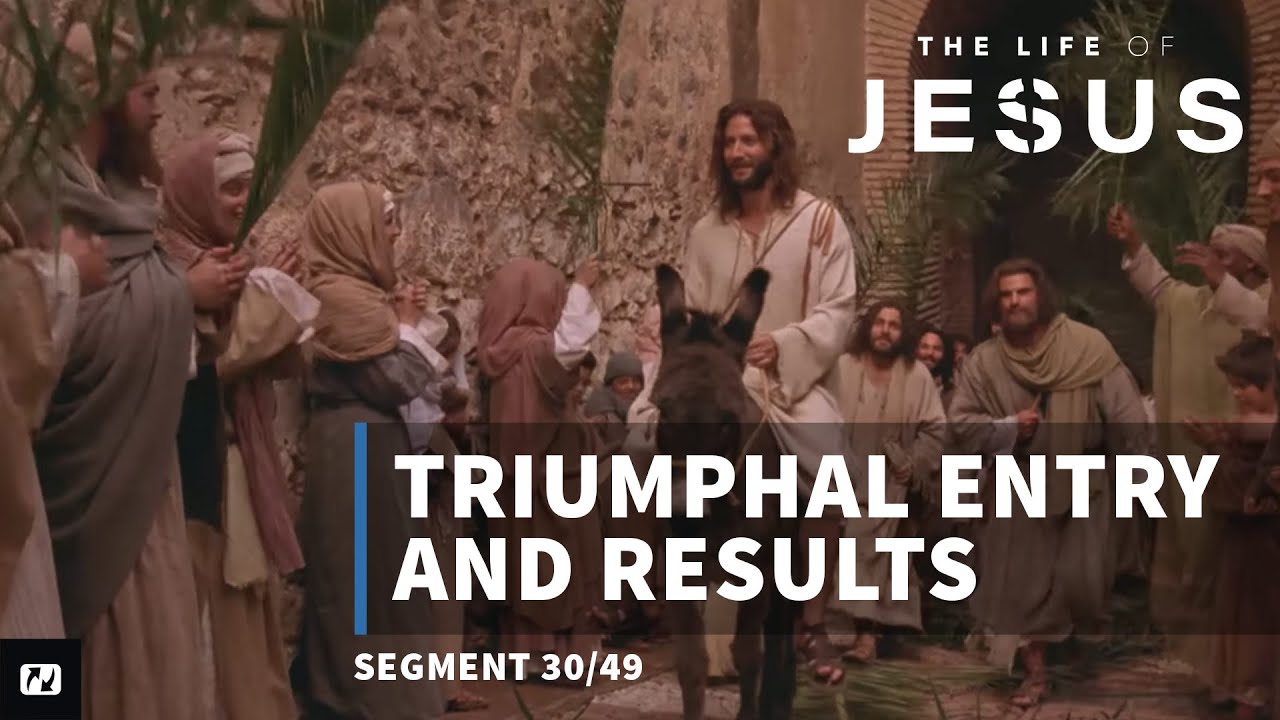
Jesus on Donkey Palm Sunday: A Symbol of Humility and Kingship
Jesus on Donkey Palm Sunday: A Symbol of Humility and Kingship
Have you ever wondered why Jesus on donkey Palm Sunday is celebrated with such reverence? 🌿 The answer lies in the rich symbolism and deep traditions associated with this remarkable event in Christian belief. Discover how this momentous occasion showcases the profound themes of humility and kingship, offering insights that resonate even today.
The Historical Context of Palm Sunday
To fully appreciate the significance of Jesus on a donkey on Palm Sunday, it’s essential to understand its historical context. Palm Sunday marks the beginning of Holy Week, leading up to Easter Sunday, when Christians commemorate the resurrection of Jesus.
The Prophecy and Fulfillment
In the Old Testament, the prophet Zechariah foretold the arrival of a king who would come to Jerusalem humble and riding on a donkey (Zechariah 9:9). This prophecy was fulfilled when Jesus made his triumphal entry into Jerusalem, symbolizing peace rather than war. Unlike traditional kings, who showcased their power through war horses, Jesus chose a humble donkey, emphasizing his message of peace.
The Significance of the Donkey
The choice of a donkey for Jesus’ entry into Jerusalem is packed with meaning. Donkeys have long been symbols of humility and service in various cultures. By riding one, Jesus illustrated that his reign was not about dominance but about serving others and bringing peace.


Understanding the Crowd’s Reaction
The crowd’s enthusiastic welcome, waving palm branches and shouting “Hosanna,” reflected their belief that Jesus was the long-awaited Messiah. However, their expectation of a militaristic savior contrasted sharply with Jesus’ actual mission, which was rooted in love and sacrifice.
Church Traditions Around Palm Sunday
Many churches worldwide celebrate Palm Sunday with various traditions. These rituals not only honor the story of Jesus’ entry but also engage congregants in deeper reflections on faith and commitment.
Processions and Blessings
Most commonly, churches hold processions where congregants carry palm branches, symbolizing the same gestures made by the people who welcomed Jesus. These processions create a powerful communal atmosphere, reminding participants of the unity and joy experienced during that first Palm Sunday.
The Use of Palms in Worship
Palms are often blessed during services, and many congregants take them home to display as symbols of faith. This practice connects them to the event and serves as a physical reminder of Jesus’ message throughout the week leading up to Easter.
Complementary Spiritual Practices for Palm Sunday
To enhance your experience of Jesus on donkey Palm Sunday, consider incorporating these complementary spiritual practices into your observance:
- Read the biblical accounts of Palm Sunday in Matthew, Mark, and Luke to gain a fuller perspective.
- Participate in community service to reflect Jesus’ message of servitude.
- Engage in personal reflection through prayer, asking for insights into how you can embody Jesus’ humility.
- Join a discussion group focused on the meaning of Palm Sunday and its relevance today.
How to Capture the Essence of Jesus on Donkey Palm Sunday
One effective way to deepen your connection with this event is through multimedia presentations. For example, using presentation software can allow you to create visual aids that illustrate the themes of Palm Sunday. The combination of visuals and narration engages viewers in a powerful way.
Using Complementary Tools to Enhance Understanding
By utilizing different tools alongside the study of Jesus on donkey Palm Sunday, you can enhance your understanding and engagement. Here are 10 clear ideas:
- Interactive Bible Apps: Apps like YouVersion not only provide various translations but also offer devotional plans and community sharing features to explore scripture related to Palm Sunday.
- Video Tutorials: Utilizing platforms like YouTube to find educational videos on the significance of Palm Sunday can enhance your grasp of the event.
- Social Media Discussions: Engaging in forums or social media discussions, particularly on platforms like Facebook, where communities come together to share insights about Palm Sunday.
- Local Church Activities: Check out upcoming events in your local church that focus on Palm Sunday observances, including youth activities designed to explore its meaning.
- Soundtrack for Reflection: Consider utilizing playlists available on music streaming services that feature hymns and songs about Jesus’ journey to create an atmosphere of contemplation.
- Artistic Expression: Exploring creative outlets such as painting or journaling, which can be themed around the lessons of Palm Sunday, providing deeper personal insights.
- Educational Workshops: Participate in church workshops focused on understanding the significance of Jesus’ entry into Jerusalem.
- Community Service Projects: Engage in volunteer work that embodies the themes of humility and service championed by Jesus.
- Prayer Groups: Form or join prayer groups that reflect on the core messages of humility and service from Jesus on this day.
Breakdown of Community Service Projects
- Foster Community Bonds: Engage with local charities that encourage fellowship and interaction among congregants.
- Direct Impact: Participate in projects that directly assist those in need, much like the service Jesus provided.
- Educational Awareness: Use your efforts to educate others about community needs and potential solutions.
- Personal Growth: Transform service experiences into opportunities for personal growth and spiritual reflection.
Exploring the Impact of Palm Sunday on Modern Society
As time passes, the celebration of Jesus on donkey Palm Sunday continues to have implications for both personal and communal faith. Churches around the world incorporate this event into their teachings, emphasizing its relevance in nurturing a faith that persists through challenges.
The Importance of Remembrance
Another vital aspect of this observance is the remembrance of Jesus’ ultimate sacrifice during Holy Week. Reflecting on his humility brings a powerful reminder of the calls to love and serve others, not with physical might but through compassionate action.
Using Reflective Practices
Consider incorporating reflective practices, such as journaling or creating vision boards that visualize the humility and service aspects of Jesus’ message. Tools like Canva can aid you in creating visually appealing reflections that can solidify your understanding and commitment to embodying these values.
Join the Global Celebration
Now, as we move closer to Palm Sunday, join the global community in honoring this significant date. As you reflect on Jesus on donkey Palm Sunday, remember the themes of humility and peace that transcend time and encourage you to embody these values in your everyday life.
What will you do this Palm Sunday to connect deeper with its meanings? Perhaps you’ll engage in a new tradition, or share your reflections with your community to spark meaningful conversations. But that’s not all; consider how using various complementary practices can bring richness to your observance.
Wrap-Up and Reflection
In exploring the significance of Jesus on donkey Palm Sunday, we are invited into a narrative of love, humility, and service. Combining these themes with various practices not only enhances our understanding but also equips us for practical living rooted in faith. As we celebrate this profound occasion, let us strive to reflect in our lives what Jesus exemplified on that momentous day.
Understanding the Significance of Palm Sunday in Christianity
🌿 Palm Sunday holds profound significance in the Christian tradition, marking the beginning of Holy Week. This day commemorates **Jesus’ triumphal entry into Jerusalem**, where he rode on a donkey, fulfilling ancient prophecies. This event is a vivid portrayal of humility and peace, set against the backdrop of political tension during Jesus’ time. But why is this moment so impactful, and how does it resonate with believers today?
On Palm Sunday, congregants often carry palm branches, symbolizing victory and restoration. These palms were used by the people of Jerusalem to welcome Jesus, acknowledging his role as the Messiah. Not only does Palm Sunday reflect the **messianic expectation** of the time, but it also sets the stage for the forthcoming events of Good Friday and Easter Sunday.
The Narrative of Jesus on the Donkey
In the biblical narrative, Jesus’ choice to ride a donkey is laden with meaning. Unlike a warhorse, which would symbolize power and conquest, the donkey represents peace and humility. This choice signifies that Jesus came not as a political ruler, but as a spiritual savior. The **Gospels of Matthew (21:1-11)**, Mark (11:1-11), Luke (19:28-40), and John (12:12-19) all recount this pivotal moment from slightly different perspectives, showcasing the multifaceted nature of his mission and message.
The Journey of Jesus into Jerusalem
Examining the events leading up to Palm Sunday reveals much about the context. As Jesus approached Jerusalem, **he was aware of the looming challenges ahead**. The crowds gathering for Passover ignited excitement, and their enthusiastic reception of Jesus was a moment of heightened hope. They shouted, “Hosanna!”—an expression of adoration and a plea for salvation. This joyous scene provides deep insights into the expectations placed upon Jesus by the people.
However, it’s essential to recognize the duality of this celebration. While many celebrated Jesus, others plotted against him, reflecting the division in public opinion about his identity and mission. The juxtaposition of joyful adulation with impending betrayal is a poignant narrative that unfolds during Holy Week.
The Historical Context of Palm Sunday
From a historical perspective, Palm Sunday is not merely a religious observance but a significant event in the social and political landscape of ancient Jerusalem. During this time, the Jewish population was under Roman rule, and the expectation of a Messiah who would liberate them was palpable. Jesus’ entry, then, was both a declaration of his identity and a challenge to the status quo. Scholars note that this moment was prophetic, echoing the words of Zechariah (9:9), which spoke of a king coming lowly, riding on a donkey.
Related Traditions and Celebrations
Across various Christian denominations, **Palm Sunday** is celebrated uniquely, yet the essence remains the same. Liturgical services often include the blessing of palm branches, which congregants can take home as a reminder of the day. In some traditions, processions reenact Jesus’ entry into Jerusalem, emphasizing community and shared faith. Congregations also focus on the readings from the Gospels, reflecting on the significance of Jesus’ journey toward crucifixion.
Modern Applications of Palm Sunday
In contemporary practice, Palm Sunday serves not only as a historical commemoration but also as an opportunity for reflection on one’s faith journey. Modern Christians might consider how they can embody the spirit of Jesus’ humility and service within their communities. By engaging in service-oriented activities, believers can connect the lessons of Palm Sunday to their everyday lives.
How to Incorporate Jesus on Donkey Palm Sunday into Personal Worship
Integrating the teachings of Jesus on donkey Palm Sunday into personal worship is simple and rewarding. Here are some practical ideas:
- Reflective Journaling: Create a journal to document your thoughts and prayers as you reflect on the significance of Jesus’ actions during Palm Sunday.
- Prayer Walks: Go for a walk, mimicking Jesus’ journey, and pray for peace and humility in your life and the lives of others.
- Bible Study Groups: Participate in or initiate a study group focused on the Gospel accounts of Palm Sunday.
- Community Service: Volunteer in your community, embodying the servant leadership demonstrated by Jesus.
Complementary Tools to Enhance Your Palm Sunday Experience
To enrich your understanding and remembrance of Palm Sunday, you might consider using various complementary tools. These can deepen the experience and help you to convey its message better to others. Below are some practical ideas:
- Online Devotionals: Utilize platforms like Christianity.com for daily reflections leading up to Easter.
- Social Media Sharing: Share insights or personal reflections on social media to engage your community. Creating and sharing relevant content can promote discussions around the significance of Palm Sunday.
- Art and Crafts: Involve children in creating palm leaf crafts to understand their symbolism.
- Church Activity Resources: Use resources from platforms like Group Publishing to gather creative ideas for your congregation’s Palm Sunday celebration.
- Music and Hymns: Explore streaming services for traditional hymns associated with Palm Sunday, fostering a worshipful atmosphere.
- Video Sermons: Watch or engage with online sermons or discussions about the implications of Jesus on donkey Palm Sunday, enhancing your understanding.
- Scripture Memorization Apps: Use apps like Memorize.com to memorize key verses associated with Palm Sunday.
Utilizing Video Sermons for Deeper Understanding
- Accessibility: Easily access various perspectives and interpretations from scholars and pastors.
- Visual Engagement: Videos combine visuals and audio, making the message engaging and memorable.
- Diverse Teachings: Exposure to different teaching styles enhances understanding and appreciation of the Palm Sunday message.
- Discussion Starter: Great for use in group settings, prompting deeper conversation around the significance of the event.
Exploring Scripture Memorization Apps
- User-Friendly Interface: These apps typically offer easy navigation and a variety of memorization techniques.
- Customizable Plans: Users can set personal goals, tailoring their scripture memorization to their pace and style.
- Community Features: Many apps include community aspects, allowing users to encourage and challenge one another.
- Scripture Silhouettes: Incorporating visual aids can help in retaining biblical passages related to Palm Sunday.
Connecting the Themes of Palm Sunday to Everyday Life
The themes of **Jesus on donkey Palm Sunday** are not just historical footnotes; they resonate with modern life. As believers, applying the lessons of humility, service, and peace can transform lives and communities. While we remember the joyous entry into Jerusalem, we must also reflect on our roles in fostering peace in a world that often lacks it. How can we emulate Jesus’ humility in our interactions? The teachings of Palm Sunday encourage a commitment to serve others, reflecting divine love through action.
The Importance of Community Engagement
By actively engaging with your community during this season, you embody the spirit of Palm Sunday in tangible ways. Whether organizing local events, participating in church activities, or reaching out to those in need, you can make a meaningful difference. The collective embodiment of Jesus’ values can reap benefits for both individuals and the community at large, fostering deeper relationships and spiritual growth.
Conclusion: Embracing the Spirit of Palm Sunday
As you reflect on the importance of **Jesus on donkey Palm Sunday**, consider how the elements of this celebration can inspire your faith and actions. The joy of Palm Sunday, intertwined with its deeper messages, can guide believers not only during Holy Week but throughout the year. Embrace the call to humility, peace, and service, allowing these principles to shape your daily life and interactions.
By incorporating various tools and exploring the teachings connected to Palm Sunday, you can enhance your experience and spread the message further into your community. Ultimately, the lessons learned from Jesus’ entry into Jerusalem remain vital to our spiritual journey today.
Theological Implications of Jesus’ Entry into Jerusalem
Jesus on Donkey – The Significance of Palm Sunday
Every year, millions of Christians around the world celebrate Palm Sunday, commemorating Jesus’ triumphant entry into Jerusalem, riding on a donkey. 🌿 This remarkable event not only marks the beginning of Holy Week but also encapsulates profound theological implications. In this article, we will delve into the historical context, symbolic meanings, and ways to embrace this celebration, along with some complementary tools that can enhance your worship experience.
Historical Context of Palm Sunday
The event of Palm Sunday is documented in all four Gospels, with each account highlighting different aspects of Jesus’ entry into Jerusalem. This momentous occasion took place about a week before His crucifixion, embodying a pivotal transition in Jesus’ ministry. The significance of riding a donkey is rooted in Zechariah 9:9, which prophesied that the Messiah would come “gentle and riding on a donkey.” This depiction contrasts the prevalent expectation of a militaristic king.
Theological Implications of Jesus’ Entry into Jerusalem
Jesus riding on a donkey signifies peace rather than kingship through violence. This pivotal act serves to fulfill Old Testament prophecy while challenging the sociopolitical norms of the time. It is important to highlight how this act reflects God’s plan for redemption, showcasing the humility of Christ. Unlike traditional leaders of the time, Jesus chose a humble steed, emphasizing His role as a servant leader rather than a conqueror.
Symbolism of the Donkey in Biblical Context
In biblical times, donkeys symbolized peace and humility. Unlike horses, which were often associated with war, Jesus’ choice of a donkey represents His intention to establish a kingdom of peace. This symbolism enhances our understanding of Palm Sunday as more than just a historical event; it’s a clear statement of Jesus’ mission to bring peace and reconciliation.
Jesus on Donkey: A Fulfillment of Prophecy
This act is indeed a profound fulfillment of prophetic scripture. By riding into Jerusalem on a donkey, Jesus was directly communicating His identity as the Messiah. This gesture invited the people of Jerusalem to embrace Him not as a military leader but as their spiritual Savior. The people’s response, waving palm branches and shouting “Hosanna,” underscores their recognition of His role in salvation history.
Ways to Enhance Your Palm Sunday Experience
Celebrating Palm Sunday can be a deeply enriching experience. Below are some creative ideas accompanied by complementary tools to elevate your observance:
1. Create a Palm Sunday Service
Organize a traditional service where congregants can participate in the reenactment of Jesus’ entry. Begin the service with music and the waving of palm leaves to recreate the scene.
2. Use Visual Aids
Incorporate [PowerPoint](https://www.microsoft.com/en-us/microsoft-365/powerpoint) presentations showcasing artwork and scriptural references related to Palm Sunday. This can deepen understanding and engagement during your church service.
- Enhanced Visuals: An engaging visual presentation can captivate attendees.
- Interactive Learning: Encourages participation and discussion among congregants.
- Scripture Meditations: Include verses on slides to facilitate reflection.
- Memorable Experience: Helps communicate the message of Palm Sunday effectively.
3. Conduct Community Outreach
Invite your community to participate in Palm Sunday services, fostering a spirit of inclusivity and unity. Share the message of love and peace that Jesus embodies.
4. Study Groups
Form study groups focusing on the significance of Palm Sunday in the context of Holy Week. Use study guides or apps like [Bible App by YouVersion](https://www.youversion.com/the-bible-app/) to facilitate discussions.
5. Create Art Reflections
Encourage congregants to express their understanding of Palm Sunday through art. This could include painting, drawing, or crafting palm leaves, which can then be displayed during services.
6. Family Activities
Organize family-oriented activities where children can learn about Palm Sunday through interactive plays and storytelling. Consider tools like [KidzMatter](https://kidzmatter.com/) for resources.
7. Prayer Walk
Host a prayer walk through your local community, reflecting on the significance of peace, much like Jesus demonstrated on Palm Sunday. Use this time to pray for your neighbors and invite them to join the service.
8. Social Media Engagement
Leverage social media platforms to share messages and illustrations of Palm Sunday. Using [Canva](https://www.canva.com/) for graphic creation can help maintain engagement.
- User-Friendly Design: Canva allows you to create visually appealing graphics for your posts.
- Diverse Templates: Benefit from various pre-designed templates suitable for any theme.
- Stay Updated: Share real-time updates related to your church activities.
- Increase Outreach: Attract new attendees through engaging content.
9. Share Testimonies
Encourage members of your congregation to share testimonies of how God has impacted their lives. Create a platform to share these stories during the service, promoting communal growth.
10. Host a Themed Potluck
Consider hosting a potluck lunch in line with the Palm Sunday theme. Encourage attendees to bring dishes that symbolize peace and community, further enhancing fellowship bonding.
Conclusion
The celebration of Palm Sunday offers a profound opportunity for reflection on the nature of Jesus’ ministry, His role as the humble King, and the promise of peace He brings. By utilizing tools and strategies like those mentioned, you can deepen the experience of this sacred day and encourage your community to engage meaningfully with the message of Jesus on a donkey. Each act of worship, whether through service, art, or community outreach, can bring believers closer to understanding and living out the significance of this pivotal event in the Christian faith.
For further reading and insights, check these resources: Wikipedia – Palm Sunday and Bible Gateway – Matthew 21.
