Do Catholics Fast on Good Friday? 5 Key Facts You Should Know
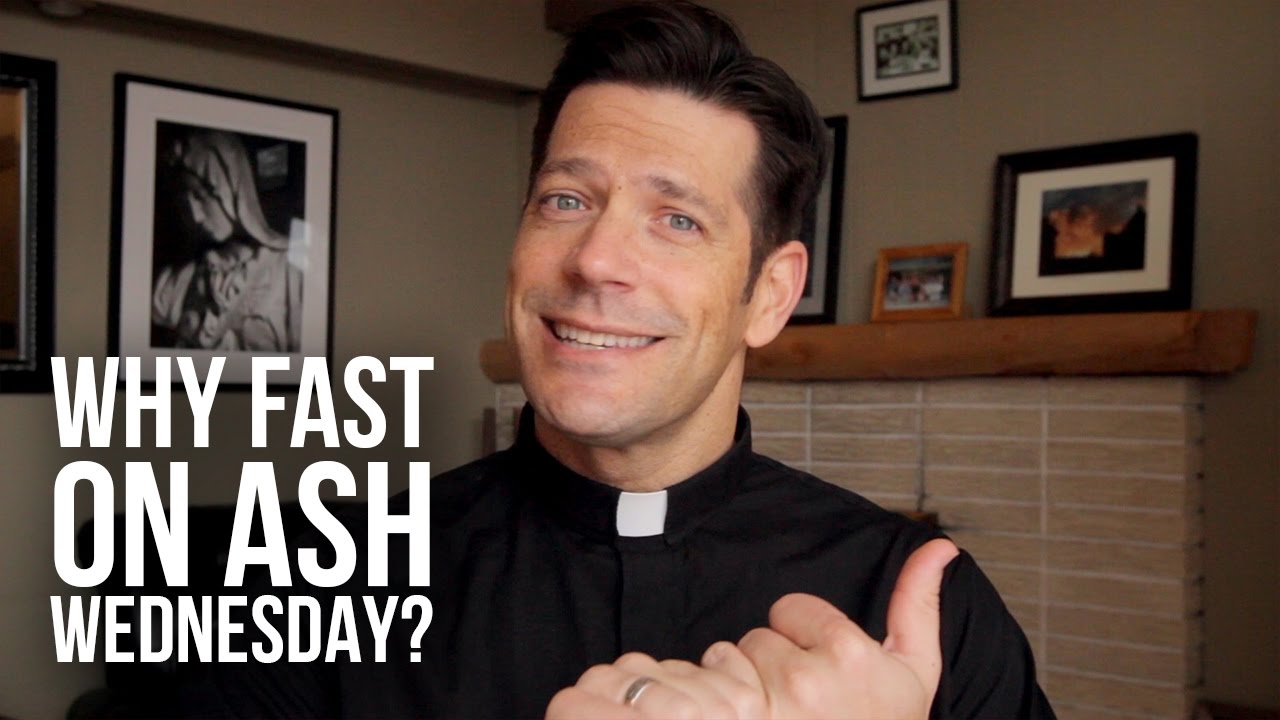
Do Catholics Fast on Good Friday
Do Catholics Fast on Good Friday?
Every year, Catholics around the world participate in a profound tradition on Good Friday. This pivotal day in the Christian calendar marks the crucifixion of Jesus Christ, and it is a time for reflection, penance, and fasting. 🌍 But do Catholics really fast on this solemn occasion? Let’s explore the significance of fasting on Good Friday, cultural practices, and how it aligns with the broader context of Catholic observance.
Understanding the Tradition of Fasting
Fasting is a deeply rooted practice in the Catholic faith, serving as a form of self-denial intended to cultivate a spirit of penitence and meditation. On Good Friday, Catholics typically observe a strict fast. This usually includes only one full meal, with two smaller meals permitted that combined do not equal a full meal. The idea behind this is to honor the sacrifices made by Jesus and to promote humility and reflection.
The Guidelines of Fasting on Good Friday
According to the Catholic Church, Good Friday fasting is a form of abstinence from meat and certain foods. Here are the key guidelines:
- Age Limits: Fasting is obligatory for Catholics aged 18 to 59. This is a significant aspect of the Church’s teachings.
- Food Restrictions: Catholics abstain from eating meat and are limited to one full meal while two smaller meals are allowed.
- Exemptions: Individuals with health issues or other significant reasons may be exempt from these fasting requirements.
The Spiritual Importance of Fasting
The act of fasting on Good Friday is not just about the physical act of refraining from food. It is a profound spiritual discipline aimed at inviting believers to enter into a deeper understanding of Christ’s suffering. When Catholics fast, they echo their commitment to their faith and engage in the narrative of sacrifice.


The Difference Between Fasting and Abstinence
While fasting involves limiting food intake, abstinence typically refers to refraining from specific types of food, such as meat. On Good Friday, Catholics are called to both fast from food and abstain from meat. This dual observance emphasizes the day’s solemn nature.
Comparisons With Other Forms of Fasting
Compared to various fasting practices in other religions, such as Ramadan in Islam, Good Friday’s fasting is markedly specific regarding its restrictions and timing. Unlike Ramadan, which spans an entire month with daily fasting from dawn to sunset, Good Friday highlights a singular day for fast and reflection. This focused approach allows for intense meditation on the passion of Christ.
Complementary Practices During Lent
Fasting on Good Friday is part of a broader period known as Lent, which lasts for 40 days leading up to Easter. During this time, many Catholics engage in additional forms of spiritual nourishment, including prayer and almsgiving.
8 Ideas for Complementary Practices Alongside Good Friday Fasting
- Engaging in Daily Prayer: Incorporating daily prayers will enhance the spiritual experience.
- Attending the Stations of the Cross: This devotion reflects on the Passion of Christ, which aligns perfectly with fasting.
- Journaling Reflective Thoughts: Writing down prayers and reflections can deepen one’s understanding during this period.
- Reading Scripture: Delving into the Bible helps to meditate on Scripture passages related to Christ’s passion.
- Volunteering: Serving those in need can be a worthwhile complement to fasting, demonstrating love and charity.
- Participating in a Good Friday Service: Community worship brings a communal aspect to the solemnity of the day.
- Listening to Religious Music: Creating a playlist of hymns can elevate one’s spiritual journey.
- Using Spiritual Apps: Tools like FORMED provide resources for deeper understanding and engagement with the faith.
Breakdown of Spiritual Apps to Use with Good Friday Fasting
Among the various tools available, using a dedicated spiritual app can significantly enhance one’s experience during Good Friday fasting:
- FORMED
- Access to a vast library of films, Bible studies, and audio teachings.
- Engagement with rich content to aid reflection during fasting.
- Community forums for discussion and shared experiences.
- Flexibility to explore content that suits personal spiritual needs.
- Laudate App
- Provides daily scripture readings and prayers specific to Lent.
- Offers access to the Liturgy of the Hours for richer prayer experiences.
- Includes resources for tracking fasting and prayer intentions.
- Creates reminders for Lent and Holy Week observances.
The Impact of Good Friday Fasting on Community
Participating in fasting as a congregation strengthens community bonds. This shared experience fosters deeper solidarity among the faithful. Good Friday services often see increased attendance as people come together to commemorate Jesus’ sacrifice. This collective observance reinforces unity and collective spirituality.
Comparative Benefits of Fasting Together
Unlike individual fasting, communal fasting on Good Friday emphasizes shared sacrifices and collective growth in faith. By supporting one another through this experience, worshipers forge deeper connections and provide encouragement. The atmosphere of shared purpose enhances the significance of the day.
Personal Reflections and Testimonies
Many Catholics have shared their personal experiences regarding Good Friday fasting. These include accounts of how fasting has deepened their faith, allowed for greater reflection, and enabled them to connect with their communities. This reflection can sometimes lead to profound realizations and transformations in believers’ lives.
Examples of Personal Growth Through Fasting
For instance, a Catholic community member shared how Good Friday fasting taught him discipline, leading to healthier lifestyle choices even after Lent. Similarly, another individual noted that fasting made her more aware of gratitude for the abundance in her life. These stories serve as testimonials to the power and influence of fasting.
Resources for Further Engagement
To further explore the depths of Good Friday and its significance, here are some authoritative sources:
Conclusion: The Enduring Value of Fasting on Good Friday
Through fasting on Good Friday, Catholics participate in a profound spiritual discipline that connects them deeply to their faith. This practice allows for self-reflection, spiritual growth, and community building, fostering a rich experience during the solemn observance of Jesus’ sacrifice. By understanding and embracing the rituals surrounding Good Friday, individuals can deepen their faith and gain new perspectives on their spiritual journey.
The Impact of Fasting on Spiritual Growth
Do Catholics Fast on Good Friday?
As we approach the significant day of Good Friday, many wonder, do Catholics fast on Good Friday? 🌿 The answer lies deep within the rich spiritual tradition of the Catholic Church.
The Importance of Fasting in Catholicism
Fasting is a **sacred practice** in the Catholic faith, serving as a form of **penance** and spiritual discipline. It helps believers connect more deeply with God and focus on their spiritual growth. Unlike other forms of fasting seen in different religions, Catholic fasting has specific guidelines and intentions.
Fasting Guidelines for Good Friday
On Good Friday, Catholics are called to observe a day of fasting and abstinence. This generally means:
- Only one full meal is allowed, with smaller snacks permitted if necessary.
- Abstaining from meat on this day, which is a requirement for all individuals aged 14 and above.
- May include additional prayers and reflections to enhance the experience.
These practices aim to honor the **crucifixion of Jesus Christ** and reflect on His sacrifices. It is a day to remember the suffering Christ endured, symbolizing the fast from worldly pleasures.
The Historical Context of Fasting on Good Friday
The tradition of fasting on Good Friday has roots in the early Christian community. The early Church adopted fasting as a preparatory act for celebrating Easter. According to the Catholic Encyclopedia, the practice dates back to the second century when Christians began observing a structured fast to commemorate the Passion of Christ.
Modern Practices and Variations
Although the basic tenets of fasting remain intact, today’s practices can vary widely among Catholics. Some might incorporate personal sacrifices beyond the traditional requirements as a form of private devotion. This personal touch can be supported by various **complementary tools** such as:
- Prayer services
- Spiritual retreats
- Online resources for meditation and reflection
Complementary Tools to Enhance Fasting
Utilizing tools and resources can enrich the **fasting experience**. Here are a few ways to maximize the benefits of fasting on Good Friday:
1. Guided Meditation Apps
Using apps like Headspace can provide guided meditations tailored for spiritual reflection. By combining your fasting with meditation, you more deeply align your mind and spirit.
2. Prayer Journals
Consider maintaining a **prayer journal**, where you can document your thoughts and prayers during fasting. This practice enhances reflection and can lead to deeper insights.
3. Online Religious Talks
Websites offering talks from respected clergy can help provide context and inspiration, making fasting more significant. Platforms like FORMED have various resources tailored for the faithful.
4. Community Support Groups
Joining a local group or an online community that shares insights on Good Friday fasting can foster a sense of connection, making the process more enriching.
5. Recipe Books for Meatless Meals
Accessing creative meatless meal recipes can make the fasting process enjoyable and diverse. Websites like AllRecipes offer extensive collections of meat-free meals suitable for fasting days.
6. Spiritual Music Playlists
Creating or exploring playlists of spiritual music can provide a peaceful backdrop for self-reflection during your fasting journey.
7. Virtual Retreats
Participating in virtual retreats can provide spiritual nourishment and community support during the fasting period. Check out offerings on platforms like Retreat Finder.
8. Daily Scripture Reading
Incorporating daily readings from the Bible can elevate your fasting experience by providing spiritual nourishment and connection to faith. Apps like YouVersion can be handy for this practice.
- Access to numerous translations of the Bible for personalized study.
- Ability to set daily reading reminders to keep you focused.
- Interactive features that allow you to share insights with others.
- Free access to audio versions for listening during fasting.
9. Social Media Engagement
Engage with faith-based communities on social media to share insights into your fasting journey and learn from others.
10. Educational Resources
Books or online courses focusing on Catholic teachings about fasting can deepen your understanding and commitment. Websites like Catholic Answers offer a wealth of information.
Benefits of Fasting on Good Friday
Fasting on Good Friday serves various **spiritual benefits** including:
- Enhanced focus on prayer and meditation.
- Increased awareness of community and global suffering.
- Improved self-discipline and personal growth.
- A stronger connection to the sufferings of Christ.
Comparison with Other Fasting Observances
Compared to fasting practices in other religions, such as Ramadan in Islam, the observance of fasting on Good Friday is focused not only on self-denial but also on communal reflection and prayer. This collaborative aspect makes the Catholic observance unique and deeply intertwined with the faith community.
Conclusion
In summary, do Catholics fast on Good Friday is not simply a question of adhering to tradition; it’s an opportunity for spiritual renewal and personal reflection. By embracing various complementary tools, you can enhance your Good Friday observance, making it a deeply meaningful experience.
Do Catholics Fast on Good Friday? 🕊️
Many people wonder about the significance and practice of fasting on Good Friday among Catholics. This day, which commemorates the crucifixion of Jesus Christ, is marked by solemn reflection and specific fasting traditions. In this article, we will explore the essence of fasting on Good Friday, its history, and practical tips for observing it, alongside tools and resources that can enhance your experience.
The Significance of Fasting on Good Friday
The practice of fasting on Good Friday is deeply rooted in Catholic tradition. It is a day set aside for penance and reflection, allowing believers to remember the sacrifice of Jesus. Fasting serves not only as a means of self-discipline but also as a reminder of the love and suffering involved in the crucifixion.
In essence, fasting is characterized by abstaining from certain types of food, primarily meat. According to Catholic teachings, individuals aged 14 and older are obligated to observe this fast. Moreover, fasting on Good Friday culminates in the celebration of Easter Sunday, representing hope and rebirth.
Historical Context of Fasting in Christianity
The tradition of fasting dates back to the early days of Christianity. The Church has observed periods of fasting, including Lent, as a way to prepare for Easter. Wikipedia states that fasting has long been associated with penance, self-denial, and spiritual growth.
How Catholics Observe Fasting on Good Friday
Fasting on Good Friday requires adherence to specific guidelines outlined by the Church. Here’s a detailed overview of what is typically expected of the faithful:
- **Abstaining from Meat**: Catholics are expected to abstain from meat on this day.
- **Fasting Defined**: Only one full meal is permitted, with two smaller meals that do not equal a full meal.
- **Spiritual Focus**: The emphasis is placed on prayer, reflection, and attending Good Friday services.
Practical Tips for Fasting
Here are some effective tips for Catholics looking to enhance their fasting experience on Good Friday:
- **Plan Your Meals**: Prepare simple meals that comply with fasting guidelines.
- **Prioritize Spiritual Practices**: Engage in prayer and reflection to deepen your spiritual connection.
- **Join Community Services**: Attend Mass or services to witness and participate in the communal aspect of faith.
Complementary Tools to Enhance Your Fasting Experience
While the primary focus is on the practice of fasting itself, various tools and resources can enrich the experience of observing Good Friday. Here are some recommendations on how to effectively combine these tools with fasting:
1. Fasting Reminder Apps
Using a fasting reminder app can help you stay committed to your fasting schedule. These apps allow you to set reminders for meal times and encourage you to reflect during your fast.
- Benefits: Encourages consistency and accountability in fasting.
- Features: Customizable reminders and tracking options.
- Use Case: Sync with your prayer schedule to incorporate reflection.
2. Scripture Reading Apps
Engaging with Scripture can provide spiritual nourishment on Good Friday. Consider using apps like YouVersion Bible App to access daily readings and prayers, enhancing your spiritual reflection during fasting.
- Accessibility: Multiple versions of the Bible available for personalized reading.
- Daily Inspirations: Curated devotionals that align with the Lenten season.
- Praying Reminders: Set notifications for prayer prompts related to fasting.
- Community Features: Share reflections and insights with a broader community.
3. Guided Meditation Tools
Complement your fasting experience with guided meditations, which can foster inner peace. There are many apps available that provide meditative practices focused on spiritual growth.
4. Virtual Church Services
Connect with your church community through online services that allow participants to fast together, share reflections, and pray as one community.
5. Healthy Recipe Blogs
Explore recipe blogs that focus on fasting-friendly meals, providing delicious yet compliant options that can make fasting more enjoyable.
6. Journaling Tools
A dedicated journal can be beneficial for recording thoughts and reflections throughout the fasting period, enhancing personal growth.
7. Faith-Based Podcasts
Immerse yourself in faith-based podcasts that discuss the significance of Good Friday and fasting practices, offering deeper insights and encouraging conversations.
8. Fasting Communities
Engaging with fasting and prayer communities can provide support and motivation. Consider joining online platforms or social media groups that focus on fasting practices.
- Support Network: Gain encouragement from others observing the same traditions.
- Shared Experience: Share personal experiences and reflections with peers.
- Resource Sharing: Discover articles, tools, and tips from experienced members.
- Interactive Challenges: Participate in challenges that incorporate fasting and spiritual growth.
9. Wellness Apps
Incorporating wellness apps can offer a holistic approach to health while fasting, allowing you to track physical and emotional well-being.
10. Online Reflection Guides
Seek out websites that provide structured reflection guides tailored to fasting on Good Friday, enhancing your spiritual journey through organized prompts and questions.
Conclusion
Fasting on Good Friday is a profound practice rooted in Catholic tradition, inviting believers to reflect deeply on the sacrifice of Jesus Christ. It provides a unique opportunity for spiritual growth, self-discipline, and community connection. By integrating complementary tools like the YouVersion Bible App or engaging with fasting communities, believers can further enrich their fasting experience. Embrace this sacred tradition with intention, and remember that while fasting is a personal journey, you’re never alone in your reflections and prayers.
To deepen your understanding of fasting within the Church, you may want to check out the United States Conference of Catholic Bishops for comprehensive resources and guides.
