Imago Dei Meaning: 7 Key Insights You Must Know
Respuesta Rápida
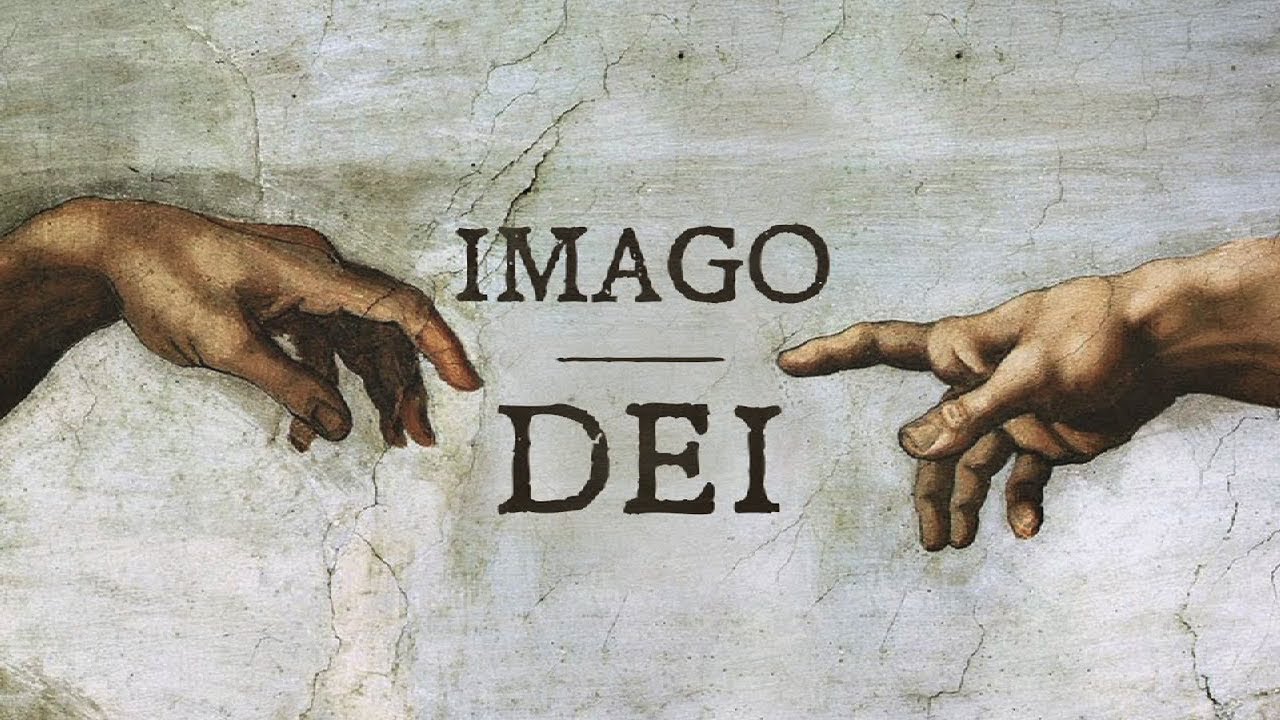
Imago Dei, Latin for “Image of God,” is a profound theological concept from the Book of Genesis asserting that humanity is created in the divine likeness. This bestows inherent dignity, value, and purpose upon every person, reflecting God’s attributes like reason, creativity, morality, and the capacity for relationship.
Seven key insights into the meaning of Imago Dei:
- Universal Dignity: Every human possesses inherent worth.
- Relational Beings: Created for relationship with God and others.
- Moral Capacity: Reflects God’s goodness with a conscience for right and wrong.
- Rationality & Creativity: Echoes God’s intellect and creative power.
- Stewardship: A call to responsibly care for creation.
- Distorted but Not Lost: Marred by sin but restored through Christ.
- Foundation for Human Rights: A theological basis for equality and justice.
Have you ever looked at the vast diversity of humanity and wondered what single, unifying truth connects us all? In the heart of Judeo-Christian theology lies a profound and beautiful concept that answers this very question: the Imago Dei. This Latin phrase, meaning “Image of God,” is a cornerstone of biblical anthropology, shaping our understanding of human dignity, purpose, and our relationship with the Creator. But what does it truly mean to be created in the Imago Dei?


The meaning of Imago Dei is a journey into the very essence of what it means to be human. It’s a divine declaration that we are not a cosmic accident, but intentionally crafted beings who bear the likeness of our Creator. It challenges us to see ourselves and every other person not as a collection of flaws and failures, but as a reflection, however faint, of divine glory. It’s like discovering that every person you meet is a unique, priceless work of art, signed by the Master Artist Himself.
Understanding the meaning of Imago Dei isn’t just for theologians. It’s about grasping a foundational truth that can empower your self-worth, transform your relationships, and clarify your purpose in the world. For us here at oracioncristiana.org, exploring such timeless truths strengthens our faith and illuminates our path. You are invited to uncover the 7 key insights that reveal the profound meaning of Imago Dei!
1. What Is Imago Dei? (Created in the “Image of God”)
First, one must grasp the foundational definition of this powerful Latin phrase. Imago Dei, meaning “Image of God,” is a core theological concept from the Book of Genesis which asserts that all human beings are created in the divine likeness, bestowing upon every person a unique and inherent dignity, value, and purpose.
This profound truth is declared at the very beginning of the biblical narrative:
“So God created mankind in his own image, in the image of God he created them; male and female he created them.” (Genesis 1:27)
This foundational statement teaches us:
- Universal Application: The Imago Dei applies to all of humanity—every race, gender, age, and ability. It is not something earned or achieved, but a gift bestowed at creation.
- Inherent Worth: Because we are made in God’s image, every human life has profound and intrinsic value, independent of our accomplishments or status.
- A Reflection, Not a Replica: We are not “little gods,” but we are created to reflect or mirror the character and attributes of our Creator in a finite way.
This is the starting point for a biblical understanding of what it means to be human. It’s like a royal seal, impressed upon every person, signifying their origin and their inherent connection to the King. This is the core of the Imago Dei meaning.
2. It’s Not Just a Physical Likeness: Reflecting God’s Attributes
A common misconception is that the Imago Dei refers to a physical resemblance to God. While our physical bodies are part of God’s good creation, the Imago Dei primarily refers to the non-physical attributes we share with God, such as rationality, creativity, morality, and the capacity for relationship.
Since God is spirit (John 4:24), the “image” is understood to be primarily spiritual, mental, and relational. We reflect God through our:
- Rationality and Intellect: Our ability to reason, think abstractly, use language, and understand the universe reflects God’s own infinite intellect.
- Creativity: Our capacity to create art, music, technology, and culture echoes God’s ultimate role as the Creator of all things.
- Moral Capacity: We are created with a conscience, an innate sense of right and wrong, which reflects God’s perfect righteousness and justice.
- Spiritual Nature: We have a capacity for spirituality, a longing to connect with the transcendent and to worship, which sets us apart from all other creatures.
The Imago Dei meaning is about being a living, breathing reflection of God’s character in the world. It’s like a multifaceted mirror, designed to reflect the different aspects of the sun’s brilliant light. This understanding moves us beyond superficial appearance to the very core of our being.
3. A Relational Image: Created for Community with God and Others
The Bible makes it clear that we were not created to be solitary beings. The Imago Dei is fundamentally relational, meaning we are created for a loving relationship with God and for deep, meaningful community with one another, reflecting the relational nature of the Triune God (Father, Son, and Holy Spirit).
Genesis 1:27 itself hints at this: “male and female he created them.” This diversity and complementarity is a reflection of community.
- Relationship with God: We are uniquely designed to know, love, worship, and have fellowship with our Creator. This is our primary purpose.
- Relationship with Others: Just as God exists in a perfect community of three persons, we are created to live in community—in families, friendships, and societies. We find our fullest expression in loving and serving one another.
- Love as the Ultimate Reflection: The ultimate way we reflect God is through love (1 John 4:7-8), which is inherently relational.
This insight into the Imago Dei meaning is transformative. It tells us that our deep-seated need for connection and belonging is not a weakness, but a divine imprint. It’s like a musical instrument, designed not to play a solo, but to be part of a grand orchestra, its true beauty found in its harmonious interaction with the other instruments. You can explore more on the Trinity from Encyclopedia Britannica.
4. A Functional Purpose: The Call to Stewardship
Being created in God’s image is not just about who we are, but also about what we are called to do. The Imago Dei includes a functional purpose, a divine mandate for humanity to act as God’s representatives on earth, exercising responsible stewardship and care over His creation.
Immediately after declaring that humanity was made in His image, God gives the first command:
“God blessed them and said to them, ‘Be fruitful and increase in number; fill the earth and subdue it. Rule over the fish in the sea and the birds in the sky and over every living creature that moves on the ground.'” (Genesis 1:28)
This “ruling” is not a license for exploitation, but a call to responsible stewardship:
- Reflecting God’s Rule: We are to govern the earth as God would, with wisdom, justice, and loving care.
- Cultivating and Caring: This involves cultivating the potential of creation (science, art, culture) and caring for its well-being (environmental stewardship).
- A Royal Priesthood: We are to act as priests, mediating between creation and the Creator, and as benevolent kings and queens, ruling on His behalf.
The Imago Dei meaning is therefore a call to purposeful action. It’s like a king appointing a trusted viceroy to govern a province in his name, expecting them to rule with the same wisdom and justice as the king himself.
5. Distorted but Not Lost: The Impact of Sin
The biblical narrative makes it clear that something went terribly wrong. Christian theology teaches that the Imago Dei in humanity was distorted and marred by the Fall (original sin), but it was not completely lost or erased. Our ability to perfectly reflect God has been broken, but the inherent dignity of being His image-bearers remains.
The Fall (Genesis 3) had a devastating impact on our ability to reflect God:
- Broken Relationships: Our relationship with God, with each other, and with creation was fractured.
- Distorted Attributes: Our rationality became clouded, our creativity can be used for evil, our moral compass became skewed, and our love became selfish.
- A Tarnished Image: The divine mirror became cracked and tarnished, giving a distorted reflection.
This is a crucial and realistic insight. It explains why a world filled with divine image-bearers can also be filled with so much hatred, injustice, and brokenness. However, the Bible is clear that the image, though distorted, is not obliterated. Every person still retains the inherent worth and dignity of being an image-bearer. It’s like a magnificent ancient statue that has been broken and weathered by time; its original glory is marred, but it is still recognizably a masterpiece, worthy of respect.
6. Restored in Christ: The Perfect Image
The story does not end with a broken image. The New Testament reveals the ultimate purpose of the Imago Dei and its path to restoration. Jesus Christ is presented as the perfect and ultimate “image of the invisible God” (Colossians 1:15), and through faith in Him, the distorted Imago Dei in humanity is progressively renewed and restored.
Jesus is the perfect reflection of God that we were created to be, but failed to be.
- Christ, the Perfect Image:
“The Son is the radiance of God’s glory and the exact representation of his being.” (Hebrews 1:3)
- Renewal Through Christ: Through salvation, the Holy Spirit begins a process of sanctification, renewing us into the image of Christ.
“…and have put on the new self, which is being renewed in knowledge in the image of its Creator.” (Colossians 3:10)
The ultimate goal of the Christian life is to be conformed to the image of Jesus. It’s like a skilled artisan taking the fragments of that broken ancient statue and painstakingly restoring it to its original, and even greater, glory. The meaning of Imago Dei finds its ultimate fulfillment and hope in the person and work of Jesus Christ.
7. The Foundation for Human Rights and Justice
Finally, the Imago Dei has profound and practical implications for how we live together in society. The theological concept of the Imago Dei provides a powerful and enduring foundation for human rights, social justice, and the call to treat every single person with profound respect and dignity.
If every person, without exception, is created in the image of God, then:
- All Are Equal: It demolishes all grounds for racism, sexism, classism, or any other ideology that devalues a group of people.
- Inherent Dignity: Every person deserves to be treated with honor and respect, not because of what they can do, but because of who they are—an image-bearer of God.
- A Call to Justice: To oppress, exploit, or ignore the suffering of another person is to mar and disrespect the very image of God. This provides a powerful motivation for social justice, advocating for the poor, the marginalized, and the unborn.
How Does the Imago Dei Change How You See Yourself and Others?
The exploration of the Imago Dei meaning unveils a profound and beautiful truth at the heart of our existence. It is a declaration of our inherent worth, a description of our divine reflection, a call to our relational purpose, and the foundation of our hope for restoration in Christ. It is God’s signature, written on the soul of every human being.
May this understanding deepen your appreciation for your own inherent value, transform the way you see and treat every person you meet, and inspire you to live a life that beautifully reflects the image of your Creator. What an incredible identity to embrace!
Now, your thoughts are welcome. The comments section is open!
→ Which of these 7 key insights into the Imago Dei meaning resonated most deeply with your understanding of what it means to be human?
→ How does the idea that the Imago Dei is “distorted but not lost” by sin impact your view of yourself and others?
→ What’s one practical way you feel inspired to honor the Imago Dei in others this week, especially in someone you might find it difficult to love or respect?
Sharing insights can encourage one another in our oracioncristiana.org community, as we learn to see the world through God’s eyes!
