Where Does the Pope Live? 5 Fascinating Facts You Must Know
Respuesta Rápida
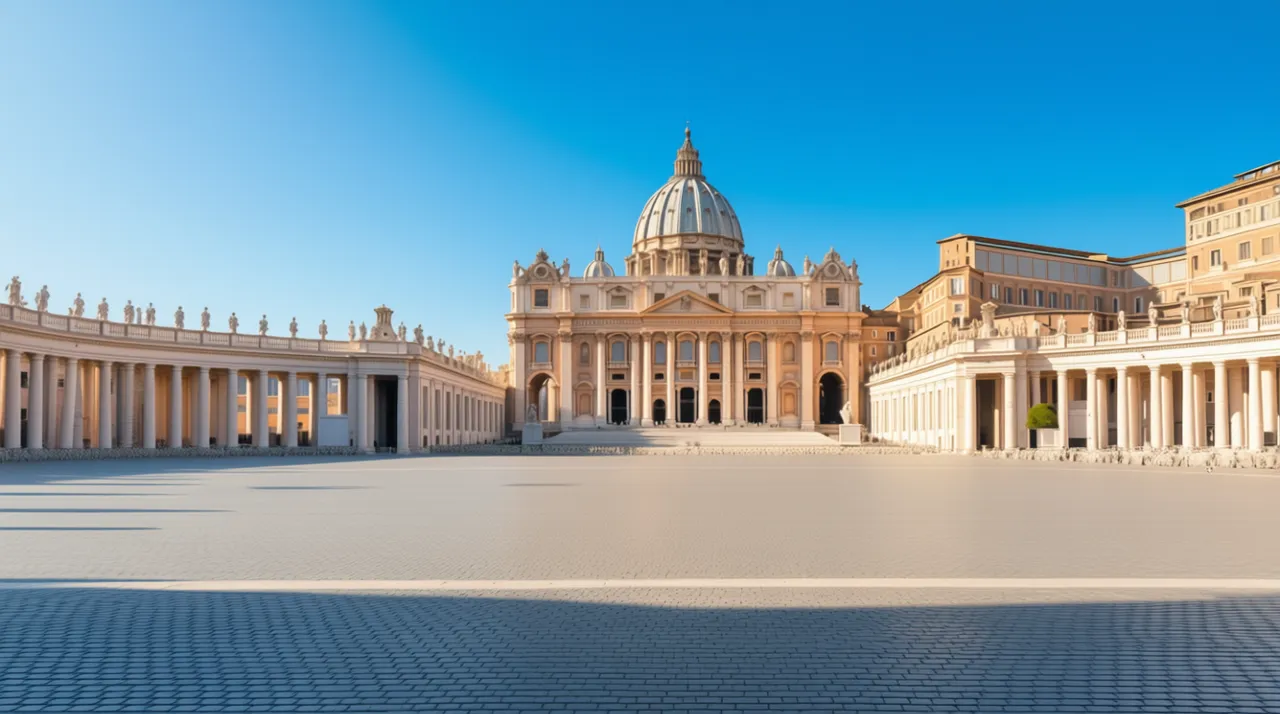
The Pope lives in Vatican City, an independent city-state within Rome, Italy. While the official residence is the Apostolic Palace, some popes have chosen to live in the more communal Domus Sanctae Marthae (St. Martha’s House), a Vatican guest house, to foster a simpler and more pastoral lifestyle.
Five fascinating facts about the Pope’s residence:
- Vatican City: The smallest independent state in the world.
- Apostolic Palace: The traditional, opulent residence, now used for official functions.
- St. Peter’s Basilica: The Pope’s principal church, located next to his residence.
- Vatican Gardens: A private, serene retreat covering about half of Vatican City.
Have you ever found yourself watching a papal address from a grand balcony and wondered, “Where does the Pope live?” It’s a question that opens the door to a world of immense history, stunning art, and profound spiritual significance. The residence of the Pope, the leader of the Roman Catholic Church, is not just a simple address; it’s the very heart of a sovereign city-state and the administrative hub for over a billion Catholics worldwide.
Understanding where the Pope lives isn’t just for tourists or history buffs. It’s about grasping a foundational concept that empowers personal faith, enhances our appreciation for Church history, and clarifies the Pope’s unique role on the world stage. For us here at oracioncristiana.org, exploring such timeless truths strengthens our faith and illuminates our path. You are invited to uncover the 5 fascinating facts you must know about the Pope’s remarkable residence!


1. The Vatican City: A Sovereign Nation Within a City
First, it’s essential to understand the unique political and geographical context of the Pope’s home. The Pope’s primary residence is within Vatican City, an independent city-state completely surrounded by Rome, Italy, making it the smallest sovereign state in the world by both area and population.
Established in 1929 with the Lateran Treaty, Vatican City is a unique entity:
- A Microstate: It covers just over 100 acres (about 44 hectares), roughly one-eighth the size of New York’s Central Park.
- Sovereign Nation: It is a recognized independent state with its own government, laws, police force (the Gendarmerie Corps), and diplomatic relations. The Pope is its head of state.
- Spiritual and Administrative Center: It serves as the spiritual and administrative headquarters of the global Catholic Church.
So, when you ask where does the Pope live, the answer is not just a building, but an entire country! It’s like a tiny, sacred jewel box set in the heart of a bustling, ancient metropolis. This unique status ensures the Holy See’s independence from any secular power. You can learn more about this fascinating microstate from Encyclopedia Britannica.
2. The Apostolic Palace: The Official, Opulent Residence
For centuries, the traditional answer to “Where does the Pope live?” has been a specific, magnificent building. The official residence of the Pope is the Apostolic Palace (also known as the Papal Palace or Vatican Palace), a vast and opulent complex of buildings located next to St. Peter’s Basilica.
This historic palace is far more than just a home. It includes:
- The Papal Apartments: A suite of rooms traditionally used as the Pope’s living quarters.
- Government Offices: The main offices of the Holy See and the Catholic Church.
- Chapels: Including the world-famous Sistine Chapel, where the papal conclave to elect a new pope is held.
- Museums: It houses the Vatican Museums, one of the world’s most important art collections, with works by masters like Michelangelo and Raphael.
This grand palace, with over 1,000 rooms, has been the residence of popes since the 14th century, symbolizing the history, authority, and cultural richness of the papacy. It’s like a royal palace, a national museum, and a government headquarters all rolled into one magnificent complex.
3. The Papal Apartments — A Simple Life Inside a Palace
Despite the grandeur of the Apostolic Palace, the Pope’s personal quarters are surprisingly modest. They’re designed to reflect humility and simplicity, consisting mainly of a few functional rooms and a private chapel for prayer.
4. The Vatican Gardens: A Private Sanctuary of Peace
Adjacent to the Pope’s residence is a stunning and serene oasis of tranquility. The Vatican Gardens are a vast and beautiful private park that covers about half of Vatican City, serving as a serene retreat for the Pope’s personal prayer, reflection, and relaxation.
These meticulously maintained gardens are a hidden gem, featuring a lush mix of Italian, French, and English landscaping styles.
- A Place of Peace: They provide a peaceful escape from the immense pressures and public duties of the papacy.
- Rich History: The gardens have been a place of papal contemplation for over 800 years.
- Art and Nature: They are adorned with beautiful fountains, sculptures, grottoes, and a variety of plants from around the world.
- Limited Access: While not a public park, the gardens can be visited through exclusive guided tours, offering a rare glimpse into this private papal sanctuary.
These gardens symbolize the importance of peace, beauty, and spiritual reflection in the life of the Pope. It’s like a secret garden, a quiet, contemplative space where the spiritual leader of millions can walk, pray, and reconnect with God amidst the beauty of His creation.
5. A Center of Global Diplomacy and Spiritual Leadership
The Pope’s residence is not merely a home; it is the active nerve center of the global Catholic Church and a significant player on the world stage. The Pope’s residence, whether the Apostolic Palace or the Domus Sanctae Marthae, functions as a vibrant center of global diplomacy and spiritual leadership, where the Pope meets with world leaders, addresses the faithful, and guides the Church’s mission.
The Vatican is a hub of constant activity:
- Diplomatic Meetings: The Pope regularly meets with heads of state, ambassadors, and leaders of other religions in the Apostolic Palace to discuss peace, humanitarian efforts, and global issues.
- Public Audiences: Weekly General Audiences are held (often in St. Peter’s Square or the Paul VI Audience Hall) where the Pope delivers teachings and blesses thousands of pilgrims.
- Spiritual Guidance: From his residence, the Pope issues encyclicals, apostolic exhortations, and other documents that provide spiritual guidance to the world’s Catholics.
- Modern Outreach: The Vatican has embraced modern technology, using social media, live streaming, and its official website to spread the Pope’s message globally.
This highlights the unique dual role of the Pope as both a spiritual leader and a head of state. It’s like a lighthouse that is not only a home for its keeper but also a powerful beacon, its light shining out to guide ships across the entire world. The Pope’s residence is the source from which that light emanates. You can follow the Pope’s daily activities and messages from the official Vatican website.
What Does the Pope’s Home Reveal About His Mission?
The exploration of where does the Pope live unveils a multifaceted and fascinating world. It’s a story of a sovereign city-state, a magnificent historic palace, a humble modern choice, serene gardens, and a vibrant center of global influence. The Pope’s residence is not just a home; it is a powerful symbol of the Catholic Church’s rich history, its enduring spiritual mission, and its active engagement with the modern world.
May this understanding deepen your appreciation for the papacy and inspire you to reflect on how our own homes can be centers of faith, hospitality, and loving service to the world. What an incredible legacy to ponder!
Now, your thoughts are welcome. The comments section is open!
→ Which of these 5 fascinating facts about the Pope’s residence resonated most deeply with you or surprised you the most?
→ What’s one aspect of the Vatican’s role (e.g., as a spiritual center, a diplomatic hub, a treasure of art) that you find most compelling or important for the world today?
Sharing insights can encourage one another in our oracioncristiana.org community, as we explore the rich traditions of our faith!
