How Many Pieces of Silver Was Jesus Sold For: Definitive Guide
how many pieces of silver was jesus sold for
The question of how many pieces of silver was jesus sold for comes up often in conversations about the events leading to the crucifixion. It is a concise question with layers of historical, cultural and theological meaning. Understanding the amount, the type of coins involved, and what that figure represented in the first century can help readers make sense of the Gospel narratives and their wider implications.
In this guide, we will unpack the sources that answer how many pieces of silver was jesus sold for, explain why that number mattered to the original audience, explore what those coins might have been worth, and correct a few common misconceptions. We will also situate the payment within the broader story of Judas Iscariot, the temple authorities, and the fulfilment motifs the Gospel writers point to.
A straightforward answer: how many pieces of silver was jesus sold for?
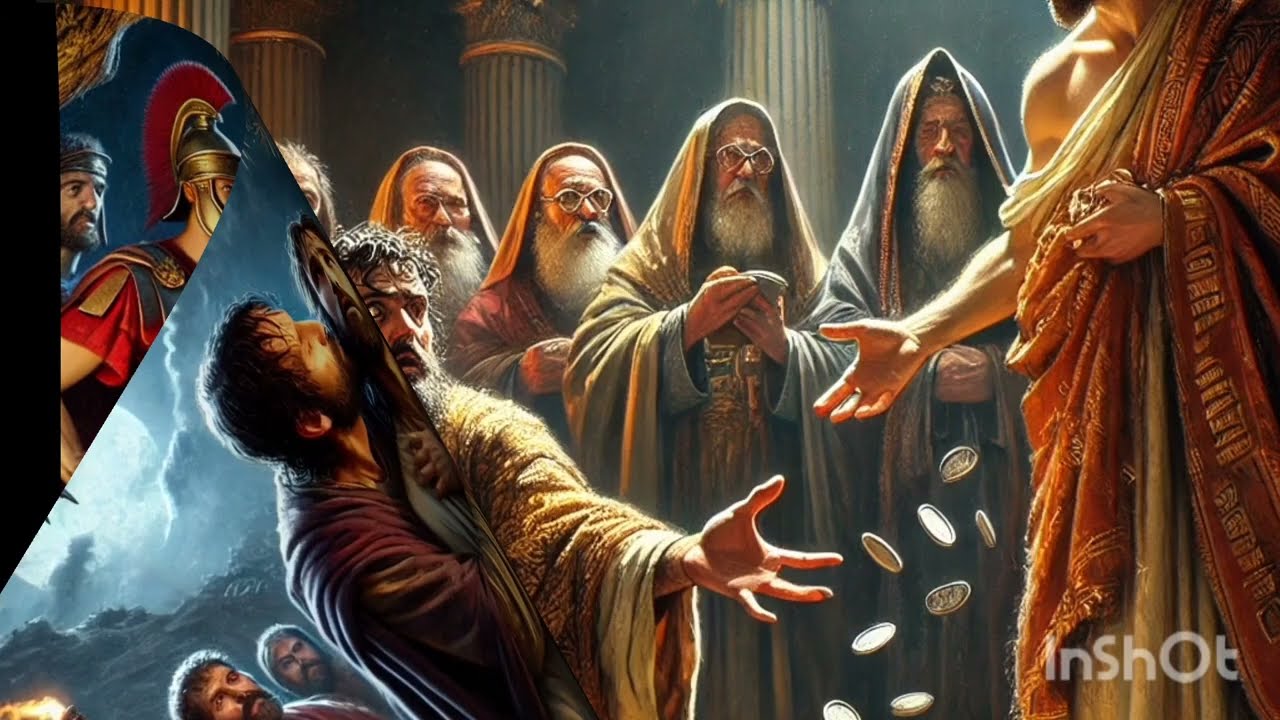
According to the Gospel of Matthew, the amount was thirty. When readers ask how many pieces of silver was jesus sold for, Matthew 26:15 gives the clearest answer: Judas asked the chief priests, “What are you willing to give me if I deliver him over to you?” and they counted out to him thirty pieces of silver. Mark and Luke mention that the authorities promised Judas money, but they do not specify the exact sum. John also speaks of Judas’s role in the betrayal, again without naming the figure. That means the explicit number “thirty” comes from Matthew’s account.
This number is not simply a footnote. Early Christians saw in it a connection with the Hebrew Scriptures. Matthew’s Gospel often highlights such links, and the thirty coins are related to passages in Exodus and Zechariah that carry symbolic weight.

Where does the number come from in the biblical text?
Matthew is the only Gospel that states how many pieces of silver was jesus sold for. The immediate source is Matthew 26:15, and the aftermath is described in Matthew 27:3–10, where Judas returns the coins, the priests refuse to put “blood money” into the temple treasury, and they use it instead to buy a potter’s field. Matthew then associates this with prophetic material, drawing attention to how the events align with Scripture.
Historical and numismatic background
To appreciate why thirty was chosen—and what it might have meant in practical terms—we should look briefly at coinage in Judea during the late Second Temple period. When we ask how many pieces of silver was jesus sold for, we are also asking what kind of “pieces” these were.
What coins were likely used?
Most scholars suggest the coins were Tyrian shekels (or half-shekels), prized for their high silver content and commonly used for the temple tax. Temple authorities were particular about acceptable coinage, and Tyrian issues—despite their pagan imagery—were valued for their reliable purity and weight. On this view, when we say thirty pieces in answer to how many pieces of silver was jesus sold for, we are likely talking about thirty shekels in Tyrian silver.
A Tyrian shekel weighed roughly 13–14 grams with high silver fineness. While there were other coins in circulation—Roman denarii, for instance—the association with the temple and Matthew’s focus on the priests makes the Tyrian shekel a strong candidate for the “pieces of silver.”
What was thirty pieces worth in the first century?
Translating ancient money into modern currency is never exact, but some comparisons help. In the Gospels, a typical day’s wage for a labourer is a denarius (see the parable in Matthew 20:2). A shekel of Tyre likely equated to several denarii—commonly estimated around four. If so, thirty shekels could be around 120 denarii, roughly four months of pay for an ordinary worker (not counting Sabbaths and festivals). That is a helpful way to think about how many pieces of silver was jesus sold for in terms of purchasing power, even if uncertainties remain.
Another way to visualise the sum is through bullion value: thirty shekels at about 14 grams each equals ~420 grams of silver. At today’s fluctuating silver prices, the raw metal might equate to a few hundred pounds. Yet bullion comparisons often mislead, because people in antiquity did not value coinage the way modern markets do. Wage comparisons are usually more meaningful for everyday life.
Old Testament echoes: Exodus and Zechariah
The thirty pieces resonate with two especially relevant passages:
- Exodus 21:32 sets thirty shekels as compensation if a slave is gored by an ox. This link underscores that the sum was not extravagant; it could be perceived as a mark of low valuation.
- Zechariah 11:12–13 mentions thirty pieces of silver, which are thrown into the house of the Lord to the potter. Matthew 27:9–10 alludes to this, weaving the action of Judas returning the money into a tapestry of prophetic fulfilment.
Seen through these lenses, the amount is not arbitrary. When someone asks how many pieces of silver was jesus sold for, the figure “thirty” invites the reader to hear the echo of older texts and themes of rejection, undervaluation, and mysterious fulfilment of Scripture.
From payment to potter’s field: the narrative arc
The chain of events helps us understand the significance of how many pieces of silver was jesus sold for. Judas receives thirty coins for handing Jesus over at a time and place away from the crowds. Following the arrest, regret seizes Judas. He returns the money to the chief priests and elders, declaring, “I have sinned, for I have betrayed innocent blood” (Matthew 27:4). They dismiss him, and he throws the silver into the temple.
Because the money is considered “blood money,” the priests refuse to deposit it into the temple treasury. Instead, they purchase a potter’s field as a burial place for foreigners. Hence, the field is called “Field of Blood.” Matthew connects this outcome to prophetic motifs, and the detail that the money ends up funding a burial ground amplifies the solemn irony of the story.
Acts 1:18–19 presents a different emphasis about Judas’s end and the field, leading to centuries of discussion on how to harmonise the accounts. What remains consistent is the memory of a small, significant sum that marked the transfer of Jesus into the hands of those who sought his death, and that the use of the money afterwards carried a grim, symbolic charge.
Why the number matters theologically and culturally
Why linger on how many pieces of silver was jesus sold for? Because the number works as a compact sign of the Gospel story: it signals the nature of Judas’s betrayal, the valuation of Jesus by his opponents, and the way the early Church read the passion in light of Israel’s scriptures. “Thirty pieces of silver” has become a proverb in many languages for treachery or selling out, and artists across centuries—from medieval painters to modern writers—have used it to explore themes of loyalty, greed, fate and remorse.
From a theological perspective, the amount points to a paradox: the priceless Son of God is assigned a common, even paltry, sum. That dissonance sharpens the moral drama and frames the passion as the moment when human misjudgement meets divine purpose.
Common mistakes when asking how many pieces of silver was jesus sold for
Several misunderstandings circulate about the payment. Being aware of them helps readers approach the text more confidently.
- Assuming all the Gospels state the number: Only Matthew names “thirty.” Mark, Luke and John describe the betrayal without specifying how many pieces of silver was jesus sold for.
- Confusing coins: Some assume these were Roman denarii. While denarii were widespread, the context points to Tyrian shekels, especially given temple involvement and purity requirements for coinage.
- Modern price conversions: Equating the thirty coins directly to modern pounds via silver spot price can be misleading. First-century purchasing power compared with wages is a more useful guide.
- Mixing stories: Some people recall “twenty pieces” from Joseph’s story in Genesis 37:28, not Jesus. That earlier event involves Joseph being sold by his brothers, which uses a different figure and occurs in a different context.
Keeping these points in mind will help you read the narratives with clarity and avoid overconfident claims about how many pieces of silver was jesus sold for or what the sum “must” mean in today’s money.
How scholars estimate modern equivalents
When readers want a practical sense of how many pieces of silver was jesus sold for in modern terms, scholars tend to use cautious methods. Three complementary approaches are common:
- Wage comparison: If one denarius equalled a day’s wage for a labourer, and one shekel equalled around four denarii, then thirty shekels would be about 120 days’ pay—roughly four months’ wages.
- Commodity comparison: Comparing staple goods (bread, oil, grain) purchased with a given sum can help translate ancient money into everyday needs, though data are patchy.
- Bullion approximation: Multiplying coin weight by silver prices gives a rough floor for metal value. Useful as a check, but not decisive for actual purchasing power in antiquity.
In short, it is reasonable to think the amount was significant but not extravagant: sufficient to motivate a betrayer, yet hardly a fortune. That balance aligns with the narrative picture Matthew paints.
Translation matters: “thirty pieces of silver” and related terms
Different Bible translations render the phrase in distinctive ways. Some read “thirty pieces of silver,” others clarify “thirty silver coins,” and a few include footnotes indicating “shekels.” When people ask how many pieces of silver was jesus sold for, the precise English wording can vary, but the number remains the same. Footnotes in modern translations often help readers by explaining ancient currency and cross-referencing Exodus 21:32 and Zechariah 11:12–13.
These translation choices reflect a broader principle: translators aim to preserve clarity for modern readers while signalling the historical setting. Both aims matter, especially when money, weights and measures carry symbolic as well as practical meanings.
Reading the story in its wider context
The thirty coins sit within the intense final week of Jesus’s ministry, framed by the Passover season, debates in the temple, and heightened tensions with religious leaders. For many, the question of how many pieces of silver was jesus sold for opens a door to reflecting on the nature of betrayal, the vulnerability of trust, and the costliness of discipleship. Judas stands as a tragic figure—one whose name has become a byword for treachery, yet whose actions draw readers to examine their own loyalties and compromises.
If you would like background to terms frequently encountered around the New Testament discussions, you may find it useful to read more about the meaning of the word “Gentiles” in the Bible, which often appears in related passages. And because the events we are discussing unfold around Passover and what later Christians call Easter, you might be interested in a careful discussion of the feast’s background in is Easter pagan?. Both resources broaden the cultural and religious frame around the passion narratives.
Key takeaways at a glance
- Only Matthew specifies the amount: thirty pieces of silver.
- The likely coins were Tyrian shekels, known for high silver content.
- In first-century purchasing power, the amount approximated several months of wages.
- The number echoes Exodus 21:32 (slave compensation) and Zechariah 11:12–13 (thirty pieces thrown into the temple), themes that Matthew highlights.
- The aftermath—returning the money and the purchase of the potter’s field—deepens the narrative symbolism.
Recommended external resources
- Matthew 26:14–16 in context (NIVUK) on Bible Gateway – the clearest New Testament statement of the thirty coins.
- Historical overview of “Thirty pieces of silver” on Wikipedia – background, art and cultural references.
- Article on Judas Iscariot from Encyclopaedia Britannica – biography, sources and interpretation.
- Tyrian shekel description on Wikipedia – coin weight, purity and use in the temple tax.
Frequently asked questions about how many pieces of silver was jesus sold for
Which Gospel tells us the amount?
Only Matthew specifies the number. Matthew 26:15 states clearly that Judas was paid thirty pieces of silver. Mark and Luke note a promise of money but do not give a figure, and John does not list an amount. Therefore
