How to Make the Sign of the Cross: Essential, Simple 5-Step Guide
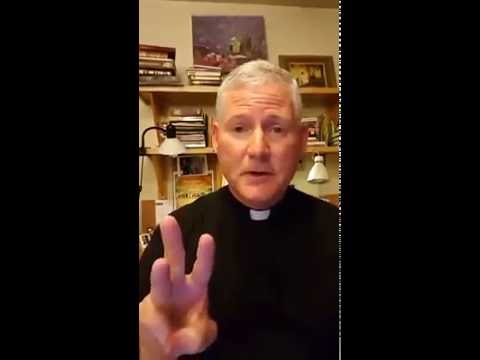
how to make the sign of the cross
If you are wondering how to make the sign of the cross, you are in good company. This ancient Christian gesture is simple in movement yet rich in meaning, acting as a short prayer, a declaration of faith, and a reminder of God’s presence. Whether you are beginning your faith journey, returning after a time away, or simply curious, this guide explains the essentials clearly and respectfully so you can learn with confidence.
Before we explore how to make the sign of the cross step by step, it helps to understand why Christians do it, what it expresses, and how the gesture varies across different traditions. You will also find practical tips, common mistakes to avoid, and answers to frequently asked questions, so you can use this prayerful action in everyday life.
Christians across Catholic, Orthodox, Anglican and some Lutheran communities use this sign regularly. While it is not mandatory in all traditions, it is widely valued as a way to begin and end prayers, to bless oneself before challenging tasks, and to centre the mind and heart on the mystery of the Trinity.
What is the Sign of the Cross?
The sign of the cross is a short, physical prayer that traces the shape of the cross over one’s body while invoking the Trinity: the Father, the Son, and the Holy Spirit. It is both a profession of faith and a plea for protection. In Christian history, it appears early as a mark of devotion, identity, and remembrance of Christ’s Passion and Resurrection.
At a deeper level, this movement is a declaration of belief: it acknowledges God’s nature as Trinity, recalls the Cross as the source of salvation, and unites body and soul in worship. It encourages the faithful to bring the whole person into prayer, integrating thought, word, and action.
how to make the sign of the cross: the standard method step by step
There are small variations in different Christian traditions, but the basic approach below explains how to make the sign of the cross as it is commonly practised in the Western (Latin) tradition. If you belong to an Orthodox or Eastern Catholic community, see the variations section further down to adapt the details.
- Stand or sit upright and pause. Take a breath and focus your attention on God. This short pause turns the motion into prayer, not just habit.
- Raise your right hand. Most traditions use the right hand. If using holy water, dip your fingertips lightly from the font or stoup as you enter the church.
- Touch your forehead. As you touch your forehead, say (aloud or inwardly): “In the name of the Father.” This honours God the Father and offers your mind to Him.
- Touch your chest (near the sternum). Say: “and of the Son.” This honours Jesus Christ and offers your heart, your love, and your will.
- Touch your left shoulder. Say: “and of the Holy.”
- Touch your right shoulder. Say: “Spirit.” By moving across the shoulders, you trace the horizontal beam of the Cross.
- Join your hands or return them to your side and say: “Amen.” This seals the prayer with agreement and trust.
Move with unhurried calm. The gesture is meaningful whether done publicly at church or privately at home. If you are teaching a child how to make the sign of the cross, go slowly and guide their hand at first; then allow them to do it unaided while you speak the words together.
What words accompany the gesture?
The most common wording in English is: “In the name of the Father, and of the Son, and of the Holy Spirit. Amen.” In Latin, you may hear: “In nomine Patris, et Filii, et Spiritus Sancti. Amen.” Many Christians quietly add a personal intention before or after the sign, such as “Lord, be with me today.”
In times of stress, uncertainty or before an important task, this short prayer can help steady your thoughts and invite grace. You can say it aloud or silently; the key is reverence and intention.
Variations across Christian traditions
While the core meaning of the sign is shared, Christians differ slightly in how to make the sign of the cross physically. Understanding these variations can be reassuring if you attend different churches or watch services online and notice details that do not match your usual practise.
Catholic and many Protestant traditions
In the Roman Catholic Church and in several Protestant communities (including Anglican/Episcopal and some Lutheran congregations), the usual pattern is forehead, chest, left shoulder, right shoulder. The words remain the same. Many worshippers make the sign with holy water upon entering or leaving a church building, recalling their baptism.
Orthodox and Eastern Catholic practise
In the Eastern churches, it is customary to hold the thumb, index finger, and middle finger together (symbolising the Trinity), with the ring finger and little finger tucked into the palm (symbolising the two natures of Christ). The motion typically goes from right shoulder to left shoulder—forehead, chest, right shoulder, left shoulder. If you are learning how to make the sign of the cross in an Orthodox setting, observe how the priest and faithful do it and follow their pattern with peace of mind.
Teaching children and newcomers
When introducing the gesture to children or those new to church, encouragement matters more than precision at first. Show the motion slowly, speak the words clearly, and explain in simple language what each movement means. Over time, correct the direction of the shoulders and posture gently and positively.
When and why to make the sign
You may make the sign at the start and end of personal prayer, upon waking, before meals, before travel, or in moments of anxiety or temptation. In church, you might make the sign upon entering, at the start of a service, during readings of the Gospel, upon receiving blessings, or at the final dismissal. Knowing how to make the sign of the cross also helps you participate more fully in liturgical worship where the gesture occurs several times.
Some Christians make a smaller sign of the cross on the forehead, lips, and heart at the Gospel reading, silently praying, “May the Word be in my mind, on my lips, and in my heart.” Others trace a small cross over themselves when they hear the name of Jesus or when passing a church. Practices vary, but the intention is consistent: to honour God and seek His grace.
Using holy water and sacred space
Holy water is a reminder of baptism. If you are in a church where a font or stoup is available, you may dip your fingers and then make the sign reverently. This is not compulsory, and in some churches holy water may not be provided at every time of year. Whether or not you use water, keep a prayerful pace and lift your thoughts towards God.
Common mistakes and how to avoid them
Perfection is not required, but clarity helps. Here are frequent errors and how to address them:
- Rushing the gesture: Slow down. If you race through how to make the sign of the cross, it can feel mechanical. A calm pace supports prayer.
- Mixing shoulder order: In the Western tradition, it is left shoulder first, then right; in the Eastern tradition, right then left. Choose according to your church and be consistent.
- Mumbling or omitting the words: Even if you pray silently, form the words with intention. The Trinitarian formula expresses the heart of the gesture.
- Using the left hand in error: Most traditions use the right hand. If you must use the left hand because of an injury or disability, God understands; otherwise, practise with the right.
- Overly dramatic movements: Keep the motion dignified and natural. The focus is prayer, not display.
Etiquette and respect in public
In public worship, follow local custom. If you visit a church different from your own, it is courteous to observe and participate as you feel comfortable. There is no need to draw attention to yourself; simply be reverent. If you are unsure how to make the sign of the cross in that setting, quietly follow the priest or experienced worshippers.
Remember that clergy bless people with the sign of the cross in a formal way; lay people typically bless themselves, not others, unless a parent or family member informally traces a small cross on a child’s forehead at home. When in doubt, ask a minister or catechist for guidance.
how to make the sign of the cross with confidence: practical tips
Like any prayer, consistency builds familiarity. If you are still learning how to make the sign of the cross, try these gentle suggestions:
- Practise slowly at home, using a mirror once or twice if helpful, then stop using the mirror so the motion becomes natural.
- Link the gesture to key moments in your day: on waking, before meals, when you begin work, and before sleep.
- Read a short scripture verse, then make the sign, offering your day, your concerns, or your gratitude to God.
- Respect the differences you encounter. If you move between Western and Eastern churches, adopt the local pattern for shoulders and hand position without anxiety.
- Help children by guiding their hand gently and praising small improvements. Joy and patience are more valuable than precision.
Symbolism in the movement
Touching the forehead invites God into your thoughts; touching the chest dedicates your heart; tracing shoulder to shoulder symbolises carrying your cross each day. The words unite your prayer with the life of the Trinity. Even the choice to make the sign before a difficult conversation or task can be a quiet way of saying, “Lord, guide me.”
Learning from different traditions
Many people who learn how to make the sign of the cross discover, over time, that its depth grows with them. In Catholic contexts, for example, it frames prayer and sacramental life. In Orthodox contexts, the right-to-left motion and hand position carry theological symbolism. Anglicans and Lutherans may use the sign more or less often depending on parish custom. All point towards Christ and a life shaped by the Cross and Resurrection.
Recommended external resources
- Catechism explanation of the Sign of the Cross for official teaching on the name of the Trinity and reverence for God’s name.
- Comprehensive overview of the Sign of the Cross covering history, variations, and practice.
- Orthodox perspective on the Sign of the Cross with details on the right-to-left motion and finger positions.
- Brief guide from the USCCB offering a succinct description and prayer text.
Related articles
Frequently asked questions about how to make the sign of the cross
Do I have to say the words out loud?
No. You may pray the words silently if you prefer. In a public service, many people will say the words aloud together, but in personal prayer it is fine to be silent. What matters is the intention and reverence with which you make the sign.
Which hand should I use, and what if I am left-handed?
Traditionally, you use your right hand. If physical limitations or injury make that difficult, use your left hand without worry. God receives your prayer regardless. If you are teaching someone how to make the sign of the cross and they are left-handed, you can still encourage the right hand for consistency with most worship settings, but pastoral sensitivity is key.
What is the difference between Western and Eastern movements?
In the Western (Latin) tradition, the motion is forehead, chest, left shoulder, right shoulder. In the Eastern tradition, it is forehead, chest, right shoulder, left shoulder, often with three fingers joined. If you attend a service in a different tradition, adopt the local pattern with respect.
Is it appropriate to make the sign before meals or in public?
Yes. Many Christians make the sign quietly before meals, at the start of travel, or when beginning a significant task. Modesty and reverence are good guides. If you are unsure how to make the sign of the cross in a particular public situation, you can pray inwardly and make a smaller, discreet gesture.
Can lay people use the sign to bless others?
Generally, lay people bless themselves, not others, although parents often trace a small cross on their children’s foreheads at home. Formal blessings over people in worship are carried out by clergy. If you wish to pray with someone, you can pray aloud with them and both make the sign together, keeping within your community’s custom.
Conclusion on how to make the sign of the cross
Learning how to make the sign of the cross is straightforward, yet deeply meaningful. With a calm movement of the hand and a simple Trinitarian prayer, you express faith, seek protection, and centre your day in God. Whether you are at church, at home, or on the move, this gesture can become a steady companion to your spiritual life.
Approach it slowly and reverently: forehead, chest, shoulder to shoulder, with the words “In the name of the Father, and of the Son, and of the Holy Spirit. Amen.” If you pray within an Eastern community, remember the right-to-left direction and the traditional finger positions. However you practise, the heart of the sign is the same.
As you become familiar with how to make the sign of the cross, let it mark key moments—beginning your day, giving thanks at meals, asking for courage, or closing the evening in peace. Over time, it will not only be a gesture you perform, but a prayer that forms you.
