Can Catholics Eat Meat Today? 5 Key Rules You Should Know
Respuesta Rápida
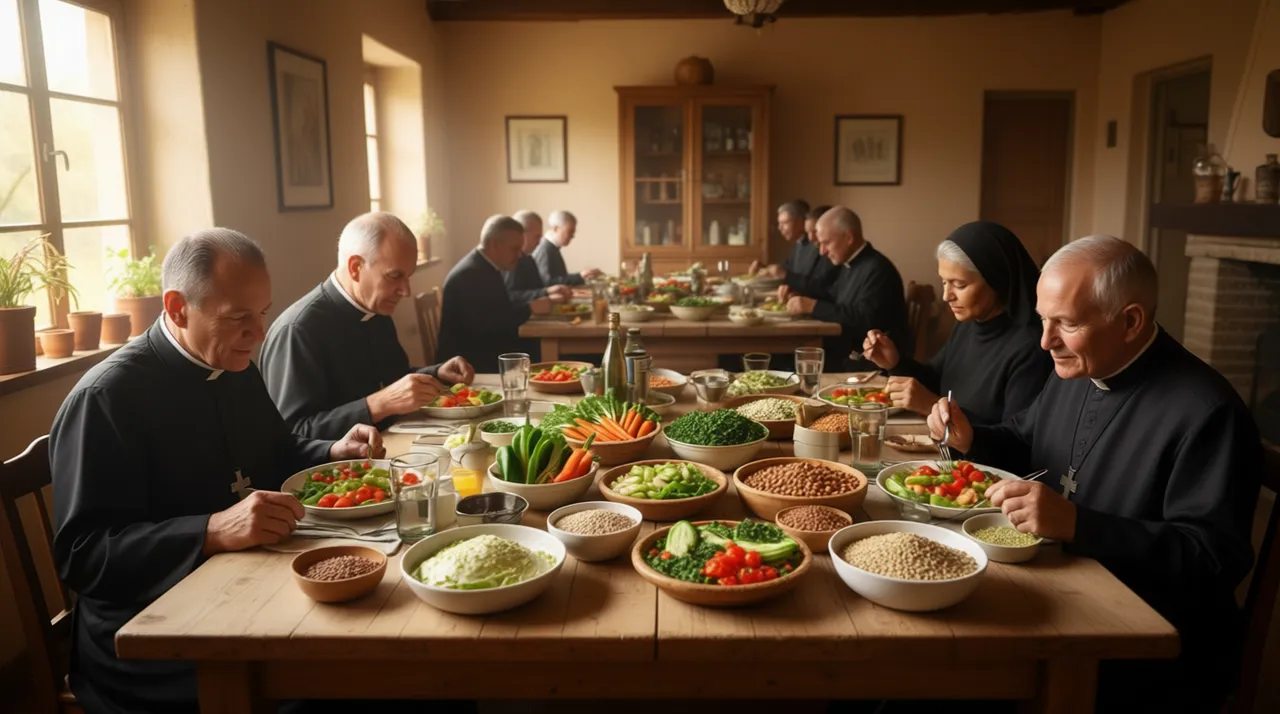
Yes, Catholics can eat meat today, with a few important exceptions. The Catholic Church requires its members to abstain from eating meat on Ash Wednesday, Good Friday, and all Fridays during the season of Lent. On Fridays outside of Lent, Catholics are encouraged to perform an act of penance, which can be abstaining from meat or another form of sacrifice.
Five key rules you should know:
- Fridays in Lent: Abstinence from meat is obligatory.
- Ash Wednesday & Good Friday: Both fasting and abstinence are required.
- Fridays Outside Lent: Abstinence is recommended, but other penances can be substituted.
- Age Requirements: Abstinence binds from age 14; fasting from age 18 to 59.
- Solemnities: If a solemnity (major feast day) falls on a Friday, the penitential obligation is lifted.
Have you ever found yourself at a Friday lunch with a Catholic friend who politely declines a burger and opts for a fish sandwich instead? Or perhaps you’ve heard about “Fish Fridays,” especially during the spring, and wondered about its origins. The tradition of Catholics abstaining from eating meat on Fridays is one of the most visible and enduring practices of the Catholic faith. But is it a rule for every Friday? What does it mean? And why this specific practice?
This tradition is like a quiet, weekly spiritual “pause button,” inviting a step back from routines to reconnect with the core of our faith. For us here at oracioncristiana.org, exploring such timeless practices strengthens our faith and clarifies our purpose. You are invited to dive in and uncover the 5 key rules that explain this enduring Catholic tradition.
1. The Historical Roots: Why Friday?
At its very core, the practice is a direct and powerful act of remembrance. Catholics traditionally abstain from meat on Fridays primarily to commemorate Good Friday, the day Jesus Christ was crucified and sacrificed His life for the sins of humanity.

Friday has been a significant day of penance in the Church from its earliest days. By choosing this day for a weekly act of sacrifice, believers consciously unite themselves with the suffering of Jesus on the cross.
- A Day of Penance: The Church designates every Friday as a special day of penance in memory of Christ’s Passion.
- A Small Sacrifice: Abstaining from meat, which historically was considered a celebratory food or a luxury, is a small, tangible way to honor the ultimate sacrifice Jesus made.
- Spiritual Solidarity: It’s an act of spiritual solidarity, joining in a small way with Christ’s suffering and acknowledging the immense price He paid for our salvation.
This weekly commemoration ensures that the central event of the Christian faith—the crucifixion—remains at the forefront of a believer’s mind, not just during Lent, but throughout the entire year. It’s a beautiful way to keep the memory of His love and sacrifice alive in our hearts and in our actions. You can read more about the Church’s teaching on penance on the U.S. Conference of Catholic Bishops (USCCB) website.
2. The Theological Significance: Penance, Sacrifice, and Solidarity
Beyond simple remembrance, abstaining from meat is a form of spiritual discipline. The practice serves as a consistent act of penance, a spiritual exercise that encourages repentance for sins, fosters self-control, and cultivates solidarity with the poor.
The Church teaches that penance—acts of self-denial and prayer—is essential for the Christian life. By willingly giving up something good (meat), Catholics:
- Practice Self-Denial: It’s a way to train the will, to say “no” to our own desires, and to place God’s will first.
- Acknowledge Sin: It’s a humble acknowledgment of our own sinfulness and our need for God’s mercy and forgiveness.
- Foster Solidarity: Historically, meat was a luxury often inaccessible to the poor. Abstaining from it served as an act of solidarity with those who had less.
This small, weekly sacrifice helps cultivate a spirit of humility and reminds believers of their ongoing need for conversion and a deeper relationship with God. It’s like a spiritual workout, designed to strengthen our faith muscles and keep us spiritually fit. The Catechism of the Catholic Church discusses the importance of penance in the life of a Christian.
3. Abstinence vs. Fasting: Knowing the Difference
It’s crucial to differentiate between two distinct but related penitential practices in the Catholic Church. Abstinence, which is the focus for most Fridays, refers to refraining from eating certain types of food (specifically meat), while fasting refers to reducing the amount of food consumed.
Understanding this distinction clarifies the rules:
- Abstinence: On days of abstinence, Catholics aged 14 and older are required to abstain from eating the flesh meat of mammals and birds. Fish, amphibians, reptiles, and their products are permitted.
- Fasting: On days of fasting, Catholics aged 18 to 59 are permitted to eat only one full meal. Two smaller meals are allowed, but together they should not equal the size of the full meal.
There are only two days in the entire year when Catholics are required to practice both fasting and abstinence: Ash Wednesday and Good Friday. This highlights the profound solemnity of these two days in the liturgical calendar. On all other Fridays in Lent, only abstinence is required.
4. The Current Norms: Lent vs. Fridays in Ordinary Time
So, can Catholics eat meat today? The answer depends on what day it is and where you are in the liturgical year. The current norms require Catholics to abstain from meat on Ash Wednesday, Good Friday, and all Fridays during the season of Lent. On Fridays outside of Lent, the practice is more flexible.
Here are the key rules for most dioceses in the United States, as established by the USCCB:
- Fridays in Lent: Abstinence from meat is obligatory for Catholics aged 14 and over. This is a serious matter.
- Fridays Outside of Lent: While still designated as days of penance, Catholics can choose to substitute another form of sacrifice or an act of charity in place of meat abstinence. The obligation to do some form of penance remains.
This means that on a Friday outside of Lent, a Catholic might fulfill their penitential obligation by:
- Abstaining from another favorite food or drink.
- Dedicating extra time to prayer or reading Scripture.
- Volunteering at a local charity.
- Performing a special act of kindness for someone in need.
This flexibility emphasizes the spirit of the law rather than just the letter. The core purpose is to perform a meaningful act of penance and sacrifice in memory of Christ’s Passion. You can find more on the modern rules of abstinence from resources like Catholic.com.
5. Exceptions to the Rule: Solemnities and Other Factors
Like any Church law, there are specific exceptions and considerations that apply to the rule of Friday abstinence. The obligation to abstain from meat on a Friday is lifted if that Friday happens to be a Solemnity, a major feast day in the Catholic Church. Additionally, there are exceptions for health, age, and other practical circumstances.
Here are the key exceptions:
- Solemnities: A Solemnity is the highest rank of feast day in the liturgical calendar. If a Solemnity (like the Annunciation, the Sacred Heart of Jesus, or Christmas Day) falls on a Friday, the celebratory nature of the feast takes precedence, and the penitential obligation of abstinence is removed.
- Health and Age: The rules of abstinence bind those from age 14 onwards. Those who are ill, frail, pregnant, or nursing are not bound by the law of fast and abstinence.
- Practical Impossibility: In situations where it is practically impossible to abstain (e.g., being a guest at a meal where no other food is offered), the obligation does not apply.
These exceptions demonstrate the Church’s pastoral care, balancing spiritual discipline with practical wisdom and the joyous celebration of its most important feasts. It’s like a family understanding that while weekly chores are important, a birthday celebration takes precedence.
What Does Friday Penance Mean for Your Spiritual Walk?
The tradition of why Catholics don’t eat meat on Fridays is a rich and multifaceted practice, deeply woven into the fabric of Christian faith. It’s a powerful weekly reminder of Christ’s sacrifice, a call to personal penance and spiritual discipline, an act of solidarity with the poor, a sign of communal unity, and a flexible tradition that continues to hold profound meaning today.
May this exploration deepen your understanding of this ancient custom and perhaps inspire you to embrace Friday penance with a renewed sense of purpose, drawing closer to Christ and His immense love for you. What an incredible legacy of faith to participate in!
Now, your thoughts are welcome. The comments section is open!
→ Which of these 5 key rules for Friday abstinence resonated most deeply with you, or surprised you the most?
→ How does the practice of a small, regular sacrifice challenge or inspire your own spiritual life?
→ If you practice Friday penance, what are some of your favorite meatless meals or alternative acts of charity you engage in?
Sharing insights can encourage one another in our oracioncristiana.org community!
