Who Are the Philistines Today? 7 Fascinating Facts Revealed
Respuesta Rápida
The Philistines were an ancient “sea people” who settled in Canaan and were often adversaries of the Israelites. In modern usage, the term “Philistine” describes someone who is perceived as uncultured, intellectually shallow, or lacking appreciation for art, intellect, and refined tastes.
Key characteristics of a modern Philistine include:
- Disregard for “High Culture”: Showing indifference to classical arts, literature, or philosophy.
- Preference for Superficiality: Gravitating towards mass entertainment and trends over depth and substance.
- Anti-Intellectualism: Dismissing complex ideas or critical discussions.
Have you ever watched a blockbuster movie, scrolled endlessly through social media, or felt a little bewildered by abstract art, and then heard someone dismiss it all with a shrug, saying, “Oh, that’s so… Philistine”? It’s a word that gets tossed around a lot, often with a hint of disdain, to describe someone who just doesn’t “get” culture or high-brow tastes.
But where does that word come from? And is it fair to use it today? The term “Philistine” has a fascinating journey from ancient warriors to modern cultural critics, and its evolution reveals a lot about how we perceive culture, intellect, and even ourselves. It’s a lens through which we can examine our own values and the ever-shifting landscape of modern society.


Understanding “who are the Philistines today” isn’t about pointing fingers. It’s about grasping a concept that sheds light on the ongoing tension between mass appeal and profound substance. It challenges us to reflect on what we truly value in art, education, and everyday life. For us at oracioncristiana.org, exploring these cultural insights can deepen our appreciation for the diverse expressions of the human spirit.
So, let’s embark on a journey from the ancient battlefields to modern living rooms. Let’s uncover the 7 fascinating facts about who the Philistines are today, and why this concept still sparks so much debate!
1. The Ancient Roots: Warriors from the Sea
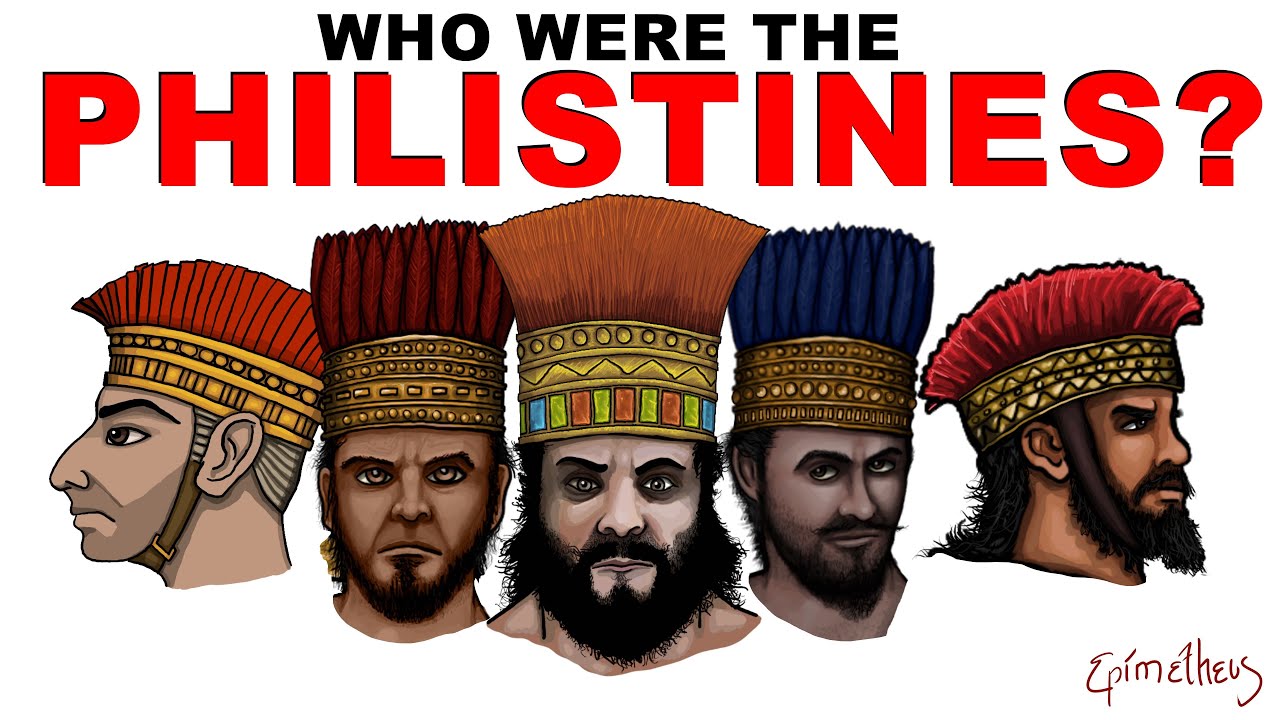
To understand the modern “Philistine,” we first need to meet the original ones. The Philistines were an ancient people, often referred to as “sea peoples,” who settled along the southwestern coast of Canaan (modern-day Israel and Gaza) around the 12th century BCE.
In the Bible, they are portrayed as the relentless adversaries of the Israelites. Their most famous representative, of course, is the giant warrior Goliath, who was famously defeated by young David. They were a formidable military power, skilled in ironworking (which gave them a military advantage), and they worshipped pagan deities like Dagon.
The Israelites often saw them as crude, uncircumcised, and lacking in spiritual refinement—a constant thorn in their side. This historical and biblical context is crucial because it laid the groundwork for the negative connotations that would follow the term for millennia. You can explore their archaeological history at Biblical Archaeology Society.
2. The Modern Interpretation: Lacking “Culture” and Refinement
Fast forward thousands of years, and the term “Philistine” underwent a dramatic semantic shift. In contemporary usage, a “Philistine” describes an individual who is perceived as uncultured, indifferent to art and intellectual pursuits, or hostile to artistic and aesthetic values.
This modern interpretation largely comes from German academic circles in the 17th-19th centuries, particularly popularized by the English poet and critic Matthew Arnold in his 1869 book, Culture and Anarchy. Arnold used the term to criticize the English middle class for their materialism and lack of concern for intellectual and artistic cultivation.
Today, the label often highlights a perceived lack of:
- Appreciation for Fine Arts: Little interest in classical music, literature, theater, painting, or sculpture.
- Intellectual Engagement: A disdain for complex ideas, philosophical discussions, or scholarly pursuits.
- Refined Taste: A preference for the coarse, the popular, or the merely functional over the elegant, the profound, or the beautiful.
This modern “Philistine” isn’t a warrior; they’re a cultural critic’s nightmare—someone seen as valuing only what is practical or immediately gratifying, without a deeper sense of aesthetic or intellectual depth.
3. The Cultural Impact: Prioritizing Entertainment Over Education
The “Philistine mindset,” whether conscious or not, can profoundly influence societal norms and collective values. By displaying a disinterest in critical thinking and the arts, this mindset often shapes cultural trends that prioritize superficial entertainment over meaningful education and intellectual growth.
Think about how this plays out in our daily lives:
- Media Consumption: A heavy focus on reality television, sensationalized news, and easily digestible content that requires little thought, often at the expense of in-depth documentaries or thoughtful journalism.
- Social Media Behaviors: The emphasis on viral trends, superficial fame, and quick emotional hits can overshadow nuanced discussions or the sharing of profound ideas. Likes and shares become the metric of value, rather than substance.
- Consumer Choices: A preference for branded, mass-produced goods driven by fleeting trends, over artisanal products, timeless craftsmanship, or items with deeper cultural or artistic merit.
This isn’t to say popular culture is inherently bad! But when it consistently overshadows or devalues intellectual and artistic pursuits, it reflects a society where depth is less appreciated. This mindset can subtly, yet profoundly, steer collective consciousness towards the fleeting and the trivial, rather than the enduring and the meaningful.
4. The Rise of “Digital Philistines”: The Impact of the Internet
The digital age, while offering unprecedented access to information, has also paradoxically fueled the rise of new forms of Philistinism. Technology, particularly social media and easily digestible content platforms, has significantly contributed to the “Digital Philistine” mindset, where instant gratification often trumps deep engagement.
Consider the double-edged sword of the internet:
- Information Overload: While access to knowledge is limitless, the sheer volume can lead to superficial skimming rather than deep reading or critical analysis.
- Algorithm Bubbles: Social media algorithms often feed us content that reinforces our existing views and preferences, reducing exposure to diverse ideas or challenging intellectual pursuits.
- Instant Gratification: The constant stream of short-form videos and “snackable” content trains our brains for quick hits of dopamine, diminishing our patience for complex art, long-form literature, or in-depth documentaries.
Platforms like TikTok, while incredibly creative, can also reinforce a culture where brevity and virality are prized above all else. This can inadvertently dilute the appreciation for depth, complexity, and slow, thoughtful engagement with cultural artifacts. As sociologist Sherry Turkle explores in her work, constant digital connection can ironically lead to a decline in deeper conversation and reflection. You can read more about the impact of digital media on culture from resources like the Pew Research Center.
5. Combating Philistinism: The Power of Education and Engagement
- Formal Education: Encouraging robust arts, humanities, and critical thinking programs in schools and universities.
- Lifelong Learning: Actively pursuing knowledge and skills outside formal education, through books, documentaries, and online courses (like those on MasterClass or Coursera).
- Engaging with Arts and Literature: Deliberately seeking out challenging books, visiting museums and art galleries, attending theater and musical performances, and participating in book clubs.
- Supporting Cultural Institutions: Volunteering for or donating to local arts organizations, museums, and libraries.
- Critical Media Literacy: Learning to critically evaluate online content and seek out sources that prioritize depth over sensationalism.
By actively cultivating our appreciation for depth and complexity, we can enrich our own lives and contribute to a more vibrant, thoughtful society. It’s about remembering that true human flourishing involves more than just material consumption; it involves the nourishment of the mind and spirit.
6. The “Philistine Renaissance”: A Counter-Culture Awakening
Interestingly, the very challenges posed by modern Philistinism have also sparked a powerful counter-cultural awakening. Today, there’s a growing “Philistine Renaissance” movement, where individuals and communities are actively pushing against superficiality to celebrate depth, culture, and intellectual engagement.
This isn’t about snobbery; it’s about genuine appreciation. You can see this movement in various forms:
- Rise of Independent Arts: A renewed appreciation for local artists, indie films, and small theater productions that prioritize artistic integrity over commercial appeal.
- Podcast & Long-Form Content Boom: The popularity of podcasts that delve deep into complex topics (from philosophy to history to science) shows a hunger for substance. Platforms like Spotify offer endless options.
- Community Book Clubs & Discussion Groups: People are actively seeking out physical and virtual spaces to engage in thoughtful conversation about literature, ethics, and current events.
- DIY & Craft Culture: A resurgence of interest in handmade goods, traditional skills, and creative self-expression, valuing the process and authenticity over mass production.
This movement reminds us that the human spirit’s desire for beauty, truth, and genuine connection can never be fully suppressed. It’s a hopeful sign that a vibrant cultural appreciation is always ready to bloom, even in the digital age.
7. Our Personal “Philistine”: The Inner Battle for Depth
Finally, the concept of the Philistine isn’t just about “them” out there; it’s about “us.” Recognizing the “Philistine” in ourselves—our own tendencies towards superficiality, instant gratification, or resistance to challenging ideas—is the first step towards personal growth and deeper cultural engagement.
We all have a bit of that “Philistine” in us. In a world constantly vying for our attention with quick, easy content, it takes deliberate effort to choose depth. It requires:
- Conscious Consumption: Making intentional choices about what we read, watch, and listen to, prioritizing quality over quantity.
- Cultivating Patience: Training ourselves to engage with complex art or literature that requires time and effort to appreciate fully.
- Embracing Discomfort: Stepping outside our comfort zones to explore new ideas, different cultures, and challenging perspectives.
- Nurturing Curiosity: Maintaining a lifelong thirst for knowledge and understanding, recognizing that there’s always more to learn and appreciate.
The battle against Philistinism begins within. By actively choosing to cultivate our intellect, our aesthetic appreciation, and our spiritual depth, we not only enrich our own lives but also contribute to a more vibrant, thoughtful, and culturally rich society for everyone. It’s a continuous journey of growth and self-discovery.
Ready to Redefine Your Cultural Engagement?
The question of who are the Philistines today leads us far beyond ancient warriors, into the very heart of modern cultural critique. It challenges us to examine our own relationship with art, knowledge, and entertainment. By consciously choosing depth over superficiality, by nurturing our curiosity, and by actively engaging with the rich tapestry of human culture, we can combat the Philistine mindset and contribute to a more thoughtful, empathetic, and truly flourishing society.
What an incredible opportunity to shape our world, one thoughtful choice at a time!
Now, I’d love to hear from you. The comments section is open!
→ Which aspect of modern Philistinism do you find most concerning, or do you see most often in your daily life?
→ What’s one practical step you plan to take this week to deepen your own cultural or intellectual engagement?
→ How can we, as a community, better encourage a love for depth and meaningful engagement in our fast-paced world?
Let’s share our insights and inspire one another in our oracioncristiana.org community!
